The Greens have introduced a new hemp bill in the Bundestag. Document 21/8942 from November 4, 2026 maintains the removal of the abuse clause but draws two new lines: hemp used in food production remains at 0.3% THC, and leaves and flowers can no longer be fed to animals. These were exactly the points where the Federal Institute for Risk Assessment raised objections during the hemp hearing in October.
📑 Inhaltsverzeichnis
What the New Hemp Draft Changes
The core remains the same. The abuse clause in the Cannabis Consumption Act should be eliminated without replacement. Until now, it has only permitted handling of hemp if misuse for intoxication purposes can be excluded. The justification refers to two Federal Court of Justice rulings on hemp tea and CBD flowers. According to these, trade can be punishable even though the 0.3% limit is maintained. A recent acquittal of a Bavarian hemp dealer demonstrated how this affects practice. Also eliminated is the requirement that commerce serve exclusively commercial or scientific purposes.
New is the division of THC limits. Hemp may in future contain up to 1% THC, as long as it is not intended for food production. For food applications, the 0.3% limit continues to apply. The faction justifies this by noting that the EU has not yet set maximum THC levels for some food categories. The 1% threshold matches Czech law. The EU direct payment limit remains unchanged according to the draft.


Animal Feed Ban for Leaves and Flowers
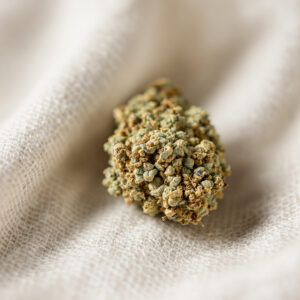
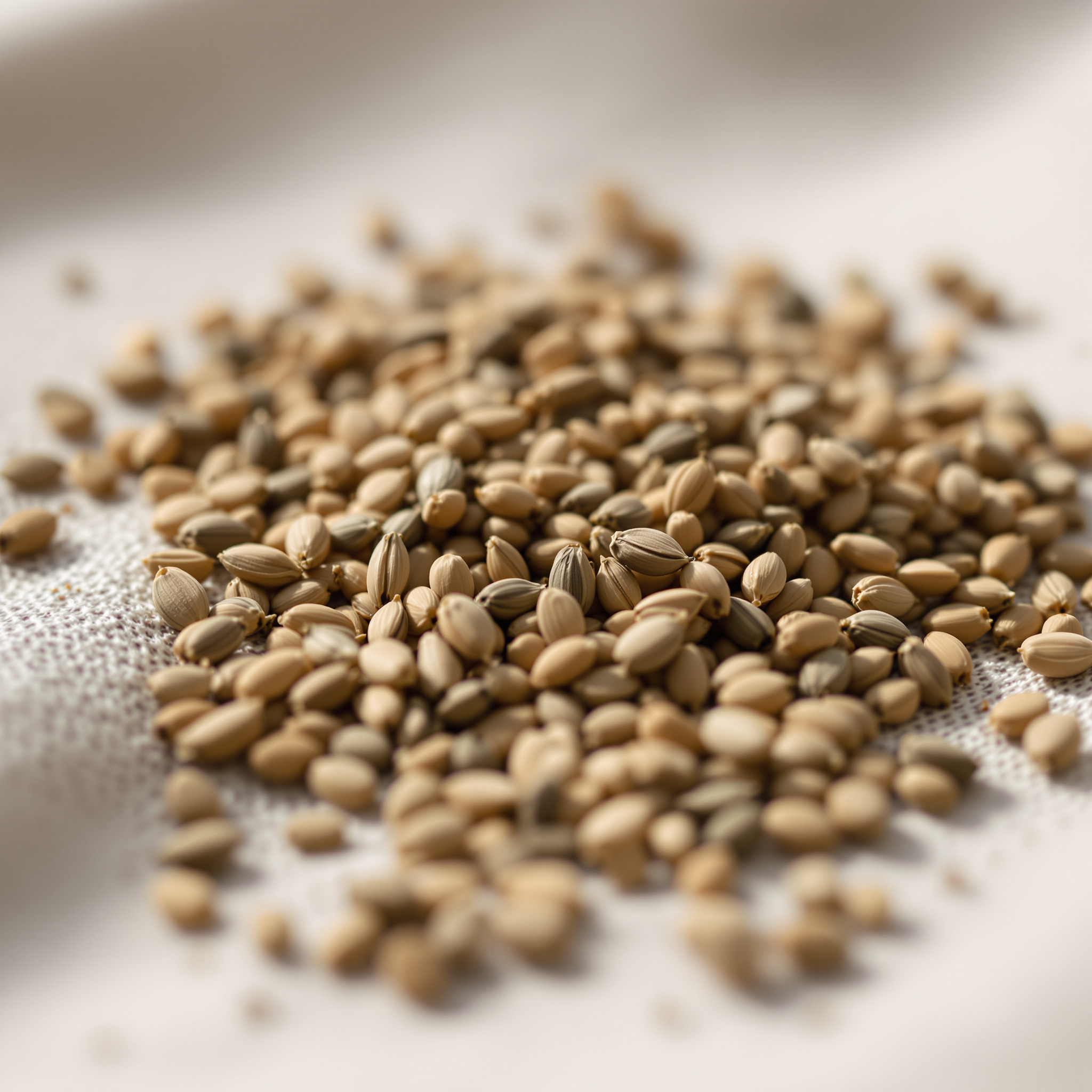
A new Section 32a bears the heading „Hemp as Animal Feed“ and consists of a single sentence: feeding leaves and flowers to animals is prohibited. According to the draft, violations constitute an administrative offense. The justification explicitly mentions ruminants, which could ingest effective amounts of THC and CBD from feed. Pressecake from hemp oil production remains permitted. It derives from seeds and is classified as protein feed.
This is remarkable because the BfR had called the abuse clause the „last bastion“ during the hearing, as long as there are no feed maximum levels or feeding prohibitions. The new draft now provides such a prohibition. Whether the institute views its concerns as addressed remains open. The second objection from the hearing concerned food products from leaves and flowers, where gaps in specialized law persist.
Indoor Cultivation for Horticulture and Other Businesses
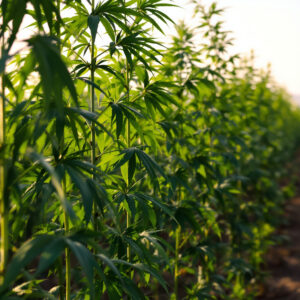
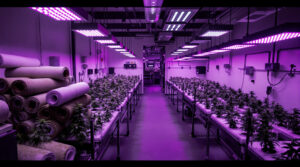
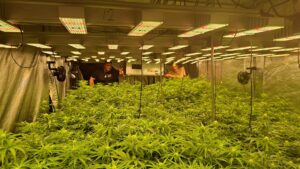
The circle of approved growers is expanding. Until now, forestry, horticulture, viticulture, and beekeeping have been excluded from hemp cultivation. In future, all agricultural enterprises should be permitted to grow hemp, including indoors. Indoor cultivation must be reported by the first day of the quarter following planting, with area in square meters. According to the draft, the Federal Institute for Agriculture and Food initially expects only a small single-digit number of operations, with approximately 2,000 square meters of greenhouse space and 3 to 4 cycles per year. This would be economically interesting primarily for CBD. Our overview explains hemp cultivation requirements and permits.
Tobacco Tax and Costs: An Old Assumption Remains
When hemp flowers are sold as a plant-based smoking product, tobacco tax applies. The draft projects additional revenue of approximately €2.544 million annually. For industry, it estimates one-time expenses of around €1.509 million, almost entirely for printing, labeling, and packaging machinery. The customs administration requires €352,000 in 2026 and €686,000 from 2027 onward. However, one assumption in the justification is already outdated: the tax calculation still assumes implementation on January 1, 2026. In the bill text itself, the law should take effect the day after publication to prevent further criminal proceedings related to the abuse clause.
Assessment: An Opposition Draft That Incorporates Criticism
The draft comes from the opposition, and a majority is not in sight. The parliamentary paper also does not make clear whether it is meant to replace the older draft 21/2116, which is pending after the hearing in the Committee on Agriculture. In terms of content, however, the direction is clear. The Greens are removing the basis for the BfR’s objections rather than disputing them. This shifts the debate from the question of whether intoxicating misuse of industrial hemp is even proven to the question of who will bring feed and food law into line. In parallel, the EU is working on its own reorganisation: the Council wants to make hemp flowers an agricultural product, and the market organisation is to cover all parts of the plant.
Frequently Asked Questions
What THC limit should apply to hemp in future?
According to draft 21/8942, a 1% THC limit applies when hemp is not intended for food production. For hemp from which food is produced, the 0.3% limit continues.
What is the abuse clause?
The clause permits hemp handling only if misuse for intoxication purposes can be excluded. Courts have interpreted it so narrowly that even trading hemp tea or CBD flowers under 0.3% THC can be punishable.
Does this mean hemp cannot be used as feed at all?
Only leaves and flowers would be prohibited. Pressecake from hemp oil production remains permitted as feed because seeds contain no THC.
Will this draft become law?
That remains open. The draft comes from the opposition, and hemp does not appear in the CDU/CSU-SPD coalition agreement. The parliamentary committees will decide the next steps.
Sources: German Bundestag, Document 21/8942 from November 4, 2026 (advance version); heute im bundestag, brief announcement from November 5, 2026.


Sollte der THC-Grenzwert für Nutzhanf auf 1 Prozent steigen?
Branchen-Update
News, Analysen und Reportagen — mehrmals im Monat direkt in dein Postfach.
Folge uns