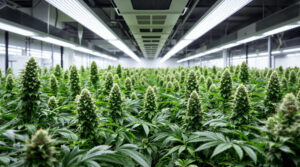
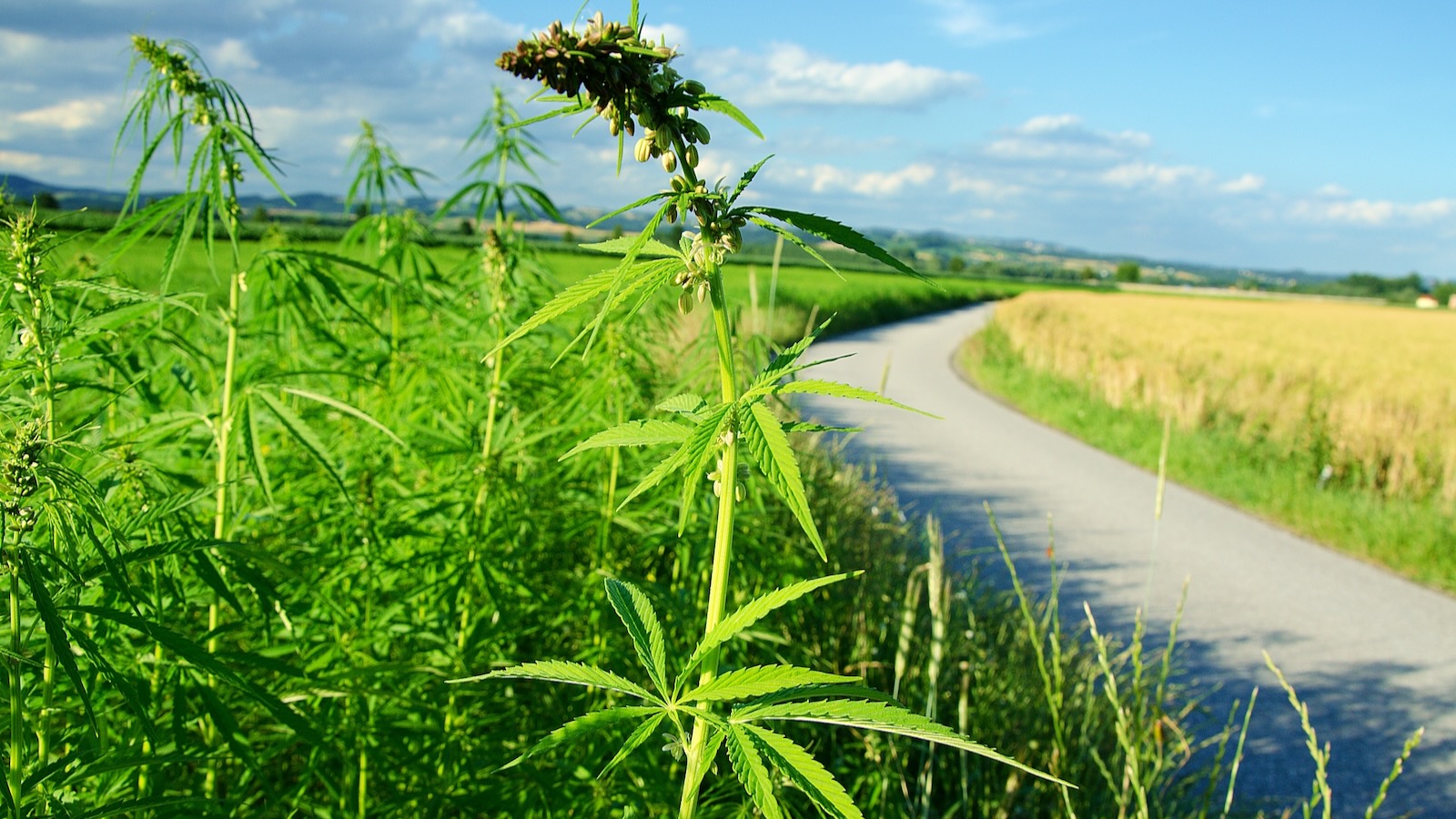
A ruling from Bavaria could fundamentally change Germany’s hemp industry. The Amberg District Court acquitted a trader of illegal hemp commerce with less than 0.3 percent THC, and the prosecutor withdrew their appeal. The verdict is now legally binding.
📑 Inhaltsverzeichnis
The court’s reasoning: With the introduction of the Cannabis Consumption Act (KCanG), misuse of industrial hemp for intoxicating purposes is no longer realistic, since adults can now legally purchase THC-containing cannabis.
What Is the Intoxication Clause and Why Does It Burden the Industry?
The so-called intoxication clause is a German-specific regulation that exists in no other European country. The Federal Court of Justice decided on March 21, 2021, that larger quantities of hemp flowers with more than 0.1 percent THC could theoretically be processed to produce an intoxicating effect. On this basis, prosecutors pursued traders and producers for years who sold completely legally cultivated industrial hemp.


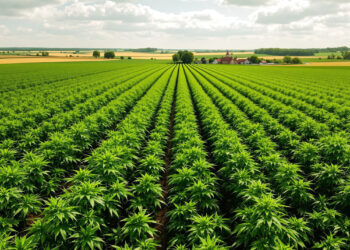
The consequences for the industry have been substantial. In 2025, industrial hemp cultivation area in Germany decreased by 1,842 hectares, with 127 farmers exiting hemp production. Even museums and research institutions lost their cultivation permits due to legal uncertainty becoming too great. The pressure on German hemp operations has steadily increased in recent years.
The Amberg Ruling: A New Argument Through the KCanG
The Amberg District Court overturned the previous legal understanding. The decisive consideration: anyone in Germany who wants to consume cannabis today can do so legally. This eliminates the theoretical danger that the Federal Court of Justice cited in 2021 as justification for the intoxication clause. According to the court, processing industrial hemp with less than 0.3 percent THC to achieve intoxication is simply no longer a realistic option.
The decision is more than just an acquittal for the defendant. Because the prosecutor waived their right to appeal, the verdict is binding and creates a solid precedent. Other courts must now grapple with whether the intoxication clause remains constitutional after partial legalization.
Federal Parliament and Legislation: The Political Side of the Debate
Alongside court rulings, legislation is also moving forward. A bill (21/2116) is pending in the Bundestag that proposes complete elimination of the intoxication clause from the KCanG. Additionally, a THC threshold of one percent and permission for indoor hemp cultivation are planned. The draft was referred to relevant committees in March 2026. A plenary vote timing remains unclear.
The industry has demanded reform for years. Under former Agriculture Minister Özdemir, elimination of the intoxication clause was explicitly promised but resulted in no concrete legislative action. The debate over the optimal THC threshold for industrial hemp has dragged on for some time, even at the European level. For the industry, both a higher threshold and abolition of the intoxication clause would be decisive improvements.
What the Ruling Means in Practice
In the short term, the Amberg ruling gives industrial hemp traders and producers a legal argument they can use in ongoing cases. It is not a blanket permit, as prosecutors and courts continue to decide cases individually. But the signal is clear: the intoxication clause stands on shaky ground.
In the medium term, much depends on whether other courts follow the Amberg line or whether the case reaches an appellate court, forcing a more binding clarification. The legislature could end the discussion with bill 21/2116 before the courts do. The prospects for industrial hemp in Germany look as promising as they have in years with reform on the horizon.
Frequently Asked Questions
What is the intoxication clause for industrial hemp?
The intoxication clause stipulates that industrial hemp may only be traded legally if misuse for intoxicating purposes is excluded. It is based on a 2021 Federal Court of Justice ruling that found even hemp with less than 0.3 percent THC could theoretically be misused.
What did the Amberg District Court decide?
The Amberg District Court acquitted an industrial hemp trader, reasoning that after the KCanG was introduced, misuse of industrial hemp to produce intoxication is no longer realistic. Since the prosecutor did not appeal, the verdict is legally binding.
What impact does the ruling have on hemp farmers?
The ruling gives the industry an important legal argument in ongoing cases. It is not a universal free pass. Prosecutors and courts continue to decide cases individually until either an appellate court rules definitively or the legislature eliminates the intoxication clause.
Is there a legislative bill to abolish the intoxication clause?
Yes. Bill 21/2116 pending in the Bundestag proposes eliminating the intoxication clause from the KCanG. Additionally, a one percent THC threshold for industrial hemp and permission for indoor cultivation are planned. The draft was referred to relevant committees in March 2026.
How is industrial hemp cultivation developing in Germany?
The trend is declining. In 2025, cultivation area decreased by 1,842 hectares, with 127 farmers ceasing production. Legal uncertainty caused by the intoxication clause is cited as the main reason. Reform could significantly strengthen the sector and improve competitiveness with other EU countries.



Sollte die Rauschklausel für Nutzhanf in Deutschland abgeschafft werden?
Branchen-Update
News, Analysen und Reportagen — mehrmals im Monat direkt in dein Postfach.
Folge uns