This is a brief yet comprehensive overview of what fertilizer hemp requires and how to properly fertilize hemp plants. Hemp here refers not only to indoor-grown marijuana but also to outdoor-grown raw material plants. Many claim that hemp needs no fertilizer or pesticides, but they’re wrong about fertilizer.
📑 Inhaltsverzeichnis
Do You Need to Fertilize Hemp or Not?
Traditionally, people grew grain, hemp, beets, and other crops on good „topsoil“ because regular fertilization wasn’t common practice. Clay and sandy soils contain few nutrients, but with synthetic fertilizer or manure and compost, nearly the same yields can be achieved. On clay and sand, hemp would also need fertilizer to grow to four meters in height or produce abundant seeds or marijuana.

However, hemp would require less fertilizer than other agricultural plants like cotton or corn. In some German regions where farmers already test soil samples to determine maximum allowable fertilization levels before environmental damage occurs, the values for hemp would likely be lower than for corn. Nevertheless, it’s probably pointless to want to fertilize hemp to that extent.
There are very sensitive hemp varieties that can only tolerate less than half the fertilizer recommended for commercial varieties. This is often the case with indoor cultivation. So it also depends on the variety. This wouldn’t be any different with corn or grain.
Fertilizing hemp may not be necessary on good soils, and on average, less fertilizer is needed than for some other plant species. However, some indoor strains can tolerate very high levels, and on poor soils or rockwool, it’s impossible without hemp fertilization or without yield losses.

Nitrogen, Phosphorus, and Potassium
Plants are different from animals but function similarly in certain ways. While animals need carbohydrates, proteins, and fats, they can’t survive on these alone as they also require trace elements. For plants, nitrogen, phosphorus, and potassium as NPK fertilizer are the basic components. More nitrogen is needed for growth, less for flowering and fruit ripening. Nitrogen makes plants shoot up in height.
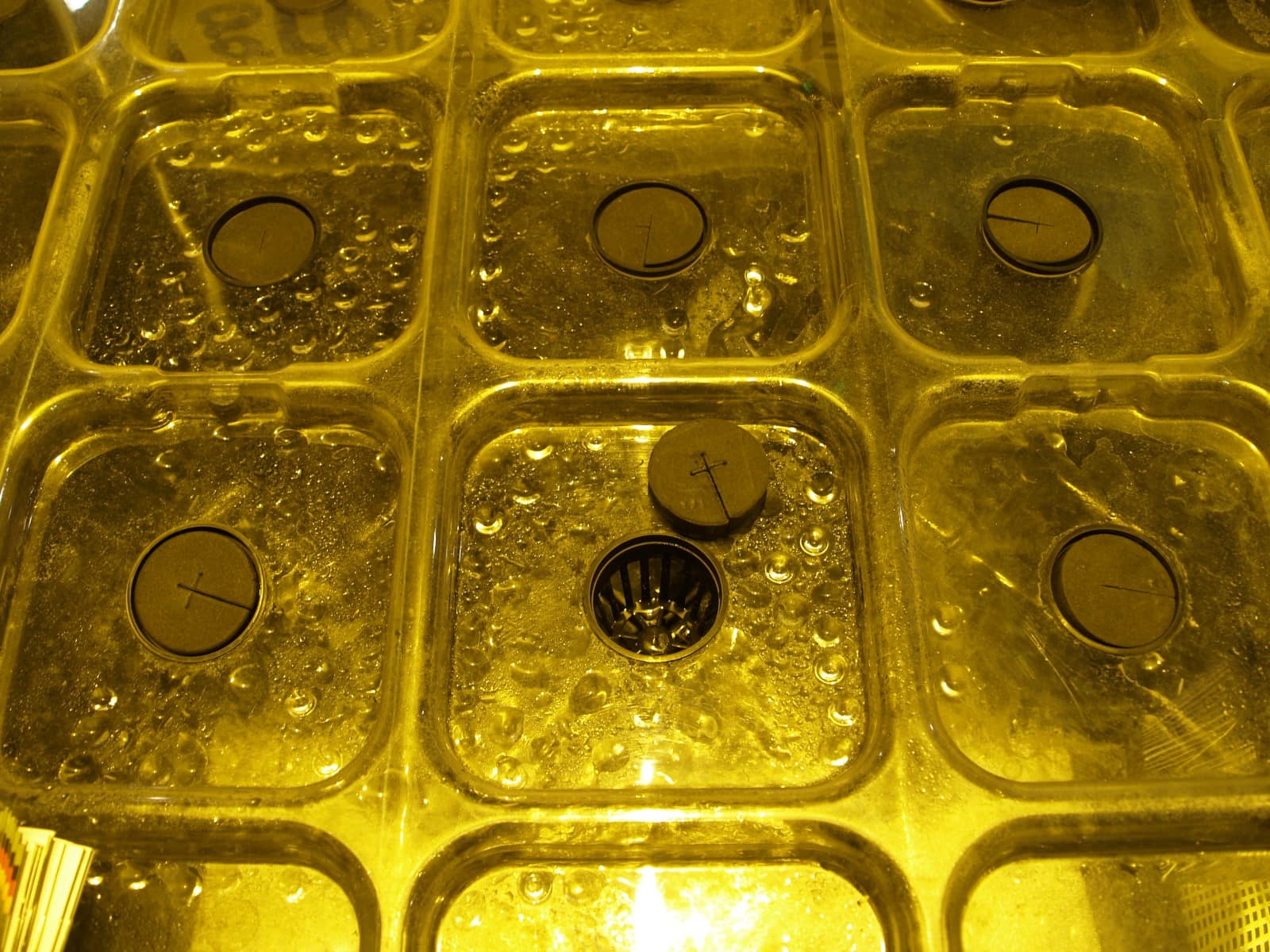
But anyone wanting to fertilize hemp may also need to add trace elements. Those growing in good soil can almost stick with NPK, but on rockwool, in aeroponics, or other „sterile“ growing media, iron, sulfur, zinc, copper, vitamins, and other compounds must definitely be included.
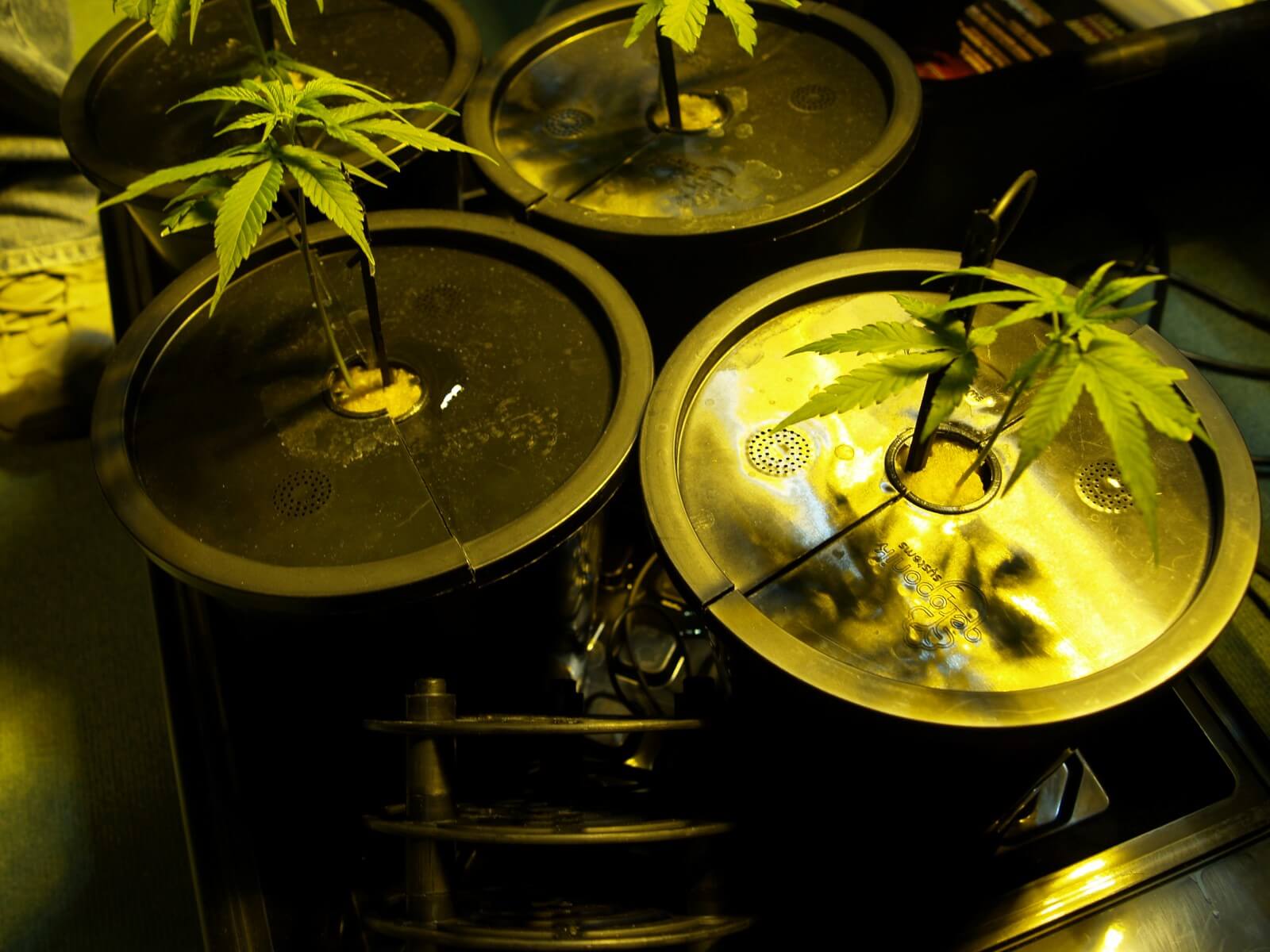
Additionally, all nutrients must be present in a form available to the plant. Soil contains bacteria that process nutrients. Here, different chemical compounds can be used than for rockwool, since the fertilizer must already be in a usable form there. For soil, however, fertilization can be less frequent or slow-release fertilizers can be used. The soil buffers it and releases it gradually. When fertilizing hemp, you must know exactly what medium you’re growing in to choose the right fertilizer. For rockwool, aeroponics, etc., a complete fertilizer should always be chosen unless you’re really knowledgeable and can work precisely. The wrong hemp fertilizer or incorrect dosage causes more harm than good!
Fertilizing Hemp is More Than Just Adding Fertilizer
Even if hemp fertilizer contains all necessary nutrients, this alone may accomplish nothing. Plant roots can only absorb each individual nutrient within a certain pH range. Therefore, this pH value must be correct in the soil and irrigation water. For hydroponic or similar systems, approximately 5.4 to 5.8 pH should be targeted; for soil, approximately 6 pH.
Besides pH value, soil temperature is also very important for nutrient uptake. In cold or excessively hot soil, growth is significantly slowed or plants may even die. Temperatures around 20°C are optimal; during the night phase, it can cool a few degrees. But it shouldn’t cool too much or get significantly warmer. Above 26°C, soil bacteria or soil diseases seem to form that cause hemp plants to wither away if they don’t yet have fibrous and woody roots. For older plants, these temperatures are also counterproductive.
Fertilizing Hemp – With What?
Traditionally, manure was spread on fields for disposal. People already noticed better growth, but only fertilized nearby fields since it was hard work and disposal was the goal. Manure contains many important substances besides NPK, but not all manure is good. It should always mature and decompose first before application. (We’ve heard of and known people who relieved themselves in the pot – that’s too fresh!) Furthermore, different animal species have different qualities. For strawberries, for example, horse or chicken manure is used – that’s amazing!
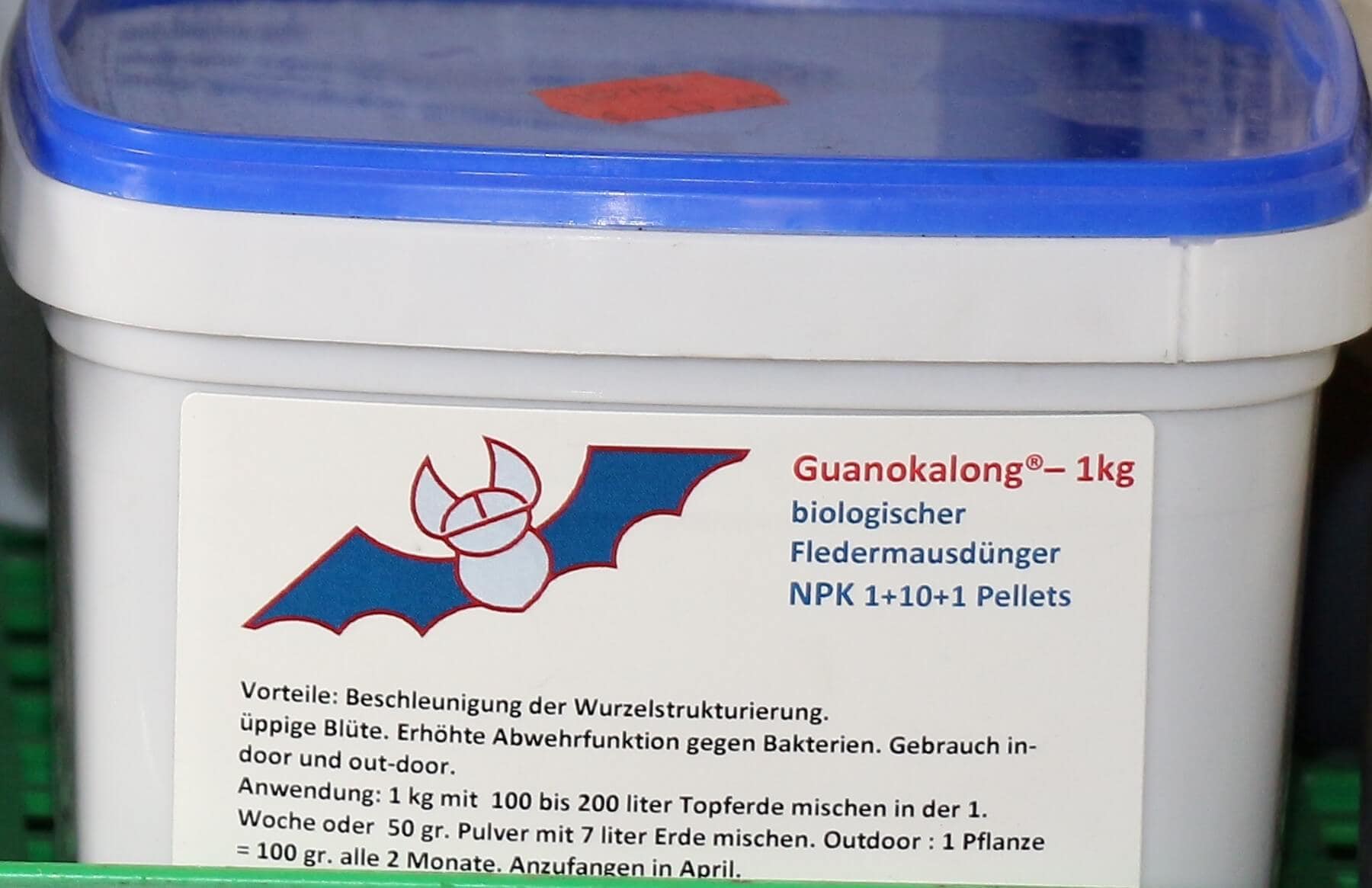
Besides manure, plants can also mature as compost and be used. Many algae species are said to have excellent properties as fertilizer. But other prepared plant residues also have good nutrient profiles for fertilizing hemp. Animal byproducts like bone meal, horn shavings, fish meal, and blood meal are also used for fertilizing. However, these can attract pests when unprocessed. Besides organic materials, many inorganic additions are also beneficial. Dolomitic lime not only buffers the pH value from above but also from below into the green sector. Iron or sulfur fertilizers would also be very effective on many, but not all, soils.
Sometimes you need to know what’s already present to supplement with other things. It’s about balance. An excess of one can hinder the uptake of another. Additionally, the balance must be matched to the plants‘ growth stage to optimize results. Not only should nitrogen have a different ratio during flowering than in pre-flowering.
To Illustrate
For pre-flowering, you would give NPK with a ratio of approximately 3-1-4. For flowering, however, 1-1-2. Plants need other nutrients more intensively, and if fertilizer isn’t adjusted, individual nutrients accumulate and burden the soil climate. With over-fertilization of individual or many nutrients, 1 to 2 liters of pH and temperature-adjusted water should be flushed through per liter of root medium. The waterlogging should ideally be overcome by the next day. Plants absolutely need air at the roots. Drowning plants with water really will drown them long-term if it’s not rockwool or similar root media!
For fertilizing hemp, synthetic fertilizer is naturally also used, manufactured from various inorganic materials or fossil fuels in chemical plants. Synthetic fertilizers should be of really good quality. You shouldn’t use lawn fertilizer for indoor hemp cultivation, not even for greenhouses.
Don’t Forget Bioavailability When Fertilizing Hemp
It was already explained that soil bacteria process fertilizer and make it available to plants. When fertilizing hemp in soil, the fertilizer must naturally also be usable by soil bacteria. Anyone sticking a rusty nail in the soil for iron deficiency won’t achieve anything. Even if the entire nail gradually rusts, the iron still isn’t in a chemical compound that can be used by plants or the soil bacteria beforehand.
Was dich auch interessieren könnte...
Anyone mixing their own fertilizer to fertilize their hemp must ensure that plants or soil bacteria can actually absorb the nutrients. After that, it’s crucial that everything is very balanced with the fertilizer contained in the soil and additionally provided.
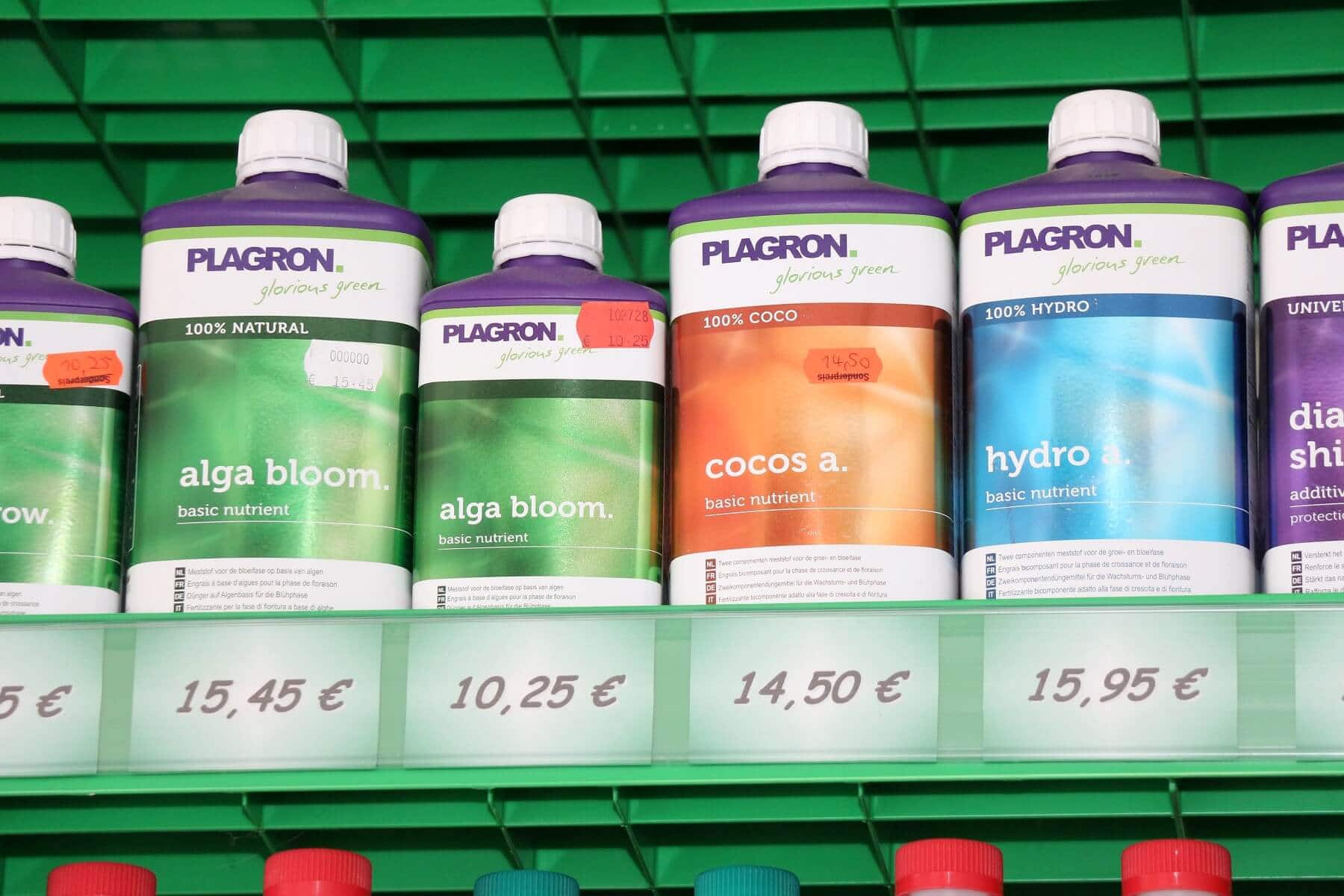
If growing in soil and simply mixing in some compost and lime, not much can go wrong. However, anyone without composting possibilities who doesn’t want to use manure should simply buy finished fertilizer suitable for the growing medium and use it according to manufacturer instructions or somewhat more cautiously. Especially with „more difficult“ growing media like coco, rockwool, aeroponics, or flow mats on flood tables, you shouldn’t risk destroying everything when fertilizing hemp through a poor homemade creation. Anyone sourcing all necessary ingredients individually in tiny quantities and mixing according to their own recipe will certainly pay 5 times as much as simply purchasing good ready-made fertilizer for fertilizing hemp and creates less work. With individual ingredients and finished fertilizers, shelf life must always be considered, giving ready-made products the advantage again.
For soil or outdoor in soil, you can experiment. However, for indoor soil cultivation, you should know that compost can introduce diseases, pests, and unwanted „stuff.“