
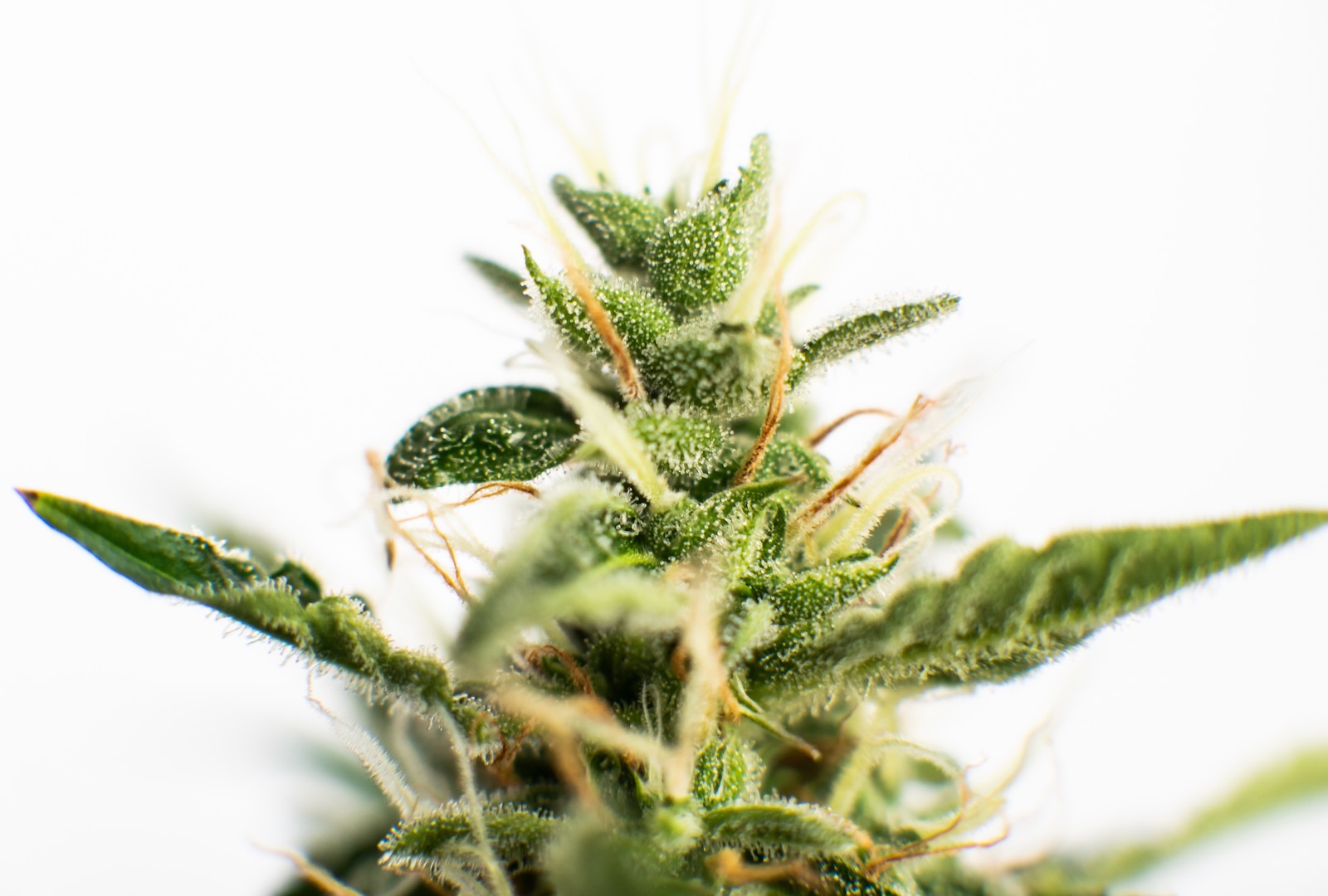
What is Medical Cannabis? Fundamentals of Cannabinoids and Mechanism of Action
Medical cannabis encompasses all cannabis-based preparations used for therapeutic purposes. This includes dried cannabis flowers, cannabis extracts, and standardized pharmaceutical products based on cannabinoids such as Nabiximols—a THC/CBD spray used in multiple sclerosis—or Nabilon, a synthetic THC derivative for chemotherapy-induced nausea. The essential distinction from recreational cannabis lies not solely in legal status, but primarily in medical quality control: medicinal cannabis is subject to strict purity and standardization requirements, ensuring patients receive consistent cannabinoid composition and reliable dosing.
📑 Inhaltsverzeichnis
- What is Medical Cannabis? Fundamentals of Cannabinoids and Mechanism of Action
- Who is Eligible for Medical Cannabis? Legal Requirements
- Which Conditions are Treated with Medical Cannabis?
- Dosage Forms: Flowers, Extracts, and Pharmaceutical Products
- The Path to a Cannabis Prescription: Step by Step
- Costs and Health Insurance Reimbursement: What Does Statutory Insurance Cover, What Do Patients Pay?
- Finding the Right Physician: General Practitioner, Specialist, or Cannabis Expert?
- Legal Changes in 2026: What Patients Need to Know Now
- Medical Cannabis in Daily Life: Travel, Driving, and Side Effects
- Frequently Asked Questions About Medical Cannabis
- 💬 Fragen? Frag den Hanf-Buddy!
The pharmacologically most significant active ingredients are tetrahydrocannabinol (THC) and cannabidiol (CBD). THC activates cannabinoid receptors CB1 and CB2 in the endocannabinoid system, producing analgesic, antiemetic, muscle-relaxing, and appetite-stimulating effects—accompanied by the known psychotropic profile. CB1 receptors are concentrated primarily in the brain and spinal cord, explaining THC’s central pain-modulating effect. CBD, by contrast, binds weakly to cannabinoid receptors but modulates a variety of other receptor systems, producing anticonvulsant, anxiolytic, and anti-inflammatory effects without causing intoxication. In full-spectrum preparations, THC, CBD, and additional terpenes and cannabinoids work together and reinforce each other in a phenomenon scientists call the entourage effect. This synergistic effect could explain why full-spectrum extracts appear more effective than isolated single compounds in certain studies.
The endocannabinoid system itself is an internal regulatory network influencing pain, inflammation, mood, sleep, and numerous other physiological functions. Plant-derived cannabinoids like THC and CBD intervene in this system and can modulate disrupted regulatory processes—this is the actual key to the medical potential of the cannabis plant.


Who is Eligible for Medical Cannabis? Legal Requirements
Not every patient interested in cannabis automatically has the right to a prescription covered by statutory health insurance. The Social Code V (SGB V) and the Medicinal Cannabis Act (MedCanG) define clear prerequisites that must be met for statutory insured patients to receive cost coverage.
The fundamental prerequisite is that the patient must suffer from a serious illness. This refers to severe conditions that substantially impair daily life—not minor ailments manageable with home remedies. Furthermore, available standard therapies must either have been exhausted—meaning they have demonstrably provided insufficient relief—or intolerable side effects must have made alternative treatment necessary. Third, the treating physician must see a reasonable prospect that cannabis can positively influence symptoms or disease progression. This medical assessment is decisive and must be carefully documented in the patient’s medical record.
For statutory insured patients, the law additionally requires that the health insurance company approve the therapy before treatment begins—initial prescriptions generally require prior authorization. An important exception exists: when a specialist issues the prescription, the time-consuming pre-approval process is waived in certain cases. The Federal Health Ministry introduced this after specialty societies criticized bureaucratic barriers as harmful to patient care for years. Current data show that over 80 percent of initial applications are approved—the hurdles are considerably lower than often feared.
Which Conditions are Treated with Medical Cannabis?
The list of conditions treated with medical cannabis has grown steadily over recent years. Chronic pain remains the most common application area. This includes neuropathic pain, tumor-related pain conditions, and chronic back pain where opioids and other pain medications have been insufficiently effective or caused unacceptable side effects. Pain specialists report that particularly patients with long-term opioid histories can benefit from cannabis, since cannabis employs a completely different pharmacological mechanism.
Multiple sclerosis is another significant application area. The approved pharmaceutical product Nabiximols is specifically approved for MS patients with moderate to severe spasticity when other treatment measures fail. Numerous patients report noticeable reduction of painful muscle cramps and improved quality of daily life.
For epilepsy, particularly Dravet syndrome and Lennox-Gastaut syndrome in children and adolescents, the evidence for highly pure CBD is particularly robust. The CBD preparation Epidyolex is officially approved here, supported by multiple high-quality clinical trials demonstrating significant seizure reduction. Nausea and vomiting from chemotherapy represent an established application area—the synthetic THC derivative Nabilon has been approved for this purpose for decades and is regularly used in oncology departments.
Additionally, studies show promising results for treatment-resistant sleep disorders, anxiety disorders, post-traumatic stress disorder (PTSD), Tourette syndrome, and inflammatory bowel diseases such as Crohn’s disease. These indications are scientifically still at an earlier stage but are increasingly considered in practice by specialized physicians when standard care has failed. Important: the evidence base varies considerably depending on the indication. Patients should ask their physician about the current research status for their specific condition.
Dosage Forms: Flowers, Extracts, and Pharmaceutical Products
Medical cannabis is available in various dosage forms that differ substantially in onset of action, duration, and dosability. The most classic form is standardized cannabis flowers, dispensed by weight at the pharmacy. Patients inhale these through a medical vaporizer; burning, or traditional smoking, is not medically recommended since it produces carcinogenic combustion byproducts. The vaporizer heats the flowers to a temperature at which cannabinoids vaporize but no combustion occurs. The advantage: effects occur quickly, within minutes, allowing good dose control.
Cannabis extracts and oils offer an alternative intake option for patients who cannot or prefer not to inhale. They are typically taken orally or sublingually (under the tongue). Effects occur more slowly, up to two hours may pass, but last longer. Standardized extracts with defined THC and CBD contents allow precise dosing in milligram increments, particularly important during the titration phase.
Pharmaceutical products such as Sativex (Nabiximols) or Epidyolex have fixed compositions and are specifically approved for certain indications. They offer maximum standardization advantages but are less flexible in dosing and, as prescription medications, more expensive than flowers. For patients requiring precisely defined dosing for medical reasons, they nonetheless remain the preferred option.
The Path to a Cannabis Prescription: Step by Step
The first step is a physician consultation. In principle, any licensed physician, except dentists and veterinarians, may prescribe medical cannabis. In practice, however, it is advisable to consult a physician experienced with cannabinoid therapies. Many patients start with their general practitioner, who can refer them to a specialist if needed or submit the application to the health insurance company themselves.
For statutory insured patients, the physician must first submit a cost coverage application to the health insurance company. This application contains the diagnosis, previous treatment attempts, the reasoned prognosis, and the planned cannabis therapy including the preparation and dosage. The health insurance company has five weeks by law to review the application; if medical expert review is required, this period extends to eight weeks. For specialist prescriptions, the requirement for prior authorization can be waived in certain cases.
After approval, the physician issues a regular prescription; since April 2024 also as an electronic e-prescription. The prescription is filled at any pharmacy that stocks or can order cannabis flowers or extracts. Patients should note that new rules take effect in 2026: medicinal cannabis may only be dispensed after personal consultation in the pharmacy, and mail-order trade in cannabis flowers for medical purposes will be prohibited.
Digital medicine has significantly simplified access in recent years. Telemedicine platforms enable initial consultations with physicians specializing in cannabis therapy conveniently from home. However, stricter rules apply from 2026: pure video initial consultations will no longer be sufficient for initial prescriptions; at least one personal contact between physician and patient must have occurred. Our article on digital medicine and cannabis therapy examines the opportunities and limitations of telemedicine in the cannabis field in detail.
Costs and Health Insurance Reimbursement: What Does Statutory Insurance Cover, What Do Patients Pay?
For statutory insured patients whose applications have been approved, direct costs are manageable: they pay only the statutory prescription copayment of five to ten euros. The actual costs for medicinal cannabis, which depending on the preparation and quantity can amount to several hundred to over one thousand euros monthly, are covered entirely by the health insurance company.
Without approval or for privately insured patients, the cost situation differs. Cannabis flowers cost between ten and fifteen euros per gram at the pharmacy depending on variety and quality. With a typical daily dose of one to two grams, this adds up to monthly costs of 300 to 900 euros. Extracts and standardized pharmaceutical products are often even more expensive. Private health insurance companies reimburse cannabis costs in highly varying amounts. Here, careful review of the insurance contract and early communication with the insurer before treatment begins is worthwhile.
Particularly with private prescriptions, when patients acquire cannabis without a health insurance application directly on a private prescription, full pharmacy costs apply. Some patients deliberately choose this route to avoid long waits for insurance approval and attempt later retroactive reimbursement. However, this approach is risky: retroactive reimbursements are rarely granted by insurers.
Finding the Right Physician: General Practitioner, Specialist, or Cannabis Expert?
Formally, any licensed physician may prescribe medicinal cannabis. In practice, however, not all physicians have equal experience with this therapy form. General practitioners are often the first point of contact and can directly submit an application for simpler cases, such as chronic pain unresponsive to other therapies. For complex illnesses or if the general practitioner has little experience with cannabinoid therapy, referral to a pain specialist, neurologist, or physicians with special cannabinoid qualifications is recommended.
Specialized cannabinoid clinics are increasingly found in German cities. Platforms such as Weed.de or Flowzz offer interactive physician searches for locating licensed physicians with cannabis experience nearby. Telemedicine providers like CanDoc, DoktorABC, or Canify Clinics enable initial consultations online, which is a considerable advantage especially for people in rural areas or with restricted mobility. A structured qualification system for cannabinoid therapy is offered by the BCPS certificate, which provides physicians a systematic framework for therapy planning; learn more in our article on BCPS and structured cannabis therapy.
Legal Changes in 2026: What Patients Need to Know Now
The year 2026 brings noticeable changes for cannabis patients in Germany. As part of amendments to the Medicinal Cannabis Act, requirements for the physician-patient relationship are tightened. Pure video initial consultations are no longer sufficient for initial prescriptions; at least one personal contact between physician and patient must have occurred before a cannabis prescription is issued. For follow-up prescriptions, at least one personal contact or home visit must be documented within four quarters.
Furthermore, mail-order trade in cannabis flowers for medical purposes will be prohibited. Patients may henceforth obtain their medication only after personal consultation in the pharmacy. This change aims to ensure the medical quality of care while simultaneously preventing misuse. Specialty societies and patient representatives have commented critically on these plans, expressing concern that the changes will create significant access barriers, particularly for immobile patients or people in structurally disadvantaged regions. How experts assess this development is detailed in our overview of expert demands for improvements to the MedCanG.
Simultaneously, positive developments exist: the requirement for health insurance pre-approval is waived for specialist prescriptions in certain situations, substantially lowering bureaucratic barriers for patients. The political dispute over the MedCanG remains unresolved. Learn more in our report on the dispute over the MedCanG and patient care.
Medical Cannabis in Daily Life: Travel, Driving, and Side Effects
Those prescribed medical cannabis have the right in Germany to carry their medication as they would any other pharmaceutical product. In daily life, however, practical questions arise: what applies to driving, and how should one conduct oneself when traveling abroad?
For driving, since cannabis legalization in 2024, a THC limit of 3.5 nanograms per milliliter of blood serum applies. Medicinal cannabis patients are not fundamentally exempted from this limit; those taking THC-containing cannabis must ensure the value remains below the legal limit when driving. Physicians are obligated to inform their patients about the effects on driving fitness. In practice, how quickly the THC level diminishes depends heavily on individual dosage, consumption timing, and personal metabolism.
When traveling abroad, particular care is required. Medicinal cannabis remains prohibited or strictly regulated in many countries. Those wishing to travel abroad should research the applicable legal situation beforehand and carry appropriate medical certifications. Our detailed guide to traveling with medicinal cannabis provides detailed information for common travel destinations. For those wanting to understand how cannabis regulations look worldwide, our article on the international comparison of medical cannabis laws offers a good overview.
Possible side effects include dizziness, dry mouth, drowsiness, appetite changes, and short-term cognitive impairment, particularly with THC-containing preparations. With CBD preparations, the side effect profile is generally milder. Close medical supervision throughout therapy is therefore decisive. Dosage and preparation should always be adjusted in consultation with the treating physician, and changes in condition should be communicated promptly.
Frequently Asked Questions About Medical Cannabis
Can any physician prescribe medical cannabis?
Basically yes: every licensed physician in Germany may issue medicinal cannabis prescriptions, except dentists and veterinarians. In practice, however, a physician with experience in cannabinoid therapy is advisable, since dose finding and selection of the appropriate preparation require medical expertise.
How long does the health insurance approval process take?
The statutory period for the health insurance company is five weeks from receipt of the complete application; eight weeks if expert review is required. In practice, it often takes two to four weeks. For specialist prescriptions in certain indications, pre-approval is waived, allowing patients to begin therapy immediately.
What does medical cannabis cost without insurance reimbursement?
Costs vary considerably depending on the preparation. Dried cannabis flowers typically cost ten to fifteen euros per gram at German pharmacies. With a daily dose of one to two grams, monthly costs sum to 300 to 900 euros. Extracts and pharmaceutical products can be considerably more expensive.
May I drive with medical cannabis?
Medicinal cannabis patients are subject to the same THC limits as other road users: 3.5 nanograms THC per milliliter of blood serum is the legal limit. Patients taking THC-containing preparations must ensure their driving fitness is unimpaired and their THC level remains below the limit when driving. Individual medical consultation is essential.
Can I take medical cannabis to other countries?
That depends on the destination country and requires thorough preparation. While there is the Schengen area within the EU, cannabis remains prohibited for possession in many countries or strictly regulated. For travel abroad, it is strongly recommended to carry a medical certificate and pharmacy receipts and to carefully research the legal situation of the destination country beforehand.
How do I find out if cannabis is the right therapy for me?
The first step is always an open conversation with your physician. Those wishing to raise the topic with their general practitioner should specifically describe which therapies have been tried so far and why these have not provided sufficient relief. An honest medical history is the foundation of any cannabis therapy. When uncertain, a second opinion from a specialized cannabis physician or pain specialist can be helpful.









Branchen-Update
News, Analysen und Reportagen — mehrmals im Monat direkt in dein Postfach.
Folge uns