
During marijuana flowering, watering should always prevent waterlogging. Good climatic conditions must be precisely maintained in the soil as well. Proper watering is essential to ensure both moisture and air are present in the soil.
📑 Inhaltsverzeichnis
Marijuana is Neither a Swamp nor Desert Plant
If plants need watering at least every two days to prevent drought, they can be watered thoroughly. They will quickly absorb the excess water, allowing vital air to flow into the soil. However, if watering is only needed every three or four days, the root volume was probably sized too large, and you should either transplant to smaller pots or grow the plants larger next time.

In this case, never water to the point of waterlogging, as this will slow down plant growth for several days. Watering properly to the right point is more difficult than when plants simply absorb water so quickly that problematic waterlogging doesn’t occur. To ensure plants continue drawing plenty of water, indoor watering should happen at lights-on rather than lights-off.
Warm or Cold Grow Room?
The previous section describes observations from conditions that were rather too warm. In a cold basement, it’s normal to water less frequently or with less water. But even here, plants shouldn’t need longer than one day to make the pot somewhat lighter, preventing deadly waterlogging. A few hours of waterlogging is almost harmless, but becomes very detrimental over extended periods when it prevents root respiration.
When waterlogging might occur, water moist rather than wet with less water. If even just the root tips stand in a water puddle for extended periods, plants will stop working or even die. Yields will be poor or nonexistent.

Those who only need to water soil every two days should lift the pots and only water those becoming lighter. Otherwise, use less water and don’t water heavy, wet pots at all. Depending on the soil, the surface may look dry while still being wet inside, so you should lift rather than just look. Not all pots need the same watering every day, as each plant draws different amounts of water. By lifting pots, anyone can achieve proper watering.
Hydroponic Growing Requires Many Considerations
Those working hydroponically will naturally irrigate with a watering system distributed throughout the day, during daylight hours and not at night. Proper watering here follows different criteria than with soil. Hydroponic growing media are designed to be watered thoroughly without creating waterlogging. Plants are even watered 5 to 10 times daily with about 20% more than needed, so excess water flows through the mats and flushes away old nutrients.
For CoGr mats, just like rockwool mats, the recommendation is to water small amounts distributed throughout the day. When this was done, root rot developed on some plants during the flowering growth phase due to waterlogging. So watering was changed to only at lights-on and after eight hours. This largely solved the problem. No more yield losses occurred, though waterlogging would have caused yield losses.
Proper Watering – Basic Rules
Root tips must never stand in a puddle for long periods. Soil must contain air alongside water, or quickly become somewhat drier after watering to allow air to flow in. Water shouldn’t be cold or warm – proper watering requires water temperature around 21°C (70°F). The water must naturally be suitable for irrigation. Watering should occur in the first hours of lighting, not during the dark phase. Don’t wait until plants are already drooping from drought. When soil becomes drier, water again. If soil does become really dry, water a little first, then more an hour later. Dry soil doesn’t absorb and must be moistened first so water doesn’t just run through. These are the most important basic rules for proper watering.
It’s also important in hydroponic growing that the root medium stays moist but not too wet. If too wet, hydroponic systems should be watered less frequently with more volume, even though theoretically you can’t water too often. Waterlogging can possibly occur even on particularly compact rockwool slabs and can be avoided by watering only once daily, or better twice daily for rockwool. Larger plants with higher water needs are naturally less affected on equally-sized slabs than small ones in the flowering growth phase.
Sometimes you can’t just work through a to-do list, but must adapt for yourself to truly meet crucial climatic conditions. Every flowering room is different, even when built identically to another!
Photo Information
Title Photo:
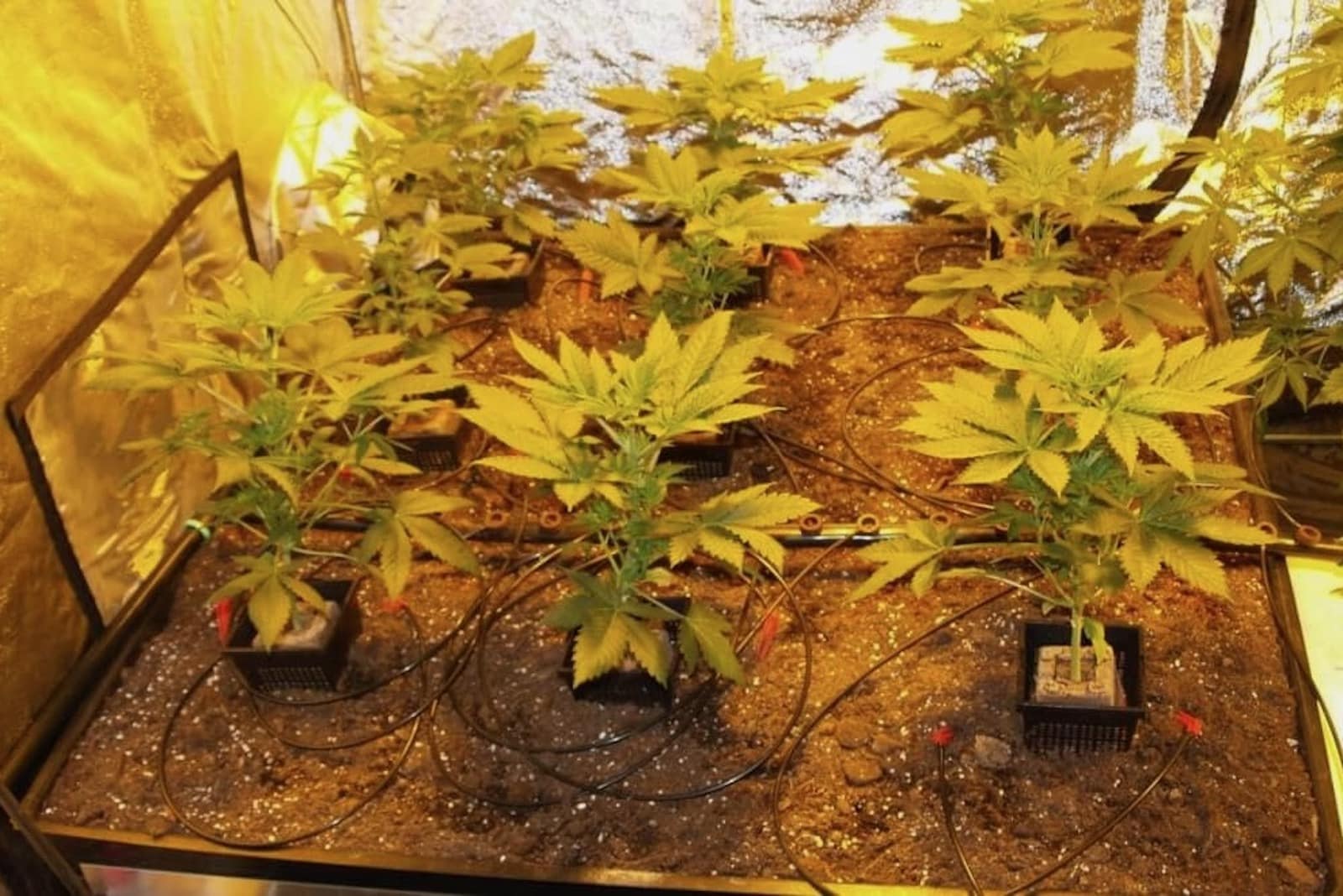
Very high evaporation can be expected in warm weather. This will concentrate nutrient salts and over-fertilization can occur more quickly. These are only trade show plants. The soil tray is far too shallow for adequate root development. Even with deeper soil, this open, quick-drying soil should be covered with appropriate sheeting over a large area. With heavy soil prone to waterlogging, this would be counterproductive.
Was dich auch interessieren könnte...

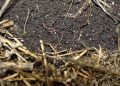
Photo in Article:
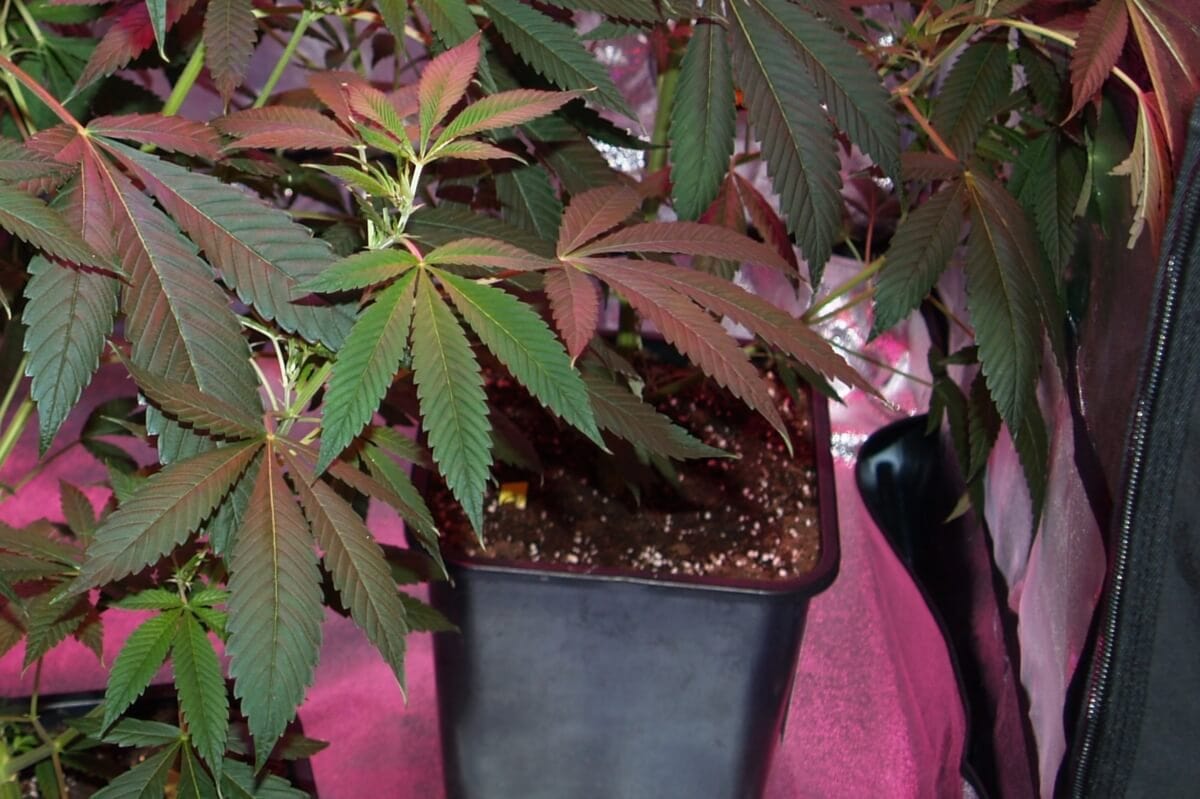
Proper watering means plants find both moisture and air in the soil or around the roots. The pH value in both irrigation water and soil must be appropriate. Temperatures must also be correct. Roots shouldn’t be exposed to too few or too many nutrients.
Everything appears appropriate here. The plants look healthy and the soil is even dry at the edges with moisture only in the center. This suggests the soil interior is probably optimally moist.