
📑 Inhaltsverzeichnis
Anyone growing hemp outdoors who’s told that cannabis grows well everywhere like a weed should question this critically: Will sandy soil have enough water in summer to prevent plants from drying out? Will hemp flowers grown in poor soil have the same potency as those grown in good topsoil? Will hemp roots be able to break through clay soil?
Outdoor Growing Considerations: Soil Differences
Not only sufficient sunlight, but also the right soil is very important for hemp cultivation. Hemp grows well wherever nettles grow. However, some of these soils are poor and hemp grows differently. Optimal is black, crumbly topsoil that doesn’t contain too much clay or sand. These soils are also better for grains, as they release more nutrients and better supply plants with water and air in the soil during rain or drought. Furthermore, soil can be too acidic or too hard.

This can be changed by adding dolomite lime: This lime buffers the pH value up into the green range or adjusts it slightly down into this range. Therefore, you can safely give a little more. On sand or clay, the planting hole should be dug out and filled with humus. For clay soils, the planting hole should be deeper and you should look for a spot where it doesn’t get waterlogged when it rains. For sandy soils, spots that receive water when it rains would be better.
Anyone supplementing with synthetic fertilizer or concentrated fertilizer should do so very carefully. Especially during dry periods, plants burn very quickly. It would be better to use compost.
What Soil Does Hemp Need Indoor?
For indoor growing, soil can naturally be brought from outside. However, this also brings pests that will cause far more damage indoors than outdoors. Additionally, outdoor soil is usually not optimal if it’s not prepared. Therefore, high-quality soil should be purchased from grow shops or garden centers. Any soil that’s also suitable for tomatoes should work.

Generally, growing soil is mixed according to similar criteria, and if a fertilizer dealer explains that his fertilizer is suitable for soil, then it’s also suitable for any commercially available growing soil.
What Soil Does Hemp Require Indoor – Are There Differences?
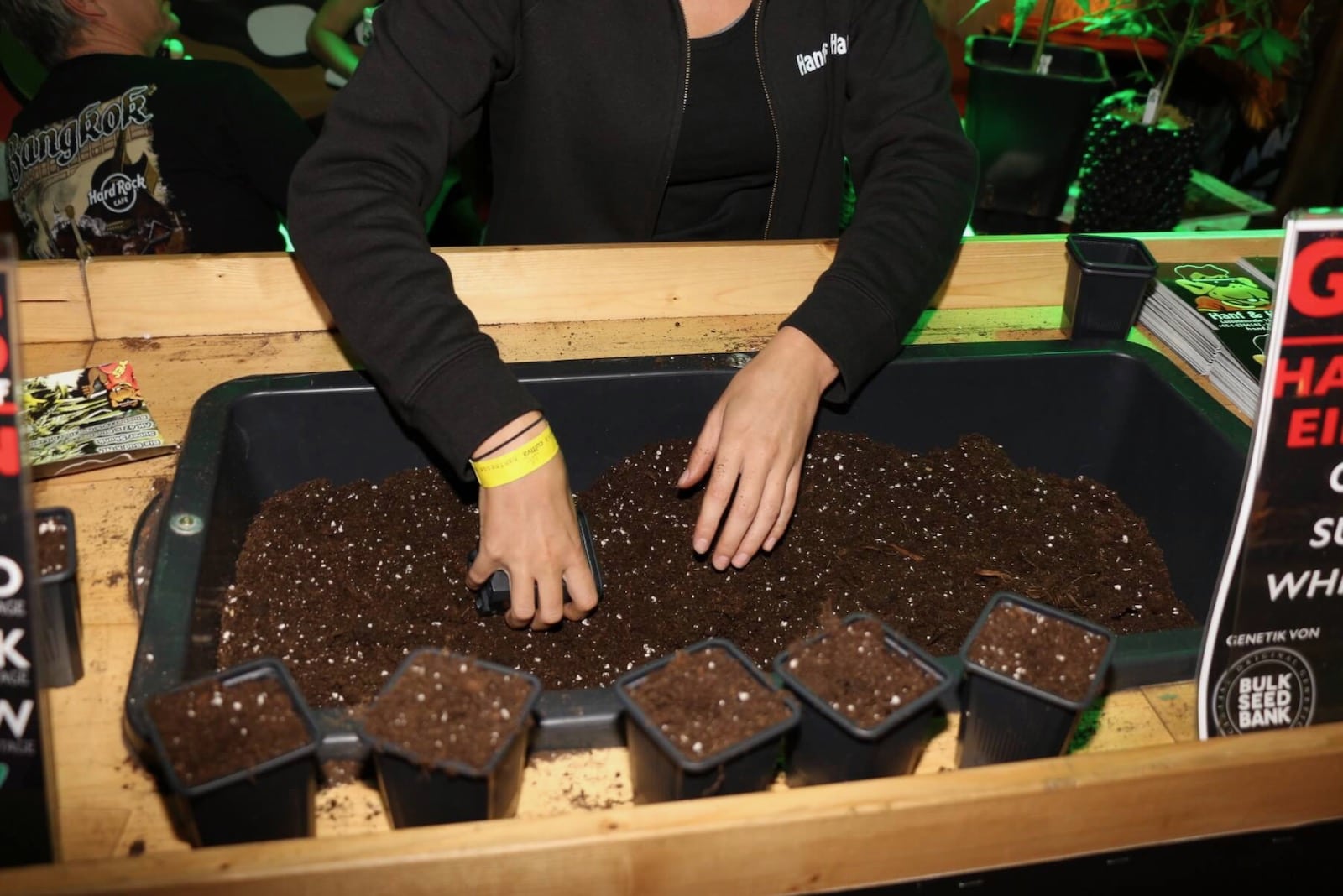
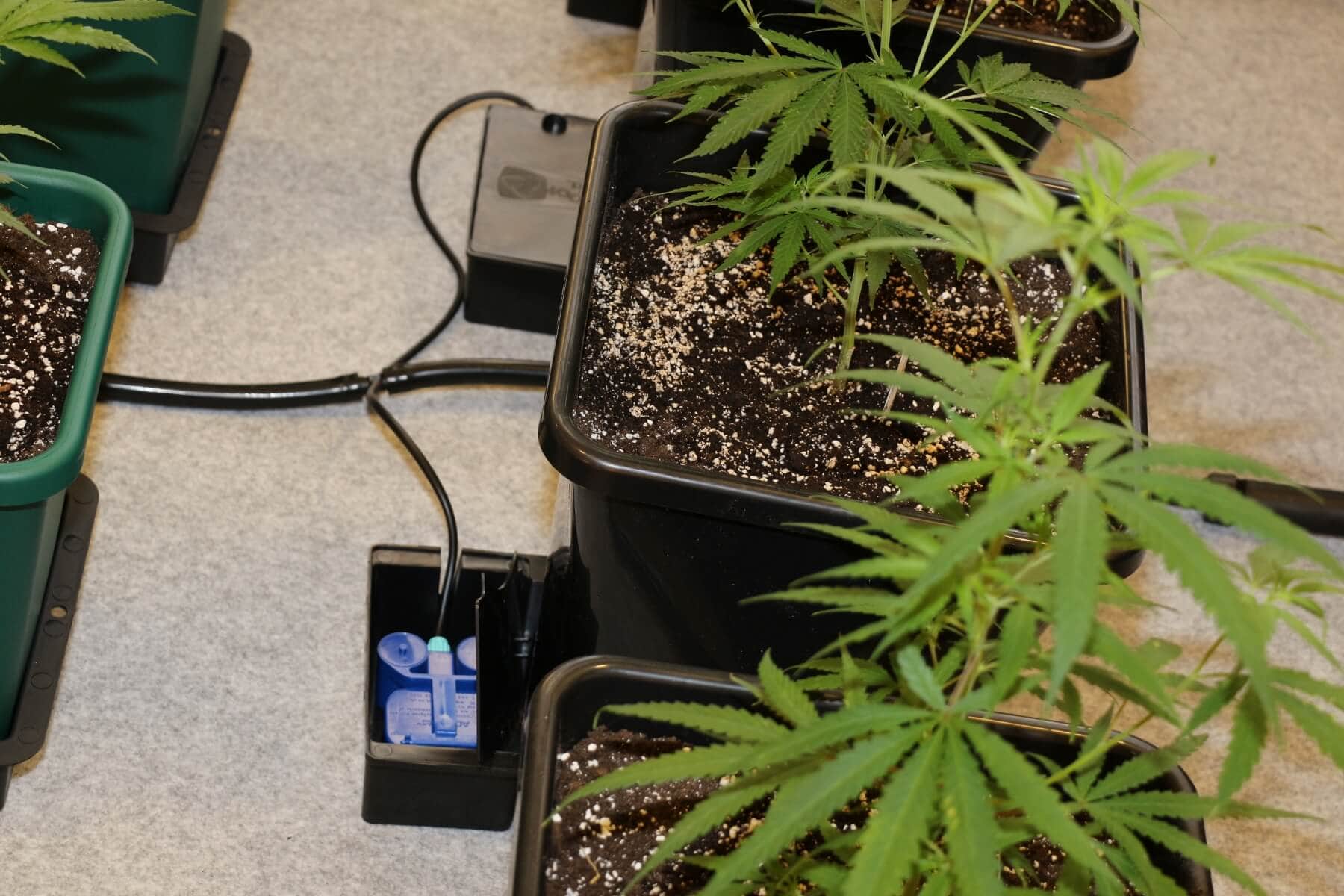
There are significant differences. First, any cheap soil from supermarkets or hardware stores should be avoided. 50 liters should cost around 10 euros or more, otherwise the soil is very likely inferior quality. Furthermore, there are soils that are more airy or denser. Anyone working in a basement with low evaporation should choose growing soil with many perlites. Those who fear strong evaporation under the roof should choose growing soil with a low proportion of perlites. These are meant to hold air in the soil, even when watered wet. However, if the soil dries out too quickly, this is counterproductive.
Which Soil? Unfertilized or Pre-fertilized?
Almost every growing soil manufacturer offers pre-fertilized growing soil and most offer lightly or unfertilized growing soil. Which soil is better? For sowing or young plants, there should be little fertilizer in the soil, and when sowing, no fertilizer should be used, and little should be used in pre-flowering. Only from flowering do plants need more fertilizer, mainly from the third week. Depending on the fertilizer manufacturer, they now also need flowering fertilizer. Which soil is better? Anyone using pre-fertilized soil should not fertilize for the first weeks or fertilize significantly less. Those who want to fertilize directly should use lightly pre-fertilized growing soil.
Differences to Coco and Clay Pebbles: Which Soil is Better?
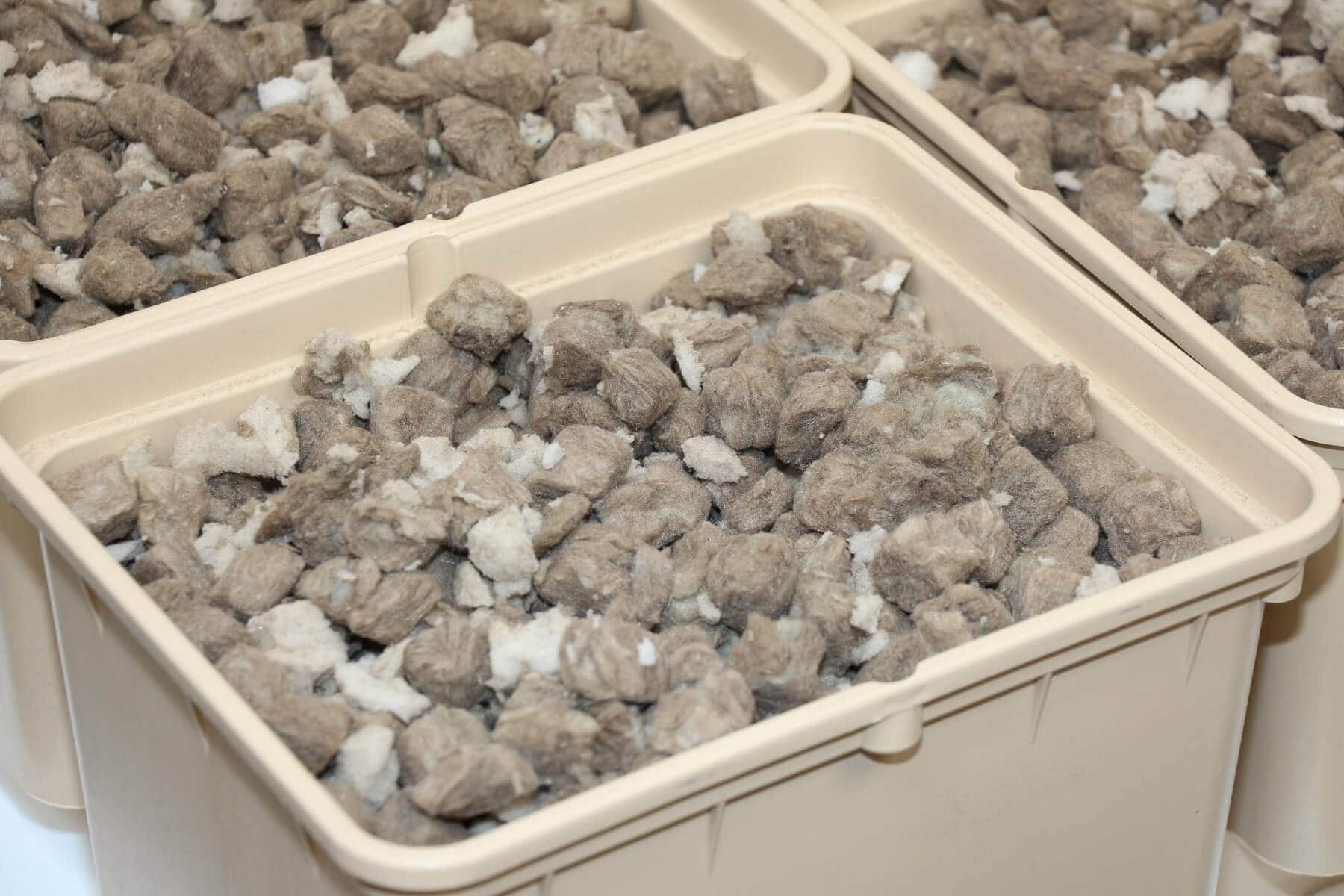
Besides normal growing soil, which usually contains a good portion of light and dark peats, there are also coco and CoGr, made from coconut shells, or clay pebbles and seramis, which are fired from clay. Just like rockwool, flow mats, or other growing possibilities, these are different growing mediums that don’t match soil. Here, you should water even more so that part of the water flows through the pots and is either diluted and watered again or disposed of. Watering occurs multiple times during lighting, here automation with an irrigation system should be used and the appropriate fertilizer should be chosen.
Was dich auch interessieren könnte...

There are fertilizer manufacturers whose fertilizers are suitable for multiple growing mediums and others who manufacture separate fertilizers for each. Furthermore, with coco and clay pebbles, careful attention should be paid to pH value. This is more stable with growing soil and needs less adjustment here. With finished growing soil, the pH value will already be right for starting at about pH 6. Hesi soil fertilizer has the advantage that it automatically pushes the pH value in the irrigation water into the green range and no pH measuring devices are necessary.
Additionally, depending on the fertilizer manufacturer, you should distinguish between pre-flowering and flowering. Then you must also pay attention to what initial quality the irrigation water has. Groundwater in rural regions is often heavily contaminated with nitrate and would need to be diluted beforehand with rainwater or partially desalinated. Fertilizing with liquid manure and/or synthetic fertilizer over decades becomes increasingly noticeable over time, unfortunately to our disadvantage. Possibly the pH value would be so unsuitable that the source water would also need to be treated or adjusted. Here, however, the question is less about which soil to use, but what values the source irrigation water has. This would be even more crucial for hydroponic or aeroponic systems.
Which soil you use therefore depends on the initial situation. For beginners and small growing operations, however, soil is easier and can be realized with lower cost than if a complete irrigation system and water collection system must be set up for hydroponics.