
📑 Inhaltsverzeichnis
The typical outdoor hemp grower starts from seeds because they can’t obtain quality clones. This situation differs for those living near borders compared to growers with longer travel distances to access supplies. Anyone who can obtain suitable hemp plants, such as outdoor clones, should use them. There are various approaches to outdoor planting, and we’ll present several methods and tips for hemp cultivation below.
Pre-growing Hemp Plants Indoors Before Transplanting
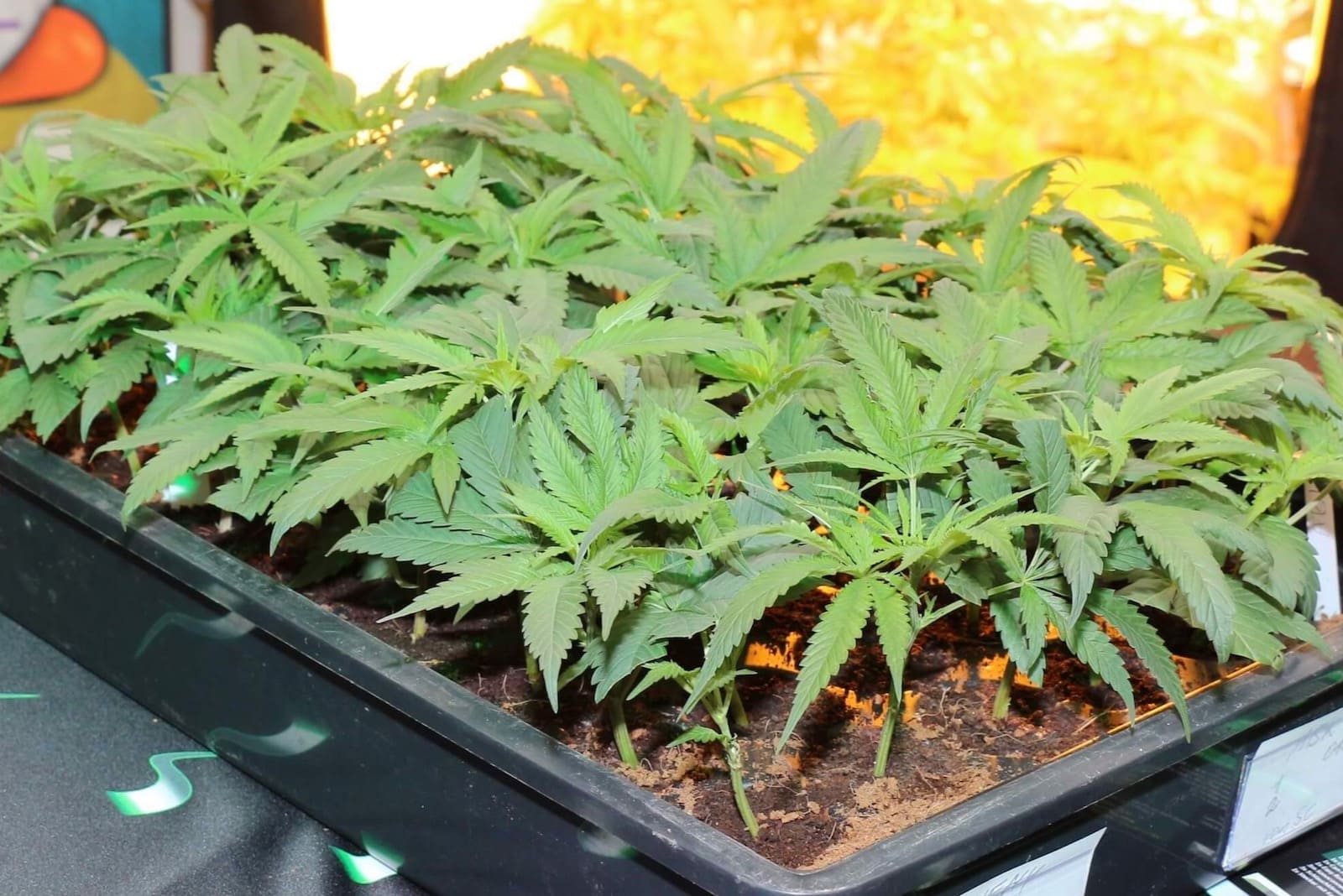
However, hemp plants are usually not planted in one’s own garden where seeds might be sown or clones transplanted from mid-May onwards. Especially outdoor guerrilla growers seek hidden and inaccessible locations. In these spots, plants face more challenges and receive less care. Seeds should then be started indoors or in a greenhouse and pre-grown. For the vegetative growth phase, marijuana plants require at least 18 hours of light per day, except for autoflower strains. Autoflower genetics automatically enter flowering regardless of light duration and aren’t available as clones. They should only be pre-grown for three to four weeks before outdoor planting.

Outdoor clones should also be pre-grown. Hemp plants should reach a size of at least 30 to 50 cm before being transplanted outdoors. This should only happen, regardless of region, when night frosts are no longer expected. These are practically fatal to hemp plants in virtually every development stage. Those living at higher elevations or further north should wait somewhat longer. However, there are locations where outdoor hemp can be planted somewhat earlier.
A key reference point is mid-May, when the risk of late frosts typically passes. Night frosts can occur until this point, after which hemp stands more securely. Generally speaking, outdoor hemp shouldn’t be planted before mid-May, though this may vary by two weeks earlier or later depending on region or location. Outdoor hemp seeds shouldn’t be pre-grown for longer than 4 to maximum 8 weeks, outdoor clones for 3 to maximum 6 weeks. Hemp plants should reach a certain size but not become too large for transplanting.
How Should Hemp Be Planted Outdoors?
Many beginner growers are overzealous with their marijuana plants, causing more harm than benefit. Inexperienced outdoor hemp growers are no exception. They start seeds in February and transplant plants in April to get more from the growing year. Plants transplanted a month later don’t suffer „climate damage.“ They develop faster and are often the larger outdoor plants at harvest time. If weather is too harsh because it’s too early in the year, hemp plants suffer permanent damage or die. Additionally, outdoor hemp shouldn’t simply be planted anywhere. It needs water-retentive but not waterlogged humus soil. Sand or clay won’t work; it should be black, crumbly topsoil. If the soil isn’t perfect, an excavation can be made and backfilled with quality soil.

Weather and UV Light
Planting should always occur during cloudy, rainy weather so plants can process the shock and establish roots. Planting in bright sunshine, even with watering, causes plants to suffer and lag behind. It’s normal for indoor hemp plants transplanted outdoors to have old leaves turn white and die off. Plants must acclimate to UV light but continue growing. Those with the opportunity can periodically place indoor marijuana seedlings outside during good weather so they’re already accustomed to UV light by outdoor planting day. Dolomite lime can also be added to and around the planting hole. Even outdoors, fertilization should be cautious. Hemp plants can be set deeper in the planting hole outdoors; they lose height but roots are closer to water sources.
Was dich auch interessieren könnte...
The planting hole can finish as a depression so water doesn’t run off during watering. Additionally, a layer of clay excavation material can be placed over the humus soil in the planting hole to reduce evaporation from the high-evaporation humus. A bark mulch layer would also be beneficial. Those concerned about excess moisture should plant on a mound instead. It’s also crucial that plants receive sunlight, so planting sites shouldn’t be shaded to the southeast, and outdoor hemp plants mustn’t be overgrown by other vegetation during summer.
Which Hemp to Plant Outdoors?
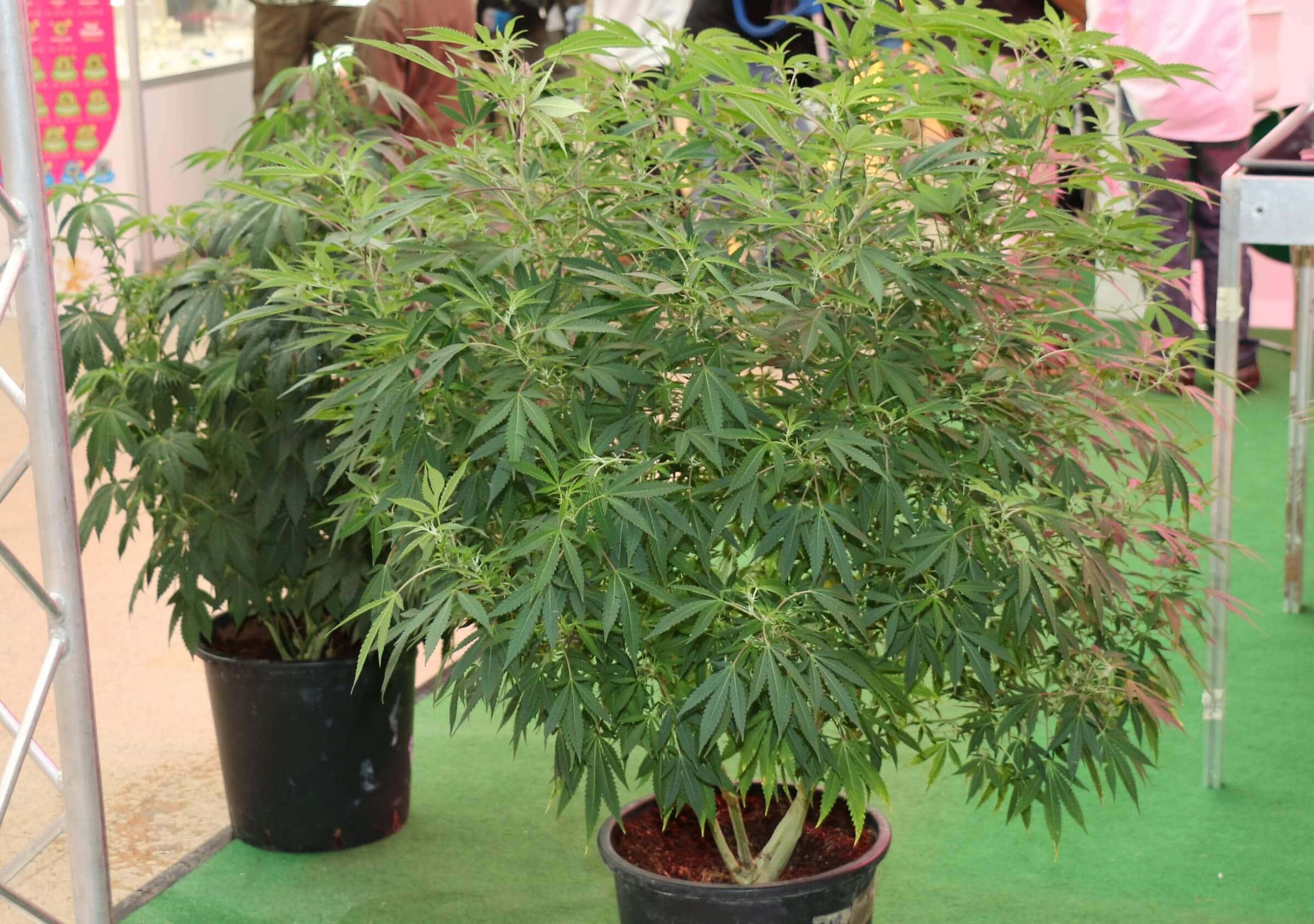
Many outdoor growers repeatedly make the mistake of planting hemp outdoors that isn’t suitable for outdoor cultivation. Many marijuana strains are only suitable for indoor growing or warm outdoor regions with adequate water or climate-controlled greenhouses. If marijuana plants don’t finish in fall, no matter how large and lush they are, they can only be processed into hemp tea or smoking blend. To enable fall harvesting, only suitable outdoor hemp plants should be used. Seed banks or clone suppliers indicate in their descriptions whether hemp plants are suitable for outdoor growing and what considerations apply to outdoor hemp cultivation with specific strains.
Autoflower genetics are practically always suitable for outdoor hemp cultivation since they begin flowering regardless of day length. With regular genetics, hemp varieties that finish by late September should be preferred. Those unable to purchase clones should choose feminized hemp seeds for outdoor cultivation. Especially in outdoor marijuana cultivation, it’s devastating to destroy well-developed plants at the beginning of flower formation because they’re male or hermaphroditic. Even if everything else works 100% correctly, outdoor hemp cultivation, like any marijuana cultivation, can only succeed with the right strains.