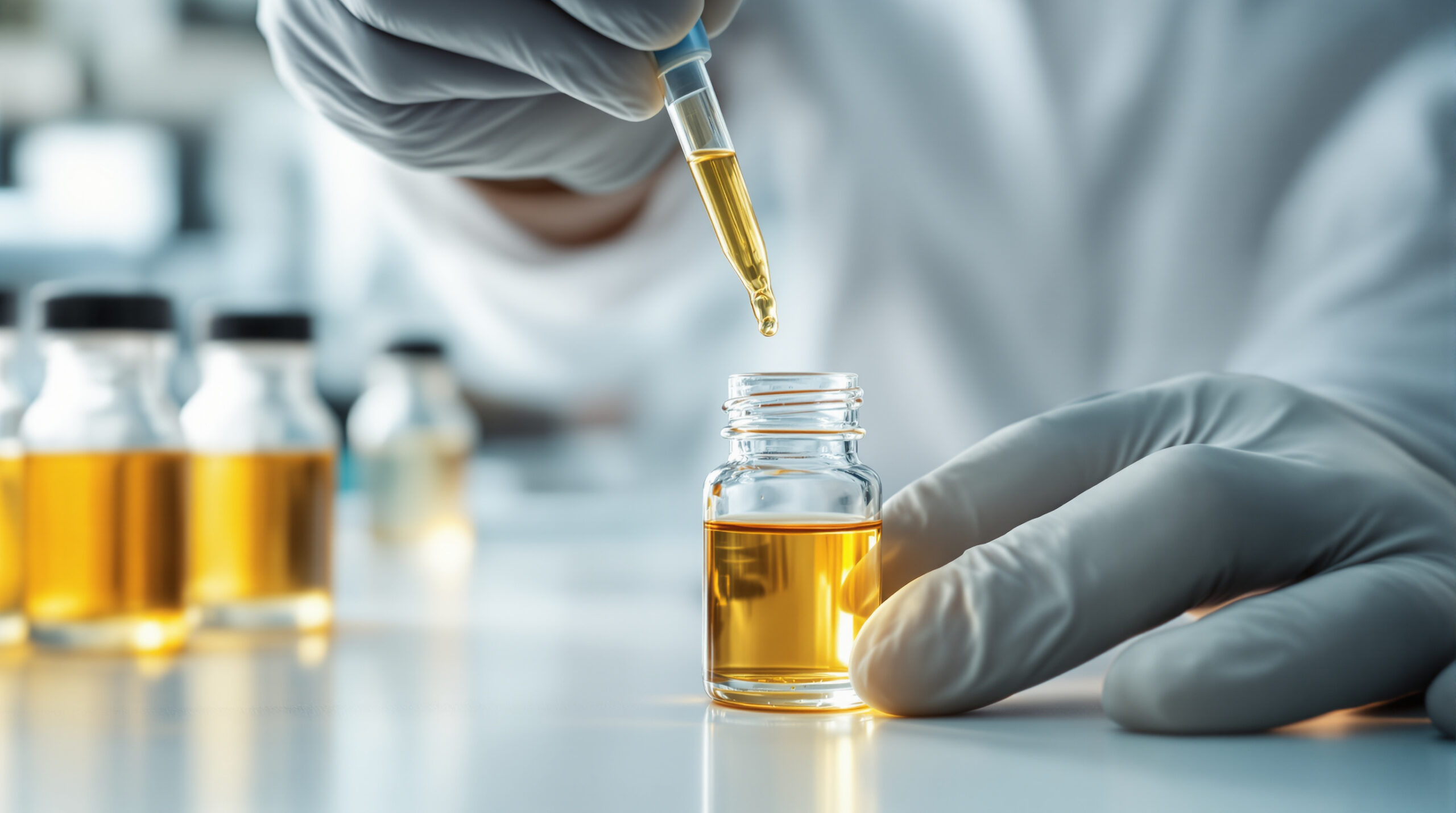
A pilot study from the endometriosis center at Charité hospital investigated oral cannabis extracts in women with therapy-resistant endometriosis pain. After three months, participants reported lower pain levels, fewer pain days, and reduced pain medication use. The study was small and had no control group, but it provides prospective data from a major German university medical center.
📑 Inhaltsverzeichnis
Study Design: How the Charité Research Was Structured

The research appeared on September 22, 2026, in the journal PLOS One. Lead author is Janosch Kratz, with senior author Sylvia Mechsner, the center’s director. Between November 2023 and May 2025, the team enrolled 30 women with confirmed endometriosis. All had suffered from chronic lower abdominal pain for at least three months that did not adequately respond to hormone therapy and pain medications. Twenty-seven women completed the three-month study. One discontinued during dose escalation due to side effects, and two stopped filling out questionnaires.
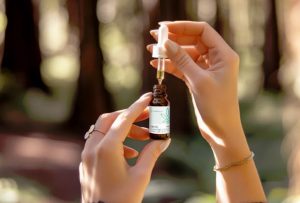
Participants averaged just under 33 years of age. About 80 percent received hormone therapy, and seven were taking opioids at baseline. The extract was added to ongoing treatment, which remained unchanged. It contained THC and CBD in a balanced ratio. After four weeks of slow dose escalation, the daily dose reached approximately 10 milligrams of THC and 12 milligrams of CBD, split between morning and evening doses. This dose remained stable over the three months. All data were collected through online questionnaires. For more context on how this approach differs from earlier recommendations, see our previous overview on treating endometriosis with CBD oil and medical cannabis.


Results: Pain Intensity, Pain Days, and Medication Use

Median pain intensity on a 0-to-10 scale dropped from 6.8 to 5.2 after one month. At three months, it was 4.9. The reduction in frequency was even more pronounced. At baseline, women reported a median of 30 pain days per month—essentially daily pain. After three months, this fell to 17 days. The number of days on which pain medications were used also decreased significantly. This applied to nonsteroidal anti-inflammatory drugs like ibuprofen as well as opioids. We see similar signals from other indications, such as the analysis of medical cannabis versus opioids in 3,500 patients.
The team had set a primary goal of a 15-point improvement in the pain domain of the EHP-30 questionnaire, which measures disease-related quality of life on a 0-to-100 scale. This score fell from 59.3 to 38.4—a decrease of roughly 21 points. Other domains also improved, including loss of control, emotional well-being, work capacity, self-image, and sexuality. Additionally, participants showed lower scores for exhaustion, anxiety, and central sensitization. Central sensitization is thought to be one reason why endometriosis pain often responds poorly to standard pain medications.
Side Effects: Drowsiness and Concentration Issues in About 60 Percent

The authors describe the treatment as well-tolerated. This characterization warrants closer examination. Nearly all participants reported at least one side effect. Drowsiness, concentration problems, and memory issues persisted at around 60 percent throughout the study period, with severity mostly mild. Nausea decreased from roughly 30 to approximately 15 percent. Anxiety and panic decreased from 26 to 4 percent. One exclusion criterion is particularly revealing: women who frequently drive or operate machinery were not permitted to participate. For many patients in everyday life, this would be the decisive question.
Assessment: What This Pilot Study Cannot Show
The study had no placebo group and no blinding. All results are based on self-reports. In chronic pain research, placebo effects are known to be substantial. This is especially true for patients who, after many unsuccessful attempts, specifically seek cannabis therapy. The team itself acknowledges these limitations and describes the work as exploratory. It aimed to assess feasibility and tolerability, not to prove efficacy. The authors report no funding or conflicts of interest.
The findings align with observational data from other countries. We previously reported on the analysis from the UK registry after two years of cannabis therapy for endometriosis. There, too, comparison with a control group was absent. For Germany, however, this work is relevant. Endometriosis affects roughly one in ten women of reproductive age, and reimbursement by statutory health insurance requires robust evidence. Why this often fails in routine care is described in our report on pain specialists‘ criticism of the regulations for prescription cannabis. The next step, as the study itself notes, is a larger, randomized, controlled trial.
Frequently Asked Questions
Does the study prove that cannabis works for endometriosis?
No. This is a pilot study with 27 evaluated participants and no placebo group. It shows that symptoms improved during treatment. Whether the extract was responsible cannot be determined with this design.
What preparation was used in the Charité study?
A standardized oral cannabis extract with a balanced ratio of THC and CBD was used. The target dose after four weeks of dose escalation was approximately 10 milligrams of THC and 12 milligrams of CBD per day. This is a study specification and not a dosing recommendation.
What side effects occurred?
The most common were drowsiness and concentration or memory problems, reported by around 60 percent of women throughout the entire study period. Nausea, anxiety, and increased heart rate occurred less frequently and declined over time. One participant discontinued treatment due to side effects.
Can patients with endometriosis obtain cannabis prescriptions in Germany?
In principle, yes, if a physician considers the therapy appropriate. Whether statutory health insurance covers the costs depends on the individual case and the requirements of the Social Code. The decision to pursue treatment always rests with the treating physician.
What are the next steps in this research?
The Charité team calls for larger randomized, controlled trials to verify the results and clarify dosing. Open questions also include long-term tolerability and efficacy beyond three months.
Sollte Cannabis als Therapie bei Endometriose erstattungsfähig werden?
Source: Kratz JW, Voltolini Velho R, Bock S, Sehouli J, Mechsner S: Evaluating the impact of cannabinoid extracts on chronic pain and quality of life in endometriosis patients, a pilot study. PLOS One, September 22, 2026, DOI 10.1371/journal.pone.0356768.




Branchen-Update
News, Analysen und Reportagen — mehrmals im Monat direkt in dein Postfach.