
Since October 1, physicians can bill for cannabis authorization statements less frequently. The reason: thousands of patients must switch medications following the discontinuation of reimbursed cannabis flowers. The rating committee is responding with a consequence that could create challenges for medical practices.
📑 Inhaltsverzeichnis
What’s Changing
This concerns billing position 01626 under Germany’s unified fee schedule (EBM). It reimburses physicians for the medical statement submitted to health insurers when requesting approval to prescribe cannabis medications.
- The point value remains unchanged at 143 points, equivalent to 18.22 euros.
- Billing frequency has decreased: Starting October 1, the position can be billed a maximum of three times per case, down from four times previously.
- Exemptions from approval requirements remain intact, such as in palliative care and for certain medical specialties.
The Timing Behind the Change
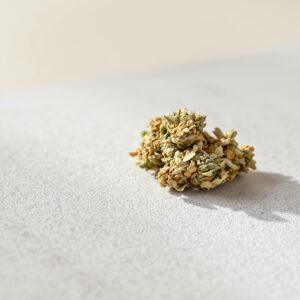
The catalyst is the end of reimbursement for dried cannabis flowers. Since late July, they are no longer eligible for prescription coverage under statutory health insurance. Patients previously receiving flowers who need to continue cannabis treatment must now switch to extracts or finished pharmaceutical products—which typically requires a new insurance approval.


This surge in approval requests coincides with newly capped billing limits. The rating committee is responding to a situation it didn’t create, but shifting the consequences to medical practices: the workload per patient increases while the number of billable statements decreases.
Practical Implications
For practices with few cannabis patients, little changes. The ceiling becomes relevant where many patients must transition in a short timeframe—particularly in pain management and palliative-focused practices. Practices needing multiple attempts with a single patient (for instance, if an extract isn’t tolerated and another must be requested) will hit the limit faster than before.
Adding to this is the economic pressure physicians already face: new finished pharmaceutical products are significantly more expensive than previous extracts, and these costs factor into efficiency reviews. Palliative physician Sven Gottschling estimates the difference at roughly 200 euros monthly for many extracts compared to approximately 750 euros for new preparations.
We’ve detailed how the broader reimbursement dispute is unfolding in our report on legal challenges to the GKV flower discontinuation. The limited support courts have provided to affected patients is evident from the Leipzig Social Court’s ruling, which found that prior approvals offer no protection against the flower ban.
Analysis
This adjustment is a minor technical change with an uncomfortable logic. The legislature removes a therapy from coverage, the transition creates bureaucracy, and reimbursement for that bureaucracy is capped simultaneously. For patients, nothing changes directly—but indirectly, quite a bit does. As administrative burden makes cannabis practice less attractive, physicians‘ willingness to handle complex individual cases declines. And following the flower discontinuation, there are many such cases to manage.
Note: This article reflects the status as of October 8, 2026 and is not legal, billing, or medical advice. The determinations of the rating committee and guidelines from the respective physician association are authoritative. The choice and continuation of therapy is determined exclusively by the treating physician.
Sources: German Medical Association (KBV), practice bulletin „Cannabis Prescriptions: EBM Adjusted October 1“ from September 24, 2026; German Medical Journal, „EBM for Cannabis Prescriptions Adjusted October 1“; Cannabis Industry Association newsletter from September 29, 2026; statement from Prof. Dr. Sven Gottschling in the cited interview; original reporting.





Bist du von der Umstellung der Cannabisblüten auf Extrakte betroffen?
Branchen-Update
News, Analysen und Reportagen — mehrmals im Monat direkt in dein Postfach.
Folge uns