Question 10, Self-Protection for Patients
What one thing should patients receiving medicinal cannabis ask their pharmacy before dispensing as pragmatic self-protection while regulatory harmonization is still pending?
Dr. Veit: Patients have a clear entitlement to flowers of adequate quality, particularly given the risks just described. This is ensured primarily where flowers are manufactured with appropriate hygiene measures and quality assurance concepts and therefore require no decontamination at all. This can also be reflected in the price.
With very low-priced flowers, the probability is significantly higher that they reached the market through GMP-washing or other inappropriate manufacturing processes. Pragmatically, this means: anyone who wants genuine self-protection should not rely exclusively on price and should ask the pharmacy where the flowers come from and how the manufacturer ensures microbiological quality.


Publication Note: The interview was conducted in writing and reviewed by Dr. Markus Veit for approval before publication. Answers were edited for readability without changing the speaker’s position. Substantively, the statements reflect the work of the DPhG Expert Working Group on Medical Cannabis (co-chairs Veit/Alban) and the Request for Revision of the Cannabis monograph submitted by the group to EDQM Group 13B. Further information: Alphatopics Webinar on 07.21.2026 · EMA Reflection Paper HMPC/95714/2013 (PDF at ema.europa.eu). The Request for Revision has been publicly documented since May 21, 2026 on Dr. Veit’s LinkedIn.
Question 8, Pharmacy Plausibility Check
What role does the pharmacy-side plausibility check play when placing decontaminated cannabis flowers on the market, and what should pharmacists concretely check in practice before each dispensing, beyond the standard testing protocol?
Dr. Veit: Since pharmacies formally act as persons placing products on the market, they must rely on the diligence of the releasing QP, while simultaneously demanding more actively than the standard testing protocol provides. Concretely: the analysis certificate should indicate whether decontamination took place and whether it was performed in a GMP-compliant manner.
Pharmacies should comprehensively qualify their suppliers. Ideally, three pieces of information are established before each order. First, that cultivation followed GACP, with the name of the cultivation facility. Second, that post-harvest processing, drying, trimming occurs under GMP in the country of origin, and that the cultivation facility itself has a GMP manufacturing authorization, not just the importer. This can be researched in the EMA’s EUDRA-GMDP database. You quickly see there that some countries have no such certified facilities at all—Lesotho, for example—and that many Canadian flowers offered on the German market come from growers without their own GMP manufacturing authorization. And third: whether decontamination occurred, which procedure was used, and whether the decontamination facility has the necessary GMP authorization.
Serious suppliers should provide these documents as downloads on their homepage. Flowers whose microbial load does not meet Category B of Chapter 5.1.8 lack appropriate quality. Dispensing so-called short runners that exceed these limits endangers patients and, in my view, violates the due diligence obligations of the pharmacy operating regulations.
Question 9, EU Harmonization
EU harmonization of requirements is a stated goal of your webinar. How far along are Germany, Austria, the Netherlands, Czechia, and Switzerland in mutual recognition or joint assessment of decontamination procedures, and where do you see the shortest path to uniform practice?
Dr. Veit: A first important step would be supplementing a Production Statement in the Ph. Eur. monograph on cannabis flowers, as we proposed in our Request for Revision to the EDQM. The monograph’s requirements are binding in all EU member states, so this would be directly effective EU-wide.
In Germany, the upcoming MedCanG amendment could additionally link the authorization issued by the BfArM to the requirement that flower manufacture beginning with drying occurs under GMP. This would automatically make all microbial-reducing measures GMP-dependent. We have already submitted a corresponding request.
In parallel, our expert working group at the DPhG is working on a comprehensive white paper that should serve as guidance for regulatory authorities, QPs, and pharmacies on one hand and initiate broader discussion within the professional community on the other.
Question 10, Self-Protection for Patients
What one thing should patients receiving medicinal cannabis ask their pharmacy before dispensing as pragmatic self-protection while regulatory harmonization is still pending?
Dr. Veit: Patients have a clear entitlement to flowers of adequate quality, particularly given the risks just described. This is ensured primarily where flowers are manufactured with appropriate hygiene measures and quality assurance concepts and therefore require no decontamination at all. This can also be reflected in the price.
With very low-priced flowers, the probability is significantly higher that they reached the market through GMP-washing or other inappropriate manufacturing processes. Pragmatically, this means: anyone who wants genuine self-protection should not rely exclusively on price and should ask the pharmacy where the flowers come from and how the manufacturer ensures microbiological quality.
Publication Note: The interview was conducted in writing and reviewed by Dr. Markus Veit for approval before publication. Answers were edited for readability without changing the speaker’s position. Substantively, the statements reflect the work of the DPhG Expert Working Group on Medical Cannabis (co-chairs Veit/Alban) and the Request for Revision of the Cannabis monograph submitted by the group to EDQM Group 13B. Further information: Alphatopics Webinar on 07.21.2026 · EMA Reflection Paper HMPC/95714/2013 (PDF at ema.europa.eu). The Request for Revision has been publicly documented since May 21, 2026 on Dr. Veit’s LinkedIn.
Question 7, Liability in the Supply Chain
Responsibilities in the supply chain from cultivation to dispensing in the pharmacy are currently unevenly distributed. Who is realistically liable in case of damage: the cultivation facility, the distributor, the certifying QP, or ultimately the dispensing pharmacy?
Dr. Veit: GMP responsibility for qualification and process validation of decontamination procedures clearly rests with the holder of the manufacturing authorization, not the client; this follows unquestionably from Annex 15 of the EU GMP Guideline. Whoever omits product-specific validation of decontamination commits a serious GMP violation in direct conflict with their own manufacturing authorization. Additionally, § 13 Para. 5 AMWHV in conjunction with § 14 Para. 1 No. 6a AMG expressly requires working according to the state of science and technology.
Legal responsibility for GMP-compliant manufacture lies with the person placing the product on the market and the releasing Qualified Person. Within batch release under § 16 AMWHV, all quality-assuring measures must be subject to assessment. § 17 AMWHV makes clear that testing encompasses not only active ingredient analytics but all inspections necessary for product quality. Decontamination procedures are critical process steps and must therefore be evaluated by the QP during each batch certification.
My position is clear: batches whose decontamination was not properly performed must not be released. Our expert working group is currently creating a white paper to clarify the situation for regulatory authorities, QPs, and pharmacies.
„Batches whose decontamination was not properly performed must not be released.“
Dr. Markus Veit · Alphatopics GmbH
Question 8, Pharmacy Plausibility Check
What role does the pharmacy-side plausibility check play when placing decontaminated cannabis flowers on the market, and what should pharmacists concretely check in practice before each dispensing, beyond the standard testing protocol?
Dr. Veit: Since pharmacies formally act as persons placing products on the market, they must rely on the diligence of the releasing QP, while simultaneously demanding more actively than the standard testing protocol provides. Concretely: the analysis certificate should indicate whether decontamination took place and whether it was performed in a GMP-compliant manner.
Pharmacies should comprehensively qualify their suppliers. Ideally, three pieces of information are established before each order. First, that cultivation followed GACP, with the name of the cultivation facility. Second, that post-harvest processing, drying, trimming occurs under GMP in the country of origin, and that the cultivation facility itself has a GMP manufacturing authorization, not just the importer. This can be researched in the EMA’s EUDRA-GMDP database. You quickly see there that some countries have no such certified facilities at all—Lesotho, for example—and that many Canadian flowers offered on the German market come from growers without their own GMP manufacturing authorization. And third: whether decontamination occurred, which procedure was used, and whether the decontamination facility has the necessary GMP authorization.
Serious suppliers should provide these documents as downloads on their homepage. Flowers whose microbial load does not meet Category B of Chapter 5.1.8 lack appropriate quality. Dispensing so-called short runners that exceed these limits endangers patients and, in my view, violates the due diligence obligations of the pharmacy operating regulations.
Question 9, EU Harmonization
EU harmonization of requirements is a stated goal of your webinar. How far along are Germany, Austria, the Netherlands, Czechia, and Switzerland in mutual recognition or joint assessment of decontamination procedures, and where do you see the shortest path to uniform practice?
Dr. Veit: A first important step would be supplementing a Production Statement in the Ph. Eur. monograph on cannabis flowers, as we proposed in our Request for Revision to the EDQM. The monograph’s requirements are binding in all EU member states, so this would be directly effective EU-wide.
In Germany, the upcoming MedCanG amendment could additionally link the authorization issued by the BfArM to the requirement that flower manufacture beginning with drying occurs under GMP. This would automatically make all microbial-reducing measures GMP-dependent. We have already submitted a corresponding request.
In parallel, our expert working group at the DPhG is working on a comprehensive white paper that should serve as guidance for regulatory authorities, QPs, and pharmacies on one hand and initiate broader discussion within the professional community on the other.
Question 10, Self-Protection for Patients
What one thing should patients receiving medicinal cannabis ask their pharmacy before dispensing as pragmatic self-protection while regulatory harmonization is still pending?
Dr. Veit: Patients have a clear entitlement to flowers of adequate quality, particularly given the risks just described. This is ensured primarily where flowers are manufactured with appropriate hygiene measures and quality assurance concepts and therefore require no decontamination at all. This can also be reflected in the price.
With very low-priced flowers, the probability is significantly higher that they reached the market through GMP-washing or other inappropriate manufacturing processes. Pragmatically, this means: anyone who wants genuine self-protection should not rely exclusively on price and should ask the pharmacy where the flowers come from and how the manufacturer ensures microbiological quality.
Publication Note: The interview was conducted in writing and reviewed by Dr. Markus Veit for approval before publication. Answers were edited for readability without changing the speaker’s position. Substantively, the statements reflect the work of the DPhG Expert Working Group on Medical Cannabis (co-chairs Veit/Alban) and the Request for Revision of the Cannabis monograph submitted by the group to EDQM Group 13B. Further information: Alphatopics Webinar on 07.21.2026 · EMA Reflection Paper HMPC/95714/2013 (PDF at ema.europa.eu). The Request for Revision has been publicly documented since May 21, 2026 on Dr. Veit’s LinkedIn.
Question 6, Minimum Data
What minimum data from qualification, process validation, and stability studies should an importer or distributor now definitively request from their decontamination partner, and what do you actually see on the table in practice?
Dr. Veit: Decontamination procedures are fundamentally critical manufacturing steps. They require complete GMP qualification of equipment and facilities as well as GMP-compliant process validation with two data levels.
At the process level, reproducible microbial reduction on actual, contaminated flowers must be demonstrated, the log-reduction across different batches with different morphology and microbial load, for bacteria, fungi, and spores. At the product level, it must be demonstrated that the procedure has no quality-reducing effects: trichome integrity, cannabinoid and terpene content and fingerprint, water content, water activity, no secondary microbial growth, adequate stability. Important: data obtained with other materials such as foodstuffs cannot be transferred to cannabis flowers.
What I see in practice is discouraging: these homework assignments are properly done in the rarest of cases. Particularly abroad, decontamination frequently occurs in facilities not subject to GMP oversight. If an importer or distributor does not request this data in detail from the decontamination partner, they are importing a product whose critical manufacturing step is uncontrolled.
Question 7, Liability in the Supply Chain
Responsibilities in the supply chain from cultivation to dispensing in the pharmacy are currently unevenly distributed. Who is realistically liable in case of damage: the cultivation facility, the distributor, the certifying QP, or ultimately the dispensing pharmacy?
Dr. Veit: GMP responsibility for qualification and process validation of decontamination procedures clearly rests with the holder of the manufacturing authorization, not the client; this follows unquestionably from Annex 15 of the EU GMP Guideline. Whoever omits product-specific validation of decontamination commits a serious GMP violation in direct conflict with their own manufacturing authorization. Additionally, § 13 Para. 5 AMWHV in conjunction with § 14 Para. 1 No. 6a AMG expressly requires working according to the state of science and technology.
Legal responsibility for GMP-compliant manufacture lies with the person placing the product on the market and the releasing Qualified Person. Within batch release under § 16 AMWHV, all quality-assuring measures must be subject to assessment. § 17 AMWHV makes clear that testing encompasses not only active ingredient analytics but all inspections necessary for product quality. Decontamination procedures are critical process steps and must therefore be evaluated by the QP during each batch certification.
My position is clear: batches whose decontamination was not properly performed must not be released. Our expert working group is currently creating a white paper to clarify the situation for regulatory authorities, QPs, and pharmacies.
„Batches whose decontamination was not properly performed must not be released.“
Dr. Markus Veit · Alphatopics GmbH
Question 8, Pharmacy Plausibility Check
What role does the pharmacy-side plausibility check play when placing decontaminated cannabis flowers on the market, and what should pharmacists concretely check in practice before each dispensing, beyond the standard testing protocol?
Dr. Veit: Since pharmacies formally act as persons placing products on the market, they must rely on the diligence of the releasing QP, while simultaneously demanding more actively than the standard testing protocol provides. Concretely: the analysis certificate should indicate whether decontamination took place and whether it was performed in a GMP-compliant manner.
Pharmacies should comprehensively qualify their suppliers. Ideally, three pieces of information are established before each order. First, that cultivation followed GACP, with the name of the cultivation facility. Second, that post-harvest processing, drying, trimming occurs under GMP in the country of origin, and that the cultivation facility itself has a GMP manufacturing authorization, not just the importer. This can be researched in the EMA’s EUDRA-GMDP database. You quickly see there that some countries have no such certified facilities at all—Lesotho, for example—and that many Canadian flowers offered on the German market come from growers without their own GMP manufacturing authorization. And third: whether decontamination occurred, which procedure was used, and whether the decontamination facility has the necessary GMP authorization.
Serious suppliers should provide these documents as downloads on their homepage. Flowers whose microbial load does not meet Category B of Chapter 5.1.8 lack appropriate quality. Dispensing so-called short runners that exceed these limits endangers patients and, in my view, violates the due diligence obligations of the pharmacy operating regulations.
Question 9, EU Harmonization
EU harmonization of requirements is a stated goal of your webinar. How far along are Germany, Austria, the Netherlands, Czechia, and Switzerland in mutual recognition or joint assessment of decontamination procedures, and where do you see the shortest path to uniform practice?
Dr. Veit: A first important step would be supplementing a Production Statement in the Ph. Eur. monograph on cannabis flowers, as we proposed in our Request for Revision to the EDQM. The monograph’s requirements are binding in all EU member states, so this would be directly effective EU-wide.
In Germany, the upcoming MedCanG amendment could additionally link the authorization issued by the BfArM to the requirement that flower manufacture beginning with drying occurs under GMP. This would automatically make all microbial-reducing measures GMP-dependent. We have already submitted a corresponding request.
In parallel, our expert working group at the DPhG is working on a comprehensive white paper that should serve as guidance for regulatory authorities, QPs, and pharmacies on one hand and initiate broader discussion within the professional community on the other.
Question 10, Self-Protection for Patients
What one thing should patients receiving medicinal cannabis ask their pharmacy before dispensing as pragmatic self-protection while regulatory harmonization is still pending?
Dr. Veit: Patients have a clear entitlement to flowers of adequate quality, particularly given the risks just described. This is ensured primarily where flowers are manufactured with appropriate hygiene measures and quality assurance concepts and therefore require no decontamination at all. This can also be reflected in the price.
With very low-priced flowers, the probability is significantly higher that they reached the market through GMP-washing or other inappropriate manufacturing processes. Pragmatically, this means: anyone who wants genuine self-protection should not rely exclusively on price and should ask the pharmacy where the flowers come from and how the manufacturer ensures microbiological quality.
Publication Note: The interview was conducted in writing and reviewed by Dr. Markus Veit for approval before publication. Answers were edited for readability without changing the speaker’s position. Substantively, the statements reflect the work of the DPhG Expert Working Group on Medical Cannabis (co-chairs Veit/Alban) and the Request for Revision of the Cannabis monograph submitted by the group to EDQM Group 13B. Further information: Alphatopics Webinar on 07.21.2026 · EMA Reflection Paper HMPC/95714/2013 (PDF at ema.europa.eu). The Request for Revision has been publicly documented since May 21, 2026 on Dr. Veit’s LinkedIn.
Question 5, Concrete Risks
You mention risks to quality, efficacy, and safety in your webinar announcement. Can you identify at specific parameters what happens to the flower with inadequately validated procedures?
Dr. Veit: Several specific risks are evident with cannabis flowers. First: procedures using ozone, hydrogen peroxide, or cold plasma can generate reactive oxygen species, which in turn can produce genotoxic or mutagenic degradation products. This is particularly relevant for cannabis because terpenes and cannabinoids accumulate in external glandular hairs, the trichomes, protected only by a cuticle that reactive oxygen species easily penetrate. For example, endoperoxides can form from unsaturated terpenes and phenolic cannabinoids, which can be genotoxic in very low concentrations.
Second: most decontamination procedures injure or destroy the trichomes themselves. This leads to loss of volatile terpenes and exposes oxidation-sensitive cannabinoids to atmospheric oxygen, both a quality reduction and a significant impact on flower stability.
Third: with water-vapor procedures, water residues remain in the cavities of the flower buds. This creates secondary microbial growth, particularly mold infestation. This often goes unnoticed at the pharmacy because flower buds are not divided there, which carries the risk of Aspergillus contamination with potentially serious consequences for immunocompromised patients.
And fourth: reduction in microbial counts masks the mycotoxin risk, because mycotoxin occurrence always correlates with elevated fungal microbial counts.
Question 6, Minimum Data
What minimum data from qualification, process validation, and stability studies should an importer or distributor now definitively request from their decontamination partner, and what do you actually see on the table in practice?
Dr. Veit: Decontamination procedures are fundamentally critical manufacturing steps. They require complete GMP qualification of equipment and facilities as well as GMP-compliant process validation with two data levels.
At the process level, reproducible microbial reduction on actual, contaminated flowers must be demonstrated, the log-reduction across different batches with different morphology and microbial load, for bacteria, fungi, and spores. At the product level, it must be demonstrated that the procedure has no quality-reducing effects: trichome integrity, cannabinoid and terpene content and fingerprint, water content, water activity, no secondary microbial growth, adequate stability. Important: data obtained with other materials such as foodstuffs cannot be transferred to cannabis flowers.
What I see in practice is discouraging: these homework assignments are properly done in the rarest of cases. Particularly abroad, decontamination frequently occurs in facilities not subject to GMP oversight. If an importer or distributor does not request this data in detail from the decontamination partner, they are importing a product whose critical manufacturing step is uncontrolled.
Question 7, Liability in the Supply Chain
Responsibilities in the supply chain from cultivation to dispensing in the pharmacy are currently unevenly distributed. Who is realistically liable in case of damage: the cultivation facility, the distributor, the certifying QP, or ultimately the dispensing pharmacy?
Dr. Veit: GMP responsibility for qualification and process validation of decontamination procedures clearly rests with the holder of the manufacturing authorization, not the client; this follows unquestionably from Annex 15 of the EU GMP Guideline. Whoever omits product-specific validation of decontamination commits a serious GMP violation in direct conflict with their own manufacturing authorization. Additionally, § 13 Para. 5 AMWHV in conjunction with § 14 Para. 1 No. 6a AMG expressly requires working according to the state of science and technology.
Legal responsibility for GMP-compliant manufacture lies with the person placing the product on the market and the releasing Qualified Person. Within batch release under § 16 AMWHV, all quality-assuring measures must be subject to assessment. § 17 AMWHV makes clear that testing encompasses not only active ingredient analytics but all inspections necessary for product quality. Decontamination procedures are critical process steps and must therefore be evaluated by the QP during each batch certification.
My position is clear: batches whose decontamination was not properly performed must not be released. Our expert working group is currently creating a white paper to clarify the situation for regulatory authorities, QPs, and pharmacies.
„Batches whose decontamination was not properly performed must not be released.“
Dr. Markus Veit · Alphatopics GmbH
Question 8, Pharmacy Plausibility Check
What role does the pharmacy-side plausibility check play when placing decontaminated cannabis flowers on the market, and what should pharmacists concretely check in practice before each dispensing, beyond the standard testing protocol?
Dr. Veit: Since pharmacies formally act as persons placing products on the market, they must rely on the diligence of the releasing QP, while simultaneously demanding more actively than the standard testing protocol provides. Concretely: the analysis certificate should indicate whether decontamination took place and whether it was performed in a GMP-compliant manner.
Pharmacies should comprehensively qualify their suppliers. Ideally, three pieces of information are established before each order. First, that cultivation followed GACP, with the name of the cultivation facility. Second, that post-harvest processing, drying, trimming occurs under GMP in the country of origin, and that the cultivation facility itself has a GMP manufacturing authorization, not just the importer. This can be researched in the EMA’s EUDRA-GMDP database. You quickly see there that some countries have no such certified facilities at all—Lesotho, for example—and that many Canadian flowers offered on the German market come from growers without their own GMP manufacturing authorization. And third: whether decontamination occurred, which procedure was used, and whether the decontamination facility has the necessary GMP authorization.
Serious suppliers should provide these documents as downloads on their homepage. Flowers whose microbial load does not meet Category B of Chapter 5.1.8 lack appropriate quality. Dispensing so-called short runners that exceed these limits endangers patients and, in my view, violates the due diligence obligations of the pharmacy operating regulations.
Question 9, EU Harmonization
EU harmonization of requirements is a stated goal of your webinar. How far along are Germany, Austria, the Netherlands, Czechia, and Switzerland in mutual recognition or joint assessment of decontamination procedures, and where do you see the shortest path to uniform practice?
Dr. Veit: A first important step would be supplementing a Production Statement in the Ph. Eur. monograph on cannabis flowers, as we proposed in our Request for Revision to the EDQM. The monograph’s requirements are binding in all EU member states, so this would be directly effective EU-wide.
In Germany, the upcoming MedCanG amendment could additionally link the authorization issued by the BfArM to the requirement that flower manufacture beginning with drying occurs under GMP. This would automatically make all microbial-reducing measures GMP-dependent. We have already submitted a corresponding request.
In parallel, our expert working group at the DPhG is working on a comprehensive white paper that should serve as guidance for regulatory authorities, QPs, and pharmacies on one hand and initiate broader discussion within the professional community on the other.
Question 10, Self-Protection for Patients
What one thing should patients receiving medicinal cannabis ask their pharmacy before dispensing as pragmatic self-protection while regulatory harmonization is still pending?
Dr. Veit: Patients have a clear entitlement to flowers of adequate quality, particularly given the risks just described. This is ensured primarily where flowers are manufactured with appropriate hygiene measures and quality assurance concepts and therefore require no decontamination at all. This can also be reflected in the price.
With very low-priced flowers, the probability is significantly higher that they reached the market through GMP-washing or other inappropriate manufacturing processes. Pragmatically, this means: anyone who wants genuine self-protection should not rely exclusively on price and should ask the pharmacy where the flowers come from and how the manufacturer ensures microbiological quality.
Publication Note: The interview was conducted in writing and reviewed by Dr. Markus Veit for approval before publication. Answers were edited for readability without changing the speaker’s position. Substantively, the statements reflect the work of the DPhG Expert Working Group on Medical Cannabis (co-chairs Veit/Alban) and the Request for Revision of the Cannabis monograph submitted by the group to EDQM Group 13B. Further information: Alphatopics Webinar on 07.21.2026 · EMA Reflection Paper HMPC/95714/2013 (PDF at ema.europa.eu). The Request for Revision has been publicly documented since May 21, 2026 on Dr. Veit’s LinkedIn.
Question 4, Alternative Procedures
Alternative procedures such as plasma, ozone, RFD, or microwave-based methods are gaining market share. Which ones do you consider currently insufficiently qualified or validated for use on medicinal cannabis, and how can a professional recognize this?
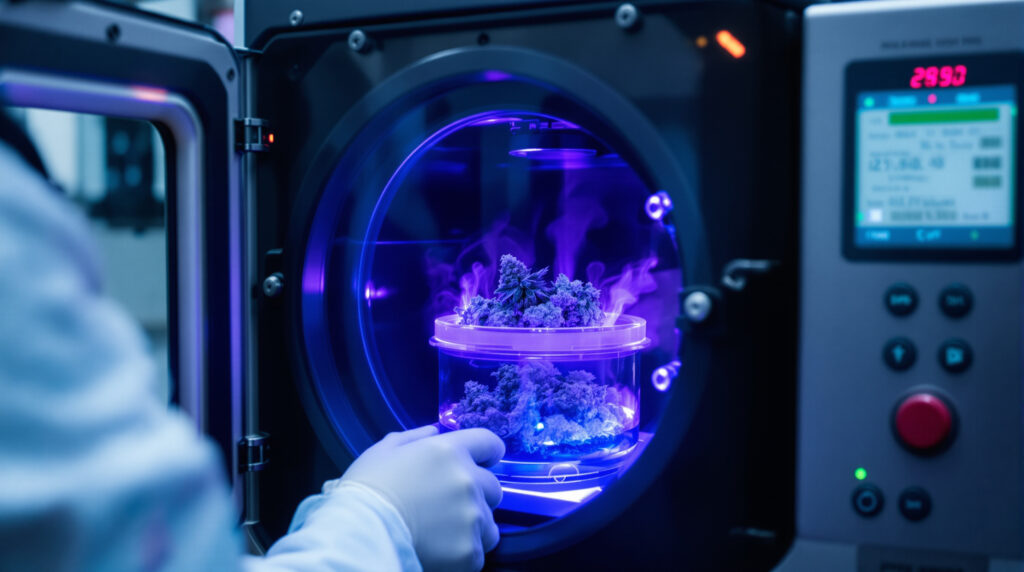
Dr. Veit: After ethylene oxide fumigation of herbal drugs was banned in 1991, phytopharmaceutical manufacturers urgently needed to find alternatives. According to current data, gamma irradiation with Cobalt-60 is considered highly effective: it meets the strict Ph. Eur. 5.1.4 requirements without changing THC or CBD content (including Hazekamp 2016). A further development is the E-beam process using an electron accelerator, which achieves the goal in even shorter time. Both procedures require specialized facilities with their own manufacturing authorization and regulatory GMP oversight; the treatment can even take place in the final container.
Beyond this, other procedures are increasingly being tested or used: X-ray emitters, which due to their size can also be integrated into a manufacturing process, but like gamma and beta emitters fall under the AMRadV. Radiofrequency, a thermal process that causes water molecules in the flowers to vibrate and generate heat. Cold plasma, which uses ionized gas molecules as an oxidant to destroy microbial cell walls. Ozone, a strong oxidizing agent that is already human-toxic in low concentrations. And thermal procedures such as the vacuum-steam-vacuum process, known in practice as Biosteril.
Important: all these procedures are critical manufacturing steps. They require comprehensive benefit-risk assessment and complete GMP qualification of equipment and process validation. Whether this is actually performed in practice before market entry is another question.
Question 5, Concrete Risks
You mention risks to quality, efficacy, and safety in your webinar announcement. Can you identify at specific parameters what happens to the flower with inadequately validated procedures?
Dr. Veit: Several specific risks are evident with cannabis flowers. First: procedures using ozone, hydrogen peroxide, or cold plasma can generate reactive oxygen species, which in turn can produce genotoxic or mutagenic degradation products. This is particularly relevant for cannabis because terpenes and cannabinoids accumulate in external glandular hairs, the trichomes, protected only by a cuticle that reactive oxygen species easily penetrate. For example, endoperoxides can form from unsaturated terpenes and phenolic cannabinoids, which can be genotoxic in very low concentrations.
Second: most decontamination procedures injure or destroy the trichomes themselves. This leads to loss of volatile terpenes and exposes oxidation-sensitive cannabinoids to atmospheric oxygen, both a quality reduction and a significant impact on flower stability.
Third: with water-vapor procedures, water residues remain in the cavities of the flower buds. This creates secondary microbial growth, particularly mold infestation. This often goes unnoticed at the pharmacy because flower buds are not divided there, which carries the risk of Aspergillus contamination with potentially serious consequences for immunocompromised patients.
And fourth: reduction in microbial counts masks the mycotoxin risk, because mycotoxin occurrence always correlates with elevated fungal microbial counts.
Question 6, Minimum Data
What minimum data from qualification, process validation, and stability studies should an importer or distributor now definitively request from their decontamination partner, and what do you actually see on the table in practice?
Dr. Veit: Decontamination procedures are fundamentally critical manufacturing steps. They require complete GMP qualification of equipment and facilities as well as GMP-compliant process validation with two data levels.
At the process level, reproducible microbial reduction on actual, contaminated flowers must be demonstrated, the log-reduction across different batches with different morphology and microbial load, for bacteria, fungi, and spores. At the product level, it must be demonstrated that the procedure has no quality-reducing effects: trichome integrity, cannabinoid and terpene content and fingerprint, water content, water activity, no secondary microbial growth, adequate stability. Important: data obtained with other materials such as foodstuffs cannot be transferred to cannabis flowers.
What I see in practice is discouraging: these homework assignments are properly done in the rarest of cases. Particularly abroad, decontamination frequently occurs in facilities not subject to GMP oversight. If an importer or distributor does not request this data in detail from the decontamination partner, they are importing a product whose critical manufacturing step is uncontrolled.
Question 7, Liability in the Supply Chain
Responsibilities in the supply chain from cultivation to dispensing in the pharmacy are currently unevenly distributed. Who is realistically liable in case of damage: the cultivation facility, the distributor, the certifying QP, or ultimately the dispensing pharmacy?
Dr. Veit: GMP responsibility for qualification and process validation of decontamination procedures clearly rests with the holder of the manufacturing authorization, not the client; this follows unquestionably from Annex 15 of the EU GMP Guideline. Whoever omits product-specific validation of decontamination commits a serious GMP violation in direct conflict with their own manufacturing authorization. Additionally, § 13 Para. 5 AMWHV in conjunction with § 14 Para. 1 No. 6a AMG expressly requires working according to the state of science and technology.
Legal responsibility for GMP-compliant manufacture lies with the person placing the product on the market and the releasing Qualified Person. Within batch release under § 16 AMWHV, all quality-assuring measures must be subject to assessment. § 17 AMWHV makes clear that testing encompasses not only active ingredient analytics but all inspections necessary for product quality. Decontamination procedures are critical process steps and must therefore be evaluated by the QP during each batch certification.
My position is clear: batches whose decontamination was not properly performed must not be released. Our expert working group is currently creating a white paper to clarify the situation for regulatory authorities, QPs, and pharmacies.
„Batches whose decontamination was not properly performed must not be released.“
Dr. Markus Veit · Alphatopics GmbH
Question 8, Pharmacy Plausibility Check
What role does the pharmacy-side plausibility check play when placing decontaminated cannabis flowers on the market, and what should pharmacists concretely check in practice before each dispensing, beyond the standard testing protocol?
Dr. Veit: Since pharmacies formally act as persons placing products on the market, they must rely on the diligence of the releasing QP, while simultaneously demanding more actively than the standard testing protocol provides. Concretely: the analysis certificate should indicate whether decontamination took place and whether it was performed in a GMP-compliant manner.
Pharmacies should comprehensively qualify their suppliers. Ideally, three pieces of information are established before each order. First, that cultivation followed GACP, with the name of the cultivation facility. Second, that post-harvest processing, drying, trimming occurs under GMP in the country of origin, and that the cultivation facility itself has a GMP manufacturing authorization, not just the importer. This can be researched in the EMA’s EUDRA-GMDP database. You quickly see there that some countries have no such certified facilities at all—Lesotho, for example—and that many Canadian flowers offered on the German market come from growers without their own GMP manufacturing authorization. And third: whether decontamination occurred, which procedure was used, and whether the decontamination facility has the necessary GMP authorization.
Serious suppliers should provide these documents as downloads on their homepage. Flowers whose microbial load does not meet Category B of Chapter 5.1.8 lack appropriate quality. Dispensing so-called short runners that exceed these limits endangers patients and, in my view, violates the due diligence obligations of the pharmacy operating regulations.
Question 9, EU Harmonization
EU harmonization of requirements is a stated goal of your webinar. How far along are Germany, Austria, the Netherlands, Czechia, and Switzerland in mutual recognition or joint assessment of decontamination procedures, and where do you see the shortest path to uniform practice?
Dr. Veit: A first important step would be supplementing a Production Statement in the Ph. Eur. monograph on cannabis flowers, as we proposed in our Request for Revision to the EDQM. The monograph’s requirements are binding in all EU member states, so this would be directly effective EU-wide.
In Germany, the upcoming MedCanG amendment could additionally link the authorization issued by the BfArM to the requirement that flower manufacture beginning with drying occurs under GMP. This would automatically make all microbial-reducing measures GMP-dependent. We have already submitted a corresponding request.
In parallel, our expert working group at the DPhG is working on a comprehensive white paper that should serve as guidance for regulatory authorities, QPs, and pharmacies on one hand and initiate broader discussion within the professional community on the other.
Question 10, Self-Protection for Patients
What one thing should patients receiving medicinal cannabis ask their pharmacy before dispensing as pragmatic self-protection while regulatory harmonization is still pending?
Dr. Veit: Patients have a clear entitlement to flowers of adequate quality, particularly given the risks just described. This is ensured primarily where flowers are manufactured with appropriate hygiene measures and quality assurance concepts and therefore require no decontamination at all. This can also be reflected in the price.
With very low-priced flowers, the probability is significantly higher that they reached the market through GMP-washing or other inappropriate manufacturing processes. Pragmatically, this means: anyone who wants genuine self-protection should not rely exclusively on price and should ask the pharmacy where the flowers come from and how the manufacturer ensures microbiological quality.
Publication Note: The interview was conducted in writing and reviewed by Dr. Markus Veit for approval before publication. Answers were edited for readability without changing the speaker’s position. Substantively, the statements reflect the work of the DPhG Expert Working Group on Medical Cannabis (co-chairs Veit/Alban) and the Request for Revision of the Cannabis monograph submitted by the group to EDQM Group 13B. Further information: Alphatopics Webinar on 07.21.2026 · EMA Reflection Paper HMPC/95714/2013 (PDF at ema.europa.eu). The Request for Revision has been publicly documented since May 21, 2026 on Dr. Veit’s LinkedIn.
Question 3, BfArM Procedure
Ionizing radiation is the validated standard in the EU, but requires approval procedures and GMP-certified facilities. How credible is the BfArM application procedure in its current form, and where specifically do you see gaps in requirements or their regulatory enforcement?
Dr. Veit: I consider the requirements set by the BfArM as part of approval to be appropriate. They can generally serve as a guideline for what information, data, assessments, and risk assessments should exist for decontamination procedures at all. Beyond that, through our expert working group we have submitted a Request for Revision of the cannabis flower monograph to the EDQM. This has now been reviewed by Group 13B and the Commission, and I expect our proposals to be implemented in the monograph shortly.
Question 4, Alternative Procedures
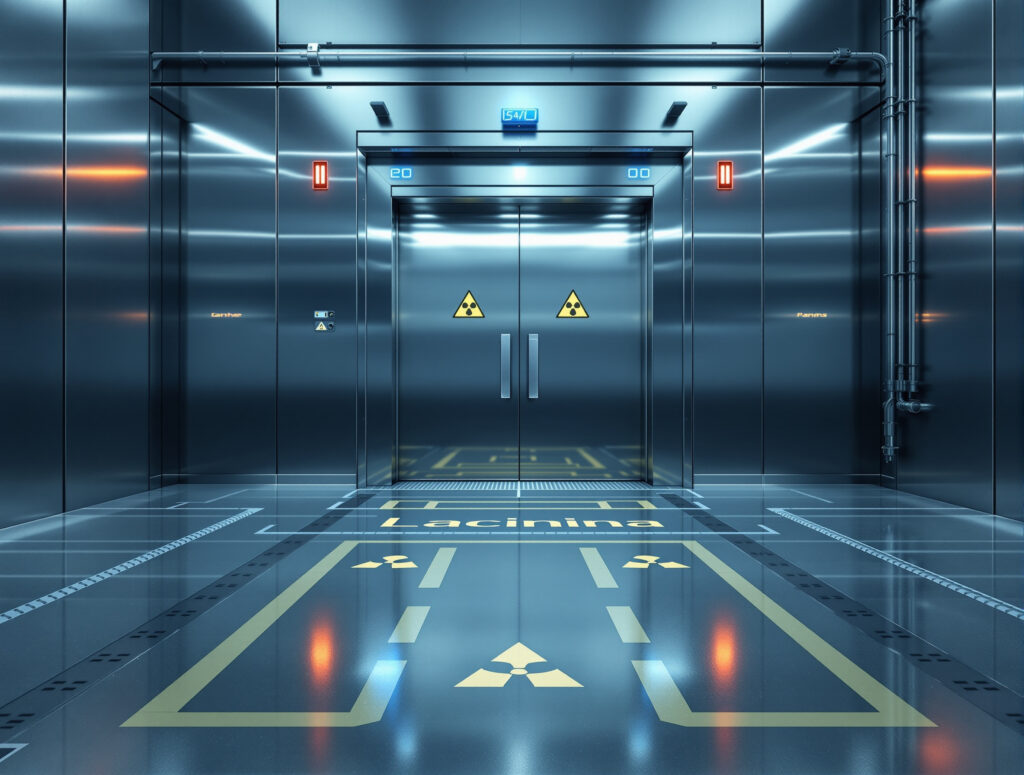
Alternative procedures such as plasma, ozone, RFD, or microwave-based methods are gaining market share. Which ones do you consider currently insufficiently qualified or validated for use on medicinal cannabis, and how can a professional recognize this?
Dr. Veit: After ethylene oxide fumigation of herbal drugs was banned in 1991, phytopharmaceutical manufacturers urgently needed to find alternatives. According to current data, gamma irradiation with Cobalt-60 is considered highly effective: it meets the strict Ph. Eur. 5.1.4 requirements without changing THC or CBD content (including Hazekamp 2016). A further development is the E-beam process using an electron accelerator, which achieves the goal in even shorter time. Both procedures require specialized facilities with their own manufacturing authorization and regulatory GMP oversight; the treatment can even take place in the final container.
Beyond this, other procedures are increasingly being tested or used: X-ray emitters, which due to their size can also be integrated into a manufacturing process, but like gamma and beta emitters fall under the AMRadV. Radiofrequency, a thermal process that causes water molecules in the flowers to vibrate and generate heat. Cold plasma, which uses ionized gas molecules as an oxidant to destroy microbial cell walls. Ozone, a strong oxidizing agent that is already human-toxic in low concentrations. And thermal procedures such as the vacuum-steam-vacuum process, known in practice as Biosteril.
Important: all these procedures are critical manufacturing steps. They require comprehensive benefit-risk assessment and complete GMP qualification of equipment and process validation. Whether this is actually performed in practice before market entry is another question.
Question 5, Concrete Risks
You mention risks to quality, efficacy, and safety in your webinar announcement. Can you identify at specific parameters what happens to the flower with inadequately validated procedures?
Dr. Veit: Several specific risks are evident with cannabis flowers. First: procedures using ozone, hydrogen peroxide, or cold plasma can generate reactive oxygen species, which in turn can produce genotoxic or mutagenic degradation products. This is particularly relevant for cannabis because terpenes and cannabinoids accumulate in external glandular hairs, the trichomes, protected only by a cuticle that reactive oxygen species easily penetrate. For example, endoperoxides can form from unsaturated terpenes and phenolic cannabinoids, which can be genotoxic in very low concentrations.
Second: most decontamination procedures injure or destroy the trichomes themselves. This leads to loss of volatile terpenes and exposes oxidation-sensitive cannabinoids to atmospheric oxygen, both a quality reduction and a significant impact on flower stability.
Third: with water-vapor procedures, water residues remain in the cavities of the flower buds. This creates secondary microbial growth, particularly mold infestation. This often goes unnoticed at the pharmacy because flower buds are not divided there, which carries the risk of Aspergillus contamination with potentially serious consequences for immunocompromised patients.
And fourth: reduction in microbial counts masks the mycotoxin risk, because mycotoxin occurrence always correlates with elevated fungal microbial counts.
Question 6, Minimum Data
What minimum data from qualification, process validation, and stability studies should an importer or distributor now definitively request from their decontamination partner, and what do you actually see on the table in practice?
Dr. Veit: Decontamination procedures are fundamentally critical manufacturing steps. They require complete GMP qualification of equipment and facilities as well as GMP-compliant process validation with two data levels.
At the process level, reproducible microbial reduction on actual, contaminated flowers must be demonstrated, the log-reduction across different batches with different morphology and microbial load, for bacteria, fungi, and spores. At the product level, it must be demonstrated that the procedure has no quality-reducing effects: trichome integrity, cannabinoid and terpene content and fingerprint, water content, water activity, no secondary microbial growth, adequate stability. Important: data obtained with other materials such as foodstuffs cannot be transferred to cannabis flowers.
What I see in practice is discouraging: these homework assignments are properly done in the rarest of cases. Particularly abroad, decontamination frequently occurs in facilities not subject to GMP oversight. If an importer or distributor does not request this data in detail from the decontamination partner, they are importing a product whose critical manufacturing step is uncontrolled.
Question 7, Liability in the Supply Chain
Responsibilities in the supply chain from cultivation to dispensing in the pharmacy are currently unevenly distributed. Who is realistically liable in case of damage: the cultivation facility, the distributor, the certifying QP, or ultimately the dispensing pharmacy?
Dr. Veit: GMP responsibility for qualification and process validation of decontamination procedures clearly rests with the holder of the manufacturing authorization, not the client; this follows unquestionably from Annex 15 of the EU GMP Guideline. Whoever omits product-specific validation of decontamination commits a serious GMP violation in direct conflict with their own manufacturing authorization. Additionally, § 13 Para. 5 AMWHV in conjunction with § 14 Para. 1 No. 6a AMG expressly requires working according to the state of science and technology.
Legal responsibility for GMP-compliant manufacture lies with the person placing the product on the market and the releasing Qualified Person. Within batch release under § 16 AMWHV, all quality-assuring measures must be subject to assessment. § 17 AMWHV makes clear that testing encompasses not only active ingredient analytics but all inspections necessary for product quality. Decontamination procedures are critical process steps and must therefore be evaluated by the QP during each batch certification.
My position is clear: batches whose decontamination was not properly performed must not be released. Our expert working group is currently creating a white paper to clarify the situation for regulatory authorities, QPs, and pharmacies.
„Batches whose decontamination was not properly performed must not be released.“
Dr. Markus Veit · Alphatopics GmbH
Question 8, Pharmacy Plausibility Check
What role does the pharmacy-side plausibility check play when placing decontaminated cannabis flowers on the market, and what should pharmacists concretely check in practice before each dispensing, beyond the standard testing protocol?
Dr. Veit: Since pharmacies formally act as persons placing products on the market, they must rely on the diligence of the releasing QP, while simultaneously demanding more actively than the standard testing protocol provides. Concretely: the analysis certificate should indicate whether decontamination took place and whether it was performed in a GMP-compliant manner.
Pharmacies should comprehensively qualify their suppliers. Ideally, three pieces of information are established before each order. First, that cultivation followed GACP, with the name of the cultivation facility. Second, that post-harvest processing, drying, trimming occurs under GMP in the country of origin, and that the cultivation facility itself has a GMP manufacturing authorization, not just the importer. This can be researched in the EMA’s EUDRA-GMDP database. You quickly see there that some countries have no such certified facilities at all—Lesotho, for example—and that many Canadian flowers offered on the German market come from growers without their own GMP manufacturing authorization. And third: whether decontamination occurred, which procedure was used, and whether the decontamination facility has the necessary GMP authorization.
Serious suppliers should provide these documents as downloads on their homepage. Flowers whose microbial load does not meet Category B of Chapter 5.1.8 lack appropriate quality. Dispensing so-called short runners that exceed these limits endangers patients and, in my view, violates the due diligence obligations of the pharmacy operating regulations.
Question 9, EU Harmonization
EU harmonization of requirements is a stated goal of your webinar. How far along are Germany, Austria, the Netherlands, Czechia, and Switzerland in mutual recognition or joint assessment of decontamination procedures, and where do you see the shortest path to uniform practice?
Dr. Veit: A first important step would be supplementing a Production Statement in the Ph. Eur. monograph on cannabis flowers, as we proposed in our Request for Revision to the EDQM. The monograph’s requirements are binding in all EU member states, so this would be directly effective EU-wide.
In Germany, the upcoming MedCanG amendment could additionally link the authorization issued by the BfArM to the requirement that flower manufacture beginning with drying occurs under GMP. This would automatically make all microbial-reducing measures GMP-dependent. We have already submitted a corresponding request.
In parallel, our expert working group at the DPhG is working on a comprehensive white paper that should serve as guidance for regulatory authorities, QPs, and pharmacies on one hand and initiate broader discussion within the professional community on the other.
Question 10, Self-Protection for Patients
What one thing should patients receiving medicinal cannabis ask their pharmacy before dispensing as pragmatic self-protection while regulatory harmonization is still pending?
Dr. Veit: Patients have a clear entitlement to flowers of adequate quality, particularly given the risks just described. This is ensured primarily where flowers are manufactured with appropriate hygiene measures and quality assurance concepts and therefore require no decontamination at all. This can also be reflected in the price.
With very low-priced flowers, the probability is significantly higher that they reached the market through GMP-washing or other inappropriate manufacturing processes. Pragmatically, this means: anyone who wants genuine self-protection should not rely exclusively on price and should ask the pharmacy where the flowers come from and how the manufacturer ensures microbiological quality.
Publication Note: The interview was conducted in writing and reviewed by Dr. Markus Veit for approval before publication. Answers were edited for readability without changing the speaker’s position. Substantively, the statements reflect the work of the DPhG Expert Working Group on Medical Cannabis (co-chairs Veit/Alban) and the Request for Revision of the Cannabis monograph submitted by the group to EDQM Group 13B. Further information: Alphatopics Webinar on 07.21.2026 · EMA Reflection Paper HMPC/95714/2013 (PDF at ema.europa.eu). The Request for Revision has been publicly documented since May 21, 2026 on Dr. Veit’s LinkedIn.
Question 2, Delta Across the Supply Chain
The EMA recommendation (HMPC/95714/2013) primarily calls for hygienic measures throughout the supply chain and views decontamination only as a last resort. In practice, however, it has become the standard. Where do you see the greatest gap between requirement and reality: in cultivation, drying, processing, or storage?
Dr. Veit: In my view, the gap exists throughout the entire supply chain, sometimes larger and sometimes smaller depending on the facility and individuals involved. The most critical phase is post-harvest through drying and the drying process itself, but trimming, storage, and packaging also have considerable impact on microbiological quality. Even the choice of packaging materials can be problematic.
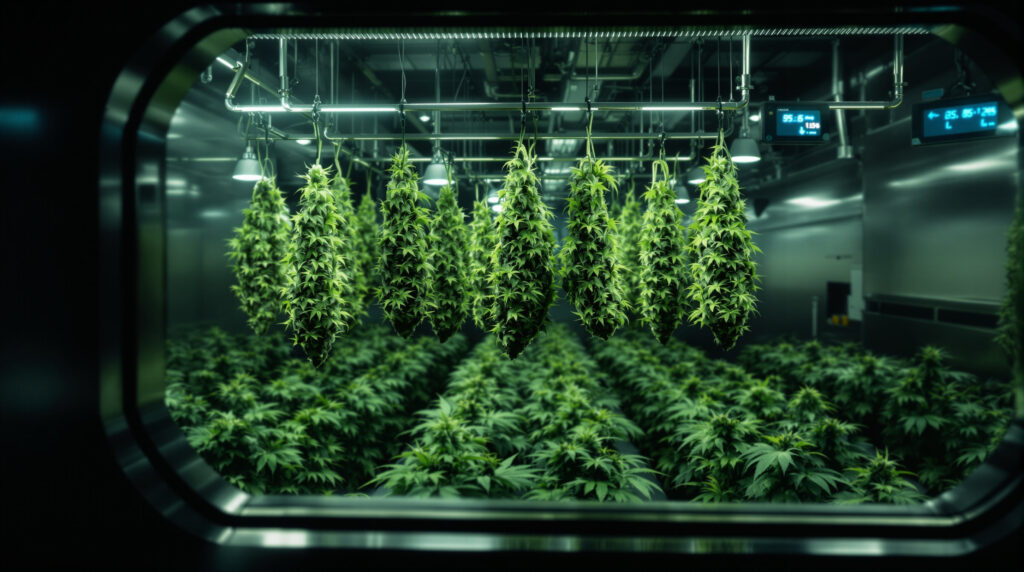
A comprehensive open-access review on contamination risk of cannabis flowers with fungi and mycotoxins, published in 2023 in Frontiers in Microbiology, captures the situation precisely: the contamination risk is substantial. Quality is created during cultivation and during drying, not afterward through decontamination. The latter does not solve the problem; it masks it. Aspergillus spores are not necessarily killed, the mycotoxin risk is overlooked, and some procedures even increase the risk of secondary microbial growth.
Adding to the difficulty is that the Cannabis monograph in the European Pharmacopoeia currently contains no specific microbiological limits. For oral use via decoction, Category B of Chapter 5.1.8 is sufficient, which is achievable with good hygiene and drying. For inhalational use, authorities currently demand the stricter requirements from Chapter 5.1.4 (inhalation and nebulization). In my view, this is not appropriate because heat-induced microbial reduction occurs naturally during vaporization. In practice, however, this requirement leads many flowers to become marketable only through decontamination.
„Decontamination does not solve the problem; it masks it. Aspergillus spores are not necessarily killed, and the mycotoxin risk is overlooked.“
Dr. Markus Veit · Alphatopics GmbH
Question 3, BfArM Procedure
Ionizing radiation is the validated standard in the EU, but requires approval procedures and GMP-certified facilities. How credible is the BfArM application procedure in its current form, and where specifically do you see gaps in requirements or their regulatory enforcement?
Dr. Veit: I consider the requirements set by the BfArM as part of approval to be appropriate. They can generally serve as a guideline for what information, data, assessments, and risk assessments should exist for decontamination procedures at all. Beyond that, through our expert working group we have submitted a Request for Revision of the cannabis flower monograph to the EDQM. This has now been reviewed by Group 13B and the Commission, and I expect our proposals to be implemented in the monograph shortly.
Question 4, Alternative Procedures
Alternative procedures such as plasma, ozone, RFD, or microwave-based methods are gaining market share. Which ones do you consider currently insufficiently qualified or validated for use on medicinal cannabis, and how can a professional recognize this?
Dr. Veit: After ethylene oxide fumigation of herbal drugs was banned in 1991, phytopharmaceutical manufacturers urgently needed to find alternatives. According to current data, gamma irradiation with Cobalt-60 is considered highly effective: it meets the strict Ph. Eur. 5.1.4 requirements without changing THC or CBD content (including Hazekamp 2016). A further development is the E-beam process using an electron accelerator, which achieves the goal in even shorter time. Both procedures require specialized facilities with their own manufacturing authorization and regulatory GMP oversight; the treatment can even take place in the final container.
Beyond this, other procedures are increasingly being tested or used: X-ray emitters, which due to their size can also be integrated into a manufacturing process, but like gamma and beta emitters fall under the AMRadV. Radiofrequency, a thermal process that causes water molecules in the flowers to vibrate and generate heat. Cold plasma, which uses ionized gas molecules as an oxidant to destroy microbial cell walls. Ozone, a strong oxidizing agent that is already human-toxic in low concentrations. And thermal procedures such as the vacuum-steam-vacuum process, known in practice as Biosteril.
Important: all these procedures are critical manufacturing steps. They require comprehensive benefit-risk assessment and complete GMP qualification of equipment and process validation. Whether this is actually performed in practice before market entry is another question.
Question 5, Concrete Risks
You mention risks to quality, efficacy, and safety in your webinar announcement. Can you identify at specific parameters what happens to the flower with inadequately validated procedures?
Dr. Veit: Several specific risks are evident with cannabis flowers. First: procedures using ozone, hydrogen peroxide, or cold plasma can generate reactive oxygen species, which in turn can produce genotoxic or mutagenic degradation products. This is particularly relevant for cannabis because terpenes and cannabinoids accumulate in external glandular hairs, the trichomes, protected only by a cuticle that reactive oxygen species easily penetrate. For example, endoperoxides can form from unsaturated terpenes and phenolic cannabinoids, which can be genotoxic in very low concentrations.
Second: most decontamination procedures injure or destroy the trichomes themselves. This leads to loss of volatile terpenes and exposes oxidation-sensitive cannabinoids to atmospheric oxygen, both a quality reduction and a significant impact on flower stability.
Third: with water-vapor procedures, water residues remain in the cavities of the flower buds. This creates secondary microbial growth, particularly mold infestation. This often goes unnoticed at the pharmacy because flower buds are not divided there, which carries the risk of Aspergillus contamination with potentially serious consequences for immunocompromised patients.
And fourth: reduction in microbial counts masks the mycotoxin risk, because mycotoxin occurrence always correlates with elevated fungal microbial counts.
Question 6, Minimum Data
What minimum data from qualification, process validation, and stability studies should an importer or distributor now definitively request from their decontamination partner, and what do you actually see on the table in practice?
Dr. Veit: Decontamination procedures are fundamentally critical manufacturing steps. They require complete GMP qualification of equipment and facilities as well as GMP-compliant process validation with two data levels.
At the process level, reproducible microbial reduction on actual, contaminated flowers must be demonstrated, the log-reduction across different batches with different morphology and microbial load, for bacteria, fungi, and spores. At the product level, it must be demonstrated that the procedure has no quality-reducing effects: trichome integrity, cannabinoid and terpene content and fingerprint, water content, water activity, no secondary microbial growth, adequate stability. Important: data obtained with other materials such as foodstuffs cannot be transferred to cannabis flowers.
What I see in practice is discouraging: these homework assignments are properly done in the rarest of cases. Particularly abroad, decontamination frequently occurs in facilities not subject to GMP oversight. If an importer or distributor does not request this data in detail from the decontamination partner, they are importing a product whose critical manufacturing step is uncontrolled.
Question 7, Liability in the Supply Chain
Responsibilities in the supply chain from cultivation to dispensing in the pharmacy are currently unevenly distributed. Who is realistically liable in case of damage: the cultivation facility, the distributor, the certifying QP, or ultimately the dispensing pharmacy?
Dr. Veit: GMP responsibility for qualification and process validation of decontamination procedures clearly rests with the holder of the manufacturing authorization, not the client; this follows unquestionably from Annex 15 of the EU GMP Guideline. Whoever omits product-specific validation of decontamination commits a serious GMP violation in direct conflict with their own manufacturing authorization. Additionally, § 13 Para. 5 AMWHV in conjunction with § 14 Para. 1 No. 6a AMG expressly requires working according to the state of science and technology.
Legal responsibility for GMP-compliant manufacture lies with the person placing the product on the market and the releasing Qualified Person. Within batch release under § 16 AMWHV, all quality-assuring measures must be subject to assessment. § 17 AMWHV makes clear that testing encompasses not only active ingredient analytics but all inspections necessary for product quality. Decontamination procedures are critical process steps and must therefore be evaluated by the QP during each batch certification.
My position is clear: batches whose decontamination was not properly performed must not be released. Our expert working group is currently creating a white paper to clarify the situation for regulatory authorities, QPs, and pharmacies.
„Batches whose decontamination was not properly performed must not be released.“
Dr. Markus Veit · Alphatopics GmbH
Question 8, Pharmacy Plausibility Check
What role does the pharmacy-side plausibility check play when placing decontaminated cannabis flowers on the market, and what should pharmacists concretely check in practice before each dispensing, beyond the standard testing protocol?
Dr. Veit: Since pharmacies formally act as persons placing products on the market, they must rely on the diligence of the releasing QP, while simultaneously demanding more actively than the standard testing protocol provides. Concretely: the analysis certificate should indicate whether decontamination took place and whether it was performed in a GMP-compliant manner.
Pharmacies should comprehensively qualify their suppliers. Ideally, three pieces of information are established before each order. First, that cultivation followed GACP, with the name of the cultivation facility. Second, that post-harvest processing, drying, trimming occurs under GMP in the country of origin, and that the cultivation facility itself has a GMP manufacturing authorization, not just the importer. This can be researched in the EMA’s EUDRA-GMDP database. You quickly see there that some countries have no such certified facilities at all—Lesotho, for example—and that many Canadian flowers offered on the German market come from growers without their own GMP manufacturing authorization. And third: whether decontamination occurred, which procedure was used, and whether the decontamination facility has the necessary GMP authorization.
Serious suppliers should provide these documents as downloads on their homepage. Flowers whose microbial load does not meet Category B of Chapter 5.1.8 lack appropriate quality. Dispensing so-called short runners that exceed these limits endangers patients and, in my view, violates the due diligence obligations of the pharmacy operating regulations.
Question 9, EU Harmonization
EU harmonization of requirements is a stated goal of your webinar. How far along are Germany, Austria, the Netherlands, Czechia, and Switzerland in mutual recognition or joint assessment of decontamination procedures, and where do you see the shortest path to uniform practice?
Dr. Veit: A first important step would be supplementing a Production Statement in the Ph. Eur. monograph on cannabis flowers, as we proposed in our Request for Revision to the EDQM. The monograph’s requirements are binding in all EU member states, so this would be directly effective EU-wide.
In Germany, the upcoming MedCanG amendment could additionally link the authorization issued by the BfArM to the requirement that flower manufacture beginning with drying occurs under GMP. This would automatically make all microbial-reducing measures GMP-dependent. We have already submitted a corresponding request.
In parallel, our expert working group at the DPhG is working on a comprehensive white paper that should serve as guidance for regulatory authorities, QPs, and pharmacies on one hand and initiate broader discussion within the professional community on the other.
Question 10, Self-Protection for Patients
What one thing should patients receiving medicinal cannabis ask their pharmacy before dispensing as pragmatic self-protection while regulatory harmonization is still pending?
Dr. Veit: Patients have a clear entitlement to flowers of adequate quality, particularly given the risks just described. This is ensured primarily where flowers are manufactured with appropriate hygiene measures and quality assurance concepts and therefore require no decontamination at all. This can also be reflected in the price.
With very low-priced flowers, the probability is significantly higher that they reached the market through GMP-washing or other inappropriate manufacturing processes. Pragmatically, this means: anyone who wants genuine self-protection should not rely exclusively on price and should ask the pharmacy where the flowers come from and how the manufacturer ensures microbiological quality.
Publication Note: The interview was conducted in writing and reviewed by Dr. Markus Veit for approval before publication. Answers were edited for readability without changing the speaker’s position. Substantively, the statements reflect the work of the DPhG Expert Working Group on Medical Cannabis (co-chairs Veit/Alban) and the Request for Revision of the Cannabis monograph submitted by the group to EDQM Group 13B. Further information: Alphatopics Webinar on 07.21.2026 · EMA Reflection Paper HMPC/95714/2013 (PDF at ema.europa.eu). The Request for Revision has been publicly documented since May 21, 2026 on Dr. Veit’s LinkedIn.
Question 1, Introduction to the Topic
You come from pharmaceutical quality assurance and have been working on GMP topics for 25 years. How did you end up with medicinal cannabis specifically, and what keeps you engaged with this topic today?
Dr. Veit: My field of expertise is the quality of herbal medicinal products, which also stems from my time as a university lecturer. When the first GMP certification projects with Canadian cannabis manufacturers were underway, I was involved as an expert, and the topic has not let me go since. What makes it fascinating: with medicinal cannabis, you have to completely rethink existing GMP requirements and EMA guidelines. Indoor cultivation, a special batch concept, and especially the fact that individual flower buds are used without size reduction—the latter makes it impossible to draw a truly representative sample. This in turn means: microbiological quality cannot be verified with certainty; instead, it must be ensured through proper hygiene measures, appropriate drying, storage, and transport.
What keeps me engaged today is the fact that in practice these very requirements are systematically undermined—for example, when only the final drying step takes place in Europe under GMP and the goods are previously imported as herbal starting material. Given the multifaceted questions involved, we have established an expert working group under the umbrella of the German Pharmaceutical Society, which I co-chair with Prof. Susanne Alban.
Question 2, Delta Across the Supply Chain
The EMA recommendation (HMPC/95714/2013) primarily calls for hygienic measures throughout the supply chain and views decontamination only as a last resort. In practice, however, it has become the standard. Where do you see the greatest gap between requirement and reality: in cultivation, drying, processing, or storage?
Dr. Veit: In my view, the gap exists throughout the entire supply chain, sometimes larger and sometimes smaller depending on the facility and individuals involved. The most critical phase is post-harvest through drying and the drying process itself, but trimming, storage, and packaging also have considerable impact on microbiological quality. Even the choice of packaging materials can be problematic.
A comprehensive open-access review on contamination risk of cannabis flowers with fungi and mycotoxins, published in 2023 in Frontiers in Microbiology, captures the situation precisely: the contamination risk is substantial. Quality is created during cultivation and during drying, not afterward through decontamination. The latter does not solve the problem; it masks it. Aspergillus spores are not necessarily killed, the mycotoxin risk is overlooked, and some procedures even increase the risk of secondary microbial growth.
Adding to the difficulty is that the Cannabis monograph in the European Pharmacopoeia currently contains no specific microbiological limits. For oral use via decoction, Category B of Chapter 5.1.8 is sufficient, which is achievable with good hygiene and drying. For inhalational use, authorities currently demand the stricter requirements from Chapter 5.1.4 (inhalation and nebulization). In my view, this is not appropriate because heat-induced microbial reduction occurs naturally during vaporization. In practice, however, this requirement leads many flowers to become marketable only through decontamination.
„Decontamination does not solve the problem; it masks it. Aspergillus spores are not necessarily killed, and the mycotoxin risk is overlooked.“
Dr. Markus Veit · Alphatopics GmbH
Question 3, BfArM Procedure
Ionizing radiation is the validated standard in the EU, but requires approval procedures and GMP-certified facilities. How credible is the BfArM application procedure in its current form, and where specifically do you see gaps in requirements or their regulatory enforcement?
Dr. Veit: I consider the requirements set by the BfArM as part of approval to be appropriate. They can generally serve as a guideline for what information, data, assessments, and risk assessments should exist for decontamination procedures at all. Beyond that, through our expert working group we have submitted a Request for Revision of the cannabis flower monograph to the EDQM. This has now been reviewed by Group 13B and the Commission, and I expect our proposals to be implemented in the monograph shortly.
Question 4, Alternative Procedures
Alternative procedures such as plasma, ozone, RFD, or microwave-based methods are gaining market share. Which ones do you consider currently insufficiently qualified or validated for use on medicinal cannabis, and how can a professional recognize this?
Dr. Veit: After ethylene oxide fumigation of herbal drugs was banned in 1991, phytopharmaceutical manufacturers urgently needed to find alternatives. According to current data, gamma irradiation with Cobalt-60 is considered highly effective: it meets the strict Ph. Eur. 5.1.4 requirements without changing THC or CBD content (including Hazekamp 2016). A further development is the E-beam process using an electron accelerator, which achieves the goal in even shorter time. Both procedures require specialized facilities with their own manufacturing authorization and regulatory GMP oversight; the treatment can even take place in the final container.
Beyond this, other procedures are increasingly being tested or used: X-ray emitters, which due to their size can also be integrated into a manufacturing process, but like gamma and beta emitters fall under the AMRadV. Radiofrequency, a thermal process that causes water molecules in the flowers to vibrate and generate heat. Cold plasma, which uses ionized gas molecules as an oxidant to destroy microbial cell walls. Ozone, a strong oxidizing agent that is already human-toxic in low concentrations. And thermal procedures such as the vacuum-steam-vacuum process, known in practice as Biosteril.
Important: all these procedures are critical manufacturing steps. They require comprehensive benefit-risk assessment and complete GMP qualification of equipment and process validation. Whether this is actually performed in practice before market entry is another question.
Question 5, Concrete Risks
You mention risks to quality, efficacy, and safety in your webinar announcement. Can you identify at specific parameters what happens to the flower with inadequately validated procedures?
Dr. Veit: Several specific risks are evident with cannabis flowers. First: procedures using ozone, hydrogen peroxide, or cold plasma can generate reactive oxygen species, which in turn can produce genotoxic or mutagenic degradation products. This is particularly relevant for cannabis because terpenes and cannabinoids accumulate in external glandular hairs, the trichomes, protected only by a cuticle that reactive oxygen species easily penetrate. For example, endoperoxides can form from unsaturated terpenes and phenolic cannabinoids, which can be genotoxic in very low concentrations.
Second: most decontamination procedures injure or destroy the trichomes themselves. This leads to loss of volatile terpenes and exposes oxidation-sensitive cannabinoids to atmospheric oxygen, both a quality reduction and a significant impact on flower stability.
Third: with water-vapor procedures, water residues remain in the cavities of the flower buds. This creates secondary microbial growth, particularly mold infestation. This often goes unnoticed at the pharmacy because flower buds are not divided there, which carries the risk of Aspergillus contamination with potentially serious consequences for immunocompromised patients.
And fourth: reduction in microbial counts masks the mycotoxin risk, because mycotoxin occurrence always correlates with elevated fungal microbial counts.
Question 6, Minimum Data
What minimum data from qualification, process validation, and stability studies should an importer or distributor now definitively request from their decontamination partner, and what do you actually see on the table in practice?
Dr. Veit: Decontamination procedures are fundamentally critical manufacturing steps. They require complete GMP qualification of equipment and facilities as well as GMP-compliant process validation with two data levels.
At the process level, reproducible microbial reduction on actual, contaminated flowers must be demonstrated, the log-reduction across different batches with different morphology and microbial load, for bacteria, fungi, and spores. At the product level, it must be demonstrated that the procedure has no quality-reducing effects: trichome integrity, cannabinoid and terpene content and fingerprint, water content, water activity, no secondary microbial growth, adequate stability. Important: data obtained with other materials such as foodstuffs cannot be transferred to cannabis flowers.
What I see in practice is discouraging: these homework assignments are properly done in the rarest of cases. Particularly abroad, decontamination frequently occurs in facilities not subject to GMP oversight. If an importer or distributor does not request this data in detail from the decontamination partner, they are importing a product whose critical manufacturing step is uncontrolled.
Question 7, Liability in the Supply Chain
Responsibilities in the supply chain from cultivation to dispensing in the pharmacy are currently unevenly distributed. Who is realistically liable in case of damage: the cultivation facility, the distributor, the certifying QP, or ultimately the dispensing pharmacy?
Dr. Veit: GMP responsibility for qualification and process validation of decontamination procedures clearly rests with the holder of the manufacturing authorization, not the client; this follows unquestionably from Annex 15 of the EU GMP Guideline. Whoever omits product-specific validation of decontamination commits a serious GMP violation in direct conflict with their own manufacturing authorization. Additionally, § 13 Para. 5 AMWHV in conjunction with § 14 Para. 1 No. 6a AMG expressly requires working according to the state of science and technology.
Legal responsibility for GMP-compliant manufacture lies with the person placing the product on the market and the releasing Qualified Person. Within batch release under § 16 AMWHV, all quality-assuring measures must be subject to assessment. § 17 AMWHV makes clear that testing encompasses not only active ingredient analytics but all inspections necessary for product quality. Decontamination procedures are critical process steps and must therefore be evaluated by the QP during each batch certification.
My position is clear: batches whose decontamination was not properly performed must not be released. Our expert working group is currently creating a white paper to clarify the situation for regulatory authorities, QPs, and pharmacies.
„Batches whose decontamination was not properly performed must not be released.“
Dr. Markus Veit · Alphatopics GmbH
Question 8, Pharmacy Plausibility Check
What role does the pharmacy-side plausibility check play when placing decontaminated cannabis flowers on the market, and what should pharmacists concretely check in practice before each dispensing, beyond the standard testing protocol?
Dr. Veit: Since pharmacies formally act as persons placing products on the market, they must rely on the diligence of the releasing QP, while simultaneously demanding more actively than the standard testing protocol provides. Concretely: the analysis certificate should indicate whether decontamination took place and whether it was performed in a GMP-compliant manner.
Pharmacies should comprehensively qualify their suppliers. Ideally, three pieces of information are established before each order. First, that cultivation followed GACP, with the name of the cultivation facility. Second, that post-harvest processing, drying, trimming occurs under GMP in the country of origin, and that the cultivation facility itself has a GMP manufacturing authorization, not just the importer. This can be researched in the EMA’s EUDRA-GMDP database. You quickly see there that some countries have no such certified facilities at all—Lesotho, for example—and that many Canadian flowers offered on the German market come from growers without their own GMP manufacturing authorization. And third: whether decontamination occurred, which procedure was used, and whether the decontamination facility has the necessary GMP authorization.
Serious suppliers should provide these documents as downloads on their homepage. Flowers whose microbial load does not meet Category B of Chapter 5.1.8 lack appropriate quality. Dispensing so-called short runners that exceed these limits endangers patients and, in my view, violates the due diligence obligations of the pharmacy operating regulations.
Question 9, EU Harmonization
EU harmonization of requirements is a stated goal of your webinar. How far along are Germany, Austria, the Netherlands, Czechia, and Switzerland in mutual recognition or joint assessment of decontamination procedures, and where do you see the shortest path to uniform practice?
Dr. Veit: A first important step would be supplementing a Production Statement in the Ph. Eur. monograph on cannabis flowers, as we proposed in our Request for Revision to the EDQM. The monograph’s requirements are binding in all EU member states, so this would be directly effective EU-wide.
In Germany, the upcoming MedCanG amendment could additionally link the authorization issued by the BfArM to the requirement that flower manufacture beginning with drying occurs under GMP. This would automatically make all microbial-reducing measures GMP-dependent. We have already submitted a corresponding request.
In parallel, our expert working group at the DPhG is working on a comprehensive white paper that should serve as guidance for regulatory authorities, QPs, and pharmacies on one hand and initiate broader discussion within the professional community on the other.
Question 10, Self-Protection for Patients
What one thing should patients receiving medicinal cannabis ask their pharmacy before dispensing as pragmatic self-protection while regulatory harmonization is still pending?
Dr. Veit: Patients have a clear entitlement to flowers of adequate quality, particularly given the risks just described. This is ensured primarily where flowers are manufactured with appropriate hygiene measures and quality assurance concepts and therefore require no decontamination at all. This can also be reflected in the price.
With very low-priced flowers, the probability is significantly higher that they reached the market through GMP-washing or other inappropriate manufacturing processes. Pragmatically, this means: anyone who wants genuine self-protection should not rely exclusively on price and should ask the pharmacy where the flowers come from and how the manufacturer ensures microbiological quality.
Publication Note: The interview was conducted in writing and reviewed by Dr. Markus Veit for approval before publication. Answers were edited for readability without changing the speaker’s position. Substantively, the statements reflect the work of the DPhG Expert Working Group on Medical Cannabis (co-chairs Veit/Alban) and the Request for Revision of the Cannabis monograph submitted by the group to EDQM Group 13B. Further information: Alphatopics Webinar on 07.21.2026 · EMA Reflection Paper HMPC/95714/2013 (PDF at ema.europa.eu). The Request for Revision has been publicly documented since May 21, 2026 on Dr. Veit’s LinkedIn.
💬 In Conversation
Dr. Markus Veit, Alphatopics GmbH
Dr. Markus Veit is managing director of Alphatopics GmbH and co-chair of the DPhG Expert Working Group on Medical Cannabis. His webinar on microbial decontamination of medicinal cannabis flowers takes place on July 21, 2026. We posed ten written questions to him beforehand.
Question 1, Introduction to the Topic
You come from pharmaceutical quality assurance and have been working on GMP topics for 25 years. How did you end up with medicinal cannabis specifically, and what keeps you engaged with this topic today?
Dr. Veit: My field of expertise is the quality of herbal medicinal products, which also stems from my time as a university lecturer. When the first GMP certification projects with Canadian cannabis manufacturers were underway, I was involved as an expert, and the topic has not let me go since. What makes it fascinating: with medicinal cannabis, you have to completely rethink existing GMP requirements and EMA guidelines. Indoor cultivation, a special batch concept, and especially the fact that individual flower buds are used without size reduction—the latter makes it impossible to draw a truly representative sample. This in turn means: microbiological quality cannot be verified with certainty; instead, it must be ensured through proper hygiene measures, appropriate drying, storage, and transport.
What keeps me engaged today is the fact that in practice these very requirements are systematically undermined—for example, when only the final drying step takes place in Europe under GMP and the goods are previously imported as herbal starting material. Given the multifaceted questions involved, we have established an expert working group under the umbrella of the German Pharmaceutical Society, which I co-chair with Prof. Susanne Alban.
Question 2, Delta Across the Supply Chain
The EMA recommendation (HMPC/95714/2013) primarily calls for hygienic measures throughout the supply chain and views decontamination only as a last resort. In practice, however, it has become the standard. Where do you see the greatest gap between requirement and reality: in cultivation, drying, processing, or storage?
Dr. Veit: In my view, the gap exists throughout the entire supply chain, sometimes larger and sometimes smaller depending on the facility and individuals involved. The most critical phase is post-harvest through drying and the drying process itself, but trimming, storage, and packaging also have considerable impact on microbiological quality. Even the choice of packaging materials can be problematic.
A comprehensive open-access review on contamination risk of cannabis flowers with fungi and mycotoxins, published in 2023 in Frontiers in Microbiology, captures the situation precisely: the contamination risk is substantial. Quality is created during cultivation and during drying, not afterward through decontamination. The latter does not solve the problem; it masks it. Aspergillus spores are not necessarily killed, the mycotoxin risk is overlooked, and some procedures even increase the risk of secondary microbial growth.
Adding to the difficulty is that the Cannabis monograph in the European Pharmacopoeia currently contains no specific microbiological limits. For oral use via decoction, Category B of Chapter 5.1.8 is sufficient, which is achievable with good hygiene and drying. For inhalational use, authorities currently demand the stricter requirements from Chapter 5.1.4 (inhalation and nebulization). In my view, this is not appropriate because heat-induced microbial reduction occurs naturally during vaporization. In practice, however, this requirement leads many flowers to become marketable only through decontamination.
„Decontamination does not solve the problem; it masks it. Aspergillus spores are not necessarily killed, and the mycotoxin risk is overlooked.“
Dr. Markus Veit · Alphatopics GmbH
Question 3, BfArM Procedure
Ionizing radiation is the validated standard in the EU, but requires approval procedures and GMP-certified facilities. How credible is the BfArM application procedure in its current form, and where specifically do you see gaps in requirements or their regulatory enforcement?
Dr. Veit: I consider the requirements set by the BfArM as part of approval to be appropriate. They can generally serve as a guideline for what information, data, assessments, and risk assessments should exist for decontamination procedures at all. Beyond that, through our expert working group we have submitted a Request for Revision of the cannabis flower monograph to the EDQM. This has now been reviewed by Group 13B and the Commission, and I expect our proposals to be implemented in the monograph shortly.
Question 4, Alternative Procedures
Alternative procedures such as plasma, ozone, RFD, or microwave-based methods are gaining market share. Which ones do you consider currently insufficiently qualified or validated for use on medicinal cannabis, and how can a professional recognize this?
Dr. Veit: After ethylene oxide fumigation of herbal drugs was banned in 1991, phytopharmaceutical manufacturers urgently needed to find alternatives. According to current data, gamma irradiation with Cobalt-60 is considered highly effective: it meets the strict Ph. Eur. 5.1.4 requirements without changing THC or CBD content (including Hazekamp 2016). A further development is the E-beam process using an electron accelerator, which achieves the goal in even shorter time. Both procedures require specialized facilities with their own manufacturing authorization and regulatory GMP oversight; the treatment can even take place in the final container.
Beyond this, other procedures are increasingly being tested or used: X-ray emitters, which due to their size can also be integrated into a manufacturing process, but like gamma and beta emitters fall under the AMRadV. Radiofrequency, a thermal process that causes water molecules in the flowers to vibrate and generate heat. Cold plasma, which uses ionized gas molecules as an oxidant to destroy microbial cell walls. Ozone, a strong oxidizing agent that is already human-toxic in low concentrations. And thermal procedures such as the vacuum-steam-vacuum process, known in practice as Biosteril.
Important: all these procedures are critical manufacturing steps. They require comprehensive benefit-risk assessment and complete GMP qualification of equipment and process validation. Whether this is actually performed in practice before market entry is another question.
Question 5, Concrete Risks
You mention risks to quality, efficacy, and safety in your webinar announcement. Can you identify at specific parameters what happens to the flower with inadequately validated procedures?
Dr. Veit: Several specific risks are evident with cannabis flowers. First: procedures using ozone, hydrogen peroxide, or cold plasma can generate reactive oxygen species, which in turn can produce genotoxic or mutagenic degradation products. This is particularly relevant for cannabis because terpenes and cannabinoids accumulate in external glandular hairs, the trichomes, protected only by a cuticle that reactive oxygen species easily penetrate. For example, endoperoxides can form from unsaturated terpenes and phenolic cannabinoids, which can be genotoxic in very low concentrations.
Second: most decontamination procedures injure or destroy the trichomes themselves. This leads to loss of volatile terpenes and exposes oxidation-sensitive cannabinoids to atmospheric oxygen, both a quality reduction and a significant impact on flower stability.
Third: with water-vapor procedures, water residues remain in the cavities of the flower buds. This creates secondary microbial growth, particularly mold infestation. This often goes unnoticed at the pharmacy because flower buds are not divided there, which carries the risk of Aspergillus contamination with potentially serious consequences for immunocompromised patients.
And fourth: reduction in microbial counts masks the mycotoxin risk, because mycotoxin occurrence always correlates with elevated fungal microbial counts.
Question 6, Minimum Data
What minimum data from qualification, process validation, and stability studies should an importer or distributor now definitively request from their decontamination partner, and what do you actually see on the table in practice?
Dr. Veit: Decontamination procedures are fundamentally critical manufacturing steps. They require complete GMP qualification of equipment and facilities as well as GMP-compliant process validation with two data levels.
At the process level, reproducible microbial reduction on actual, contaminated flowers must be demonstrated, the log-reduction across different batches with different morphology and microbial load, for bacteria, fungi, and spores. At the product level, it must be demonstrated that the procedure has no quality-reducing effects: trichome integrity, cannabinoid and terpene content and fingerprint, water content, water activity, no secondary microbial growth, adequate stability. Important: data obtained with other materials such as foodstuffs cannot be transferred to cannabis flowers.
What I see in practice is discouraging: these homework assignments are properly done in the rarest of cases. Particularly abroad, decontamination frequently occurs in facilities not subject to GMP oversight. If an importer or distributor does not request this data in detail from the decontamination partner, they are importing a product whose critical manufacturing step is uncontrolled.
Question 7, Liability in the Supply Chain
Responsibilities in the supply chain from cultivation to dispensing in the pharmacy are currently unevenly distributed. Who is realistically liable in case of damage: the cultivation facility, the distributor, the certifying QP, or ultimately the dispensing pharmacy?
Dr. Veit: GMP responsibility for qualification and process validation of decontamination procedures clearly rests with the holder of the manufacturing authorization, not the client; this follows unquestionably from Annex 15 of the EU GMP Guideline. Whoever omits product-specific validation of decontamination commits a serious GMP violation in direct conflict with their own manufacturing authorization. Additionally, § 13 Para. 5 AMWHV in conjunction with § 14 Para. 1 No. 6a AMG expressly requires working according to the state of science and technology.
Legal responsibility for GMP-compliant manufacture lies with the person placing the product on the market and the releasing Qualified Person. Within batch release under § 16 AMWHV, all quality-assuring measures must be subject to assessment. § 17 AMWHV makes clear that testing encompasses not only active ingredient analytics but all inspections necessary for product quality. Decontamination procedures are critical process steps and must therefore be evaluated by the QP during each batch certification.
My position is clear: batches whose decontamination was not properly performed must not be released. Our expert working group is currently creating a white paper to clarify the situation for regulatory authorities, QPs, and pharmacies.
„Batches whose decontamination was not properly performed must not be released.“
Dr. Markus Veit · Alphatopics GmbH
Question 8, Pharmacy Plausibility Check
What role does the pharmacy-side plausibility check play when placing decontaminated cannabis flowers on the market, and what should pharmacists concretely check in practice before each dispensing, beyond the standard testing protocol?
Dr. Veit: Since pharmacies formally act as persons placing products on the market, they must rely on the diligence of the releasing QP, while simultaneously demanding more actively than the standard testing protocol provides. Concretely: the analysis certificate should indicate whether decontamination took place and whether it was performed in a GMP-compliant manner.
Pharmacies should comprehensively qualify their suppliers. Ideally, three pieces of information are established before each order. First, that cultivation followed GACP, with the name of the cultivation facility. Second, that post-harvest processing, drying, trimming occurs under GMP in the country of origin, and that the cultivation facility itself has a GMP manufacturing authorization, not just the importer. This can be researched in the EMA’s EUDRA-GMDP database. You quickly see there that some countries have no such certified facilities at all—Lesotho, for example—and that many Canadian flowers offered on the German market come from growers without their own GMP manufacturing authorization. And third: whether decontamination occurred, which procedure was used, and whether the decontamination facility has the necessary GMP authorization.
Serious suppliers should provide these documents as downloads on their homepage. Flowers whose microbial load does not meet Category B of Chapter 5.1.8 lack appropriate quality. Dispensing so-called short runners that exceed these limits endangers patients and, in my view, violates the due diligence obligations of the pharmacy operating regulations.
Question 9, EU Harmonization
EU harmonization of requirements is a stated goal of your webinar. How far along are Germany, Austria, the Netherlands, Czechia, and Switzerland in mutual recognition or joint assessment of decontamination procedures, and where do you see the shortest path to uniform practice?
Dr. Veit: A first important step would be supplementing a Production Statement in the Ph. Eur. monograph on cannabis flowers, as we proposed in our Request for Revision to the EDQM. The monograph’s requirements are binding in all EU member states, so this would be directly effective EU-wide.
In Germany, the upcoming MedCanG amendment could additionally link the authorization issued by the BfArM to the requirement that flower manufacture beginning with drying occurs under GMP. This would automatically make all microbial-reducing measures GMP-dependent. We have already submitted a corresponding request.
In parallel, our expert working group at the DPhG is working on a comprehensive white paper that should serve as guidance for regulatory authorities, QPs, and pharmacies on one hand and initiate broader discussion within the professional community on the other.
Question 10, Self-Protection for Patients
What one thing should patients receiving medicinal cannabis ask their pharmacy before dispensing as pragmatic self-protection while regulatory harmonization is still pending?
Dr. Veit: Patients have a clear entitlement to flowers of adequate quality, particularly given the risks just described. This is ensured primarily where flowers are manufactured with appropriate hygiene measures and quality assurance concepts and therefore require no decontamination at all. This can also be reflected in the price.
With very low-priced flowers, the probability is significantly higher that they reached the market through GMP-washing or other inappropriate manufacturing processes. Pragmatically, this means: anyone who wants genuine self-protection should not rely exclusively on price and should ask the pharmacy where the flowers come from and how the manufacturer ensures microbiological quality.
Publication Note: The interview was conducted in writing and reviewed by Dr. Markus Veit for approval before publication. Answers were edited for readability without changing the speaker’s position. Substantively, the statements reflect the work of the DPhG Expert Working Group on Medical Cannabis (co-chairs Veit/Alban) and the Request for Revision of the Cannabis monograph submitted by the group to EDQM Group 13B. Further information: Alphatopics Webinar on 07.21.2026 · EMA Reflection Paper HMPC/95714/2013 (PDF at ema.europa.eu). The Request for Revision has been publicly documented since May 21, 2026 on Dr. Veit’s LinkedIn.
When reports of moldy cannabis flowers increase in German pharmacies—and they are increasing—one name comes up almost every time: Dr. Markus Veit. The managing director of Alphatopics GmbH holds a pharmacy degree from Frankfurt, a PhD from Würzburg, served as an adjunct professor at Goethe University from 2003 to 2024, and taught on the quality of herbal medicinal products. For over twenty years he has sat on the „Pharmaceutical Chemistry“ expert group of the German Pharmacopoeia Commission and in several EDQM expert groups. Together with Prof. Susanne Alban, he leads the DPhG Expert Working Group on Medical Cannabis. If anyone can assess the situation regarding microbiological quality and decontamination, it is he.
The occasion for this interview is Veit’s webinar on July 21, 2026 on microbial decontamination of medicinal cannabis flowers, and the finding that this topic has been underreported in German-language coverage of medicinal cannabis for years. Our last article on gamma irradiation of pharmacy cannabis dates from 2018; since then, almost everything has shifted technically, regulatorily, and market-wise. Veit takes a clear and not universally popular position: decontamination is a critical manufacturing step and belongs in fully qualified, GMP-supervised hands. The term „GMP-washing,“ which he frequently uses, captures the growing practice of manufacturing cannabis flowers in third countries under GACP and only performing the final drying step under GMP in Europe.
The following answers are based on a written interview from May 2026. They simultaneously reflect the position of the DPhG Expert Working Group, which Veit chairs, and refer to a formal Request for Revision of the Cannabis monograph that the group submitted to the EDQM Group 13B. The answers have been edited for readability; Dr. Veit reviewed the text before publication. What follows is a status assessment: why microbiological quality in cannabis flowers is a fundamental problem, which decontamination procedures actually work and which Veit believes do not meet standards, who is liable in case of damage, what pharmacists should check before each dispensing, and what patients themselves can do to protect themselves pragmatically.
💬 In Conversation
Dr. Markus Veit, Alphatopics GmbH
Dr. Markus Veit is managing director of Alphatopics GmbH and co-chair of the DPhG Expert Working Group on Medical Cannabis. His webinar on microbial decontamination of medicinal cannabis flowers takes place on July 21, 2026. We posed ten written questions to him beforehand.
Question 1, Introduction to the Topic
You come from pharmaceutical quality assurance and have been working on GMP topics for 25 years. How did you end up with medicinal cannabis specifically, and what keeps you engaged with this topic today?
Dr. Veit: My field of expertise is the quality of herbal medicinal products, which also stems from my time as a university lecturer. When the first GMP certification projects with Canadian cannabis manufacturers were underway, I was involved as an expert, and the topic has not let me go since. What makes it fascinating: with medicinal cannabis, you have to completely rethink existing GMP requirements and EMA guidelines. Indoor cultivation, a special batch concept, and especially the fact that individual flower buds are used without size reduction—the latter makes it impossible to draw a truly representative sample. This in turn means: microbiological quality cannot be verified with certainty; instead, it must be ensured through proper hygiene measures, appropriate drying, storage, and transport.
What keeps me engaged today is the fact that in practice these very requirements are systematically undermined—for example, when only the final drying step takes place in Europe under GMP and the goods are previously imported as herbal starting material. Given the multifaceted questions involved, we have established an expert working group under the umbrella of the German Pharmaceutical Society, which I co-chair with Prof. Susanne Alban.
Question 2, Delta Across the Supply Chain
The EMA recommendation (HMPC/95714/2013) primarily calls for hygienic measures throughout the supply chain and views decontamination only as a last resort. In practice, however, it has become the standard. Where do you see the greatest gap between requirement and reality: in cultivation, drying, processing, or storage?
Dr. Veit: In my view, the gap exists throughout the entire supply chain, sometimes larger and sometimes smaller depending on the facility and individuals involved. The most critical phase is post-harvest through drying and the drying process itself, but trimming, storage, and packaging also have considerable impact on microbiological quality. Even the choice of packaging materials can be problematic.
A comprehensive open-access review on contamination risk of cannabis flowers with fungi and mycotoxins, published in 2023 in Frontiers in Microbiology, captures the situation precisely: the contamination risk is substantial. Quality is created during cultivation and during drying, not afterward through decontamination. The latter does not solve the problem; it masks it. Aspergillus spores are not necessarily killed, the mycotoxin risk is overlooked, and some procedures even increase the risk of secondary microbial growth.
Adding to the difficulty is that the Cannabis monograph in the European Pharmacopoeia currently contains no specific microbiological limits. For oral use via decoction, Category B of Chapter 5.1.8 is sufficient, which is achievable with good hygiene and drying. For inhalational use, authorities currently demand the stricter requirements from Chapter 5.1.4 (inhalation and nebulization). In my view, this is not appropriate because heat-induced microbial reduction occurs naturally during vaporization. In practice, however, this requirement leads many flowers to become marketable only through decontamination.
„Decontamination does not solve the problem; it masks it. Aspergillus spores are not necessarily killed, and the mycotoxin risk is overlooked.“
Dr. Markus Veit · Alphatopics GmbH
Question 3, BfArM Procedure
Ionizing radiation is the validated standard in the EU, but requires approval procedures and GMP-certified facilities. How credible is the BfArM application procedure in its current form, and where specifically do you see gaps in requirements or their regulatory enforcement?
Dr. Veit: I consider the requirements set by the BfArM as part of approval to be appropriate. They can generally serve as a guideline for what information, data, assessments, and risk assessments should exist for decontamination procedures at all. Beyond that, through our expert working group we have submitted a Request for Revision of the cannabis flower monograph to the EDQM. This has now been reviewed by Group 13B and the Commission, and I expect our proposals to be implemented in the monograph shortly.
Question 4, Alternative Procedures
Alternative procedures such as plasma, ozone, RFD, or microwave-based methods are gaining market share. Which ones do you consider currently insufficiently qualified or validated for use on medicinal cannabis, and how can a professional recognize this?
Dr. Veit: After ethylene oxide fumigation of herbal drugs was banned in 1991, phytopharmaceutical manufacturers urgently needed to find alternatives. According to current data, gamma irradiation with Cobalt-60 is considered highly effective: it meets the strict Ph. Eur. 5.1.4 requirements without changing THC or CBD content (including Hazekamp 2016). A further development is the E-beam process using an electron accelerator, which achieves the goal in even shorter time. Both procedures require specialized facilities with their own manufacturing authorization and regulatory GMP oversight; the treatment can even take place in the final container.
Beyond this, other procedures are increasingly being tested or used: X-ray emitters, which due to their size can also be integrated into a manufacturing process, but like gamma and beta emitters fall under the AMRadV. Radiofrequency, a thermal process that causes water molecules in the flowers to vibrate and generate heat. Cold plasma, which uses ionized gas molecules as an oxidant to destroy microbial cell walls. Ozone, a strong oxidizing agent that is already human-toxic in low concentrations. And thermal procedures such as the vacuum-steam-vacuum process, known in practice as Biosteril.
Important: all these procedures are critical manufacturing steps. They require comprehensive benefit-risk assessment and complete GMP qualification of equipment and process validation. Whether this is actually performed in practice before market entry is another question.
Question 5, Concrete Risks
You mention risks to quality, efficacy, and safety in your webinar announcement. Can you identify at specific parameters what happens to the flower with inadequately validated procedures?
Dr. Veit: Several specific risks are evident with cannabis flowers. First: procedures using ozone, hydrogen peroxide, or cold plasma can generate reactive oxygen species, which in turn can produce genotoxic or mutagenic degradation products. This is particularly relevant for cannabis because terpenes and cannabinoids accumulate in external glandular hairs, the trichomes, protected only by a cuticle that reactive oxygen species easily penetrate. For example, endoperoxides can form from unsaturated terpenes and phenolic cannabinoids, which can be genotoxic in very low concentrations.
Second: most decontamination procedures injure or destroy the trichomes themselves. This leads to loss of volatile terpenes and exposes oxidation-sensitive cannabinoids to atmospheric oxygen, both a quality reduction and a significant impact on flower stability.
Third: with water-vapor procedures, water residues remain in the cavities of the flower buds. This creates secondary microbial growth, particularly mold infestation. This often goes unnoticed at the pharmacy because flower buds are not divided there, which carries the risk of Aspergillus contamination with potentially serious consequences for immunocompromised patients.
And fourth: reduction in microbial counts masks the mycotoxin risk, because mycotoxin occurrence always correlates with elevated fungal microbial counts.
Question 6, Minimum Data
What minimum data from qualification, process validation, and stability studies should an importer or distributor now definitively request from their decontamination partner, and what do you actually see on the table in practice?
Dr. Veit: Decontamination procedures are fundamentally critical manufacturing steps. They require complete GMP qualification of equipment and facilities as well as GMP-compliant process validation with two data levels.
At the process level, reproducible microbial reduction on actual, contaminated flowers must be demonstrated, the log-reduction across different batches with different morphology and microbial load, for bacteria, fungi, and spores. At the product level, it must be demonstrated that the procedure has no quality-reducing effects: trichome integrity, cannabinoid and terpene content and fingerprint, water content, water activity, no secondary microbial growth, adequate stability. Important: data obtained with other materials such as foodstuffs cannot be transferred to cannabis flowers.
What I see in practice is discouraging: these homework assignments are properly done in the rarest of cases. Particularly abroad, decontamination frequently occurs in facilities not subject to GMP oversight. If an importer or distributor does not request this data in detail from the decontamination partner, they are importing a product whose critical manufacturing step is uncontrolled.
Question 7, Liability in the Supply Chain
Responsibilities in the supply chain from cultivation to dispensing in the pharmacy are currently unevenly distributed. Who is realistically liable in case of damage: the cultivation facility, the distributor, the certifying QP, or ultimately the dispensing pharmacy?
Dr. Veit: GMP responsibility for qualification and process validation of decontamination procedures clearly rests with the holder of the manufacturing authorization, not the client; this follows unquestionably from Annex 15 of the EU GMP Guideline. Whoever omits product-specific validation of decontamination commits a serious GMP violation in direct conflict with their own manufacturing authorization. Additionally, § 13 Para. 5 AMWHV in conjunction with § 14 Para. 1 No. 6a AMG expressly requires working according to the state of science and technology.
Legal responsibility for GMP-compliant manufacture lies with the person placing the product on the market and the releasing Qualified Person. Within batch release under § 16 AMWHV, all quality-assuring measures must be subject to assessment. § 17 AMWHV makes clear that testing encompasses not only active ingredient analytics but all inspections necessary for product quality. Decontamination procedures are critical process steps and must therefore be evaluated by the QP during each batch certification.
My position is clear: batches whose decontamination was not properly performed must not be released. Our expert working group is currently creating a white paper to clarify the situation for regulatory authorities, QPs, and pharmacies.
„Batches whose decontamination was not properly performed must not be released.“
Dr. Markus Veit · Alphatopics GmbH
Question 8, Pharmacy Plausibility Check
What role does the pharmacy-side plausibility check play when placing decontaminated cannabis flowers on the market, and what should pharmacists concretely check in practice before each dispensing, beyond the standard testing protocol?
Dr. Veit: Since pharmacies formally act as persons placing products on the market, they must rely on the diligence of the releasing QP, while simultaneously demanding more actively than the standard testing protocol provides. Concretely: the analysis certificate should indicate whether decontamination took place and whether it was performed in a GMP-compliant manner.
Pharmacies should comprehensively qualify their suppliers. Ideally, three pieces of information are established before each order. First, that cultivation followed GACP, with the name of the cultivation facility. Second, that post-harvest processing, drying, trimming occurs under GMP in the country of origin, and that the cultivation facility itself has a GMP manufacturing authorization, not just the importer. This can be researched in the EMA’s EUDRA-GMDP database. You quickly see there that some countries have no such certified facilities at all—Lesotho, for example—and that many Canadian flowers offered on the German market come from growers without their own GMP manufacturing authorization. And third: whether decontamination occurred, which procedure was used, and whether the decontamination facility has the necessary GMP authorization.
Serious suppliers should provide these documents as downloads on their homepage. Flowers whose microbial load does not meet Category B of Chapter 5.1.8 lack appropriate quality. Dispensing so-called short runners that exceed these limits endangers patients and, in my view, violates the due diligence obligations of the pharmacy operating regulations.
Question 9, EU Harmonization
EU harmonization of requirements is a stated goal of your webinar. How far along are Germany, Austria, the Netherlands, Czechia, and Switzerland in mutual recognition or joint assessment of decontamination procedures, and where do you see the shortest path to uniform practice?
Dr. Veit: A first important step would be supplementing a Production Statement in the Ph. Eur. monograph on cannabis flowers, as we proposed in our Request for Revision to the EDQM. The monograph’s requirements are binding in all EU member states, so this would be directly effective EU-wide.
In Germany, the upcoming MedCanG amendment could additionally link the authorization issued by the BfArM to the requirement that flower manufacture beginning with drying occurs under GMP. This would automatically make all microbial-reducing measures GMP-dependent. We have already submitted a corresponding request.
In parallel, our expert working group at the DPhG is working on a comprehensive white paper that should serve as guidance for regulatory authorities, QPs, and pharmacies on one hand and initiate broader discussion within the professional community on the other.
Question 10, Self-Protection for Patients
What one thing should patients receiving medicinal cannabis ask their pharmacy before dispensing as pragmatic self-protection while regulatory harmonization is still pending?
Dr. Veit: Patients have a clear entitlement to flowers of adequate quality, particularly given the risks just described. This is ensured primarily where flowers are manufactured with appropriate hygiene measures and quality assurance concepts and therefore require no decontamination at all. This can also be reflected in the price.
With very low-priced flowers, the probability is significantly higher that they reached the market through GMP-washing or other inappropriate manufacturing processes. Pragmatically, this means: anyone who wants genuine self-protection should not rely exclusively on price and should ask the pharmacy where the flowers come from and how the manufacturer ensures microbiological quality.
Publication Note: The interview was conducted in writing and reviewed by Dr. Markus Veit for approval before publication. Answers were edited for readability without changing the speaker’s position. Substantively, the statements reflect the work of the DPhG Expert Working Group on Medical Cannabis (co-chairs Veit/Alban) and the Request for Revision of the Cannabis monograph submitted by the group to EDQM Group 13B. Further information: Alphatopics Webinar on 07.21.2026 · EMA Reflection Paper HMPC/95714/2013 (PDF at ema.europa.eu). The Request for Revision has been publicly documented since May 21, 2026 on Dr. Veit’s LinkedIn.
When reports of moldy cannabis flowers increase in German pharmacies—and they are increasing—one name comes up almost every time: Dr. Markus Veit. The managing director of Alphatopics GmbH holds a pharmacy degree from Frankfurt, a PhD from Würzburg, served as an adjunct professor at Goethe University from 2003 to 2024, and taught on the quality of herbal medicinal products. For over twenty years he has sat on the „Pharmaceutical Chemistry“ expert group of the German Pharmacopoeia Commission and in several EDQM expert groups. Together with Prof. Susanne Alban, he leads the DPhG Expert Working Group on Medical Cannabis. If anyone can assess the situation regarding microbiological quality and decontamination, it is he.
The occasion for this interview is Veit’s webinar on July 21, 2026 on microbial decontamination of medicinal cannabis flowers, and the finding that this topic has been underreported in German-language coverage of medicinal cannabis for years. Our last article on gamma irradiation of pharmacy cannabis dates from 2018; since then, almost everything has shifted technically, regulatorily, and market-wise. Veit takes a clear and not universally popular position: decontamination is a critical manufacturing step and belongs in fully qualified, GMP-supervised hands. The term „GMP-washing,“ which he frequently uses, captures the growing practice of manufacturing cannabis flowers in third countries under GACP and only performing the final drying step under GMP in Europe.
The following answers are based on a written interview from May 2026. They simultaneously reflect the position of the DPhG Expert Working Group, which Veit chairs, and refer to a formal Request for Revision of the Cannabis monograph that the group submitted to the EDQM Group 13B. The answers have been edited for readability; Dr. Veit reviewed the text before publication. What follows is a status assessment: why microbiological quality in cannabis flowers is a fundamental problem, which decontamination procedures actually work and which Veit believes do not meet standards, who is liable in case of damage, what pharmacists should check before each dispensing, and what patients themselves can do to protect themselves pragmatically.
💬 In Conversation
Dr. Markus Veit, Alphatopics GmbH
Dr. Markus Veit is managing director of Alphatopics GmbH and co-chair of the DPhG Expert Working Group on Medical Cannabis. His webinar on microbial decontamination of medicinal cannabis flowers takes place on July 21, 2026. We posed ten written questions to him beforehand.
Question 1, Introduction to the Topic
You come from pharmaceutical quality assurance and have been working on GMP topics for 25 years. How did you end up with medicinal cannabis specifically, and what keeps you engaged with this topic today?
Dr. Veit: My field of expertise is the quality of herbal medicinal products, which also stems from my time as a university lecturer. When the first GMP certification projects with Canadian cannabis manufacturers were underway, I was involved as an expert, and the topic has not let me go since. What makes it fascinating: with medicinal cannabis, you have to completely rethink existing GMP requirements and EMA guidelines. Indoor cultivation, a special batch concept, and especially the fact that individual flower buds are used without size reduction—the latter makes it impossible to draw a truly representative sample. This in turn means: microbiological quality cannot be verified with certainty; instead, it must be ensured through proper hygiene measures, appropriate drying, storage, and transport.
What keeps me engaged today is the fact that in practice these very requirements are systematically undermined—for example, when only the final drying step takes place in Europe under GMP and the goods are previously imported as herbal starting material. Given the multifaceted questions involved, we have established an expert working group under the umbrella of the German Pharmaceutical Society, which I co-chair with Prof. Susanne Alban.
Question 2, Delta Across the Supply Chain
The EMA recommendation (HMPC/95714/2013) primarily calls for hygienic measures throughout the supply chain and views decontamination only as a last resort. In practice, however, it has become the standard. Where do you see the greatest gap between requirement and reality: in cultivation, drying, processing, or storage?
Dr. Veit: In my view, the gap exists throughout the entire supply chain, sometimes larger and sometimes smaller depending on the facility and individuals involved. The most critical phase is post-harvest through drying and the drying process itself, but trimming, storage, and packaging also have considerable impact on microbiological quality. Even the choice of packaging materials can be problematic.
A comprehensive open-access review on contamination risk of cannabis flowers with fungi and mycotoxins, published in 2023 in Frontiers in Microbiology, captures the situation precisely: the contamination risk is substantial. Quality is created during cultivation and during drying, not afterward through decontamination. The latter does not solve the problem; it masks it. Aspergillus spores are not necessarily killed, the mycotoxin risk is overlooked, and some procedures even increase the risk of secondary microbial growth.
Adding to the difficulty is that the Cannabis monograph in the European Pharmacopoeia currently contains no specific microbiological limits. For oral use via decoction, Category B of Chapter 5.1.8 is sufficient, which is achievable with good hygiene and drying. For inhalational use, authorities currently demand the stricter requirements from Chapter 5.1.4 (inhalation and nebulization). In my view, this is not appropriate because heat-induced microbial reduction occurs naturally during vaporization. In practice, however, this requirement leads many flowers to become marketable only through decontamination.
„Decontamination does not solve the problem; it masks it. Aspergillus spores are not necessarily killed, and the mycotoxin risk is overlooked.“
Dr. Markus Veit · Alphatopics GmbH
Question 3, BfArM Procedure
Ionizing radiation is the validated standard in the EU, but requires approval procedures and GMP-certified facilities. How credible is the BfArM application procedure in its current form, and where specifically do you see gaps in requirements or their regulatory enforcement?
Dr. Veit: I consider the requirements set by the BfArM as part of approval to be appropriate. They can generally serve as a guideline for what information, data, assessments, and risk assessments should exist for decontamination procedures at all. Beyond that, through our expert working group we have submitted a Request for Revision of the cannabis flower monograph to the EDQM. This has now been reviewed by Group 13B and the Commission, and I expect our proposals to be implemented in the monograph shortly.
Question 4, Alternative Procedures
Alternative procedures such as plasma, ozone, RFD, or microwave-based methods are gaining market share. Which ones do you consider currently insufficiently qualified or validated for use on medicinal cannabis, and how can a professional recognize this?
Dr. Veit: After ethylene oxide fumigation of herbal drugs was banned in 1991, phytopharmaceutical manufacturers urgently needed to find alternatives. According to current data, gamma irradiation with Cobalt-60 is considered highly effective: it meets the strict Ph. Eur. 5.1.4 requirements without changing THC or CBD content (including Hazekamp 2016). A further development is the E-beam process using an electron accelerator, which achieves the goal in even shorter time. Both procedures require specialized facilities with their own manufacturing authorization and regulatory GMP oversight; the treatment can even take place in the final container.
Beyond this, other procedures are increasingly being tested or used: X-ray emitters, which due to their size can also be integrated into a manufacturing process, but like gamma and beta emitters fall under the AMRadV. Radiofrequency, a thermal process that causes water molecules in the flowers to vibrate and generate heat. Cold plasma, which uses ionized gas molecules as an oxidant to destroy microbial cell walls. Ozone, a strong oxidizing agent that is already human-toxic in low concentrations. And thermal procedures such as the vacuum-steam-vacuum process, known in practice as Biosteril.
Important: all these procedures are critical manufacturing steps. They require comprehensive benefit-risk assessment and complete GMP qualification of equipment and process validation. Whether this is actually performed in practice before market entry is another question.
Question 5, Concrete Risks
You mention risks to quality, efficacy, and safety in your webinar announcement. Can you identify at specific parameters what happens to the flower with inadequately validated procedures?
Dr. Veit: Several specific risks are evident with cannabis flowers. First: procedures using ozone, hydrogen peroxide, or cold plasma can generate reactive oxygen species, which in turn can produce genotoxic or mutagenic degradation products. This is particularly relevant for cannabis because terpenes and cannabinoids accumulate in external glandular hairs, the trichomes, protected only by a cuticle that reactive oxygen species easily penetrate. For example, endoperoxides can form from unsaturated terpenes and phenolic cannabinoids, which can be genotoxic in very low concentrations.
Second: most decontamination procedures injure or destroy the trichomes themselves. This leads to loss of volatile terpenes and exposes oxidation-sensitive cannabinoids to atmospheric oxygen, both a quality reduction and a significant impact on flower stability.
Third: with water-vapor procedures, water residues remain in the cavities of the flower buds. This creates secondary microbial growth, particularly mold infestation. This often goes unnoticed at the pharmacy because flower buds are not divided there, which carries the risk of Aspergillus contamination with potentially serious consequences for immunocompromised patients.
And fourth: reduction in microbial counts masks the mycotoxin risk, because mycotoxin occurrence always correlates with elevated fungal microbial counts.
Question 6, Minimum Data
What minimum data from qualification, process validation, and stability studies should an importer or distributor now definitively request from their decontamination partner, and what do you actually see on the table in practice?
Dr. Veit: Decontamination procedures are fundamentally critical manufacturing steps. They require complete GMP qualification of equipment and facilities as well as GMP-compliant process validation with two data levels.
At the process level, reproducible microbial reduction on actual, contaminated flowers must be demonstrated, the log-reduction across different batches with different morphology and microbial load, for bacteria, fungi, and spores. At the product level, it must be demonstrated that the procedure has no quality-reducing effects: trichome integrity, cannabinoid and terpene content and fingerprint, water content, water activity, no secondary microbial growth, adequate stability. Important: data obtained with other materials such as foodstuffs cannot be transferred to cannabis flowers.
What I see in practice is discouraging: these homework assignments are properly done in the rarest of cases. Particularly abroad, decontamination frequently occurs in facilities not subject to GMP oversight. If an importer or distributor does not request this data in detail from the decontamination partner, they are importing a product whose critical manufacturing step is uncontrolled.
Question 7, Liability in the Supply Chain
Responsibilities in the supply chain from cultivation to dispensing in the pharmacy are currently unevenly distributed. Who is realistically liable in case of damage: the cultivation facility, the distributor, the certifying QP, or ultimately the dispensing pharmacy?
Dr. Veit: GMP responsibility for qualification and process validation of decontamination procedures clearly rests with the holder of the manufacturing authorization, not the client; this follows unquestionably from Annex 15 of the EU GMP Guideline. Whoever omits product-specific validation of decontamination commits a serious GMP violation in direct conflict with their own manufacturing authorization. Additionally, § 13 Para. 5 AMWHV in conjunction with § 14 Para. 1 No. 6a AMG expressly requires working according to the state of science and technology.
Legal responsibility for GMP-compliant manufacture lies with the person placing the product on the market and the releasing Qualified Person. Within batch release under § 16 AMWHV, all quality-assuring measures must be subject to assessment. § 17 AMWHV makes clear that testing encompasses not only active ingredient analytics but all inspections necessary for product quality. Decontamination procedures are critical process steps and must therefore be evaluated by the QP during each batch certification.
My position is clear: batches whose decontamination was not properly performed must not be released. Our expert working group is currently creating a white paper to clarify the situation for regulatory authorities, QPs, and pharmacies.
„Batches whose decontamination was not properly performed must not be released.“
Dr. Markus Veit · Alphatopics GmbH
Question 8, Pharmacy Plausibility Check
What role does the pharmacy-side plausibility check play when placing decontaminated cannabis flowers on the market, and what should pharmacists concretely check in practice before each dispensing, beyond the standard testing protocol?
Dr. Veit: Since pharmacies formally act as persons placing products on the market, they must rely on the diligence of the releasing QP, while simultaneously demanding more actively than the standard testing protocol provides. Concretely: the analysis certificate should indicate whether decontamination took place and whether it was performed in a GMP-compliant manner.
Pharmacies should comprehensively qualify their suppliers. Ideally, three pieces of information are established before each order. First, that cultivation followed GACP, with the name of the cultivation facility. Second, that post-harvest processing, drying, trimming occurs under GMP in the country of origin, and that the cultivation facility itself has a GMP manufacturing authorization, not just the importer. This can be researched in the EMA’s EUDRA-GMDP database. You quickly see there that some countries have no such certified facilities at all—Lesotho, for example—and that many Canadian flowers offered on the German market come from growers without their own GMP manufacturing authorization. And third: whether decontamination occurred, which procedure was used, and whether the decontamination facility has the necessary GMP authorization.
Serious suppliers should provide these documents as downloads on their homepage. Flowers whose microbial load does not meet Category B of Chapter 5.1.8 lack appropriate quality. Dispensing so-called short runners that exceed these limits endangers patients and, in my view, violates the due diligence obligations of the pharmacy operating regulations.
Question 9, EU Harmonization
EU harmonization of requirements is a stated goal of your webinar. How far along are Germany, Austria, the Netherlands, Czechia, and Switzerland in mutual recognition or joint assessment of decontamination procedures, and where do you see the shortest path to uniform practice?
Dr. Veit: A first important step would be supplementing a Production Statement in the Ph. Eur. monograph on cannabis flowers, as we proposed in our Request for Revision to the EDQM. The monograph’s requirements are binding in all EU member states, so this would be directly effective EU-wide.
In Germany, the upcoming MedCanG amendment could additionally link the authorization issued by the BfArM to the requirement that flower manufacture beginning with drying occurs under GMP. This would automatically make all microbial-reducing measures GMP-dependent. We have already submitted a corresponding request.
In parallel, our expert working group at the DPhG is working on a comprehensive white paper that should serve as guidance for regulatory authorities, QPs, and pharmacies on one hand and initiate broader discussion within the professional community on the other.
Question 10, Self-Protection for Patients
What one thing should patients receiving medicinal cannabis ask their pharmacy before dispensing as pragmatic self-protection while regulatory harmonization is still pending?
Dr. Veit: Patients have a clear entitlement to flowers of adequate quality, particularly given the risks just described. This is ensured primarily where flowers are manufactured with appropriate hygiene measures and quality assurance concepts and therefore require no decontamination at all. This can also be reflected in the price.
With very low-priced flowers, the probability is significantly higher that they reached the market through GMP-washing or other inappropriate manufacturing processes. Pragmatically, this means: anyone who wants genuine self-protection should not rely exclusively on price and should ask the pharmacy where the flowers come from and how the manufacturer ensures microbiological quality.
Hast du schon mal Schimmel in medizinischem Cannabis entdeckt?
Publication Note: The interview was conducted in writing and reviewed by Dr. Markus Veit for approval before publication. Answers were edited for readability without changing the speaker’s position. Substantively, the statements reflect the work of the DPhG Expert Working Group on Medical Cannabis (co-chairs Veit/Alban) and the Request for Revision of the Cannabis monograph submitted by the group to EDQM Group 13B. Further information: Alphatopics Webinar on 07.21.2026 · EMA Reflection Paper HMPC/95714/2013 (PDF at ema.europa.eu). The Request for Revision has been publicly documented since May 21, 2026 on Dr. Veit’s LinkedIn.





Branchen-Update
News, Analysen und Reportagen — mehrmals im Monat direkt in dein Postfach.
Folge uns