What This Legal Case Is About
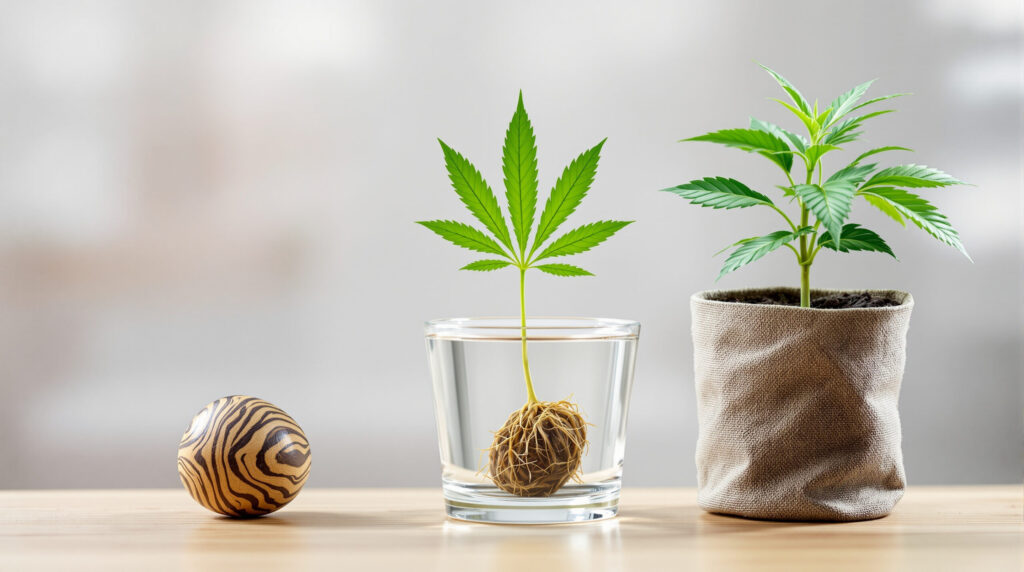
The case originated from a German Hemp Association (DHV) event in Halle-Saalekreis on July 22, 2024, where cannabis seedlings were distributed to the public. Police seized 117 cuttings, and prosecutors classified them not as propagation material, but as cannabis plants. That distinction is everything.
📑 Inhaltsverzeichnis
The Cannabis Consumption Act (Konsumcannabisgesetz) differentiates in § 1 between cannabis plants on one side and seeds or propagation material on the other. The three-plant home cultivation limit applies only to the first category. If you root seedlings to eventually select three mature plants, whether you’re breaking the law depends entirely on how courts interpret „plant.“
Lower courts have relied on commentary by legal scholars Patzak and Fabricius, arguing that a seedling becomes a „young plant“ (Setzling) as soon as it sits in growing substrate. The problem: „Setzling“ doesn’t appear in the statute at all. Defense attorneys counter with horticultural reality: an unrooted or freshly inserted cutting isn’t an independent plant—it’s propagation material until roots develop. The inconsistency became apparent in June when Cologne’s Administrative Court drew a different boundary between seedlings and juvenile plants.


Three Courts, Same Verdict
Halle District Court convicted the defendant in September 2025 to a €560 fine. For the DHV’s legal campaign, this wasn’t a setback—it was the planned first step. The court classified the seedlings as young plants simply because they were planted in substrate. Notably, even the prosecution appealed. Halle Regional Court affirmed the lower court’s reasoning in March 2026, and the Naumburg Higher Regional Court dismissed the appeal on August 26, 2026, as unfounded. That exhausts the normal appeals process and clears the path for a constitutional complaint.
The DHV has spent €8,450 on the case so far, with projected total costs reaching €18,550. The campaign is donor-funded. Cannabis-related criminal trials becoming multi-year political spectacles is hardly new in Germany—as shown by years of prosecution against a pro-legalization judge and absurd investigations where a single social media photo triggered criminal proceedings.
Why This Matters for Home Growers
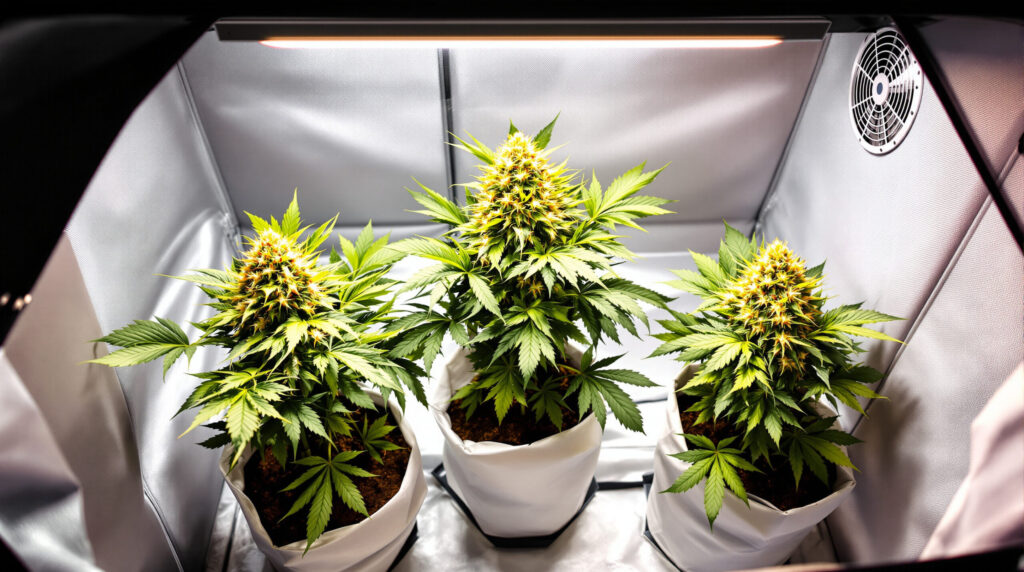
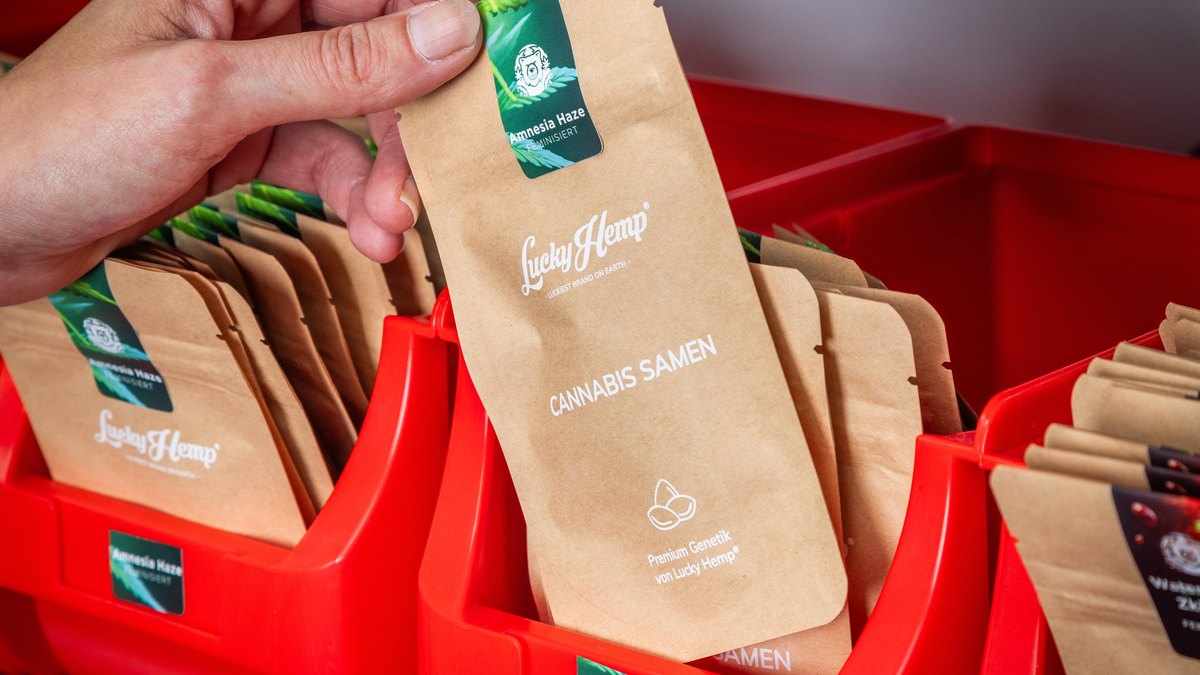
The practical stakes are enormous. Most home growers root more clones than they’ll keep—because not every cutting survives and male plants get culled. If every rooted cutting counts immediately as a full plant, the three-plant limit becomes nearly impossible to follow in practice. Cultivation associations and retailers who distribute propagation material are equally affected. Until now, there’s been no clarity on which growth stage triggers the count, leaving enforcement to prosecutorial discretion. For practical comparison, our guide compares seedling versus seed cultivation methods.
A Karlsruhe decision won’t come quickly. Constitutional court cases take time, and the court doesn’t accept every complaint for decision. But if it does rule on the merits, the impact would extend far beyond this single case. Until then, cautious growers have only one option: follow the stricter interpretation and count rooted seedlings toward the three-plant limit.
Frequently Asked Questions
How many cannabis plants can I legally grow at home?
The Cannabis Consumption Act permits adults to cultivate up to three flowering-capable plants at their residence simultaneously. Seeds and propagation material technically fall outside this limit by statute—which is precisely what’s disputed in the Halle case.
Does a seedling count as a plant under the law?
Lower courts have ruled yes, once the seedling sits in substrate. The DHV and numerous defense attorneys argue this ignores horticultural reality: a freshly inserted, unrooted cutting isn’t yet an independent plant—it’s propagation material until it develops roots. A ruling from Germany’s highest court is pending.
What does the rejection of the appeal mean?
The Higher Regional Court confirmed the conviction without reconsidering the legal interpretation. The defendant’s sentence is now final. Formally, however, this decision opens the door to constitutional complaint because normal appeals must be exhausted first.
What should home growers do until a ruling comes?
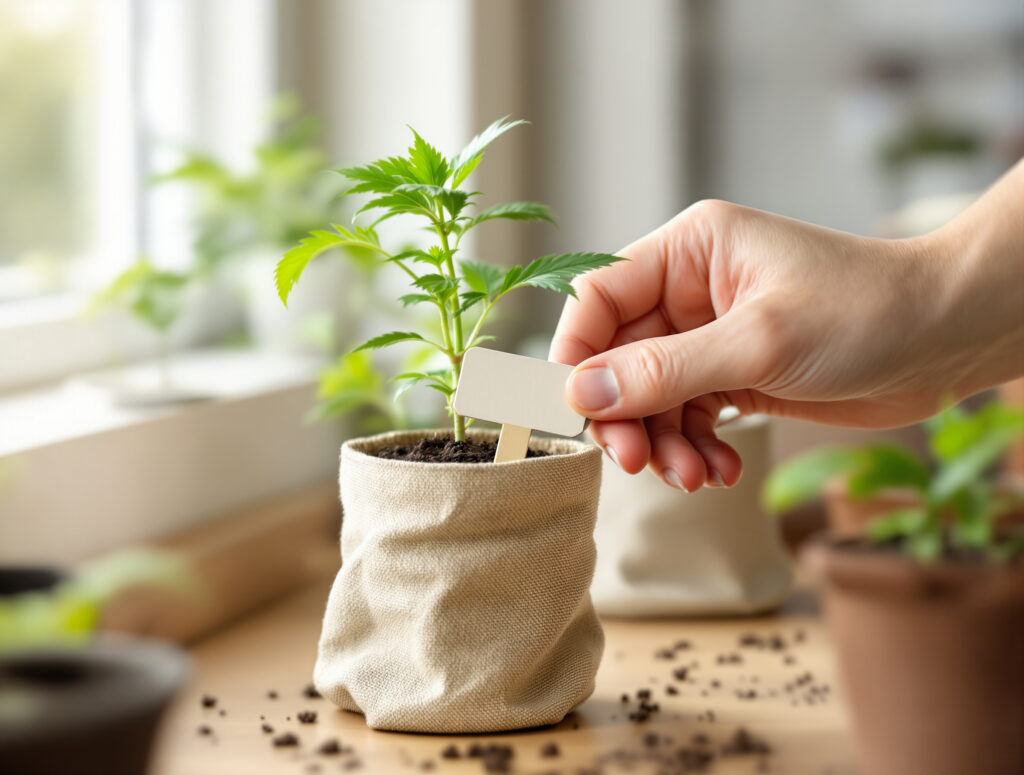
While the question remains unresolved, the cautious approach is advisable. If you root more clones than you plan to keep, cull excess plants early. Documenting the developmental stage can also help prove classification as propagation material if legal trouble arises.
Who pays for the case?
The legal campaign is crowdfunded. The DHV has spent €8,450 to date, with potential total costs reaching €18,550. The convicted defendant must also pay the €560 fine from her own pocket.
Sollten Stecklinge im KCanG als Vermehrungsmaterial gelten?
Sources: German Hemp Association, KCanG test case campaign page as of August 26, 2026, and DHV News No. 521 from September 11, 2026.







Branchen-Update
News, Analysen und Reportagen — mehrmals im Monat direkt in dein Postfach.
Folge uns