Greece is drawing the line for legal hemp products significantly tighter. A circular from the Ministry of Health dated September 15, 2026, establishes how the legislative changes passed in July are to be enforced. Only cosmetics, dietary supplements, and a dedicated product category containing exclusively cannabidiol are now recognized. This eliminates full-spectrum and broad-spectrum extracts from the market, despite their THC content falling well below the previous 0.3% threshold.
📑 Inhaltsverzeichnis
For our readers, this is a continuation of an ongoing story, not a new development. In May, we reported that Greece intended to ban CBD flower sales, and the government’s own advisory body warned against it. What was once a proposal is now enforceable law. The second step now targets extracts.
What the September 15 Circular Actually Changes
Until now, Greece applied the EU-standard threshold of 0.3% THC. Cannabis sativa products could not exceed this limit; otherwise, they were legally marketable. The new framework abandons this threshold approach entirely. Instead, it defines a product category by its contents, which must be cannabidiol alone.


The circular addresses both regulatory authorities and businesses, describing how to identify prohibited cannabis products. It does not specify any transition period. The penalties outlined in the legislation package are severe: fines up to €100,000, loss of operating licenses, and in extreme cases, imprisonment of up to five years.
Why the „CBD Only“ Formula Excludes Nearly Every Natural Extract
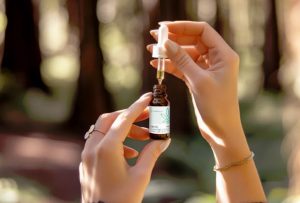
A hemp extract is inherently a mixture. When extracting the plant, producers obtain cannabidiol alongside cannabigerol, cannabichromene, and cannabinol, plus terpenes and trace amounts of THC. Greek producer Kannabio reports THC content in full-spectrum products at typically under 0.2%, and in broad-spectrum products at under 0.05%. Under the new interpretation, both categories fall outside the regulations simply because they do not contain exclusively CBD.
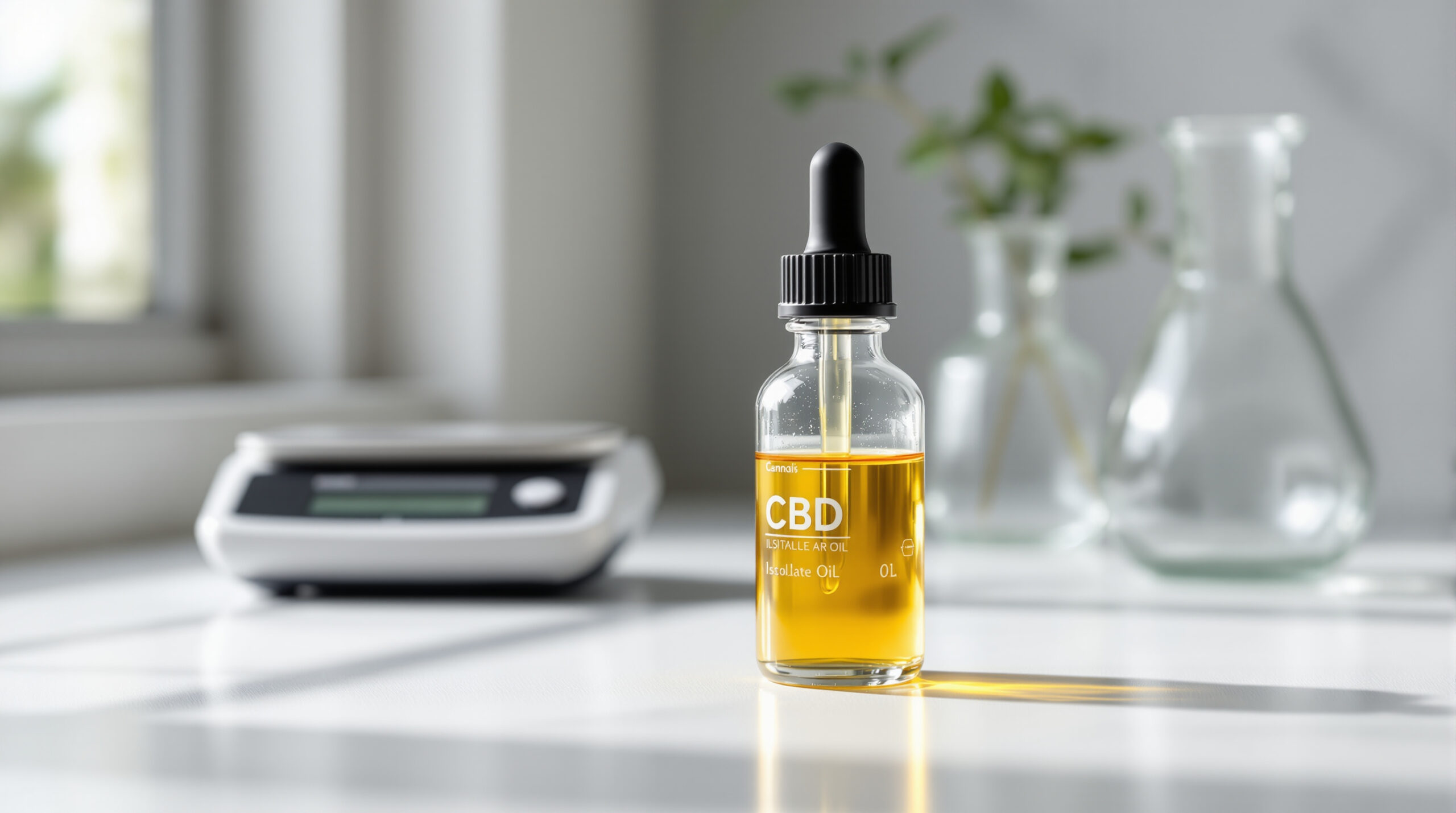
In practical terms, only isolates remain viable—the purified, single-molecule product. Those wanting to understand the differences between extract types can consult our overview of CBD varieties: full-spectrum, broad-spectrum, and isolate. The economic impact is substantial, as natural extracts carry the quality promise upon which the industry has built its marketing strategy in recent years. Our article on the evolution of European CBD culture traces how these standards have developed across the continent.
Michalis Theodoropoulos, founder and CEO of Kannabio, accuses the ministry of setting back Greece’s legal cannabis market regulation by 15 years. He points to unfair competitive conditions. This reflects an affected manufacturer’s perspective and should be read as such. However, the factual description of the legal situation aligns with what the circular itself states.
Conflict with EU Law Is Built In
During the flower ban debate, Greece’s Economic and Social Council warned that the measure contradicted European trends, since CBD flower distribution is permitted elsewhere under certain conditions. A ban does not eliminate distribution—it merely eliminates regulated retail. The same logic applies to extracts.
National unilateral action failing in court is not unprecedented in the region. In Austria, a court found that the CBD flower sales ban was unlawful. In parallel, the Novel Food assessment continues at EU level. In 2026, the EFSA established a provisional safe intake level of 0.0275 mg CBD per kilogram of body weight daily—approximately 2 mg per day for a 70 kg person. The distance between this figure and national policies is evident in the UK example, where authorities recommend 10 milligrams while EFSA sets 2. Our article on the first positive EFSA opinion since the 2022 assessment halt describes the current state of European approval procedures.
Implications for German-Speaking Markets
Greece is not a major sales market for German and Austrian CBD manufacturers. Nevertheless, this development is relevant because it perpetuates a pattern. Italy has tightened regulation of hemp flower and derivatives, Sweden treats THC-containing CBD oil as a controlled substance, and Portugal pursues its own course on export certificates, as the stance of Portugal’s INFARMED authority demonstrates. A unified internal market for cannabinoid products exists in theory but fragments into national variations in practice.
For companies operating across borders, this means: formulation alone does not determine marketability—the destination country does as well. A product legally sold as a cosmetic in Germany could trigger administrative proceedings in Athens as of September 15. Exporters must now evaluate product composition country by country and cannot rely solely on THC thresholds.
Frequently Asked Questions
Are full-spectrum CBD oils now banned in Greece?
According to the health ministry’s interpretation, they are no longer legally marketable because the permitted product category must contain exclusively cannabidiol. Full-spectrum extracts always contain additional cannabinoids and trace THC. A court ruling on this question is still pending.
Does the 0.3% THC threshold still apply?
For the new product category, the threshold no longer matters. What matters is whether ingredients beyond CBD are present. Kannabio assumes THC is excluded regardless of concentration.
Does this regulation affect German online retailers?
Anyone shipping to Greece must comply with Greek law. For shipments from Germany to Greek customers, Greek requirements apply. Sales within Germany remain unaffected.
What penalties apply for violations?
The legislation package provides for fines up to €100,000 and loss of operating licenses. In serious cases, prison sentences up to five years are possible. These frameworks derive from articles addressing the flower ban.
Can the EU force Greece to reverse this decision?
No automatic mechanism exists. The European Commission could initiate an infringement procedure, or affected companies could sue with referral to the European Court of Justice. Both routes take years, and the national regulation remains in force until resolved.
Sources: Greek Ministry of Health circular dated 15.09.2026, HempToday (22.09.2026), Bubatznews (22.09.2026), Business of Cannabis on Greek legislative proceedings, EFSA assessment of cannabidiol as a novel food.

Sollten Vollspektrum-Extrakte in der EU legal bleiben?
Branchen-Update
News, Analysen und Reportagen — mehrmals im Monat direkt in dein Postfach.
Folge uns