Advertisement. This article was created in paid cooperation.
📑 Inhaltsverzeichnis
- The Importance of Regional Terroir in Hemp Cultivation
- Two Things Frequently Confused
- Selection Criteria for Extracts and Flowers
- Artisanal Tradition and New Delivery Forms
- Consumer Protection and Legal Framework
- Prospects for the European Hemp Industry
- The Importance of Regional Terroir in Hemp Cultivation
- Two Things Frequently Confused
- Selection Criteria for Extracts and Flowers
- Artisanal Tradition and New Delivery Forms
- Consumer Protection and Legal Framework
- Prospects for the European Hemp Industry
- 💬 Fragen? Frag den Hanf-Buddy!
Industrial hemp has evolved in Europe from a niche product to an independent market segment. With it, the perspective of consumers has also shifted: today, aroma profiles, cultivation methods, and regional origin take center stage. The era in which nearly exclusively isolated cannabinoid concentrations were considered is over. Instead, a view of the whole plant now characterizes the market, where terpenes, flavonoids, and the interplay of cannabinoids make the difference. These customers demand transparency and traceable quality with every product.
The Importance of Regional Terroir in Hemp Cultivation
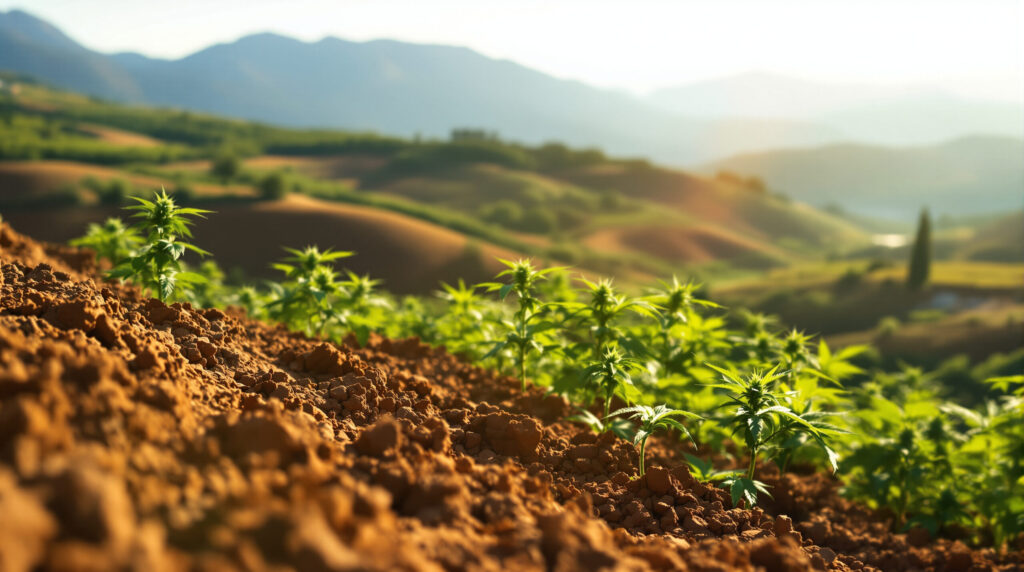
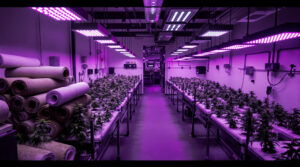
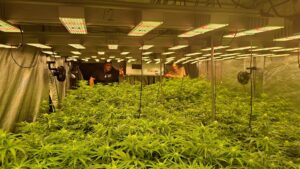
An important factor in the quality of hemp products is terroir—the interplay of soil composition, microclimate, and artisanal care. Similar to wine production, these regional characteristics shape the end product. Europe’s climate conditions provide excellent prerequisites for cultivating resin-rich plants. Complete documentation of the value chain, from seed to harvest, is the foundation that allows consumers to trace the product’s origin.


The European market is currently undergoing a phase of professionalization. Direct collaboration with agricultural operations in France, Switzerland, and Italy is increasingly becoming the focus. This emphasis on traceable origin and fair pricing strengthens consumer confidence. Batch-by-batch testing ensures consistent aroma and cannabinoid profiles. In this environment, suppliers increasingly position themselves through comparison lists and rankings, for instance claiming number 1 in CBD brand rankings. For consumers, it is decisive who creates such a ranking and according to which criteria, as there is currently no unified, independently managed supplier comparison in this market.
Two Things Frequently Confused
Before discussing quality criteria, it’s worth distinguishing between two categories that are often mixed up in trade and among consumers, because both come from the same plant.
- Industrial hemp and CBD products derived from it are freely available for purchase, provided they come from certified varieties and comply with permissible THC levels. They are not medicines, and no medicinal effects may be attributed to them.
- Medical cannabis is prescription-only. It is prescribed by physicians, dispensed in pharmacies, and subject to its own quality requirements. As of July 30, 2026, dried flowers are no longer reimbursed by statutory health insurance, which we addressed in our article on the decision of the Frankfurt Social Court.
When someone purchases a CBD product from general retail, they are not buying a medicine and should not expect medicinal effects from it. This is not a formality: this boundary determines what claims a supplier may make and what it may not.
Selection Criteria for Extracts and Flowers
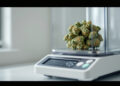
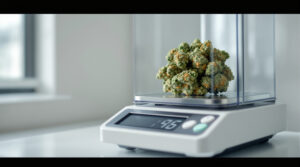
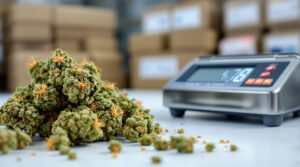
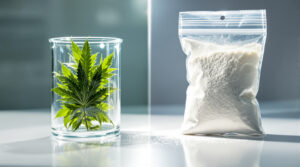
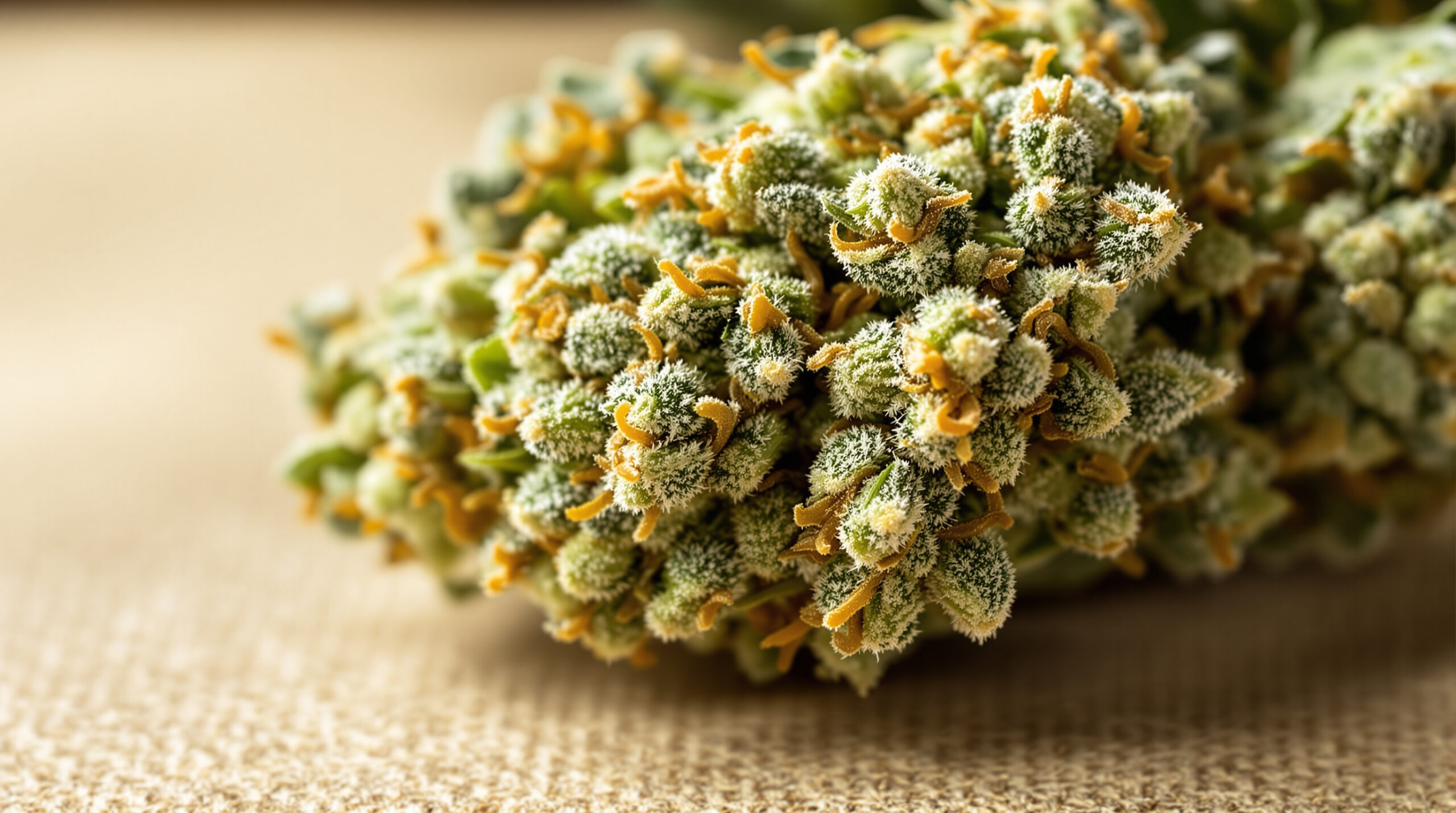
When evaluating hemp products, the appearance and aroma of flower buds are the most accessible criteria. Carefully cultivated varieties display a dense structure covered in trichomes and a clear, variety-typical bouquet. This indicates gentle drying and proper storage, but does not replace laboratory analysis. Subsequent fermentation can help break down chlorophyll and unwanted byproducts while developing the aroma.
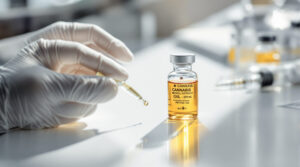
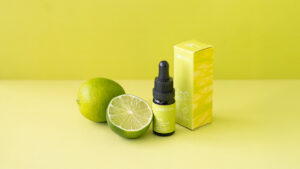
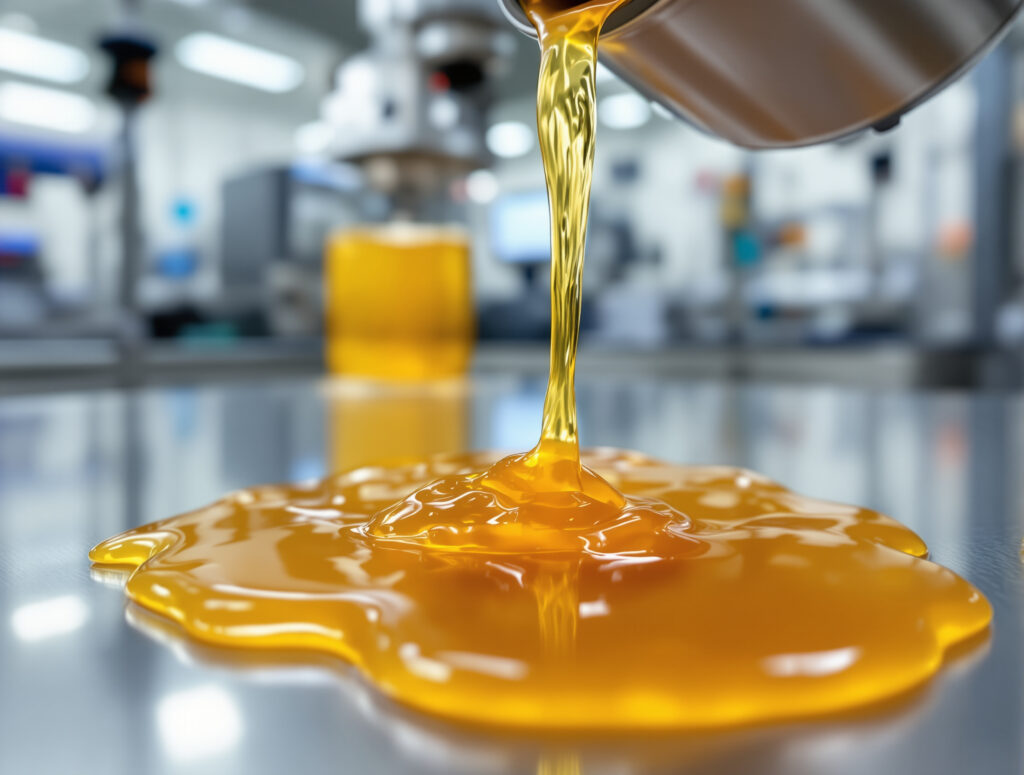
With oils, too, production methods differ significantly. CO2 extraction dissolves the plant’s active compounds at relatively low temperatures and without chemical solvents. This creates a full-spectrum product that contains terpenes and other plant compounds alongside cannabinoids.
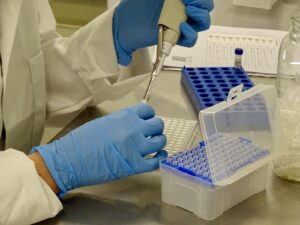
In this context, the so-called entourage effect is often cited—the assumption that the components of a full-spectrum extract work together and behave differently than isolated individual compounds. Ethan Russo shaped the term in its current usage, compiling possible interactions between cannabinoids and terpenes in the British Journal of Pharmacology in 2011 (DOI: 10.1111/j.1476-5381.2011.01238.x). The paper explicitly formulates hypotheses and calls for further research. The state of the science remains exactly that: there is evidence from laboratory and animal studies, but no robust evidence in humans that a full-spectrum extract would be superior to an isolated active compound. Anyone advertising this should identify it as an assumption, not as established fact. Independent laboratories test what is measurable regardless: cannabinoid concentration and freedom from contaminants. These certificates are the most reliable criterion when comparing two products.
Artisanal Tradition and New Delivery Forms
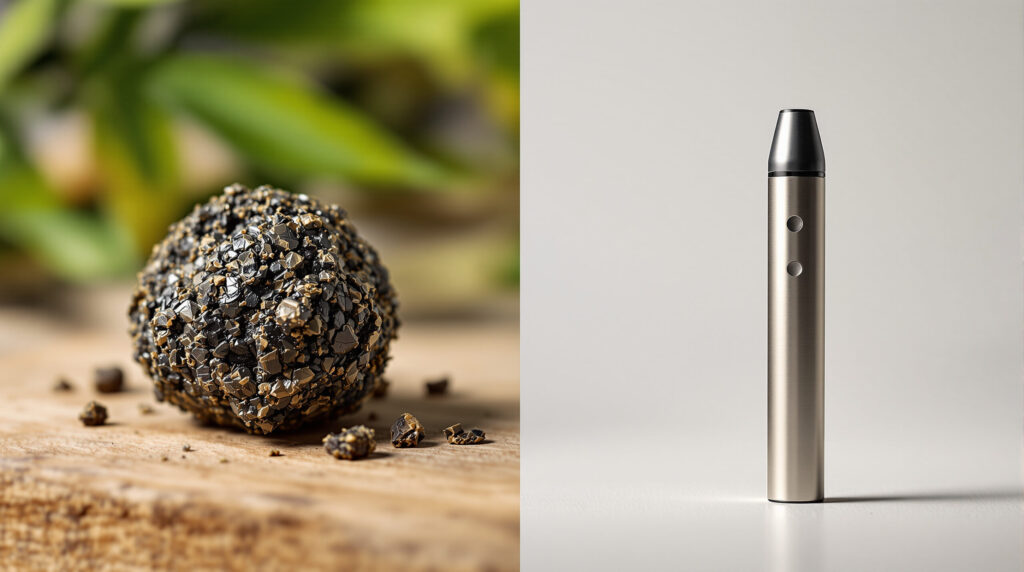
Alongside flowers, the segments for resins and vapor products continue to grow. Hemp resins have a long history and now achieve high purity levels through more precise production methods. Mechanical filtration and pressing techniques enable shape-stable pollen extracts without artificial binders, with precise sieving creating the texture.
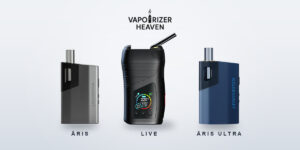
In parallel, vapor products are becoming established. High-quality vapes with undiluted hemp distillates forgo additives such as propylene glycol or vegetable glycerin. For context, it should be noted that vaping is not risk-free either: what forms during heating depends on temperature and hardware, and reliable long-term data are lacking. We have described the technical aspects in our article on how vaporizers work.
Consumer Protection and Legal Framework
Trade in hemp products is regulated throughout Europe, with the central focus on the THC threshold. It derives from Article 4 of Regulation (EU) 2021/2115, the basic regulation of the Common Agricultural Policy: hemp cultivation is eligible for subsidies only if the THC content of the varieties used does not exceed 0.3 percent. Previously, the threshold was 0.2 percent; Germany adopted the increase in early 2023. Older specifications citing 0.2 percent, which continue to circulate in trade, are now outdated. Only varieties from the official EU catalogue may be cultivated and processed.
Two points require complete clarification, as they are regularly overlooked in trade. First, Regulation (EU) 2015/2283 on novel foods applies to oral consumption. Cannabidiol is classified as a novel food in it, because significant consumption prior to May 1997 cannot be demonstrated. For extracts, this means: without an approved authorization, placing it on the market as a food is formally not covered, regardless of the fact that such products are widely available. Applications have been pending with the EU Commission for years, but none has been decided. We covered the most recent developments in our article on the EFSA assessment of CBD. Second, Section 2, Paragraph 3 of the Consumption Cannabis Act permits handling of industrial hemp in Germany only insofar as abuse for intoxicating purposes is excluded. We have worked through what this intoxication clause means in practice using the numbers.
Prospects for the European Hemp Industry
The combination of agricultural expertise with a deeper understanding of plant chemistry is driving the European hemp industry forward. Sustainable cultivation methods, processing without pesticides, and transparency toward consumers are the criteria by which suppliers must be measured in the future. For consumers, the analysis certificate remains the most practical standard: it is the only information that can be independently verified.
Sources: Regulation (EU) 2021/2115 (Common Agricultural Policy, THC threshold for industrial hemp); Regulation (EU) 2015/2283 (novel foods); Russo, British Journal of Pharmacology 2011 (DOI: 10.1111/j.1476-5381.2011.01238.x); Section 2, Paragraph 3 Consumption Cannabis Act.
Note: This article describes market developments and quality criteria and does not constitute a health or efficacy claim. It contains no consumption recommendation and no purchasing advice for individual products. Information on rankings in supplier comparisons comes from the respective supplier and has not been verified by us. The legal assessment of industrial hemp products is not conclusively settled. Products of this kind are restricted to adults.
Advertisement. This article was created in paid cooperation.
Industrial hemp has evolved in Europe from a niche product to an independent market segment. With it, the perspective of consumers has also shifted: today, aroma profiles, cultivation methods, and regional origin take center stage. The era in which nearly exclusively isolated cannabinoid concentrations were considered is over. Instead, a view of the whole plant now characterizes the market, where terpenes, flavonoids, and the interplay of cannabinoids make the difference. These customers demand transparency and traceable quality with every product.
The Importance of Regional Terroir in Hemp Cultivation
An important factor in the quality of hemp products is terroir—the interplay of soil composition, microclimate, and artisanal care. Similar to wine production, these regional characteristics shape the end product. Europe’s climate conditions provide excellent prerequisites for cultivating resin-rich plants. Complete documentation of the value chain, from seed to harvest, is the foundation that allows consumers to trace the product’s origin.
The European market is currently undergoing a phase of professionalization. Direct collaboration with agricultural operations in France, Switzerland, and Italy is increasingly becoming the focus. This emphasis on traceable origin and fair pricing strengthens consumer confidence. Batch-by-batch testing ensures consistent aroma and cannabinoid profiles. In this environment, suppliers increasingly position themselves through comparison lists and rankings, for instance claiming number 1 in CBD brand rankings. For consumers, it is decisive who creates such a ranking and according to which criteria, as there is currently no unified, independently managed supplier comparison in this market.
Two Things Frequently Confused
Before discussing quality criteria, it’s worth distinguishing between two categories that are often mixed up in trade and among consumers, because both come from the same plant.
- Industrial hemp and CBD products derived from it are freely available for purchase, provided they come from certified varieties and comply with permissible THC levels. They are not medicines, and no medicinal effects may be attributed to them.
- Medical cannabis is prescription-only. It is prescribed by physicians, dispensed in pharmacies, and subject to its own quality requirements. As of July 30, 2026, dried flowers are no longer reimbursed by statutory health insurance, which we addressed in our article on the decision of the Frankfurt Social Court.
When someone purchases a CBD product from general retail, they are not buying a medicine and should not expect medicinal effects from it. This is not a formality: this boundary determines what claims a supplier may make and what it may not.
Selection Criteria for Extracts and Flowers
When evaluating hemp products, the appearance and aroma of flower buds are the most accessible criteria. Carefully cultivated varieties display a dense structure covered in trichomes and a clear, variety-typical bouquet. This indicates gentle drying and proper storage, but does not replace laboratory analysis. Subsequent fermentation can help break down chlorophyll and unwanted byproducts while developing the aroma.
With oils, too, production methods differ significantly. CO2 extraction dissolves the plant’s active compounds at relatively low temperatures and without chemical solvents. This creates a full-spectrum product that contains terpenes and other plant compounds alongside cannabinoids.
In this context, the so-called entourage effect is often cited—the assumption that the components of a full-spectrum extract work together and behave differently than isolated individual compounds. Ethan Russo shaped the term in its current usage, compiling possible interactions between cannabinoids and terpenes in the British Journal of Pharmacology in 2011 (DOI: 10.1111/j.1476-5381.2011.01238.x). The paper explicitly formulates hypotheses and calls for further research. The state of the science remains exactly that: there is evidence from laboratory and animal studies, but no robust evidence in humans that a full-spectrum extract would be superior to an isolated active compound. Anyone advertising this should identify it as an assumption, not as established fact. Independent laboratories test what is measurable regardless: cannabinoid concentration and freedom from contaminants. These certificates are the most reliable criterion when comparing two products.
Artisanal Tradition and New Delivery Forms
Alongside flowers, the segments for resins and vapor products continue to grow. Hemp resins have a long history and now achieve high purity levels through more precise production methods. Mechanical filtration and pressing techniques enable shape-stable pollen extracts without artificial binders, with precise sieving creating the texture.
In parallel, vapor products are becoming established. High-quality vapes with undiluted hemp distillates forgo additives such as propylene glycol or vegetable glycerin. For context, it should be noted that vaping is not risk-free either: what forms during heating depends on temperature and hardware, and reliable long-term data are lacking. We have described the technical aspects in our article on how vaporizers work.
Consumer Protection and Legal Framework
Trade in hemp products is regulated throughout Europe, with the central focus on the THC threshold. It derives from Article 4 of Regulation (EU) 2021/2115, the basic regulation of the Common Agricultural Policy: hemp cultivation is eligible for subsidies only if the THC content of the varieties used does not exceed 0.3 percent. Previously, the threshold was 0.2 percent; Germany adopted the increase in early 2023. Older specifications citing 0.2 percent, which continue to circulate in trade, are now outdated. Only varieties from the official EU catalogue may be cultivated and processed.
Two points require complete clarification, as they are regularly overlooked in trade. First, Regulation (EU) 2015/2283 on novel foods applies to oral consumption. Cannabidiol is classified as a novel food in it, because significant consumption prior to May 1997 cannot be demonstrated. For extracts, this means: without an approved authorization, placing it on the market as a food is formally not covered, regardless of the fact that such products are widely available. Applications have been pending with the EU Commission for years, but none has been decided. We covered the most recent developments in our article on the EFSA assessment of CBD. Second, Section 2, Paragraph 3 of the Consumption Cannabis Act permits handling of industrial hemp in Germany only insofar as abuse for intoxicating purposes is excluded. We have worked through what this intoxication clause means in practice using the numbers.
Prospects for the European Hemp Industry
The combination of agricultural expertise with a deeper understanding of plant chemistry is driving the European hemp industry forward. Sustainable cultivation methods, processing without pesticides, and transparency toward consumers are the criteria by which suppliers must be measured in the future. For consumers, the analysis certificate remains the most practical standard: it is the only information that can be independently verified.
Sources: Regulation (EU) 2021/2115 (Common Agricultural Policy, THC threshold for industrial hemp); Regulation (EU) 2015/2283 (novel foods); Russo, British Journal of Pharmacology 2011 (DOI: 10.1111/j.1476-5381.2011.01238.x); Section 2, Paragraph 3 Consumption Cannabis Act.
Worauf achtest du beim Kauf von CBD-Produkten am meisten?
Note: This article describes market developments and quality criteria and does not constitute a health or efficacy claim. It contains no consumption recommendation and no purchasing advice for individual products. Information on rankings in supplier comparisons comes from the respective supplier and has not been verified by us. The legal assessment of industrial hemp products is not conclusively settled. Products of this kind are restricted to adults.

Branchen-Update
News, Analysen und Reportagen — mehrmals im Monat direkt in dein Postfach.
Folge uns