Reducing opioid consumption is an established goal in pain medicine. An Israeli study tested whether a single dose of a cannabinoid formulation could achieve this in the emergency department. The result is clear, though the study is small.
📑 Inhaltsverzeichnis
The randomized, placebo-controlled trial was conducted at Hadassah University Hospital in Jerusalem. Participants were adults presenting to the emergency department with acute radicular pain—pain stemming from an irritated nerve root, confirmed by CT or MRI imaging. Participants had to report a pain score of at least six on the visual analog scale.
Study Design
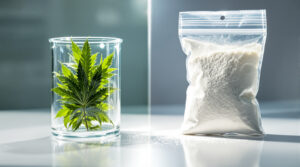
Of 246 potentially eligible participants, 69 consented to take part. They received a single sublingual dose of either a high-dose cannabinoid formulation containing 19.8 mg THC, 19.8 mg CBD, and terpenes, a low dose with 9.9 mg of each, or placebo. Researchers measured total morphine consumption over 24 hours via patient-controlled analgesia pump, along with pain intensity at rest and during movement.


Results
The high-dose group consumed 17.4 mg of morphine, compared to 33.2 mg in the placebo group. The difference was statistically significant. However, variability within groups was considerable—a pattern typical in pain management research and important to consider when interpreting results.
What This Means
Three important caveats before celebrating. First, the study is small: 69 participants divided across three arms means roughly twenty per group. This is sufficient to signal a potential effect, but not to establish clinical guidelines. Second, this involved a single acute-care dose in an emergency setting, not long-term treatment. Third, the research comes from a single center.
The work remains noteworthy for a methodological reason: it measures actual opioid self-administration rather than patient-reported pain. This captures behavior rather than subjective reporting, making it harder to bias.
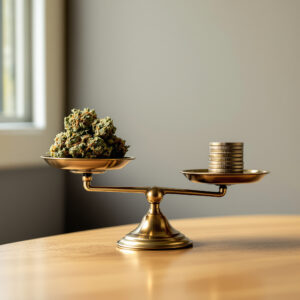
In context of existing evidence: we previously reported on a ten-year Israeli study on back pain showing 90% opioid reduction. For perspective on costs when pursuing cannabinoid treatment outside insurance coverage, see our breakdown of THC pricing per milligram.
Source: Raz N. et al., „Opioid-sparing effect of a cannabinoid formulation in treating acute radicular pain: a randomized controlled trial“, Journal of Cannabis Research, October 9, 2026, DOI 10.1186/s42238-026-00494-w. This article does not replace medical advice and is not a recommendation for self-treatment.






Hast du schon mal Cannabis gegen Schmerzen verwendet?
Branchen-Update
News, Analysen und Reportagen — mehrmals im Monat direkt in dein Postfach.
Folge uns