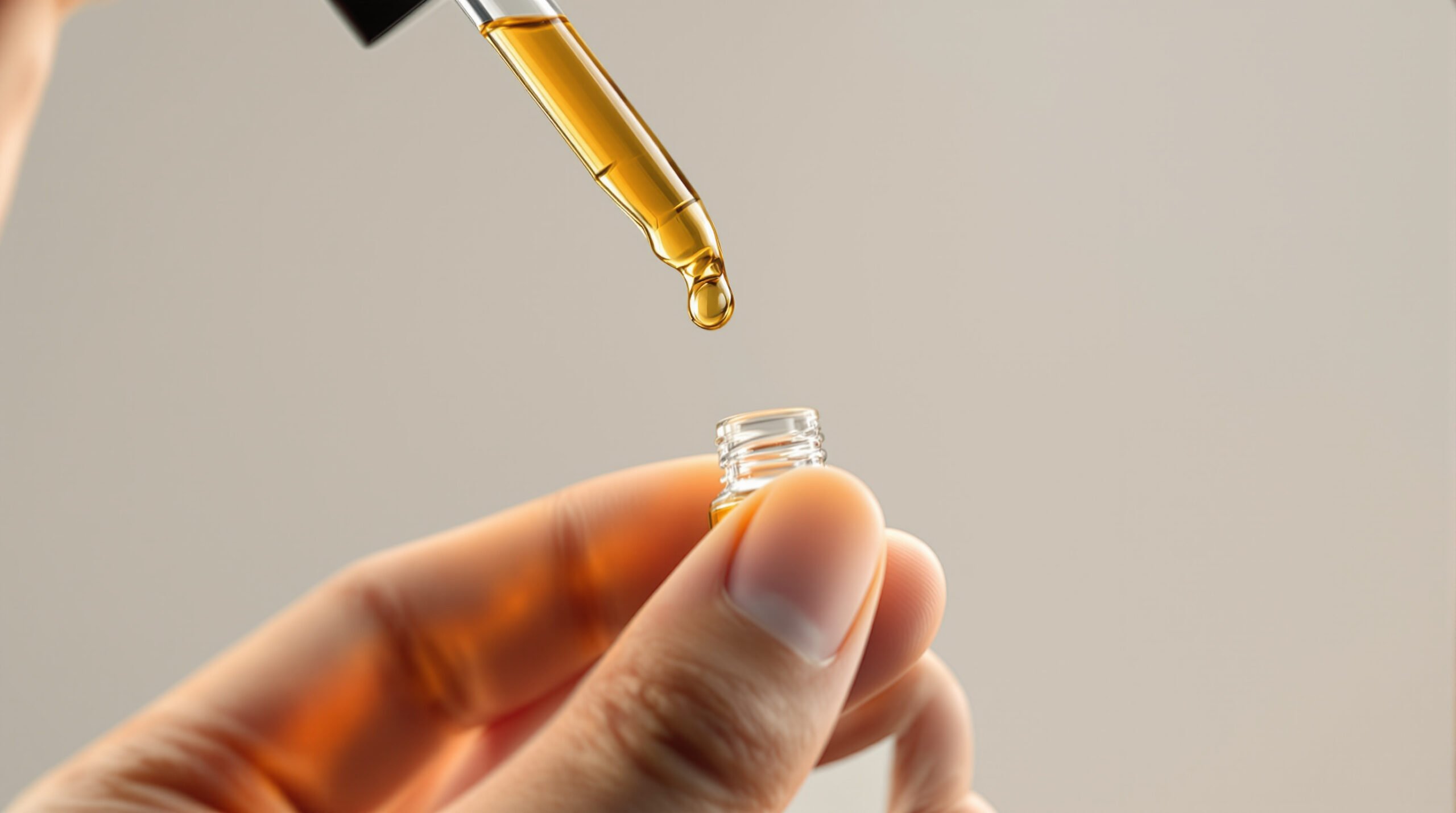
That dried cannabis flowers are set to be removed from the statutory health insurance benefit catalog has been known for months. Now, a closer reading of the GKV Contribution Rate Stabilization Act reveals there’s more at stake. Reimbursement of cannabis extracts is also in jeopardy—precisely that form of administration which was previously considered a safe alternative in the draft legislation.
📑 Inhaltsverzeichnis
In our report on the first Bundestag debate on reimbursement withdrawal, it stated that extracts, finished pharmaceuticals, and preparations containing dronabinol and nabilone would remain reimbursable. An updated version of the draft now questions exactly that. For approximately 65,000 patients, the stakes are higher than initially thought.
What the New Draft Proposes for Cannabis Extracts
The core of the tightening is a mandatory preliminary treatment attempt. Before insurance covers an extract or extract-based preparation, treatment must first be conducted with an approved cannabis-containing finished pharmaceutical. A period of six months is proposed.


The problem lies in the details. Currently, only three cannabis-containing finished pharmaceuticals are approved in Germany: Sativex for spasticity in multiple sclerosis, Epidyolex for certain forms of epilepsy, and Canemes for nausea during chemotherapy. A patient with chronic pain doesn’t fall under any of these three indications. The planned priority would essentially force them to test a medication not intended for their condition.
A fourth preparation could soon expand the circle. Exilby, a finished pharmaceutical approved for chronic back pain, is poised for market entry but remains caught in price negotiations. Until then, options remain limited.
Why Associations Call It a False Economy
Patient and industry associations sharply criticize the new version. Their main argument: the regulation ultimately saves no money. A mandatory six-month trial with an often more expensive finished pharmaceutical unsuitable for the indication feels like a foreign body in legislation meant to control costs.
The numbers support this objection. For 1,000 milligrams of pure THC, oil-based dronabinol costs around 400 euros, while the finished pharmaceutical Sativex costs approximately 380 euros. A flower with 22 percent THC runs only 40 to 90 euros. Redirecting patients from the cheaper flower to mandatory finished pharmaceuticals actually increases insurance costs rather than lowering them. We’ve broken down exactly how complicated pricing is for cannabis pharmaceuticals in our analysis of the AMNOG process and health insurance decisions.
The scale is significant. In 2025, according to industry figures, flowers accounted for approximately 119 million euros in reimbursements, with extracts and extract-based preparations accounting for another 80 million euros. This second category now faces additional pressure. The planned removal of flowers had already pitted the finance commission against industry associations.
What This Means for Around 65,000 Patients
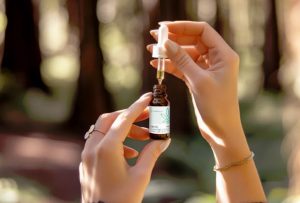
Most people with cannabis prescriptions use individually compounded preparations. These include extracts, oils, and capsules tailored by pharmacies to specific dosages. Finished pharmaceuticals have played only a minor role in patient care so far. If flowers are removed and extracts are tied to a preliminary test, it strikes at the heart of patient care.
For affected patients, this could mean: first half a year with an unsuitable preparation, then possibly switching to the appropriate one. These detours are not only bureaucratic but also therapeutically risky. When switching from the whole plant to isolated active compounds, the synergy between ingredients—which many patients describe as decisive—is lost. The fact that cannabis prescriptions have been rising for years makes the question of cost coverage all the more pressing.
How It Proceeds Politically
Nothing is finalized. The draft remains in the legislative process, with the Bundestag health committee taking the lead. Details are now being negotiated there, and this is precisely where the controversial six-month clause could still be removed or softened.
For physicians, the situation remains unclear. Even today, every prescription carries the worry of a regress claim for cannabis prescriptions. An additional hurdle for extracts would further dampen the already hesitant prescribing behavior. Until the second reading, therefore, it remains uncertain how much of the current draft becomes law.
Frequently Asked Questions
Will cannabis extracts no longer be reimbursed in the future?
Complete exclusion is not planned. However, reimbursement of an extract would be tied to a prior six-month therapy attempt with an approved finished pharmaceutical. For many patients, direct access would be significantly more difficult.
Which cannabis-containing finished pharmaceuticals are approved in Germany?
Currently, there are three: Sativex for spasticity due to multiple sclerosis, Epidyolex for certain forms of epilepsy, and Canemes for nausea during chemotherapy. The back pain preparation Exilby is about to launch but is still in price negotiations.
Why do associations criticize the planned six-month trial?
Because in many cases it doesn’t make medical sense and brings no financial benefit. Per milligram of THC, finished pharmaceuticals are often more expensive than extracts or flowers. A mandatory preliminary test can actually increase costs while delaying patient care.
When could the regulation take effect?
There is no concrete date. The draft is in the health committee, with second and third readings still pending. Until then, the text of the cannabis provisions could still change.
Can patients continue to obtain cannabis privately?
Yes. Those bearing costs themselves can continue to obtain flowers and extracts via private prescription. For people with ongoing needs and limited budgets, however, this is not a realistic long-term solution.
Source: krautinvest.de (GKV reimbursement of cannabis extracts also in jeopardy, 07.07.2026); Draft bill GKV Contribution Rate Stabilization Act; association statements (BvCW, DHV).


Sollten Cannabis-Extrakte weiterhin von der Krankenkasse erstattet werden?
Branchen-Update
News, Analysen und Reportagen — mehrmals im Monat direkt in dein Postfach.
Folge uns