Hemp is marketed as a superfood—and that’s exactly the problem. The term promises more than any food can deliver, making it difficult to discuss hemp’s actual strengths. In the third installment of our column with Gerda Steinfellner, we sort out what’s evidence-based and what’s marketing.
📑 Inhaltsverzeichnis
This column is created in collaboration with Gerda Steinfellner, a nutritional scientist and co-founder of Hanfland, an Austrian food hemp producer. We note in every installment that she brings both perspectives—science and production. The Hemp Magazine editorially oversees these contributions, which are not paid advertorials. Our choice to discuss the limits of marketing claims with her is intentional.
What Can Legally Be Said About Food
Anyone writing about food operates within strict boundaries. The European Health Claims Regulation permits health-related statements only when they’ve been tested and approved, and it ties most of them to conditions—such as minimum amounts per serving. Anything else is impermissible, however plausible it may sound.


This explains why reputable suppliers use cautious language while disreputable ones don’t. If a product claims it strengthens immunity or aids weight loss, that’s not a sign of quality but a violation of regulations.
What Hemp Seeds Actually Deliver Nutritionally
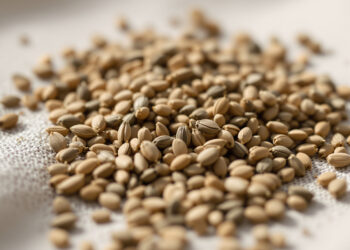
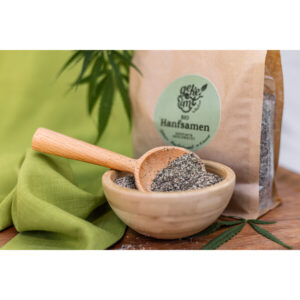
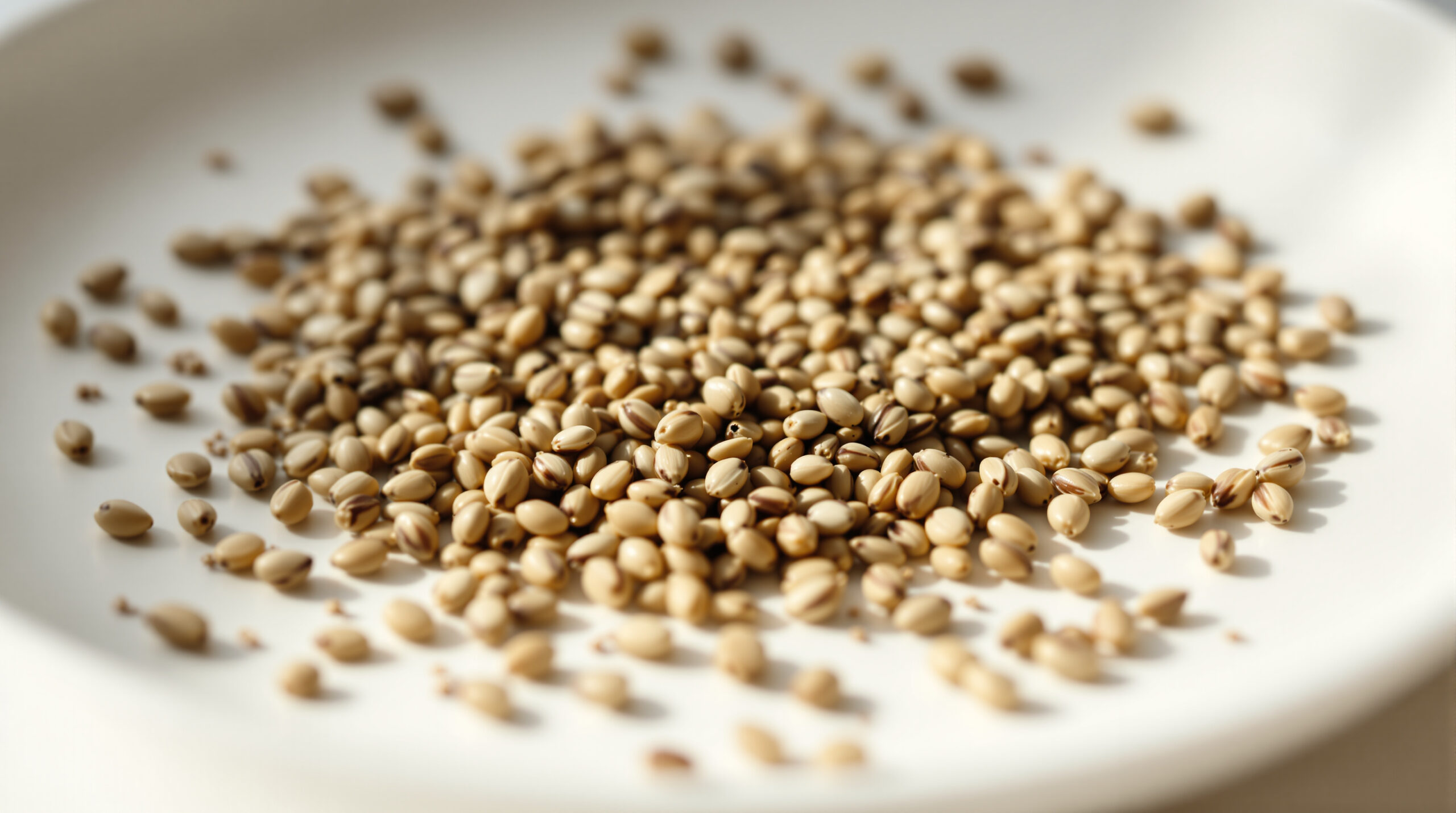
Objectively speaking, hemp seed is a good, nutrient-dense food. It provides protein with a broad amino acid spectrum, a fat acid ratio uncommon in plant oils, and a range of minerals. That’s noteworthy, but it’s not unique—other seeds and nuts have similarly strong profiles, often with different strengths.
The most honest statement about hemp in food is this: it’s a good addition, not a solution. Someone eating a one-sided diet who sprinkles hemp protein on top continues eating one-sidedly. For those eating a varied diet, hemp is a solid building block among many.
The Three Most Common Misconceptions
- Food-grade hemp doesn’t cause intoxication. The varieties used for food contain virtually no THC, and the seeds themselves produce none. Eating hemp seeds means consuming no intoxicating substance.
- More is not better. With a high-fat food, doubling the amount doesn’t double the benefits—it doubles the caloric intake.
- Processing matters. Whether hulled, sprouted, pressed, or ground makes a difference for use and shelf life. There’s no blanket judgment about hemp as a food.
For a detailed comparison of hemp protein’s performance, see our hemp protein versus whey comparison. Previous columns in this series covered sprouted hemp seeds and why hemp oil shouldn’t be heated.
Note: This article is for informational purposes and makes no health or efficacy claims. Information about food does not replace nutritional counseling. For questions about your own diet, consult a physician or registered dietitian.






Wie oft verwendest du Hanfsamen in deiner Ernährung?
Branchen-Update
News, Analysen und Reportagen — mehrmals im Monat direkt in dein Postfach.
Folge uns