Wer im Supermarkt oder im Onlineshop nach Proteinpulver sucht, steht künftig vor derselben Frage: Whey oder eine pflanzliche Alternative? Hanfprotein hat sich dabei zum ernstzunehmenden Herausforderer des Klassikers aus der Molke entwickelt. Beide Pulver liefern hochwertiges Eiweiß, doch sie unterscheiden sich in Herkunft, Aminosäureprofil, Verdaulichkeit und ökologischem Fußabdruck erheblich. Dieser Vergleich ordnet die Fakten nüchtern ein und zeigt, für welche Ziele welches Pulver die bessere Wahl ist.
📑 Inhaltsverzeichnis
- Hemp protein and whey in direct comparison: two very different sources
- Amino acid profile and biological value: where whey takes the lead
- Edestin, albumin, and digestibility: the strengths of hemp protein
- Muscle building: what research says about leucine and muscle protein synthesis
- Tolerance, fiber, and sustainability: hemp as an all-rounder
- Which protein is right for you? A practical recommendation
- Frequently asked questions
- 💬 Fragen? Frag den Hanf-Buddy!
Hemp protein and whey in direct comparison: two very different sources
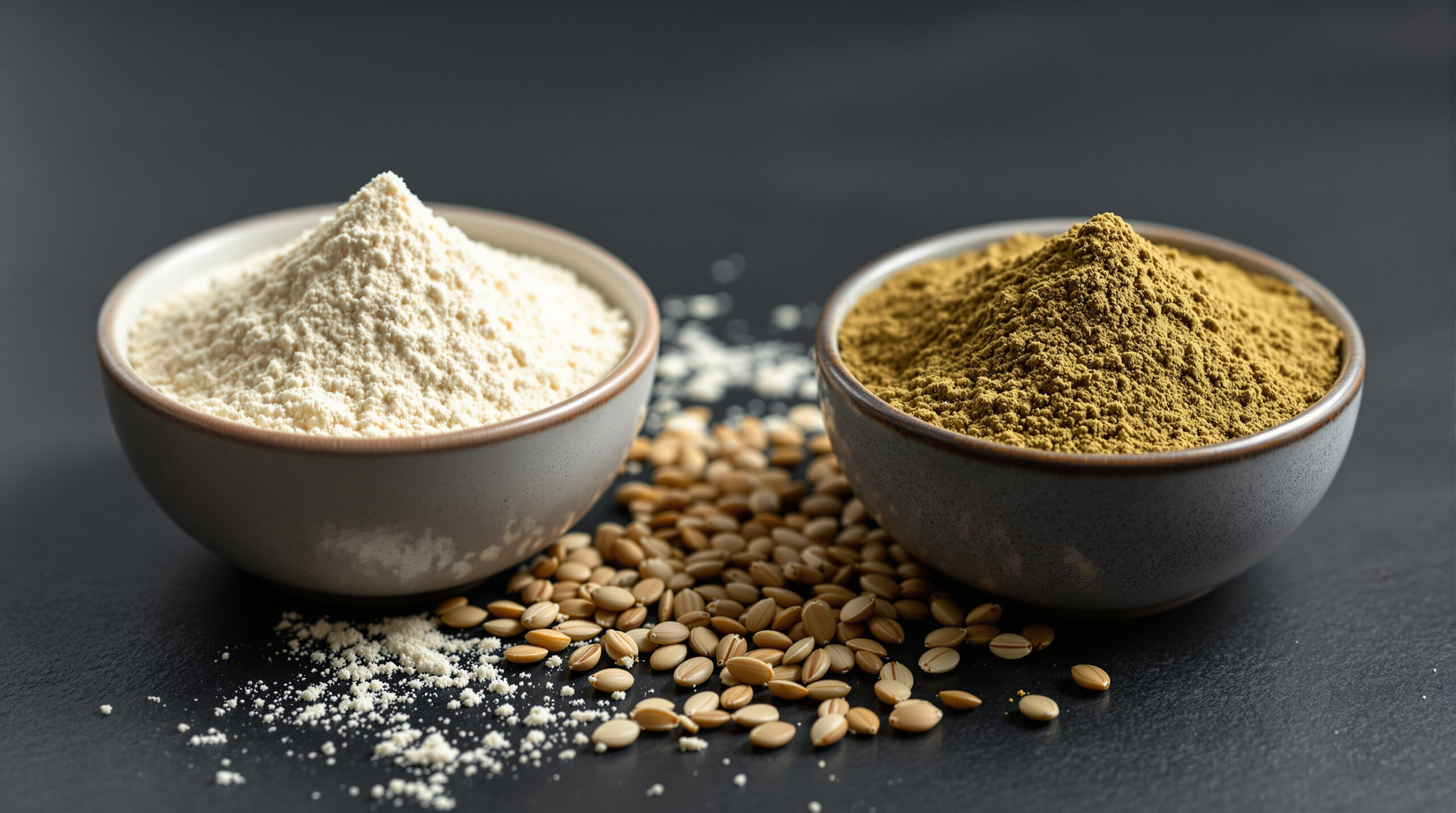
Whey, or milk protein, is an animal-based protein and is a byproduct of cheese production. The protein is separated from the liquid whey, filtered, and dried. Depending on processing, a concentrate contains between 70 and 80 percent protein, while an isolate achieves over 90 percent. Whey is thus an almost pure protein product with very few accompanying substances.
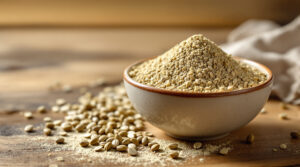
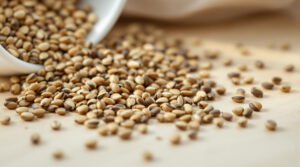
Hemp protein is produced in an entirely different way. It is extracted from the seeds of the hemp plant after the valuable hemp oil has been pressed out. The remaining press cake is ground and partially defat. Depending on the manufacturer, the powder contains around 50 to 55 grams of protein per 100 grams. The remainder consists of fiber, healthy residual fats, minerals, and secondary plant compounds. Hemp protein is not an isolated protein but a complete food with a broad nutritional profile. Those who want to deepen their understanding can find the basics in our overview on what hemp protein actually is.


There are also differences in price and handling. Whey is available in many flavors, dissolves well in water or milk, and is moderately priced. Hemp protein is often somewhat more expensive per gram of pure protein, but it provides additional nutrients at the same time. If you’re looking for a powder that can be used in shakes but also for baking, smoothies, or muesli, hemp offers flexible options.
Amino acid profile and biological value: where whey takes the lead

Both protein sources contain all nine essential amino acids that the body cannot produce on its own. For a plant-based product, this is remarkable, as many other plant proteins are incomplete. When it comes to biological value—the efficiency with which a protein is converted into the body’s own protein—whey has the edge. Milk protein is among the top performers and is utilized particularly efficiently by the body.
A common comparison metric is PDCAAS, which combines digestibility and amino acid profile. Whey achieves the highest value of approximately 1.0. Hulled hemp seeds score around 0.63 to 0.66, while unhulled seeds are lower at 0.49 to 0.53. The limiting factor with hemp is the amino acid lysine; tryptophan is also somewhat lower. In practice, this means: hemp protein is not inferior, but per gram it is somewhat less specifically targeted at pure muscle protein synthesis than whey. Read more about the health aspects in the article on why hemp protein is so healthy.
Edestin, albumin, and digestibility: the strengths of hemp protein
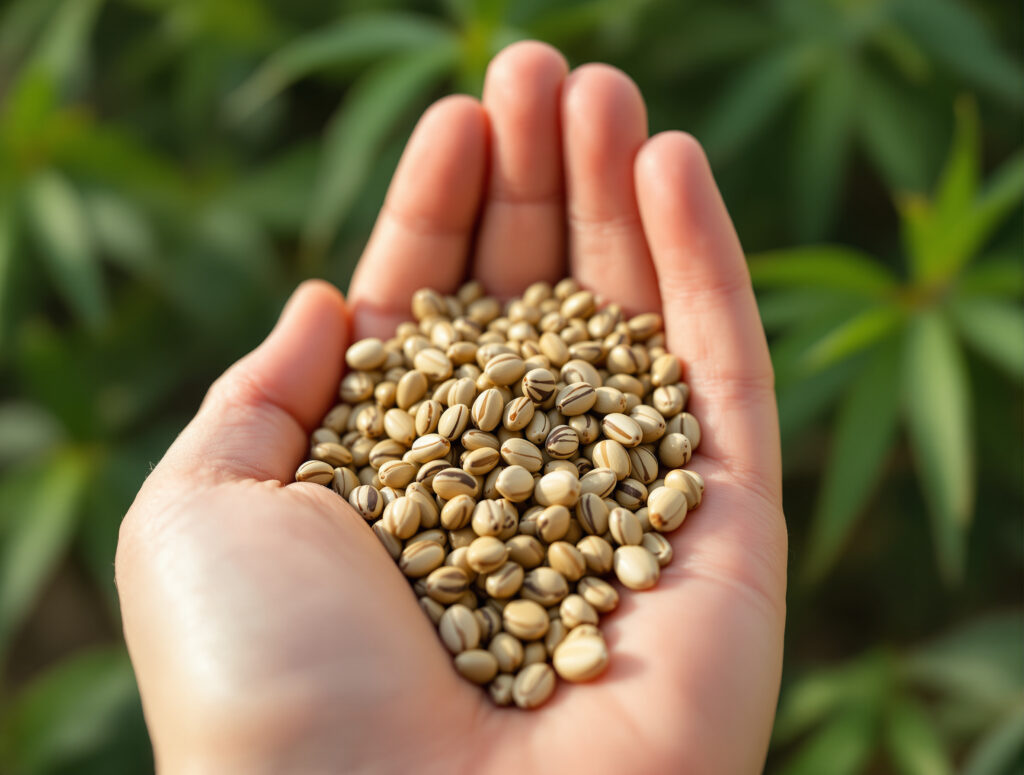
Hemp protein has a characteristic that sets it apart from many other plant proteins. It consists of approximately 65 percent of the storage protein edestin and around 35 percent of albumin. Both types of protein are very similar in structure to human blood protein. The body can therefore recognize and utilize them well. Edestin is considered highly digestible and is also involved in antibody formation, while albumin is equally easy to absorb.
This good tolerance is an important advantage. Hemp protein rarely causes bloating or stomach discomfort, provided it is not consumed in excessively large quantities at once. While whey is also quickly and completely digested, the concentrate still contains trace amounts of lactose. People with lactose intolerance may react sensitively to this. Hemp protein is naturally lactose-free and thus presents a more tolerable alternative for many.
Muscle building: what research says about leucine and muscle protein synthesis
In strength sports, whey is considered the gold standard, and this has a concrete reason. Milk protein is rich in branched-chain amino acids, especially leucine. Leucine is considered the most important trigger of muscle protein synthesis—the process in which the body builds new muscle mass after training. Additionally, whey enters the bloodstream very quickly and makes amino acids rapidly available. This makes it a popular shake immediately after a workout.
Plant-based proteins usually contain less leucine, as studies show. A 2024 investigation by McMaster University compared 20 grams of a plant-based protein mix with the same amount of whey. The pure plant protein stimulated muscle protein synthesis more weakly. However, when the mix was enriched with additional leucine, it achieved the same effect as whey. For practical purposes, this means: those using hemp protein can offset the difference by increasing the portion slightly or combining the powder with other protein sources. As a recovery aid, hemp also has its place, as our article on hemp protein and CBD in sports demonstrates.
Tolerance, fiber, and sustainability: hemp as an all-rounder

Beyond pure protein values, hemp demonstrates its strengths as a food. The powder is not only lactose-free but also gluten-free and purely plant-based. This makes it suitable for vegans, people with soy intolerance, and households with different dietary needs. The high fiber content provides longer-lasting satiety, which also makes hemp protein interesting for conscious eating. Those who are sensitive to fiber should start with small amounts and increase the dose gradually.
Another advantage lies in the accompanying substances that an isolate like whey doesn’t provide. Hemp protein contains significant amounts of minerals such as iron, magnesium, and zinc, as well as remnants of the valuable unsaturated fatty acids from the hemp seed. This makes it function less like a pure supplement and more like a complete food. For people focusing their diet on plant-based products, this broad nutritional spectrum offers genuine added value that goes beyond mere protein intake.
Ecologically, the comparison is quite clear. Hemp requires little water to grow, typically needs no pesticides, and even improves soil quality. Whey, on the other hand, comes from dairy farming and is tied to animal husbandry with its correspondingly higher resource consumption. Those considering the ecological footprint when purchasing protein will find hemp one of the most sustainable protein sources available. A comprehensive overview of the many applications is offered in our complete guide to hemp food products.
Which protein is right for you? A practical recommendation
There is no one-size-fits-all answer, as both powders have their merits. Whey is the first choice when maximum and rapid muscle protein synthesis is the goal, such as in serious strength training with the classic post-workout shake. Provided there is no lactose intolerance and no vegan diet, milk protein delivers the most efficient stimulus per gram here.
Hemp protein shines wherever more matters than pure leucine content. For vegans, people with lactose or soy intolerance, and those who value sustainability, tolerance, and a broad nutritional profile, it is the more well-rounded choice. Those combining both—for example, whey immediately after training and hemp throughout the day—gain the benefits of both worlds. Ultimately, your personal goals determine the choice, not the question of which powder is objectively better.
Frequently asked questions
Is hemp protein as good for muscle building as whey?
Per gram, whey stimulates muscle protein synthesis somewhat more effectively because it contains more leucine and is more rapidly available. Studies show, however, that a slightly larger portion of plant protein or a combination with other sources largely offsets the difference. For muscle building, hemp protein is therefore well-suited, provided total protein intake is adequate.
How much hemp protein should I take daily?
One to three tablespoons per day is common, which is about 20 to 40 grams of powder. This covers a good portion of your daily protein requirement. Because of the high fiber content, you should start with a smaller amount and gradually increase the dose so your digestive system can adapt.
Does hemp protein taste different from whey?
Yes, the taste is noticeably different. Hemp protein has a nutty, slightly earthy note and a somewhat grainier consistency. Whey usually tastes more neutral or is flavored. However, the nutty flavor of hemp protein blends very well in smoothies, oatmeal, or baked goods.
Is hemp protein suitable for people with allergies?
Hemp protein is naturally lactose-free, gluten-free, and free of soy. It is considered very well tolerated and is therefore suitable for many people who must avoid dairy, gluten, or soy products. As with any new food, you should test it in small quantities first if you have known allergies.
Can I combine hemp protein and whey?
Welches Proteinpulver nutzt du aktuell am häufigsten?
Yes, combining them is sensible and popular. Many use whey for the rapid stimulus immediately after training and hemp protein throughout the day for sustained supply and the additional nutrients. This way, you can optimally combine the strengths of both protein sources.







Branchen-Update
News, Analysen und Reportagen — mehrmals im Monat direkt in dein Postfach.
Folge uns