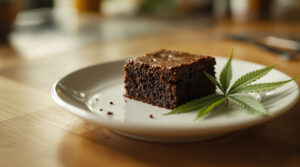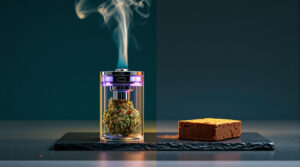
According to historical records and ancient accounts, hemp has been utilized by humans for many centuries. While smoking is certainly a long-established consumption method, and vaporizing is not a modern invention either, we can reasonably assume that oral consumption once played a significant role. So yes, you can eat cannabis—but how exactly? Which hemp preparations make sense? How do you process cannabis in the kitchen if you want to achieve good effects alongside flavor and aroma? Is it even possible to eat cannabis raw? What does it taste like, and does it actually work?
📑 Inhaltsverzeichnis
Let’s unroll these questions from the end and start with the basics. Yes, you can eat cannabis raw. Whether that’s actually sensible is certainly debatable, since few would describe eating a raw cannabis flower as an enjoyable experience—if only considering the sensation in your mouth. Cannabis flowers taste neither pleasant when freshly removed from the plant nor when dried, if eaten raw and plain.
Why Is Cannabis Smoked?
When you want to absorb a plant’s active compounds into your body as quickly as possible and experience its effects, inhalation surpasses all other consumption methods by far. Through the lungs, substances enter directly into the bloodstream, and the effect is noticeable within seconds. Since the combustion of plants that occurs during smoking produces unhealthy substances that we then inhale into our respiratory tract, the popularity of another consumption method continues to grow: vaporizing or vaporization.


This is considerably gentler and less harmful than smoking, though the principle of inhalation and rapid cannabinoid absorption still applies. With oral consumption—eating—the active compounds are absorbed through the digestive system, beginning with the mucous membranes in the mouth, through the esophagus and stomach, with a large portion of digestion occurring in the intestines. It’s probably obvious to anyone that the body doesn’t access the active compounds as quickly this way, and since the long journey also involves losses, the body has fewer active substances available overall.
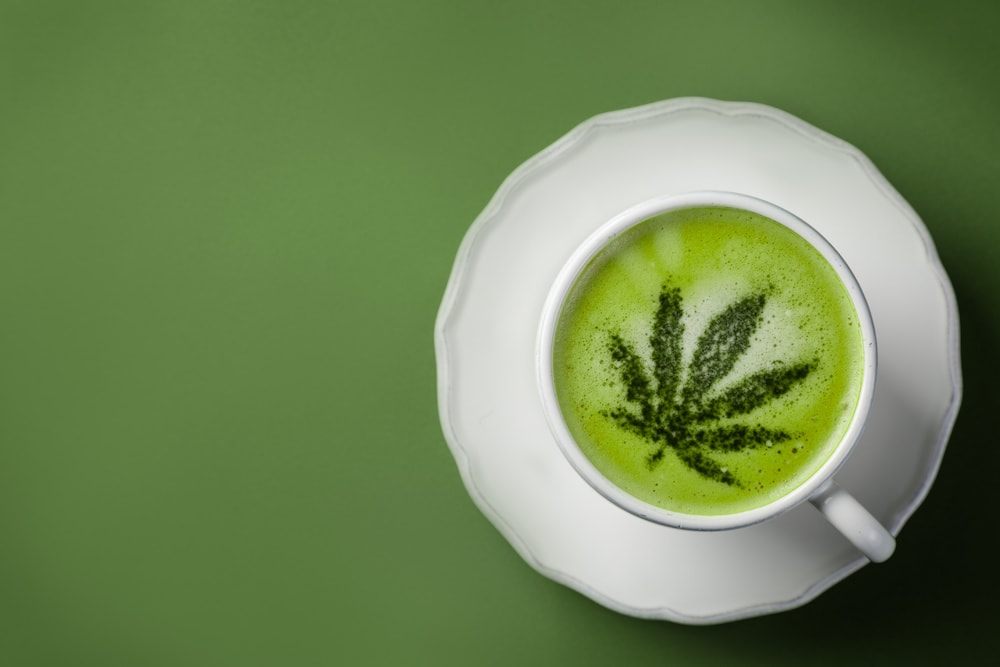
Activating Cannabinoids for Food and Beverages
If you want to eat cannabis with the goal of experiencing the effects of THC or other cannabinoids like CBD, there are essentially two important things to keep in mind. The cannabinoids in plant material primarily exist in a form that cannot produce effects through consumption. To change this, cannabis must be decarboxylated—exposed to high temperatures. During smoking, decarboxylation happens automatically in the combustion process, and the temperatures at which vaporizers operate also accomplish this.
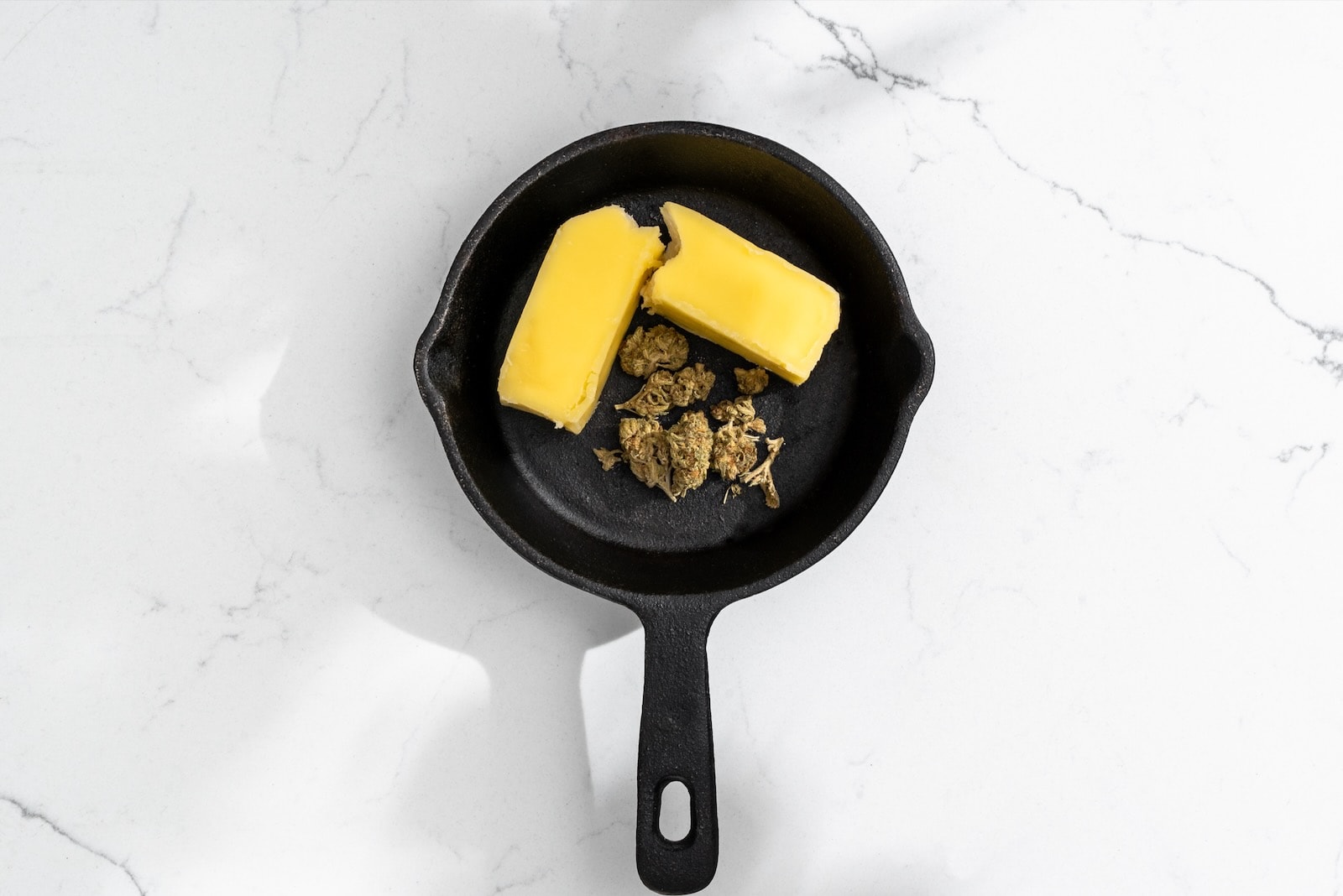
If you want to make cannabis effective for consumption, you must deliberately induce decarboxylation through another method. The second important point is that cannabinoids need to be dissolved in fat—you must infuse them with oil or butter so that our digestive system can work with them. A great side effect of dissolving in butter is that the bitter chlorophyll note in hemp recedes somewhat into the background.
Is Eating Cannabis Safe?
Anyone who consumes food or drinks containing THC-rich cannabis that has been decarboxylated and dissolved in fat is consuming what’s known as an edible. For many, edibles offer enjoyment for multiple senses, but particularly inexperienced users should consume them with caution. It’s easy to misjudge the dosage, especially since it takes so long for effects to set in. The effects of an excessively high dose of orally consumed cannabis are often described as very unpleasant.
General malaise and negative moods, up to and including anxiety, are not uncommon. The problem is that such effects last substantially longer when cannabis has been taken orally. It’s therefore essential to approach an appropriate amount very gradually. Especially with preparations you’d like to consume in larger quantities, you should use hemp rather sparingly.







Branchen-Update
News, Analysen und Reportagen — mehrmals im Monat direkt in dein Postfach.
Folge uns