Where GACP Ends and GMP for Cannabis Flowers Begins
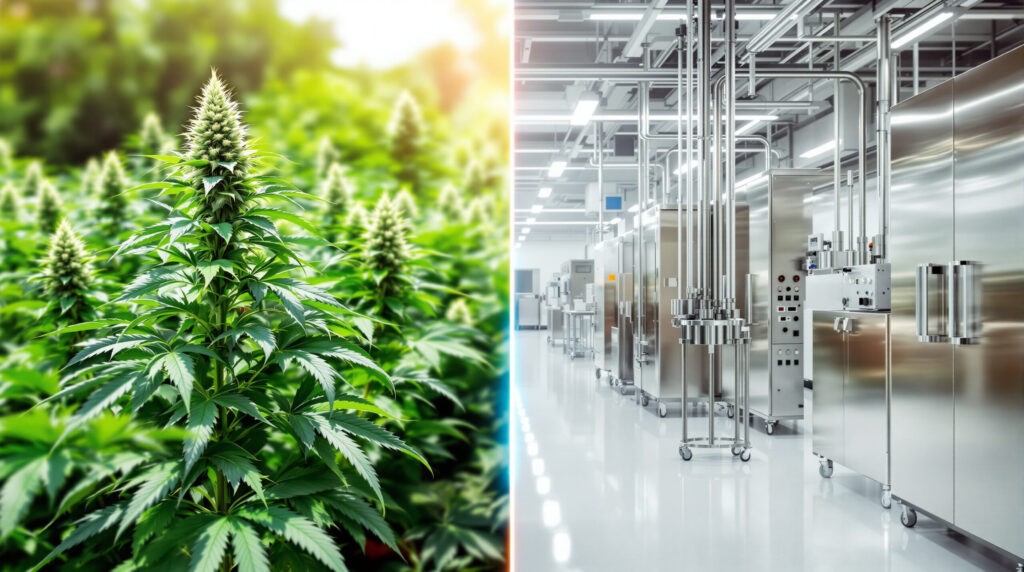
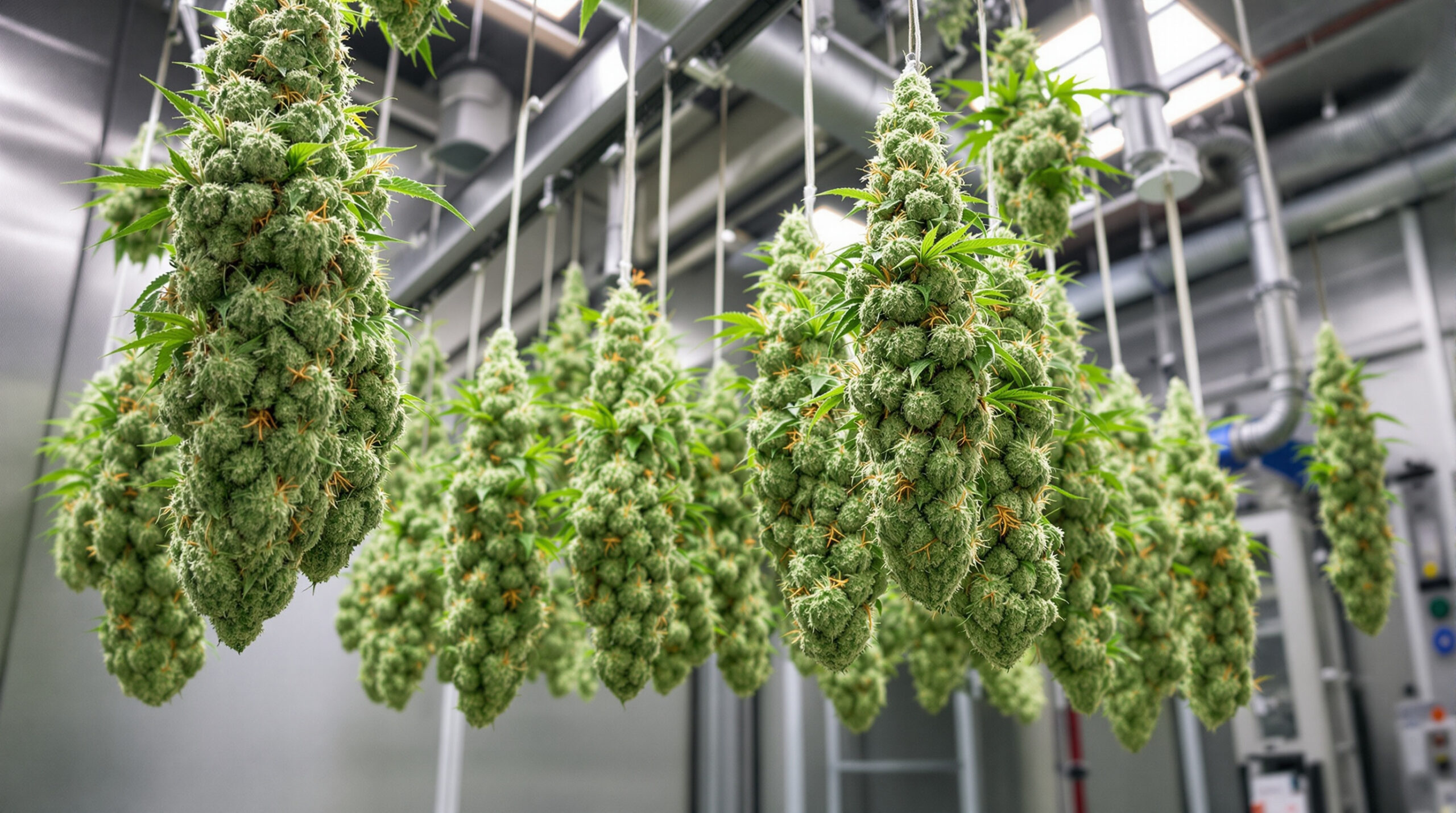
Two competing regulatory frameworks underpin this dispute. GACP—Good Agricultural and Collection Practice—governs the cultivation and harvesting of medicinal plants. GMP, the pharmaceutical manufacturing standard, demands validated processes, qualified facilities, and complete documentation. For imported medicinal cannabis, the traditional division of labor has been straightforward: producers harvest and dry under GACP, while European processors handle pharmaceutical preparation under GMP. That model came under scrutiny when Hesse’s Health and Care Authority questioned it in a June 2026 guidance document, treating drying as a manufacturing step rather than an agricultural one.
📑 Inhaltsverzeichnis
- Where GACP Ends and GMP for Cannabis Flowers Begins
- The Netherlands, Spain, and Denmark Draw the Line Early
- The EMA Points to Annex 7 and Leaves a Crack in the Door
- Switzerland and Portugal Show How Far Interpretation Diverges
- What the Regulatory Patchwork Means for the German Market
- Frequently Asked Questions
- 💬 Fragen? Frag den Hanf-Buddy!
The Netherlands, Spain, and Denmark Draw the Line Early
The Dutch Ministry of Health, Welfare and Sport takes a linguistic approach. Drying is neither cultivation nor collection, so it falls outside GACP by definition. The ministry stated directly: „(Pre-)drying is a manufacturing step, meaning that (pre-)drying falls under GMP and not under GACP.“
Spain’s medicines agency allows slightly more flexibility. Initial field operations—cutting and pre-drying in mobile units—may qualify for some leeway. Beyond that, clarity returns: „Further manufacturing steps, including drying to specified parameters, must be performed in accordance with GMP requirements.“ The process must be validated according to Annex 15 of the EU GMP Guidelines and the Ph.Eur. Monograph 07/2024:3028.


Denmark resolved the question legislatively. Implementing Regulation 1607 of December 5, 2025 mandates that cannabis bulk produced solely through drying must be manufactured under API-GMP (the GMP standard for pharmaceutical active substances). This is not a workaround but the regular standard for pharmaceutical starting materials.
The EMA Points to Annex 7 and Leaves a Crack in the Door
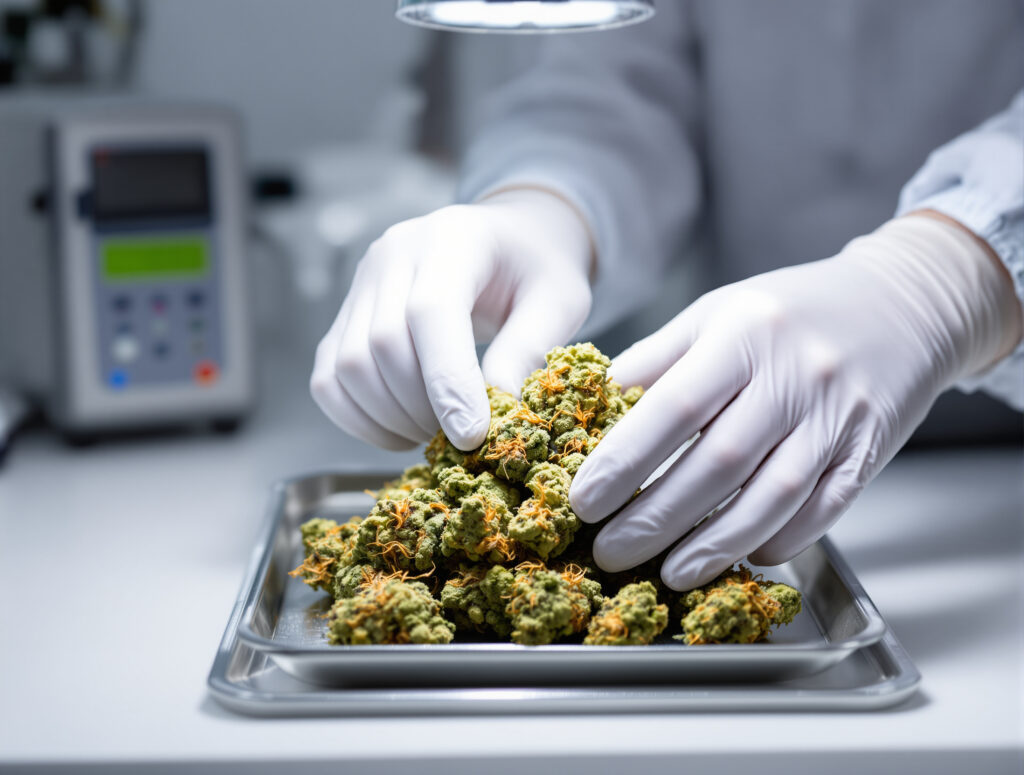
The European Medicines Agency points to EudraLex Volume 4, Annex 7 on the manufacture of herbal medicinal products. The intended use determines the classification: the plant material may be categorized as an active substance, intermediate, or finished product. Manufacturers bear responsibility for selecting the appropriate GMP classification.
For practical application, the agency offers a clear rule. Those initial processing steps conducted in the field and justified in the marketing authorization fall under GACP standards. „GMP applies to all further cutting and drying steps,“ it states, citing the Annex 7 table. The door remains slightly ajar, but narrowly: anyone claiming the exception must justify it in the authorization.
Switzerland and Portugal Show How Far Interpretation Diverges
At the opposite end of the spectrum stands Switzerland. According to an industry representative active in medicinal cannabis trade, Swissmedic expressly permits simple pre-drying under GACP before the GMP step. This claim comes secondhand from a LinkedIn post, not directly from the authority, so it should not be read as an official Swiss position unless Swissmedic publicly confirms it.
Portugal carries more weight—the country was Europe’s largest exporter in 2025, shipping roughly 80 tonnes. The regulator Infarmed left drying questions unanswered but publicly defended its approach, as reporting on Portuguese export certificates has shown.
What the Regulatory Patchwork Means for the German Market

Germany depends on imports. In the first quarter of 2026 alone, according to corrected Federal Opium Office statistics, 67.6 tonnes of medicinal cannabis entered the country. Any tightening of drying requirements hits pharmaceutical supply chains directly.
Hesse’s guidance stands as the sharpest enforcement point because it targets import itself. Beyond the import authorization required under § 72 of the Medicines Act, it now demands a separate certificate for each third-country supplier under § 72a. The qualified person under § 14 remains accountable for all intermediate steps, including those abroad.
The stakes extend beyond paperwork. Drying determines residual moisture, terpene profile, and microbial load. The ongoing debate over gamma irradiation of pharmacy cannabis illustrates how tightly quality assurance and regulation intertwine here—decontamination at the supply chain’s end attempts to fix what went wrong at the beginning.
The industry finds the situation untenable. A product classified as GACP material under simple pre-drying in Switzerland may already trigger API-GMP obligations in Denmark. As long as national authorities read the same EU rules differently, the production location determines costs, not product quality. A harmonized interpretation at EU level would be the obvious solution, but none is currently in sight.
Frequently Asked Questions
What’s the difference between GACP and GMP?
GACP governs cultivation and harvesting of medicinal plants and is oriented toward agricultural operations. GMP is the pharmaceutical manufacturing standard requiring validated processes, qualified facilities, and complete documentation. GMP certification is significantly more demanding and expensive.
Why is drying so contentious?
Drying controls residual moisture and therefore the microbiological stability of flowers. It also influences the terpene profile and cannabinoid content. Classifying it as a manufacturing step shifts the expensive GMP requirement from the European processor back to the farm in the producing country.
Is there one rule for cannabis flowers across Europe now?
No. While the EMA references Annex 7 of the EU GMP Guide, implementation rests with national authorities. Denmark has legally mandated GMP for dried cannabis bulk, Spain permits some flexibility for field operations. A unified European interpretation does not yet exist.
Should patients expect supply shortages?
In the short term, nothing changes for supply—existing stock is already released. Medium-term, stricter interpretation could raise costs or interrupt individual supply chains if producers cannot qualify their drying facilities to GMP standards. That would appear first in specific varieties, not in overall supply.
Sollte die Trocknung von Cannabisblüten EU-weit einheitlich geregelt werden?
Sources: Krautinvest survey of European medicines authorities, September 21, 2026; European Medicines Agency, EudraLex Volume 4, Annex 7; Hesse Health and Care Authority, Guidance on Cannabis Flowers, June 8, 2026; Danish Implementing Regulation 1607, December 5, 2025; Association of Cannabis-Supplying Pharmacies.



Branchen-Update
News, Analysen und Reportagen — mehrmals im Monat direkt in dein Postfach.