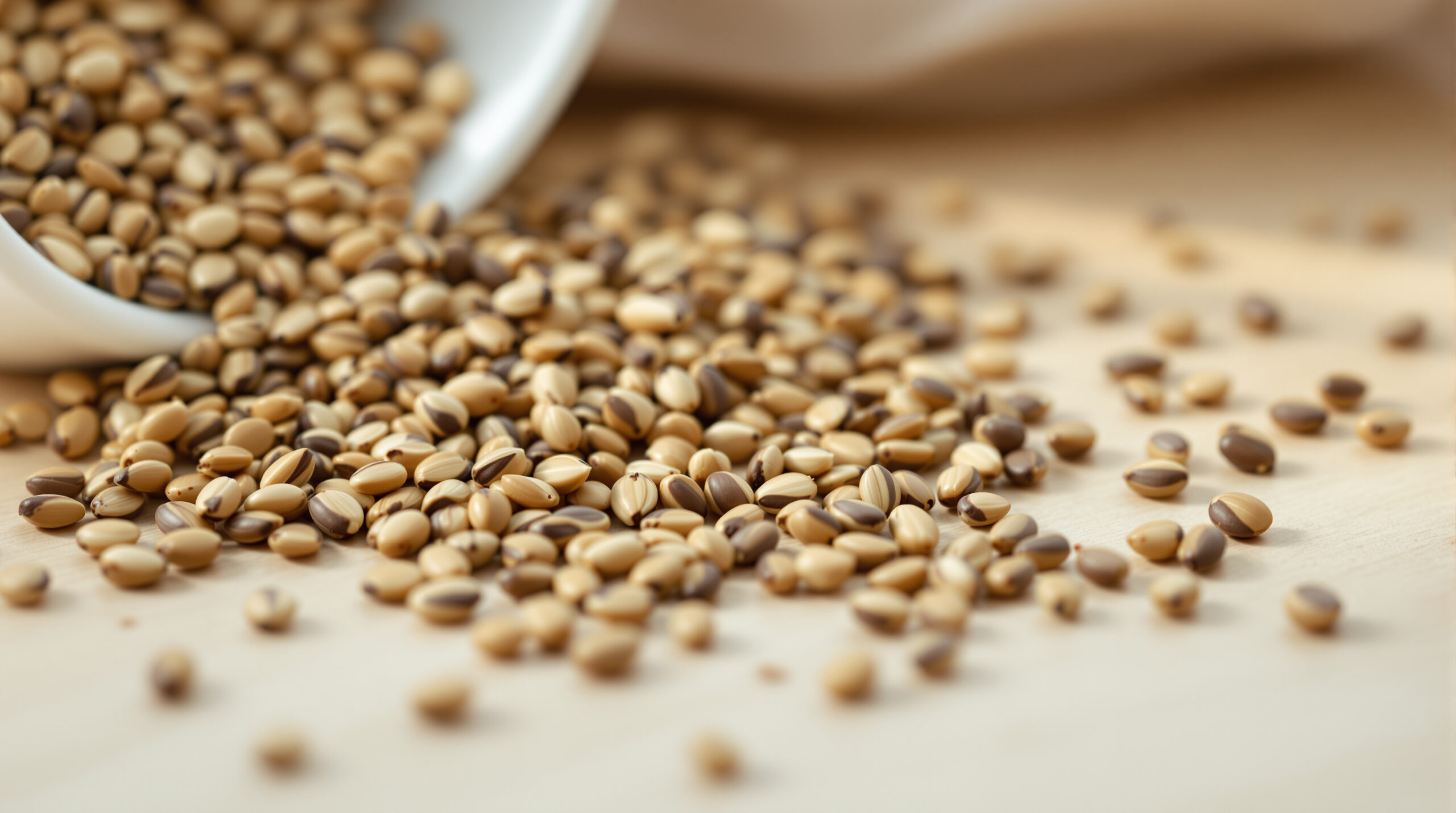
Few foods cause as much uncertainty during pregnancy as hemp seeds. The name immediately conjures associations with cannabis, THC, and intoxicating use. This very confusion is why many expecting mothers avoid the small, nutty kernels, despite their diverse nutrient profile. However, hemp seeds and cannabis consumption have almost nothing in common. This article explains why hemp seeds are considered safe during pregnancy, what nutrients they provide, and what you should keep in mind regarding quantity and use.
📑 Inhaltsverzeichnis
Are Hemp Seeds Safe During Pregnancy?
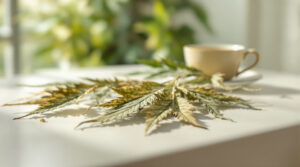
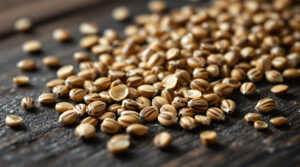
First, an important distinction. The psychoactive cannabinoids like THC and CBD are produced by the hemp plant almost exclusively in its flowers, leaves, and stems. The seeds themselves naturally contain virtually no THC. Minimal traces can only occur if the seeds come into contact with other plant parts during harvest. With properly processed food-grade hemp seeds from retail, these amounts are negligible and have no pharmacological effect.
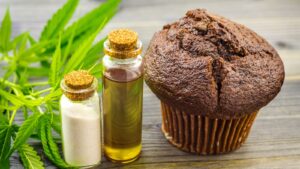
For this reason, nutrition experts classify food hemp seeds as a safe food, even for pregnant women. This explicitly does not apply to cannabis consumption as an intoxicant. Those who smoke or consume THC during pregnancy endanger their child’s development. For information on these risks, see our article on cannabis during pregnancy. Hemp seeds as a food and cannabis consumption are two fundamentally different things.


What Nutrients Hemp Seeds Provide for Pregnant Women
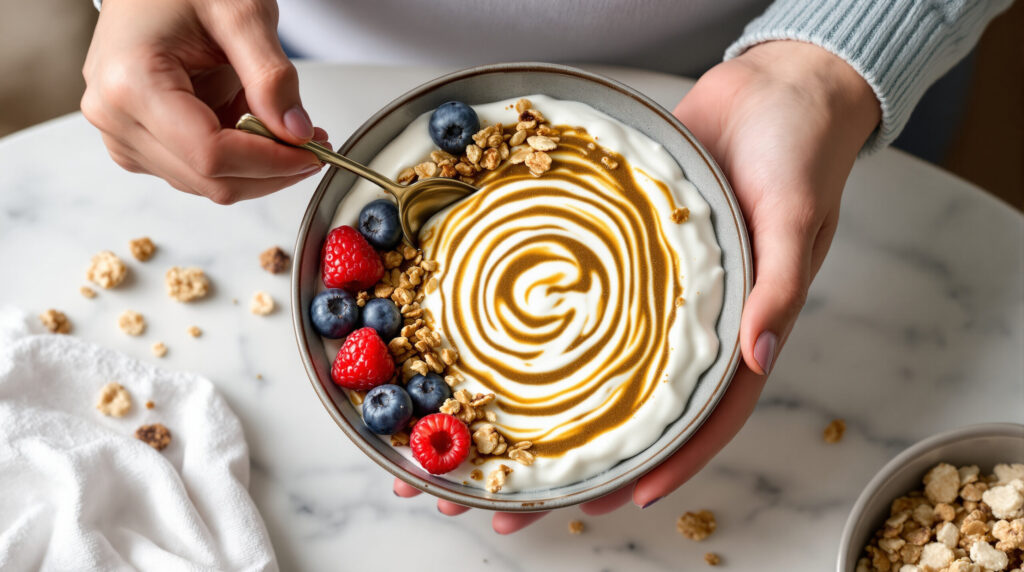
During pregnancy, the need for many nutrients increases significantly. Hemp seeds meet several of these increased needs and are therefore a sensible addition to the diet. Their protein content is particularly valuable. Hemp seeds provide a complete plant-based protein with all nine essential amino acids that the body needs for fetal growth and maternal tissue development.
Hemp seeds also score points for iron content. Iron requirements nearly double during pregnancy, and deficiency is one of the most common problems. With their high iron content, hemp seeds rank among the better plant-based sources and can help support adequate intake. Additionally, they contain magnesium, zinc, vitamin E as a potent antioxidant, and some B vitamins. We’ve compiled a detailed nutrient profile of hemp seeds in a separate article.
For expecting mothers with nut allergies, hemp seeds are also interesting because they provide nutty flavors without belonging to the tree nut category. Learn more in our article on hemp seeds as an alternative for nut allergies.
Omega-3 During Pregnancy: What Hemp Seeds Deliver
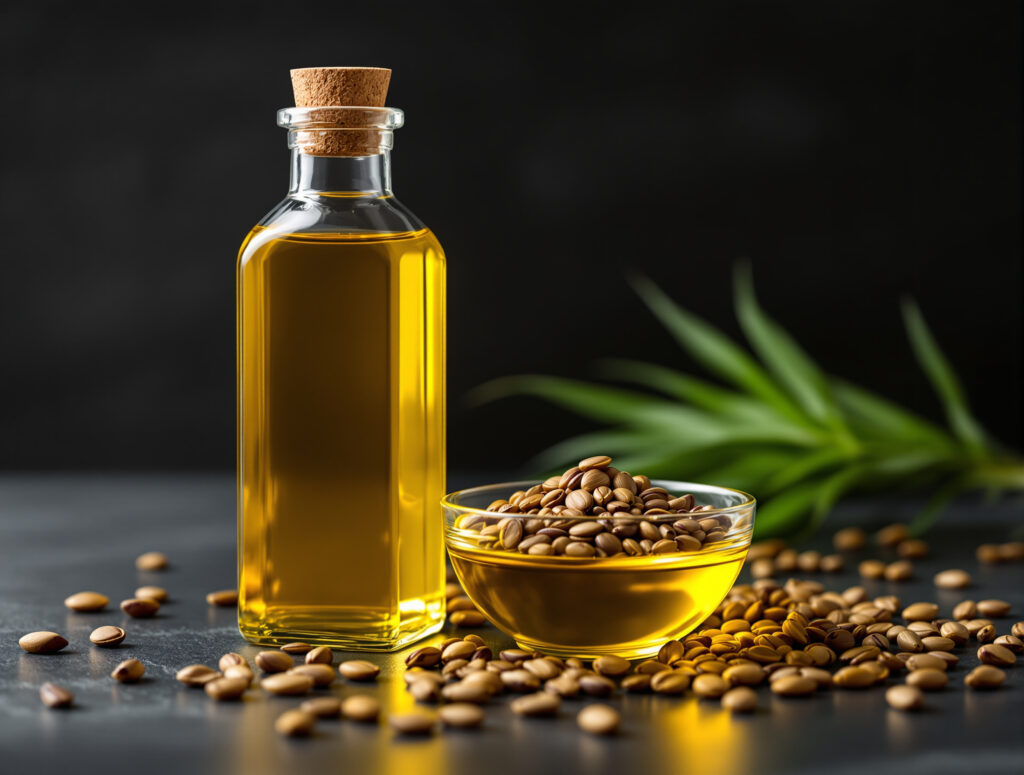
Hemp seeds are often praised for their favorable fatty acid ratio. They contain omega-3 and omega-6 fatty acids in a ratio considered nutritionally nearly ideal. For fetal brain development and vision, omega-3 fatty acids are particularly important during pregnancy. However, an honest assessment is needed here.
The plant-based omega-3 in hemp seeds exists as alpha-linolenic acid. The body can only convert this to long-chain fatty acids DHA and EPA in limited amounts, which the baby actually needs. Hemp seeds are therefore a good foundation, but do not alone meet DHA requirements during pregnancy. Those eating vegetarian or vegan diets should additionally focus on a targeted DHA source, such as algae oil, and coordinate this with their healthcare provider. Our article on hemp oil with omega-3 and omega-6 shows how hemp contributes to fatty acid intake overall.
How to Properly Dose and Use Hemp Seeds During Pregnancy
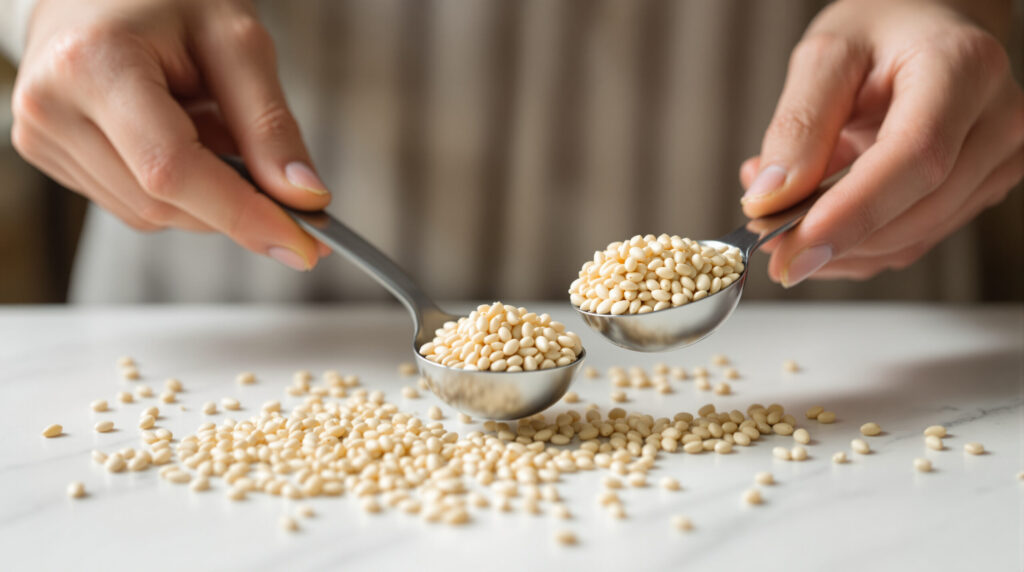
As with any food, the right amount matters. Nutritionists recommend approximately 20 to 30 grams per day, roughly two to three tablespoons. This amount is enough to benefit from the nutrients and doesn’t unnecessarily burden the stomach. Those new to hemp seeds should start with a small portion and monitor tolerance.
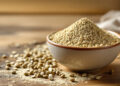
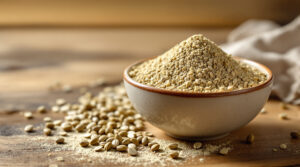
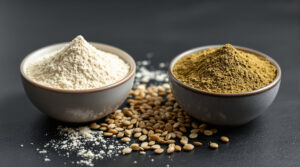
In the kitchen, shelled hemp seeds, often called hemp hearts, are particularly convenient. They taste mildly nutty and can be sprinkled over cereal, yogurt, salads, or soups. Hemp seed oil works well for cold dishes but shouldn’t be heavily heated, as the valuable fatty acids are heat-sensitive. Hemp protein can also be a protein-rich addition to smoothies. When shopping, look for food hemp from controlled cultivation and avoid unprocessed wild varieties. Those who want to introduce hemp to baby food later will find guidance in our article on hemp in infant and baby nutrition.
As with all nutrition questions during pregnancy, a brief consultation with a midwife or healthcare provider is worthwhile, especially for those with pre-existing conditions or special dietary requirements.
Do Hemp Seeds Apply to Nursing?
What applies to pregnancy can largely be carried over to nursing. Food hemp seeds remain a safe food because they contain no significant amounts of THC that could be passed to the child through breast milk. On the contrary, the nutrients they contain are especially supportive during this phase. Nursing mothers have increased needs for protein, iron, and energy because milk production places additional demands on the body.
However, the same clear distinction applies here. Only the seeds as a food are safe. Cannabis consumption should be avoided during nursing just as during pregnancy, since THC is fat-soluble and can pass into breast milk. The small hemp seeds in your cereal have nothing to do with this risk. If unsure, it’s best to briefly consult with a midwife or lactation consultant.
Frequently Asked Questions
Are Hemp Seeds Allowed During Pregnancy?
Yes, food hemp seeds are considered a safe food and are permitted during pregnancy. They contain virtually no THC and differ fundamentally from cannabis consumption. With a balanced diet in typical amounts, there’s nothing against consuming them.
Do Hemp Seeds Contain THC?
The seeds themselves produce no THC. The active substance is found in the plant’s flowers, leaves, and stems. Only contact during harvest can leave minimal traces on the seeds. With properly processed food hemp seeds, these amounts are so negligible that they have no effect.
How Many Hemp Seeds Are Recommended Per Day?
A guideline suggests about 20 to 30 grams per day, roughly two to three tablespoons. This amount provides valuable protein, iron, and fatty acids without burdening the stomach. It’s best to start with a small portion and increase gradually.
Do Hemp Seeds Cover Omega-3 Requirements During Pregnancy?
Not completely. Hemp seeds provide plant-based omega-3 as alpha-linolenic acid, which the body can only convert to important DHA in limited amounts. They’re a good supplement but don’t replace a targeted DHA source like algae oil for vegetarian or vegan diets. Nutrient intake should be medically supervised.
Are Hemp Seeds and Cannabis the Same?
Hast du in der Schwangerschaft schon mal Hanfsamen gegessen?
No. Hemp seeds are a nutrient-rich food without intoxicating effects. Cannabis as an intoxicant contains THC and is harmful to the child during pregnancy. The confusion stems solely from the shared plant name.



Branchen-Update
News, Analysen und Reportagen — mehrmals im Monat direkt in dein Postfach.
Folge uns