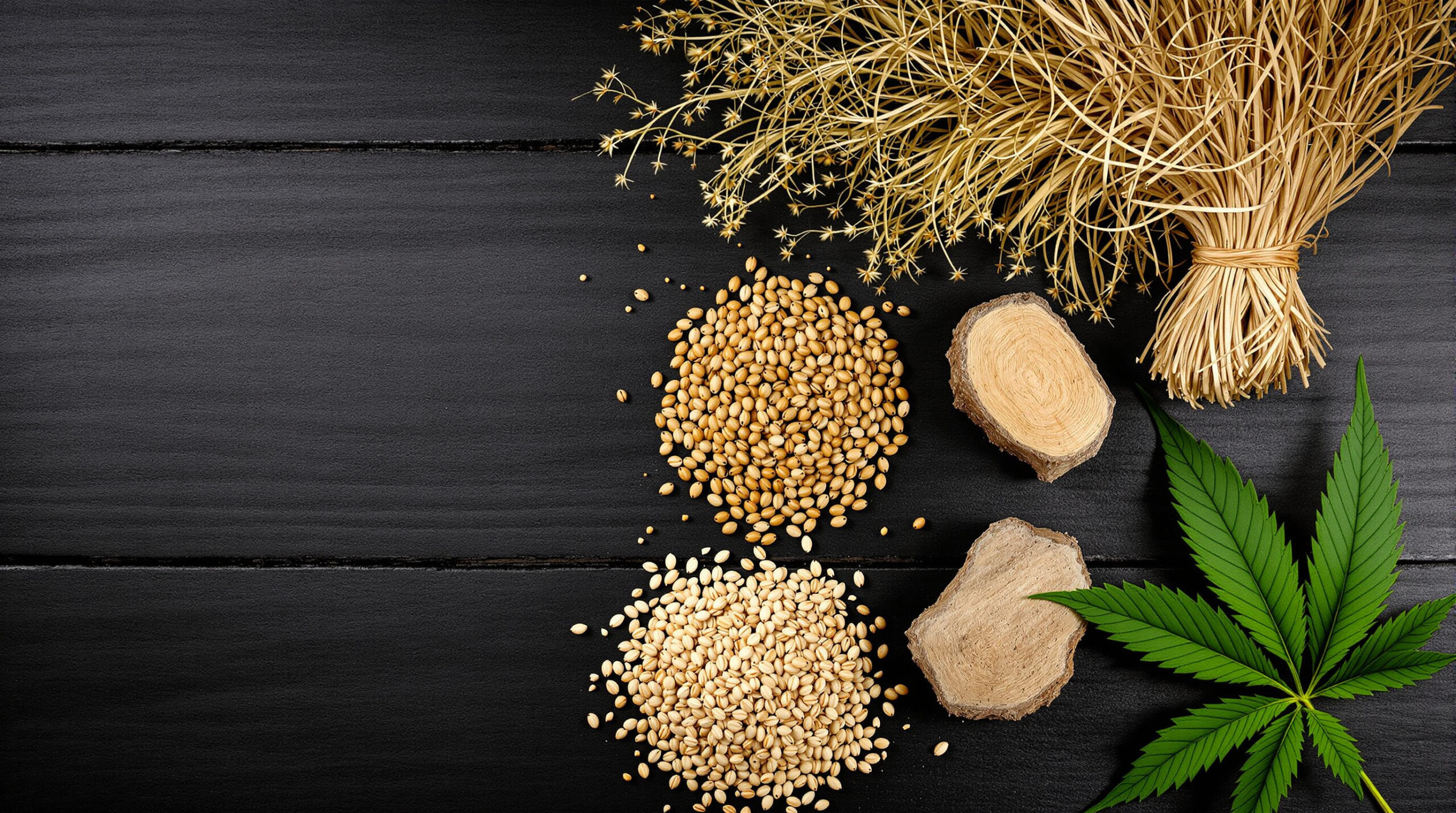
Hardly any cultivated plant can be utilized as completely as hemp. From the woody stalk through the long fibers to the oil-rich seeds and resinous flowers, every part of the plant finds an industrial buyer. This is why the uses of hemp range from the fashion industry through construction and the food industry to automobile production. This overview categorizes the most important applications and shows why the plant is experiencing a renaissance in sustainable raw material economics.
📑 Inhaltsverzeichnis
- Why Hemp as a Raw Material is So Versatile
- Hemp Fiber: Textiles, Paper, and Technical Fabrics
- Hemp Shives: Hempcrete and Ecological Building Materials
- Hemp Seeds: Food, Oil, and Protein
- Hemp in Plastics, Automotive, and Energy
- Flowers and Leaves: Medicine, CBD, and Cosmetics
- Hemp as a Climate Protection Plant
- Frequently Asked Questions
- 💬 Fragen? Frag den Hanf-Buddy!
Why Hemp as a Raw Material is So Versatile
The versatility begins in the plant’s structure. The stalk consists of two clearly separable components. On the outside lie the long bast fibers, inside the woody pith, the so-called shives. During processing, called decortication, both are mechanically separated. From one hectare of industrial hemp, processors obtain around one ton of pure bast fiber, plus many times that in shives.
This versatility is not a modern discovery. Hemp ranks among the oldest cultivated plants of humanity and provided the fibers for ropes, sails, and clothing for millennia. It was only the industrial competition from cotton and petroleum that displaced the plant in the 20th century. Today it is returning because the exact properties that were once taken for granted are now in demand.


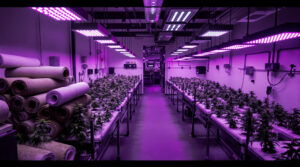
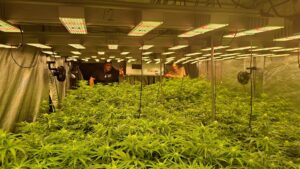
Added to this are the seeds with their high-quality oil and the flowers, which carry cannabinoids such as CBD and THC. Because these components can be harvested and marketed separately by variety, a single field yields an entire product range. Industrial hemp contains only minimal amounts of the intoxicating THC and is approved as a crop plant in the EU. Those wanting to delve deeper will find the legal framework in our article on cultivation and approval of industrial hemp in Germany.
Hemp Fiber: Textiles, Paper, and Technical Fabrics
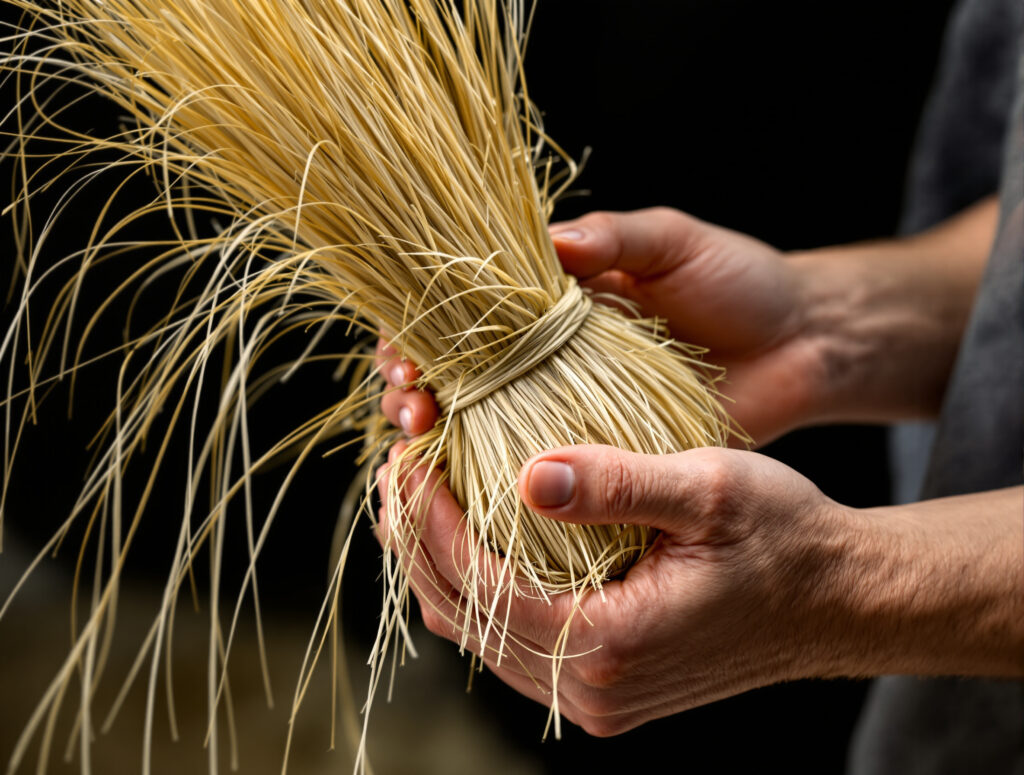
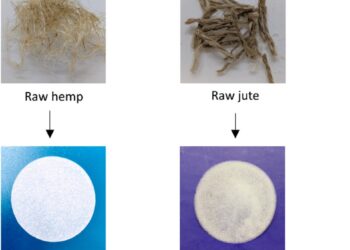
The historically most important use of hemp fiber is textiles. Hemp provides a tear-resistant, breathable, and antibacterial natural fiber that becomes softer with each wash. Long bast fibers are spun into high-quality yarns, shorter fibers serve for coarser fabrics, ropes, and geotextiles. Compared to cotton, cultivation requires significantly less water and uses almost no pesticides. Our guide to hemp textiles as the world’s most sustainable fiber describes the fiber’s detailed properties.
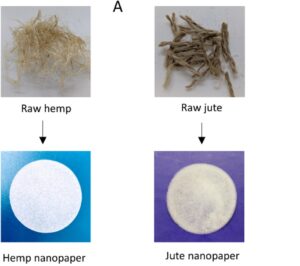
The second classic field is papermaking. Hemp regrows within a few months, while a forest takes decades. The fiber produces particularly durable paper, once used for documents and banknotes. Although modern mass production still relies on wood, hemp paper is considered an ecological alternative for specialty applications. Our article on hemp use in the paper and printing industry explains the background.
Hemp Shives: Hempcrete and Ecological Building Materials
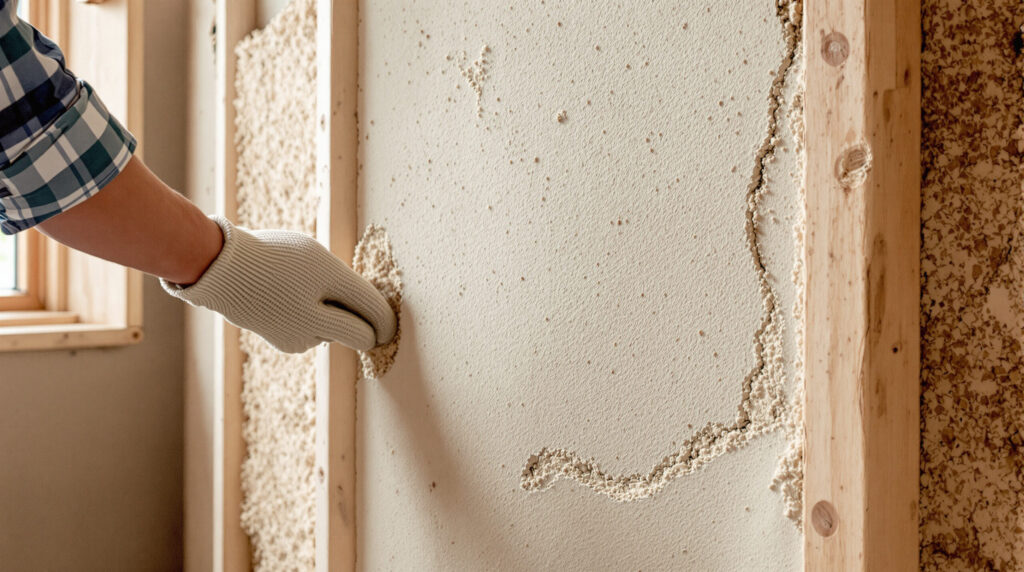
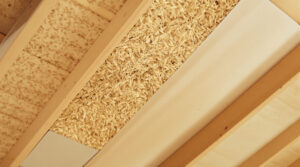
The woody shives were long considered a waste product of fiber extraction. Today they are a sought-after building material. Mixed with a lime binder, hempcrete is created—a lightweight and vapor-permeable material that insulates walls while providing structural support. The major advantage lies in the carbon footprint, as the hemp built into walls binds carbon dioxide during growth and stores it long-term in the wall.
Beyond hempcrete, shives serve as insulation boards, lightweight building panels, and absorbent animal bedding for horses and small animals. Thus the plant stalk alone covers a broad spectrum from load-bearing building material to stable bedding. Our article on hempcrete as the future of sustainable building shows how hempcrete performs in construction.
Hemp Seeds: Food, Oil, and Protein
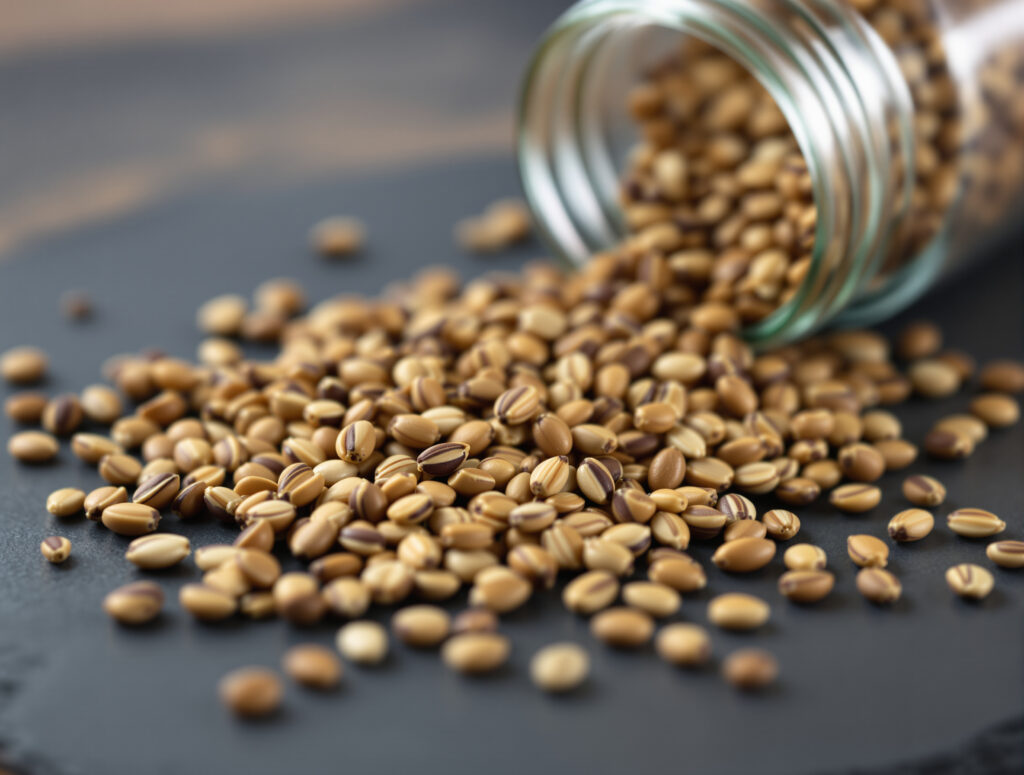
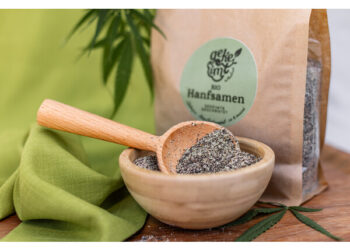
The seeds are the nutritional powerhouse of the plant. They contain approximately 28 to 35 percent high-quality oil, plus about one-fifth plant protein as well as B vitamins and minerals. The oil provides omega fatty acids in a ratio favorable for humans. Hulled hemp seeds can be sprinkled over muesli, salads, or smoothies and are well-established in food retail.
From the press cake left behind during oil extraction, hemp protein is made. This powder is popular with athletes and in vegan cooking because it contains all essential amino acids. Our complete guide to hemp foods presents the full range of edible products. Thus the smallest part of the plant creates its own market for nutritional supplements and functional foods.
Hemp in Plastics, Automotive, and Energy
One of the most dynamic applications is use as reinforcement fiber in plastics. When hemp fibers are mixed with polymers, lightweight and stable biocomposites are created. The automotive industry uses such composite materials for door panels, overhead shelves, and interior components. The reduced weight lowers fuel consumption, and at the end of its useful life, the natural fiber content can be recycled better than pure plastic. Our article on bio-plastic manufacturing from hemp describes how advanced the material development has become.
Beyond this, hemp is being discussed as an energy crop. The rapidly growing biomass can be pressed into pellets or fermented, although material use as fiber and building material is usually more ecologically sound. Overall, a clear trend emerges. Hemp is coming into focus wherever petroleum-based raw materials are to be replaced with renewable alternatives.
Flowers and Leaves: Medicine, CBD, and Cosmetics
The above-ground plant parts carry valuable cannabinoids. From medical cannabis, the pharmaceutical industry extracts standardized flowers and extracts for medical therapy. From certified industrial hemp, CBD is primarily extracted, ending up in oils, capsules, and cosmetics. The leaves and flower residues generated during harvest serve as raw material for these extracts.
In skincare, manufacturers value the anti-inflammatory properties of hemp seed oil and cannabinoids. Creams, serums, and balms containing hemp represent a growing segment in the natural cosmetics market. Our complete guide to hemp cosmetics summarizes the active ingredients involved. This completes the circle, as even the resinous part of the plant finds its own value creation.
Hemp as a Climate Protection Plant
Across all areas of application, the uses are united by an ecological fundamental principle. Hemp grows quickly, shades the soil, and suppresses weeds, so hardly any pesticides are needed. During growth, the plant binds large amounts of carbon dioxide. When hemp is subsequently processed into durable products like building materials, this carbon remains stored for decades.
This very combination of versatility and climate benefit drives interest from industry and policy. Cultivation areas are growing worldwide again, and new processing facilities are being established. Hemp is therefore less a niche plant than a versatile raw material whose potential modern industry is just rediscovering.
Frequently Asked Questions
Which parts of the hemp plant can be used?
Practically the entire plant is utilizable. Bast fibers yield textiles and paper, woody shives produce building materials and bedding. The seeds provide food, oil, and protein, and the flowers carry the cannabinoids for medicine and cosmetics.
Is industrial hemp the same as cannabis for smoking?
No. Industrial hemp comes from specially bred varieties with very low THC content and is approved as a crop plant in the EU. It is used for material processing. Cannabis with high THC content, by contrast, is subject to its own legal regulations.
Why is hemp considered particularly sustainable?
Hemp grows quickly, requires little water, and needs hardly any pesticides. The plant binds much carbon dioxide during growth. In durable products like hempcrete, this carbon remains permanently stored.
What are hemp seeds used for?
Hemp seeds are a high-quality food. Hulled, they serve as a topping; pressed, they yield cooking oil with favorable omega fatty acids. From the press cake, hemp protein is also made for vegan and sports nutrition.
Can hemp replace petroleum as a raw material?
Welche Hanf-Verwendung findest du am spannendsten für die Zukunft?
In some areas, that is already a reality. Hemp fibers reinforce bioplastics, and hemp shives replace mineral insulation materials. Complete replacement is not on the horizon, but in many applications hemp is a credible renewable alternative.





Branchen-Update
News, Analysen und Reportagen — mehrmals im Monat direkt in dein Postfach.
Folge uns