When fashion brands today talk about sustainability, hemp fiber stands out as a frequent wonder solution. In fact, hardly any other natural fiber offers such a complete ecological balance: low water consumption, minimal pesticides, high yield per hectare, complete biodegradability, and CO2 sequestration that begins during growth. This article explains why hemp fiber rightfully ranks as the world’s most sustainable fiber, where comparisons with cotton and polyester really hold up, and what hurdles still stand between field and clothing rack.
📑 Inhaltsverzeichnis
- What sets hemp fiber apart from other natural fibers
- Water consumption, pesticides, land: the ecological balance in direct comparison
- Microplastics and biodegradability
- From field to fabric: processing as an ecological lever
- Where Europe’s hemp textile industry really stands in 2026
- Frequently asked questions
- 💬 Fragen? Frag den Hanf-Buddy!
What sets hemp fiber apart from other natural fibers
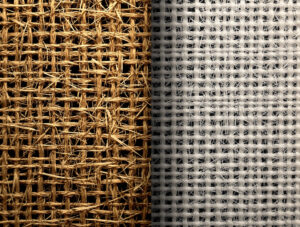
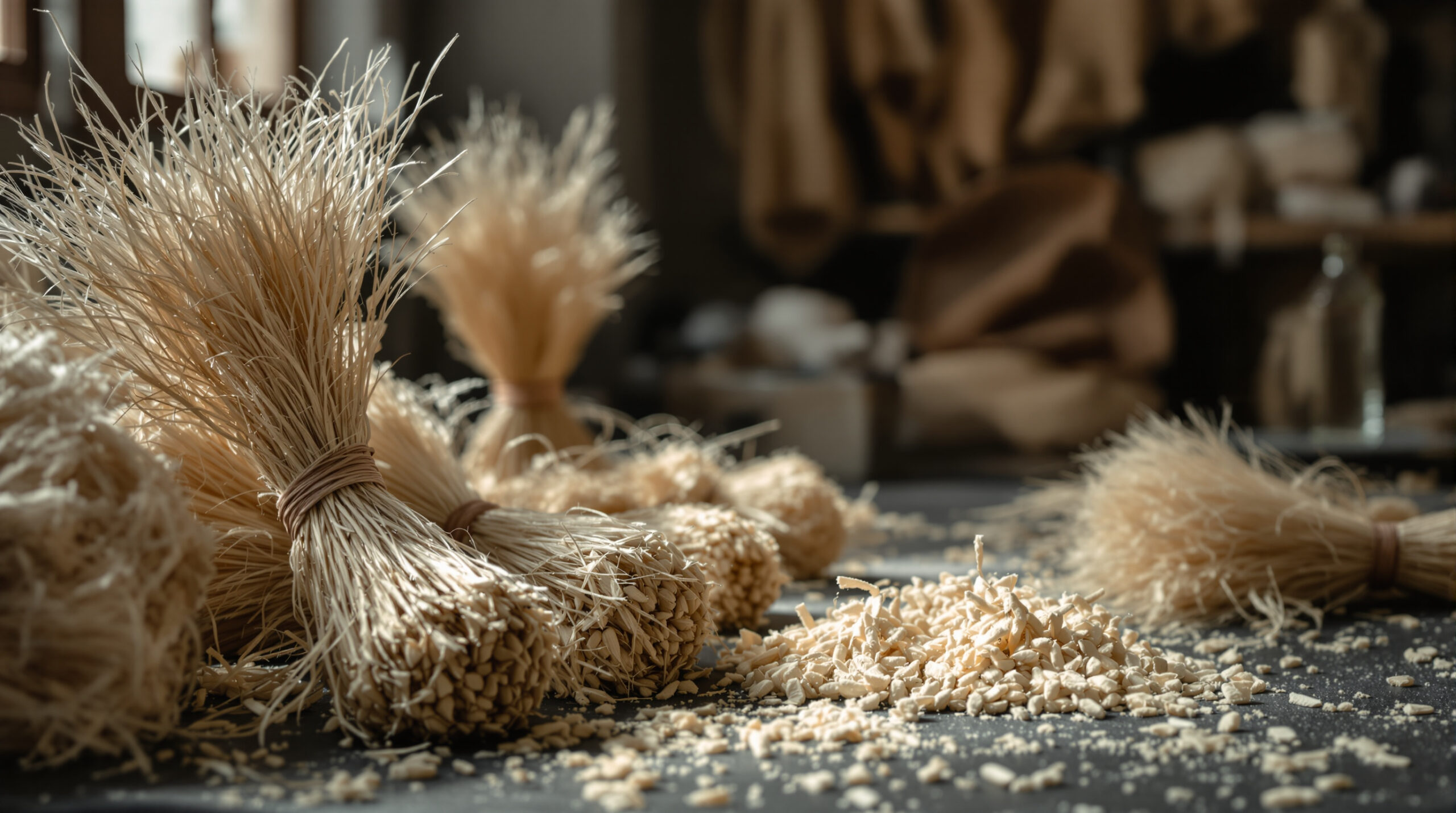
Fiber hemp is a dicot bast fiber plant whose stems yield two fiber types. The long bast fibers—the outer fiber ring around the stem—are tear-resistant and are traditionally spun into yarn, rope, or coarse cloth. The inner shives, a woody core material, are used today as bedding, insulation, or pellets. This dual use makes the plant particularly efficient in the bioeconomy, since multiple material value chains emerge from one hectare of land.
Compared to other natural fibers like linen, jute, or ramie, hemp grows faster, taller, and on less nutrient-rich soils. A growing season of around 120 days is sufficient for stands three to four meters high. The plant shades the ground early, which suppresses weeds and eliminates the need for mechanical weeding. Unlike cotton, hemp requires no artificial irrigation in European growing regions, as normal precipitation in France, Germany, or Poland is sufficient.


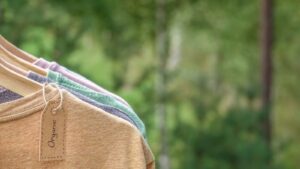
There is also a mechanical property that is underestimated in the textile industry. Hemp fibers possess a hollow microstructure that absorbs moisture and releases it quickly. This makes hemp fabric temperature-regulating, antibacterial, and more tear-resistant than cotton at equal weight. Anyone who has held an old hemp bed sheet knows the effect: the fabric becomes softer with every wash without losing substance. Similar experiences are described by designers and consumers in our report on sustainable fashion from hemp.
Hemp fiber also leads in UV resistance. Studies show that hemp fabric, depending on processing, can block up to 50 percent more UV radiation than cotton of comparable density. For summer clothing, sun hats, or outdoor wear, this is a functional advantage that requires no chemical impregnation. Add to this lower static buildup, which is particularly noticeable in bed and table linens compared to synthetic fibers.
Water consumption, pesticides, land: the ecological balance in direct comparison
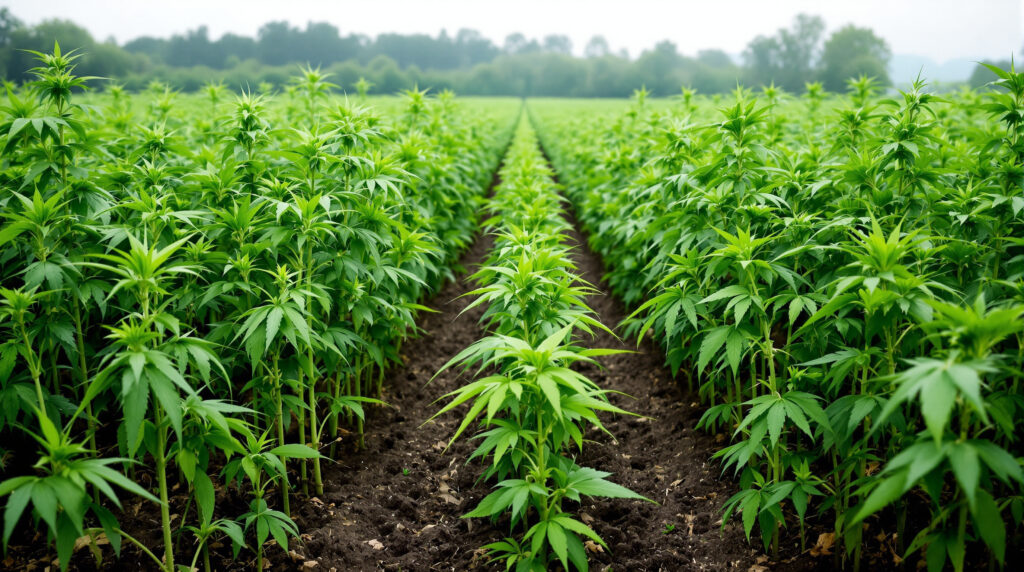
The ecological strength of hemp fiber becomes clearest in direct comparison with cotton, today’s most widely used natural material in the apparel sector. Cotton requires between 7,000 and 17,000 liters of water per kilogram of fiber, depending on source and growing region, because it is predominantly cultivated in arid areas like Pakistan, Uzbekistan, or India’s Punjab and requires artificial irrigation. Hemp requires 300 to 500 liters per kilogram of fiber, since the plant meets its water needs largely from rainfall. Calculated per comparable piece of fabric, hemp’s water footprint comes to roughly one-third.
The difference in pesticide use is even more striking. Approximately one-quarter of the world’s insecticide consumption is used on conventional cotton, despite cotton occupying only three percent of global agricultural land. Hemp, by contrast, is considered a pesticide-free crop because its secondary plant compounds naturally repel pests. Herbicides are also usually unnecessary since the stands suppress weeds on their own. This characteristic is not merely a marketing argument but a certifiable advantage in the ecological balance, increasingly recognized in the water protection areas of central Europe.
Add to this the land efficiency. One hectare of fiber hemp yields between 6 and 12 tons of dried straw depending on variety and growing location, providing two to three times the fiber yield of one hectare of cotton. When the parallel-harvested shives are included, fiber hemp achieves a total biomass surpassed in Europe by few other energy crops. During the same growth period, the plant binds approximately 1.6 tons of CO2 per ton of dry mass, an effect that remains permanently stored in the product when using long-lasting hemp fabrics or hemp concrete.
Compared to polyester, the balance becomes even clearer. Polyester is a petroleum-based plastic whose production generates approximately nine kilograms of CO2 per kilogram and which at end-of-life is either burned or becomes microplastic in the material cycle. Hemp operates neutrally in the use phase and can be composted at end-of-life without leaving toxic residues.
An often-overlooked aspect is soil effect. Fiber hemp is considered an excellent preceding crop in agriculture because its deep taproot loosens soil, breaks up compaction, and leaves behind organic matter. In agricultural trials from France and Germany, yields of follow-up crops like wheat or rapeseed after hemp increased by up to ten percent. This makes hemp fiber not only sustainable as an end product but also interesting as an integral component of regenerative crop rotation.
Microplastics and biodegradability
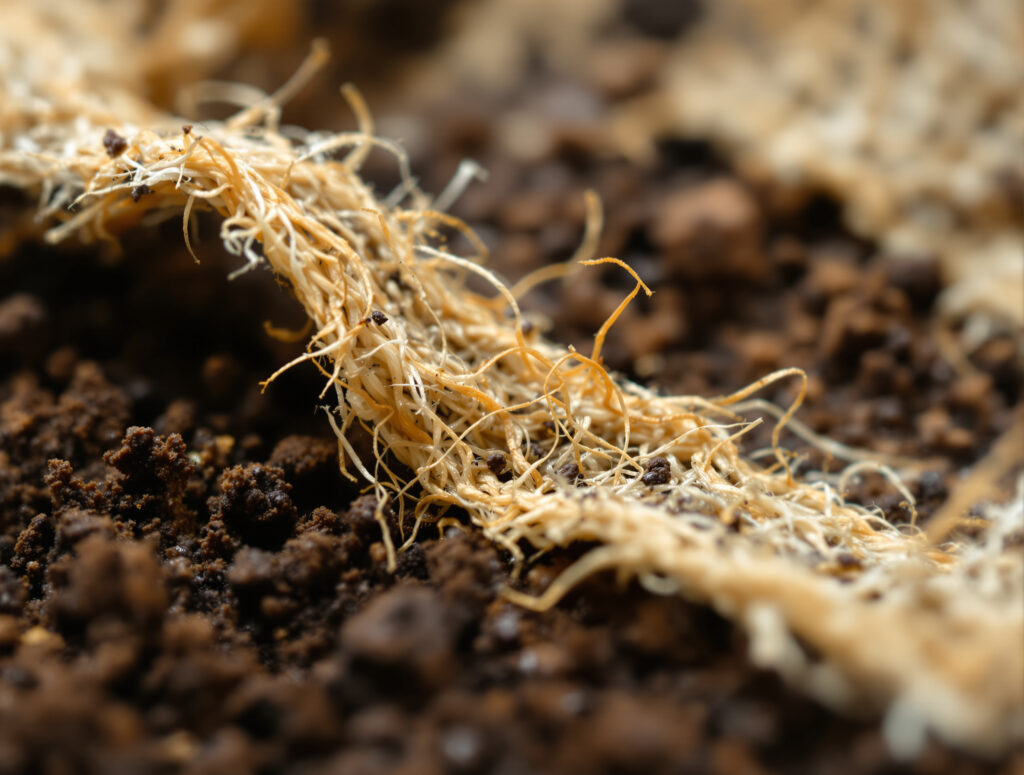
One topic that has gained significant weight in recent years is the microplastic burden from textiles. Every polyester T-shirt sheds tiny plastic fibers in the washing machine that are not completely retained by treatment plants. They end up in rivers, seas, and ultimately in the food chain. Studies from the Netherlands and Germany estimate the input of synthetic microfibers from clothing at several hundred thousand tons per year.
Hemp fiber is not affected by this. It consists of cellulose and natural companion substances like lignin and pectin, which are completely broken down in soil or composting within a few months. Laboratory tests from Belgium have demonstrated that controlled hemp fabrics leave no measurable residues in soil after a few weeks. Mixed fabrics of pure hemp fiber and undyed cotton also remain biodegradable as long as no synthetic additives or PFAS impregnations are used.
The discussion of microplastics thus leads to a paradox in the fashion market. Recycled polyester advertises sustainability but continues to shed plastic fibers with every wash. Hemp fiber offers a true circular solution because it neither binds energy from fossil sources during cultivation nor releases persistent microparticles during use. Those serious about circular economy can hardly avoid hemp fiber.
From field to fabric: processing as an ecological lever
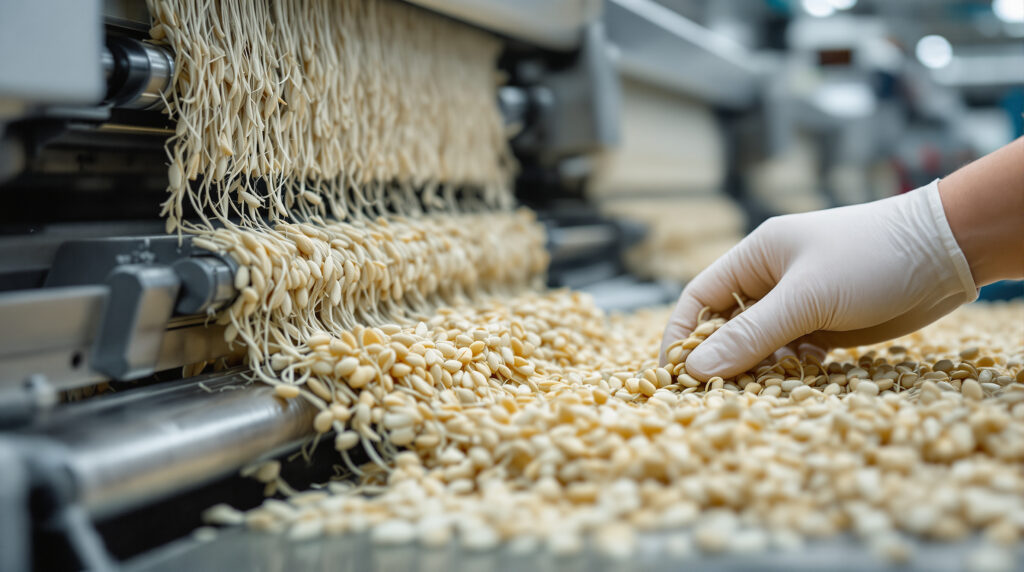
As good as the ecological balance is in cultivation, it becomes critical in processing. Hemp fiber must go through several steps before it reaches the loom as fine yarn. First comes retting, the biological decomposition process in which stems are stored in the field or in water basins over weeks. During this time, bacteria decompose the pectin between bast fibers and shives, and both components can subsequently be separated mechanically.
The next step is so-called cottonization, the mechanical or chemical refinement of hemp fibers to a length and fineness that can be processed on existing cotton spinning mills. This is where the greatest leverage lies: those who avoid chlorine-based bleaches or acids and instead use enzymatic or steam-pressure-based processes keep the ecological balance clean. Since 2024, cooperatives and spinning mills in Italy, France, and Poland have been working on a steam-pressure-based opening method that uses no chlorine and requires significantly less energy than classical wet spinning.
Important to know: a hemp T-shirt from China mixed with bleaching agents and conventional polyester has a significantly worse ecological balance than a certified piece from European production, despite the hemp label. Consumers who want to recognize the difference should look for seals like GOTS for ecological textile standards or the label of the Hemp Textile Trade Association, which documents the entire value chain in Europe. Background on recent initiatives by European weaving mills can be found in our analysis of the comeback of hemp fiber in European weaving mills.
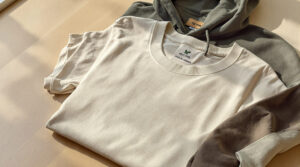
Dyeing also plays a central role. Classical reactive dyeing with high water and salt consumption worsens the balance even of bio-hemp fabric. Plant-based dyings with madder, indigo, or walnut extract are more labor-intensive but close the loop from field to finished product. Some European manufacturers now focus on undyed, completely uncolored hemp fabrics in natural tones of beige, light brown, and olive green, which enter commerce without further chemical finishing.
Where Europe’s hemp textile industry really stands in 2026
Despite good arguments, hemp fiber remains a niche in the European fashion market. France leads the field with over 20,000 hectares of cultivation, followed by the Netherlands, Italy, and Poland. Germany, by contrast, recorded only 5,274 hectares in 2025, a decline of approximately 1,842 hectares from the previous year and the third consecutive decline. Main reasons are economic pressure, regulatory uncertainty surrounding the related issue of cannabis, and the absence of an industrial processing chain for textile hemp in Germany.
The consequence: even brands that sew in Germany source their yarns from Italy or Asia. Without modern retting, scutching, and cottonization facilities, German fiber is hardly competitive. Initiatives like the Hemp Textile Trade Association and individual pilot plants in Brandenburg and Saxony want to close this gap but need investments in the double-digit millions. A detailed assessment of structural weaknesses is provided in our background article on missing infrastructure for hemp fiber in Germany.
The next five to ten years will determine whether hemp fiber makes the jump from the sustainability niche into the mass market. The prerequisites are, objectively speaking, better than ever: increased sensitivity to microplastics, EU circular economy requirements, and pressure on conventional cotton from climate crises in growing regions. Those who shape the market today secure long-term competitive advantages in a regulatory-charged environment. Those seeking a complete overview of processing, variety selection, and applications will find all relevant components in the complete guide to hemp textiles.
Frequently asked questions
Is hemp fiber really more sustainable than organic cotton?
Yes, in most comparisons, hemp fiber performs even better than organic cotton. While organic cotton forgoes pesticides, its water requirements remain higher and hectare yields significantly lower. Hemp combines low water consumption with high yields and additional CO2 sequestration, so even certified organic cotton falls short in overall balance.
Why is hemp clothing often more expensive than cotton despite this?
Higher prices result from the still-young processing chain. While the global cotton industry benefits from decades of optimized spinning mills and weaving facilities, hemp often requires adapted or newly built facilities. With rising volumes, unit costs typically drop quickly, making a significantly smaller price difference realistic in the medium term.
Does hemp fiber release microplastics when washed?
Pure hemp fabrics release no microplastics since they consist exclusively of plant cellulose fibers. Mixed fabrics with polyester or elastane tell a different story: even ten percent plastic fiber content can negate the ecological advantage. Those wanting to avoid the microplastic effect should check labels for pure hemp or hemp-cotton blends without synthetic additives.
How maintenance-intensive is clothing made from hemp?
Hemp is considered very easy to care for. Fabrics can be washed at 30 to 40 degrees, are colorfast, and become softer rather than brittle over time. Due to the antibacterial properties of the fiber, hemp clothing needs to be washed less frequently than comparable cotton wear, which additionally reduces water and energy consumption during the use phase.
What hemp textiles are already available in retail today?
The range extends from classic apparel like T-shirts, shirts, and pants through bed linens, towels, and table linens to technical fabrics for furniture and upholstery. Growing areas include sportswear and outdoor equipment, since the fiber is moisture-regulating and tear-resistant. Those who focus on European production will find a growing number of specialized brands from Germany, Italy, and France.
Further articles on this topic
Hast du schon mal Kleidung aus Hanf getragen?


Branchen-Update
News, Analysen und Reportagen — mehrmals im Monat direkt in dein Postfach.
Folge uns