
Advertisement. This article was created in cooperation with BudVoyage (HANS Brainfood).
📑 Inhaltsverzeichnis
- Science Over Record-Chasing
- How the World Champion Grew: Living Soil Instead of Bottled Nutrients
- From Jamaica to Garden Centers
- Frequently Asked Questions About Voyager F1 Auto
- Science Over Record-Chasing
- How the World Champion Grew: Living Soil Instead of Bottled Nutrients
- From Jamaica to Garden Centers
- Frequently Asked Questions About Voyager F1 Auto
- 💬 Fragen? Frag den Hanf-Buddy!
Best New Strain 2026: the result of consistent, scientifically founded selection, organic living soil cultivation, and genetics that set new standards.
In mid-June 2026, the international autoflower community gathered for the sixth edition of the Autoflower World Cup. For the first time, the competition took place not in Barcelona, but in Berlin during Mary Jane. And for the first time, a German breeder claimed the title in the „Best New Strain“ category: BudVoyage prevailed with the Voyager against breeders, some of whom have been in the business for over 30 years. The winner was selected by an international expert jury that included the Joint Doctor, the man who bred the world’s first autoflower genetics.


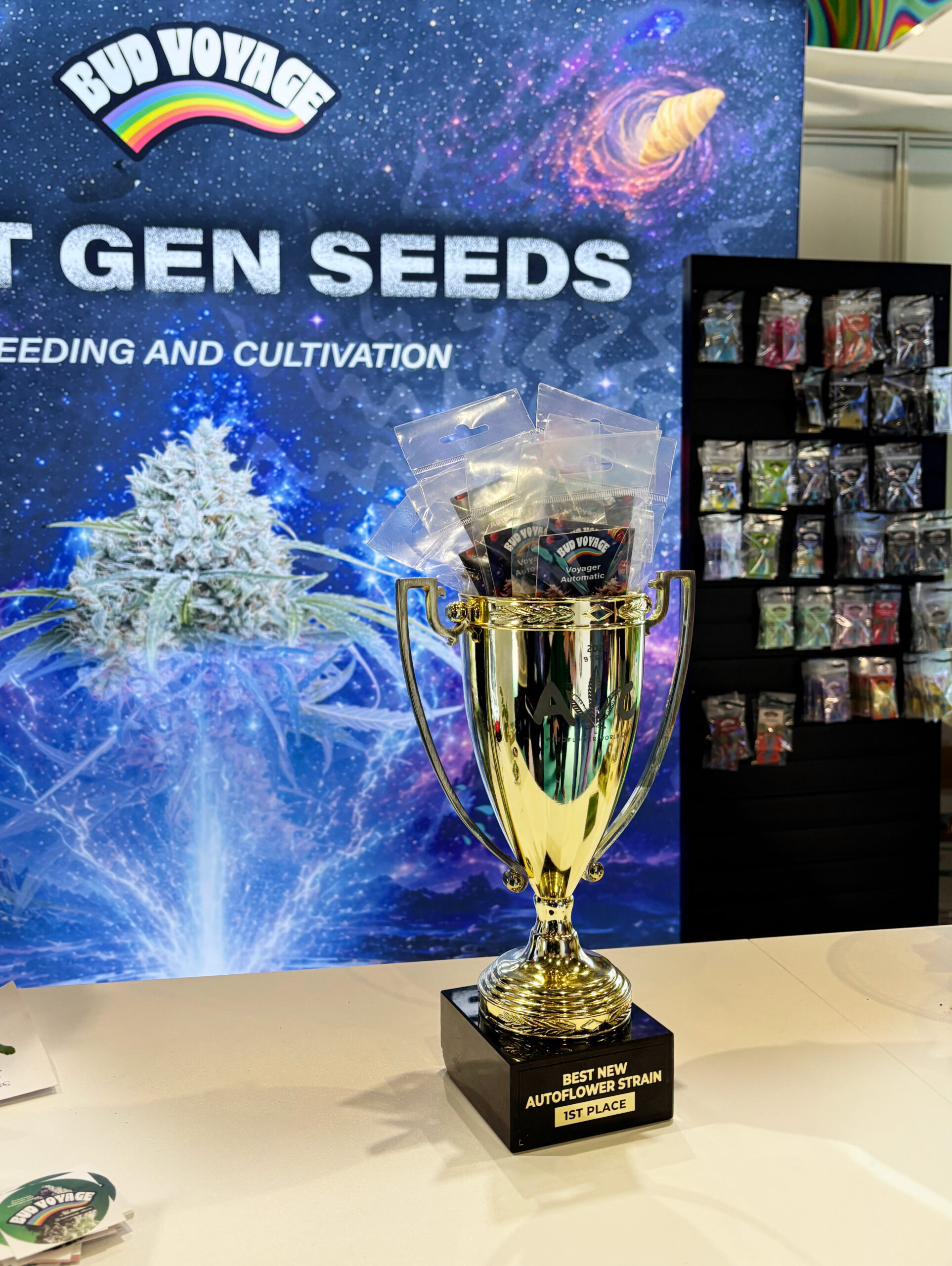
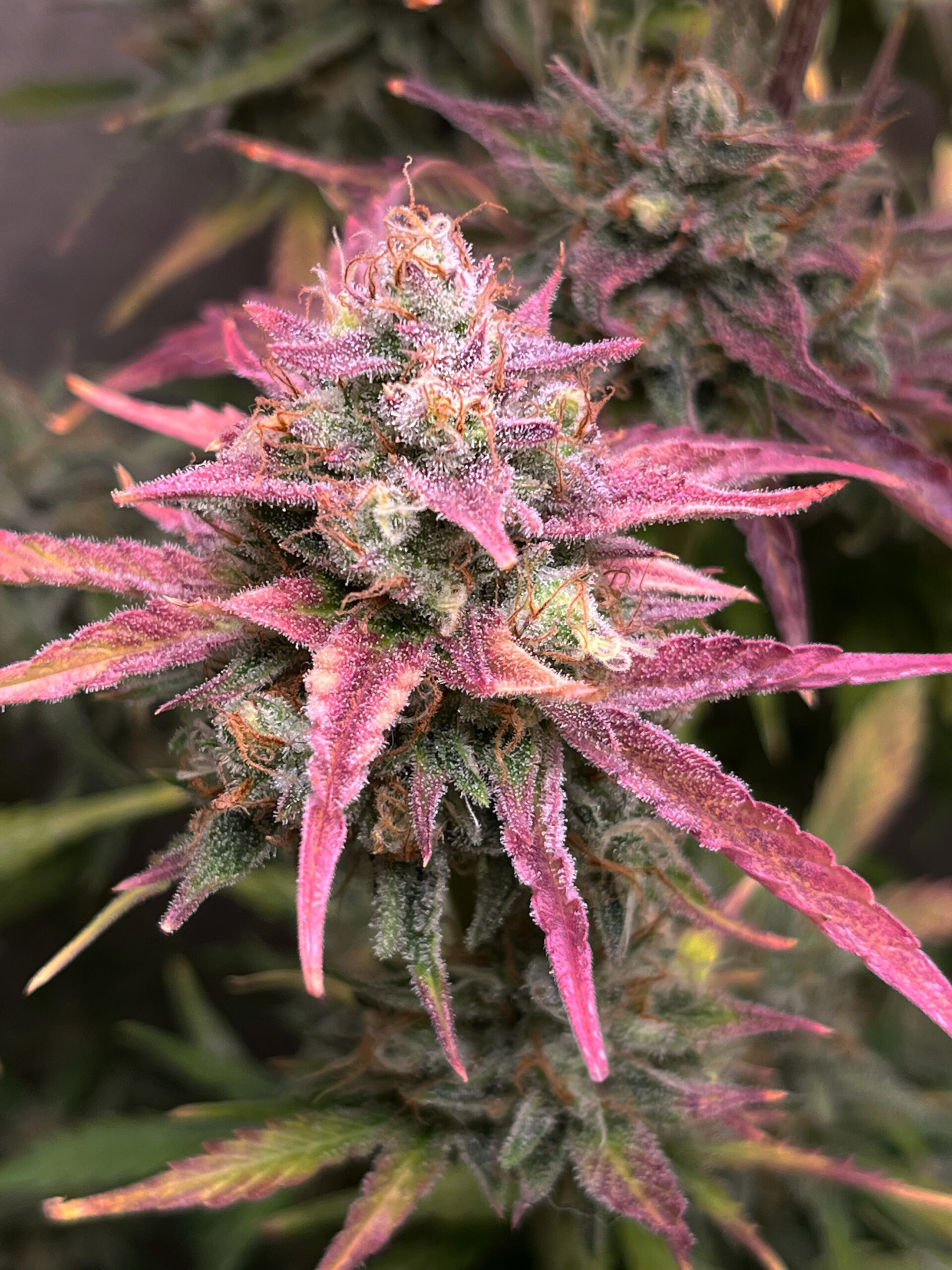
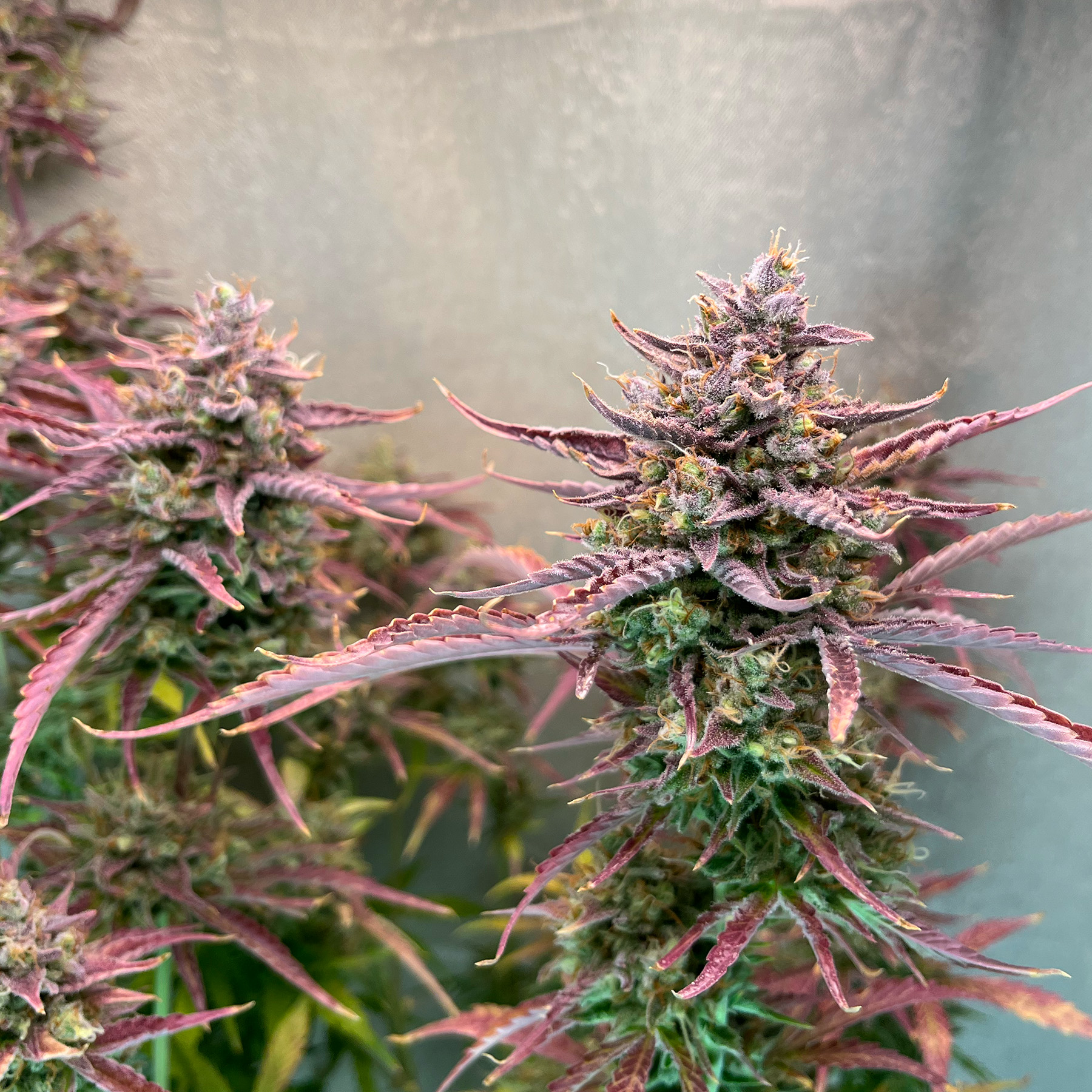
The jury was impressed by a strain optimized not for maximum THC values, but for reproducible effects, a distinctive terpene profile, and robustness. The Voyager demonstrates the results through exceptional terpene expression, characteristic deep red to burgundy coloring toward the end of flowering, and high stress resistance. Aromatically, it evokes intense gummy bears, sweet berries, and pastries on a spicy-earthy base. This combination of aroma, stability, and reliable effects is what made it stand out.
Science Over Record-Chasing
Some phenotypes are simply good. Others make you pause in the selection room with a sense of discovery. That’s precisely how the Voyager got its name: the impression of having discovered something that stands distinctly apart from the ordinary, aromatic, robust, and with its own unique character. Behind the strain is Dr. Tim Rieseberg, Head of Breeding at BudVoyage. As a doctorate holder in biology and chemistry, this evolutionary biologist is a recognized specialist in genetics and breeding. He selects not for pure strength, but deliberately for defined, highly reproducible terpene and effect profiles.
For Rieseberg, it was clear early on that the Voyager’s characteristic aroma cannot be explained by its terpene profile alone. Drawing on his chemistry and biochemistry background, he assumes that additional aroma molecules—so-called flavorants—contribute to its exceptionally complex overall profile. The path to the winning strain followed a clear scientific selection process: numerous test genetics were developed and evaluated in extensive comparative grows with various test growers and proprietary stress tests. Only when aroma, effects, and cultivation properties proved convincing did the decision fall on the Voyager.
Rieseberg’s focus on reproducible effects also has a personal background: he uses cannabis therapeutically to treat chronic pain. This understanding shapes his breeding approach, and his expertise is increasingly sought after by companies in the pharmaceutical sector.
„I don’t select for records, but for effects that are reproducible. As a patient, I know how valuable it is to be able to rely on a strain.“
Dr. Tim Rieseberg, Head of Breeding BudVoyage
How the World Champion Grew: Living Soil Instead of Bottled Nutrients
A cup strain is only as good as the grow that reveals its potential. The winning plant grew purely organically in living soil with Berlin-based living soil grower Steffen Gehre. No forced record attempts, no aggressive mineral feeding, no sterile laboratory approach. What won was a system: strong genetics, living soil built up over the entire cycle, robust lighting, and fully automated climate control.
The setup was a perpetual harvest on a 120 by 120 centimeter space, approximately 600 watts of LED at 18 hours of light per day, 13-liter containers, and an organically-based soil medium. The soil was built up rather than the plant being fed: organic long-term nutrient sources, mineral components, humic substances, biochar, mycorrhiza, trichoderma, and active soil life form a biological supply system. Instead of bottled nutrients, just two targeted compost tea applications during flowering sufficed—in week four for early bud formation and in week six for cell structure and nutrient transport. Even at late flowering, the hottest spot in the tent was only 25.9 degrees Celsius; excessively high late-flowering temperatures degrade terpenes.
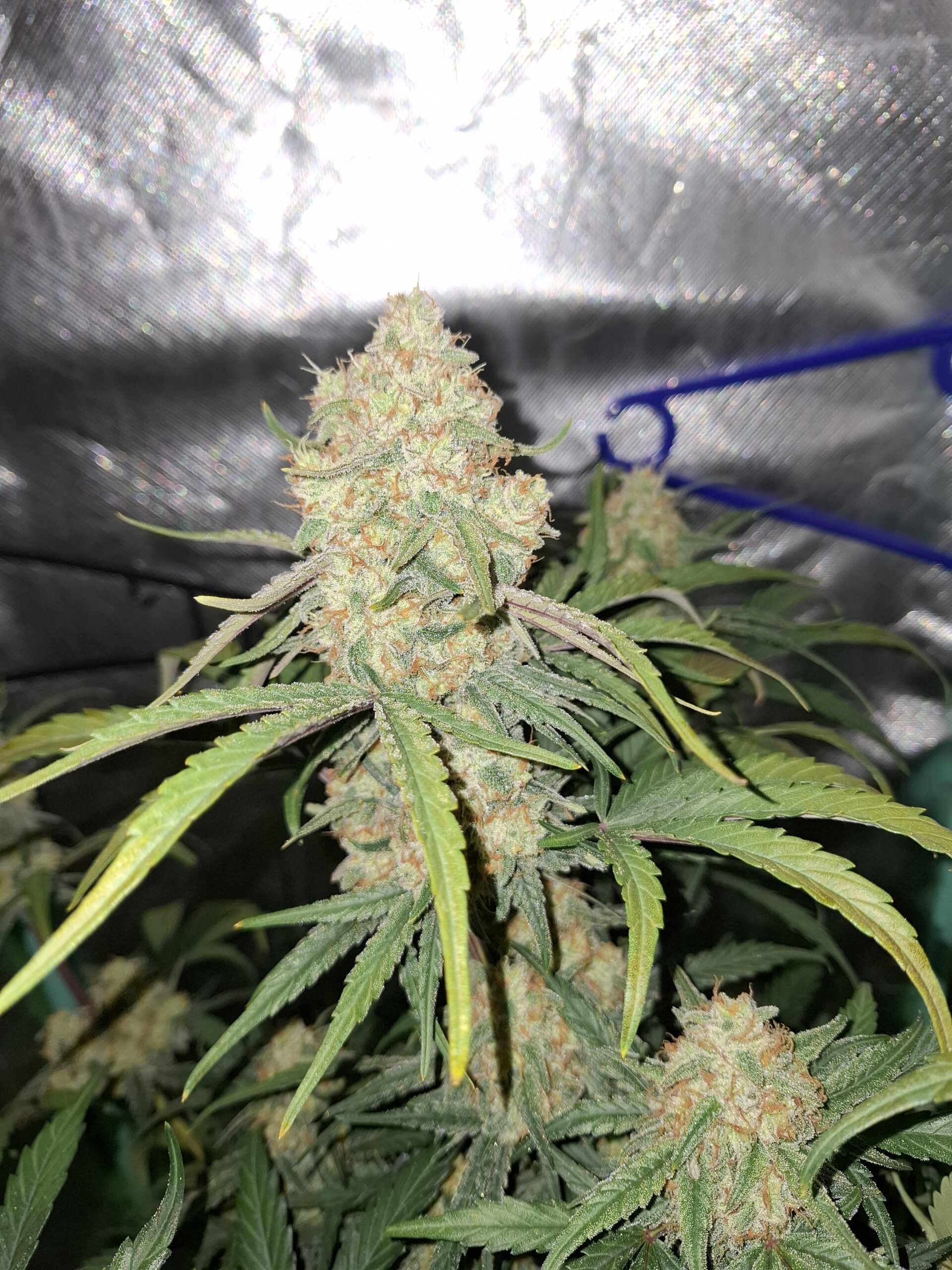
The second key was climate control. Temperature, humidity, and air circulation were fully automated to maintain the correct VPD window in each growth phase, from seedling through late flowering. The soil provided nutrients, the proper VPD allowed the plant to use them efficiently, and simultaneously reduced mold risk with dense, resinous buds. Harvesting began once trichomes were consistently milky, followed by slow, gentle drying over twelve to fourteen days and curing in glass jars at 58 percent humidity. Since terpenes are volatile, this patience is a central quality factor. From germination in early November to harvest of the first, later championship-winning phenotype took approximately fourteen weeks.
From Jamaica to Garden Centers
BudVoyage’s breeding and selection work is internationally oriented. The brand develops its own genetics and conducts phenohunts. Most recently, in cooperation with Rootinn, the journey went to Jamaica’s Westmoreland region, where BudVoyage is, to their knowledge, the first breeder to work in this area. Westmoreland tests every genetics: tropical humidity, regular rain, and significant temperature swings between day and night. Genetics that succeed there typically bring high resilience to home gardens as well.
In previous years, German growers had won the Autoflower World Cup, but never for a German breeder. With the Voyager, this was accomplished for the first time. Despite its brief history, BudVoyage is now represented in over 350 garden centers, including at Dehner. The cup victory now adds international validation to their breeding work.
Profile: Voyager F1 Auto
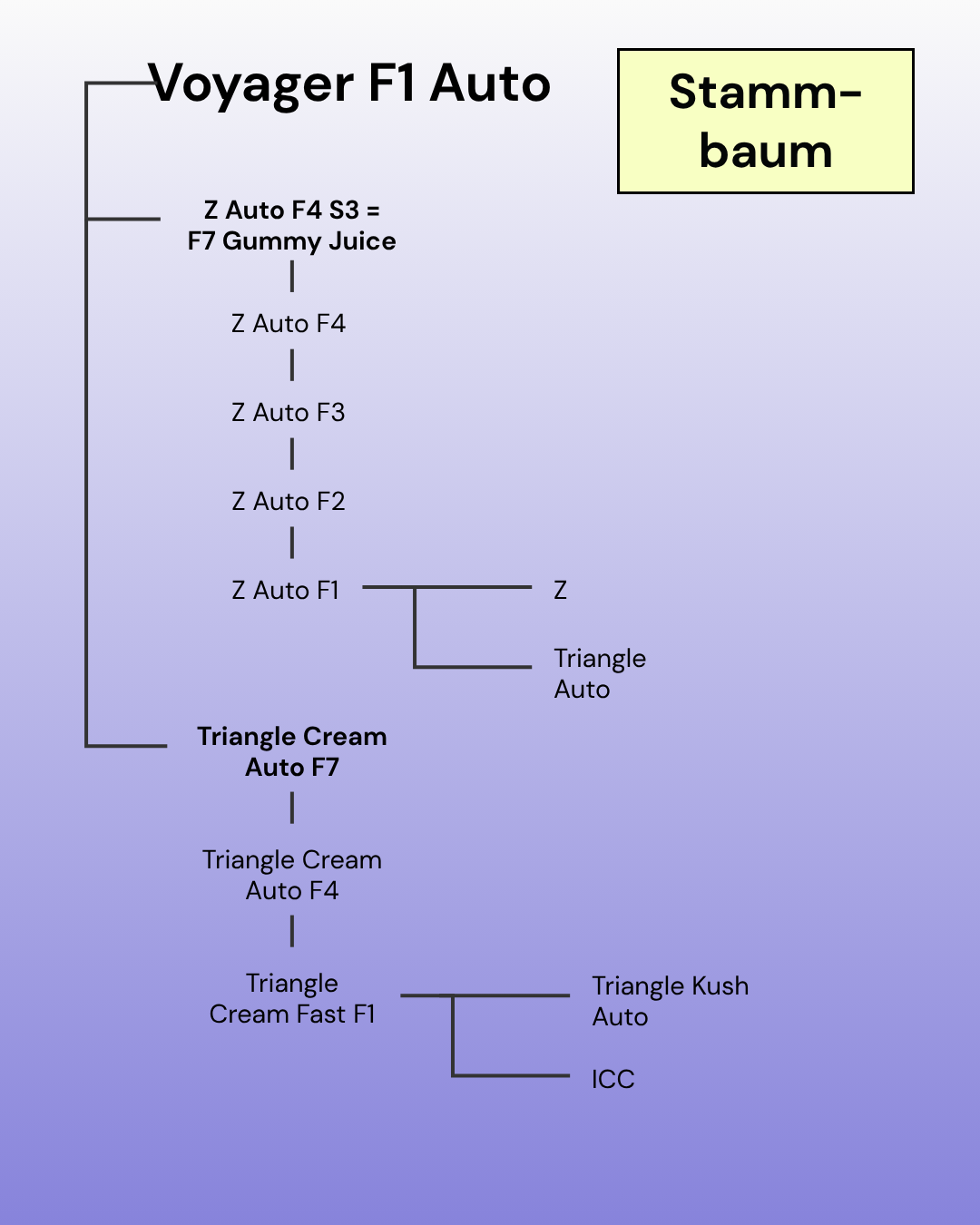
- Genetics: Gummy Juice × Triangle Cream (in grow as test strain „Gummy Juice Auto“)
- Type: indica-dominant, autoflowering (Sativa 30% / Indica 65% / Ruderalis 5%)
- THC: 20 to 25% (submitted sample: 25%)
- Flowering time: 7 to 8 weeks · Height indoors: 80 to 140 cm
- Aroma: gummy bears/candy, sweet berries, pastries, spicy-earthy; very high odor intensity
- Effect: creative, relaxing, social; all-day smoke
- Appearance: deep red to burgundy sugar leaves, very resin-rich
- Robustness: highly stress-resistant (heat, cold, drought, overwatering); tolerates topping
- Award: Best New Strain, Autoflower World Cup 2026
- Product page: Voyager Auto Cannabis Seeds at BudVoyage
The name is thus a statement of purpose: Voyager stands for the spirit of discovery that drives BudVoyage and the quest for genetics that set new standards.
Frequently Asked Questions About Voyager F1 Auto
What is the Voyager F1 Auto?
The Voyager F1 Auto is an indica-dominant, autoflowering cannabis strain from German breeder BudVoyage that won „Best New Strain“ at the Autoflower World Cup in Berlin in mid-June 2026. It delivers 20 to 25 percent THC and an aroma of gummy bears, sweet berries, and pastries. For an explanation of how autoflowering strains work in general, see our beginner’s guide to autoflower cultivation.
What genetics does the Voyager F1 Auto contain?
The Voyager is a cross of Gummy Juice × Triangle Cream with a ratio of approximately 65 percent Indica, 30 percent Sativa, and 5 percent Ruderalis. As an F1 hybrid, it combines its parent lines‘ traits with particular stability—for details on what the „F1“ designation means in cannabis seeds, see our overview of cannabis genetics: F1, F2, and BX explained.
How much THC does the Voyager have and how long does it flower?
The sample submitted for competition reached 25 percent THC, with typical range between 20 to 25 percent. Flowering time is 7 to 8 weeks, with indoor height of 80 to 140 centimeters. This makes it suitable as an all-day smoke with creative-relaxing, social effects.
Why does the Voyager turn red toward the end of flowering?
Characteristic of the Voyager is deep red to burgundy coloring of sugar leaves toward the end of flowering. Such colors result from anthocyanins, whose formation is genetically determined and enhanced by factors like cooler temperatures. Our article on purple and red cannabis leaves explains when such discoloration is strain-typical versus a warning sign.
What is the Autoflower World Cup?
The Autoflower World Cup is an international competition specifically for autoflowering strains. The sixth edition took place in mid-June 2026 for the first time not in Barcelona but in Berlin during Mary Jane. In the previous year, Royal Queen Seeds had won the 2025 Autoflower World Cup.
Who is BudVoyage?
BudVoyage (HANS Brainfood) is a German breeder that develops its own genetics and conducts phenohunts, including in Jamaica. The cup-winning plant grew purely organically in living soil. Despite its brief time on the market, the brand is already represented in over 350 garden centers—for more on breaking into the cannabis industry, read our article Your Path Into the Cannabis Industry.
Advertisement. This article was created in cooperation with BudVoyage (HANS Brainfood).
Best New Strain 2026: the result of consistent, scientifically founded selection, organic living soil cultivation, and genetics that set new standards.
In mid-June 2026, the international autoflower community gathered for the sixth edition of the Autoflower World Cup. For the first time, the competition took place not in Barcelona, but in Berlin during Mary Jane. And for the first time, a German breeder claimed the title in the „Best New Strain“ category: BudVoyage prevailed with the Voyager against breeders, some of whom have been in the business for over 30 years. The winner was selected by an international expert jury that included the Joint Doctor, the man who bred the world’s first autoflower genetics.
The jury was impressed by a strain optimized not for maximum THC values, but for reproducible effects, a distinctive terpene profile, and robustness. The Voyager demonstrates the results through exceptional terpene expression, characteristic deep red to burgundy coloring toward the end of flowering, and high stress resistance. Aromatically, it evokes intense gummy bears, sweet berries, and pastries on a spicy-earthy base. This combination of aroma, stability, and reliable effects is what made it stand out.
Science Over Record-Chasing
Some phenotypes are simply good. Others make you pause in the selection room with a sense of discovery. That’s precisely how the Voyager got its name: the impression of having discovered something that stands distinctly apart from the ordinary, aromatic, robust, and with its own unique character. Behind the strain is Dr. Tim Rieseberg, Head of Breeding at BudVoyage. As a doctorate holder in biology and chemistry, this evolutionary biologist is a recognized specialist in genetics and breeding. He selects not for pure strength, but deliberately for defined, highly reproducible terpene and effect profiles.
For Rieseberg, it was clear early on that the Voyager’s characteristic aroma cannot be explained by its terpene profile alone. Drawing on his chemistry and biochemistry background, he assumes that additional aroma molecules—so-called flavorants—contribute to its exceptionally complex overall profile. The path to the winning strain followed a clear scientific selection process: numerous test genetics were developed and evaluated in extensive comparative grows with various test growers and proprietary stress tests. Only when aroma, effects, and cultivation properties proved convincing did the decision fall on the Voyager.
Rieseberg’s focus on reproducible effects also has a personal background: he uses cannabis therapeutically to treat chronic pain. This understanding shapes his breeding approach, and his expertise is increasingly sought after by companies in the pharmaceutical sector.
„I don’t select for records, but for effects that are reproducible. As a patient, I know how valuable it is to be able to rely on a strain.“
Dr. Tim Rieseberg, Head of Breeding BudVoyage
How the World Champion Grew: Living Soil Instead of Bottled Nutrients
A cup strain is only as good as the grow that reveals its potential. The winning plant grew purely organically in living soil with Berlin-based living soil grower Steffen Gehre. No forced record attempts, no aggressive mineral feeding, no sterile laboratory approach. What won was a system: strong genetics, living soil built up over the entire cycle, robust lighting, and fully automated climate control.
The setup was a perpetual harvest on a 120 by 120 centimeter space, approximately 600 watts of LED at 18 hours of light per day, 13-liter containers, and an organically-based soil medium. The soil was built up rather than the plant being fed: organic long-term nutrient sources, mineral components, humic substances, biochar, mycorrhiza, trichoderma, and active soil life form a biological supply system. Instead of bottled nutrients, just two targeted compost tea applications during flowering sufficed—in week four for early bud formation and in week six for cell structure and nutrient transport. Even at late flowering, the hottest spot in the tent was only 25.9 degrees Celsius; excessively high late-flowering temperatures degrade terpenes.
The second key was climate control. Temperature, humidity, and air circulation were fully automated to maintain the correct VPD window in each growth phase, from seedling through late flowering. The soil provided nutrients, the proper VPD allowed the plant to use them efficiently, and simultaneously reduced mold risk with dense, resinous buds. Harvesting began once trichomes were consistently milky, followed by slow, gentle drying over twelve to fourteen days and curing in glass jars at 58 percent humidity. Since terpenes are volatile, this patience is a central quality factor. From germination in early November to harvest of the first, later championship-winning phenotype took approximately fourteen weeks.
From Jamaica to Garden Centers
BudVoyage’s breeding and selection work is internationally oriented. The brand develops its own genetics and conducts phenohunts. Most recently, in cooperation with Rootinn, the journey went to Jamaica’s Westmoreland region, where BudVoyage is, to their knowledge, the first breeder to work in this area. Westmoreland tests every genetics: tropical humidity, regular rain, and significant temperature swings between day and night. Genetics that succeed there typically bring high resilience to home gardens as well.
In previous years, German growers had won the Autoflower World Cup, but never for a German breeder. With the Voyager, this was accomplished for the first time. Despite its brief history, BudVoyage is now represented in over 350 garden centers, including at Dehner. The cup victory now adds international validation to their breeding work.
Profile: Voyager F1 Auto
- Genetics: Gummy Juice × Triangle Cream (in grow as test strain „Gummy Juice Auto“)
- Type: indica-dominant, autoflowering (Sativa 30% / Indica 65% / Ruderalis 5%)
- THC: 20 to 25% (submitted sample: 25%)
- Flowering time: 7 to 8 weeks · Height indoors: 80 to 140 cm
- Aroma: gummy bears/candy, sweet berries, pastries, spicy-earthy; very high odor intensity
- Effect: creative, relaxing, social; all-day smoke
- Appearance: deep red to burgundy sugar leaves, very resin-rich
- Robustness: highly stress-resistant (heat, cold, drought, overwatering); tolerates topping
- Award: Best New Strain, Autoflower World Cup 2026
- Product page: Voyager Auto Cannabis Seeds at BudVoyage
The name is thus a statement of purpose: Voyager stands for the spirit of discovery that drives BudVoyage and the quest for genetics that set new standards.
Frequently Asked Questions About Voyager F1 Auto
What is the Voyager F1 Auto?
The Voyager F1 Auto is an indica-dominant, autoflowering cannabis strain from German breeder BudVoyage that won „Best New Strain“ at the Autoflower World Cup in Berlin in mid-June 2026. It delivers 20 to 25 percent THC and an aroma of gummy bears, sweet berries, and pastries. For an explanation of how autoflowering strains work in general, see our beginner’s guide to autoflower cultivation.
What genetics does the Voyager F1 Auto contain?
The Voyager is a cross of Gummy Juice × Triangle Cream with a ratio of approximately 65 percent Indica, 30 percent Sativa, and 5 percent Ruderalis. As an F1 hybrid, it combines its parent lines‘ traits with particular stability—for details on what the „F1“ designation means in cannabis seeds, see our overview of cannabis genetics: F1, F2, and BX explained.
How much THC does the Voyager have and how long does it flower?
The sample submitted for competition reached 25 percent THC, with typical range between 20 to 25 percent. Flowering time is 7 to 8 weeks, with indoor height of 80 to 140 centimeters. This makes it suitable as an all-day smoke with creative-relaxing, social effects.
Why does the Voyager turn red toward the end of flowering?
Characteristic of the Voyager is deep red to burgundy coloring of sugar leaves toward the end of flowering. Such colors result from anthocyanins, whose formation is genetically determined and enhanced by factors like cooler temperatures. Our article on purple and red cannabis leaves explains when such discoloration is strain-typical versus a warning sign.
What is the Autoflower World Cup?
The Autoflower World Cup is an international competition specifically for autoflowering strains. The sixth edition took place in mid-June 2026 for the first time not in Barcelona but in Berlin during Mary Jane. In the previous year, Royal Queen Seeds had won the 2025 Autoflower World Cup.
Who is BudVoyage?
Baust du selbst Autoflower-Sorten an oder hast du es vor?
BudVoyage (HANS Brainfood) is a German breeder that develops its own genetics and conducts phenohunts, including in Jamaica. The cup-winning plant grew purely organically in living soil. Despite its brief time on the market, the brand is already represented in over 350 garden centers—for more on breaking into the cannabis industry, read our article Your Path Into the Cannabis Industry.







Branchen-Update
News, Analysen und Reportagen — mehrmals im Monat direkt in dein Postfach.
Folge uns