Medical Cannabis Legalization Linked to Lower Sick Days
In US states with medical cannabis access, health-related workplace absences drop by roughly 7 percent. This finding comes from an analysis of data spanning more than three decades. What stands out most is what the study does not find: recreational cannabis laws alone produce no measurable effect on absenteeism.
📑 Inhaltsverzeichnis
Study Design and Data Sources
The research, titled „Cannabis laws and health-related workplace absenteeism in the United States,“ was published in the Journal of Workplace Behavioral Health. The authors include Eklou R. Amendah from the University of Southern Maine, Patryk Babiarz from the University of Georgia, and Kavitha Rabindran from the Ibhanan MRC in Chennai. Though published on June 10, 2026, the findings gained wider public attention following a University of Georgia announcement in August.
Researchers analyzed data from more than 20 million individuals compiled by the US Census Bureau and Bureau of Labor Statistics for the years 1990 to 2025. Rather than comparing individual consumers, they examined state-level trends before and after legal changes. The focus was on regulatory environment, not personal consumption patterns.


Effects Vary Significantly by Occupation
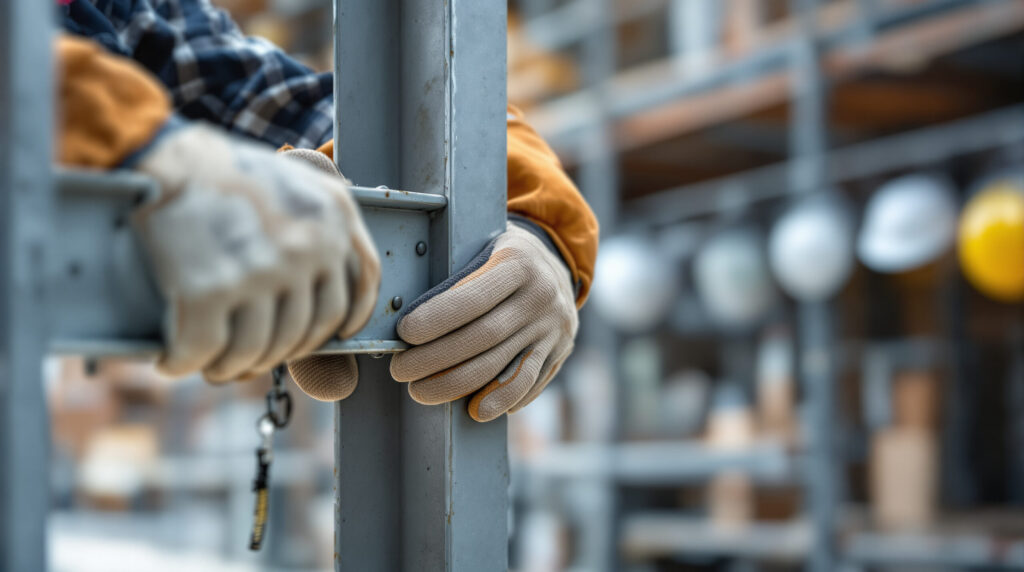
Across all workers, health-related absences fell by about 7 percent once a state opened medical access. The decline was most pronounced in physically demanding work—manual labor and machinery operation. At the industry level, this affected construction and agriculture most noticeably. Employees in healthcare services also showed significant reductions.
The authors place these findings in economic context. Babiarz points out that workplace absences impose substantial costs on employers. One estimate cited in the study puts annual US productivity loss from absenteeism at $225 billion. Medical access could, in Babiarz’s assessment, prevent hundreds of millions in economic costs simply by keeping more people at work.
Why Medical Access Matters—But Recreational Doesn’t

The most intriguing part of these results is what researchers did not find. Recreational cannabis laws had no measurable impact on health-related sick days, whether states permitted retail sales or merely decriminalized possession.
This rules out a straightforward counterargument: that simply having more cannabis available automatically reduces reported sick days. If availability alone drove the effect, it should appear with recreational laws too. It doesn’t. This points to a targeted mechanism, and the authors suspect relief from chronic pain symptoms. Their data, however, cannot prove this. The dataset reveals no information about who actually used cannabis for pain management.
Important Limitations
Three caveats deserve mention for proper interpretation. First, this is an observational study at the state level. It demonstrates correlation, not causation in individual cases. Second, the authors explicitly did not investigate potential harms—neither health effects nor behavioral ones. Reading this as a comprehensive risk-benefit analysis overstates the findings.
Third, the 1990–2025 observation period is long enough that parallel developments could confound the results. These include shifts in pain management approaches or changing opioid use patterns. Here, the study fits into a larger picture. An NIH analysis of opioid overdose deaths reached a complementary finding using different methods. We’ve recently shown how quickly individual studies get overstated in media coverage, as demonstrated by reporting on a study of cannabis and the stress hormone cortisol.
Implications for the German Context
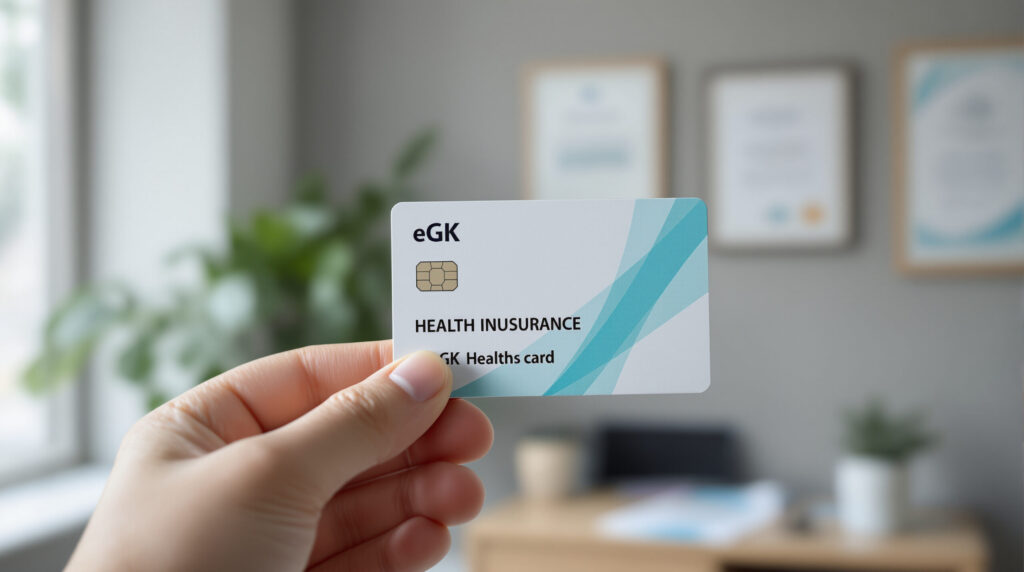
Direct application to Germany is not methodologically possible. Medical cannabis has been uniformly regulated nationwide since 2017, so there are no regional variations in access to compare. The study remains relevant, however, because of its timing.
Since July 30, 2026, Germany’s statutory health insurance no longer covers dried cannabis flower. Among the justifications offered: potential savings for insurance funds. The real-world hardships resulting from this change emerged in recent legal proceedings at the Frankfurt Social Court, and pain medicine specialists have sharply criticized the situation for weeks.
The US research reminds us that cost accounting cuts both ways. The insurance fund’s medication budget is one side. Lost work days—which create expenses elsewhere—are the other. Whether these findings transfer to German conditions remains unclear. That they haven’t yet featured in German cost debates is striking. For employees, the employment law dimension remains critical, which we’ve covered in our overview of cannabis in the workplace and our analysis of drug testing at work.
Frequently Asked Questions
How large is the effect the study found?
The study reports a 7 percent reduction in health-related absences in states with medical cannabis access. This figure spans all surveyed workers. In physically demanding occupations, the decline was more pronounced.
Does this study prove cannabis prevents sick days?
No. It’s an observational study comparing states before and after legal changes. It shows a statistical relationship between law and absenteeism. Whether cannabis caused the difference in any individual case cannot be determined from this data.
Why didn’t recreational cannabis laws produce an effect?
That’s the study’s open question. The authors suspect the effect depends on targeted medical use, particularly for chronic pain. Availability alone, without medical context, showed no measurable impact.
Can these results apply to Germany?
Only partially. Germany has had uniform nationwide medical cannabis regulation since 2017, so there’s no comparison between regions with and without access. The underlying economic question—what restricted medical access costs—remains relevant here.
Where can I read the full study?
It appears in the Journal of Workplace Behavioral Health and is accessible via DOI 10.1080/15555240.2026.2680016. The full text is behind the publisher’s paywall. We verified author and publication date information through Crossref.
Sources: Amendah, Babiarz, and Rabindran, „Cannabis laws and health-related workplace absenteeism in the United States,“ Journal of Workplace Behavioral Health, published online June 10, 2026, DOI 10.1080/15555240.2026.2680016, metadata verified via Crossref; University of Georgia press release with quotes from Patryk Babiarz; Ganjapreneur reporting from August 26, 2026; independent reporting.
Sollte medizinisches Cannabis in Deutschland leichter zugänglich sein?
Note: This article reports study findings and does not constitute medical advice. Observational data demonstrate associations, not causation. Whether cannabis therapy is appropriate in any individual case is a decision for the treating physician.





Branchen-Update
News, Analysen und Reportagen — mehrmals im Monat direkt in dein Postfach.