Why an MS Patient Is Fighting for Home Cultivation Rights
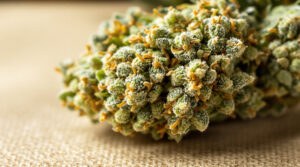
Helena D. has lived with multiple sclerosis since 2005. The condition causes severe muscle spasms that often leave her bruised. Natural cannabis flowers help her sleep without pain and stabilize her mental health. By contrast, dronabinol—an isolated THC preparation approved in Austria—triggers nausea and headaches.
📑 Inhaltsverzeichnis
This is precisely where the legal dispute lies. In Austria, anyone dependent on whole flowers has no legal recourse. Natural cannabis flowers are effectively excluded from medical prescription; only standardized extracts and finished pharmaceutical products are permitted. Those who cannot afford expensive medication or cannot tolerate it often end up breaking the law.
The Medical Necessity Argument
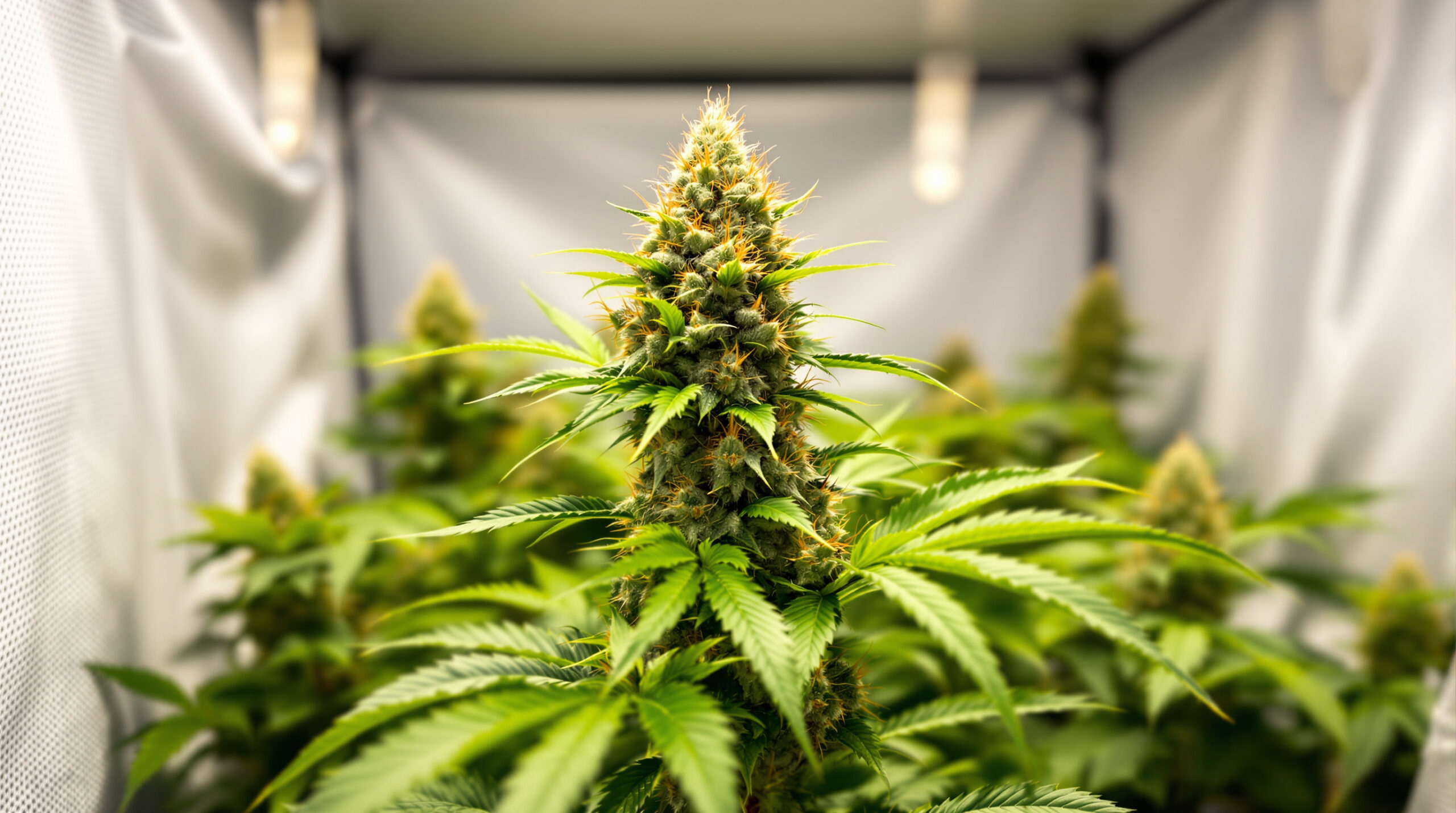
Helena’s lawsuit rests on the principle of medical necessity within a solidarity-based healthcare system. The logic is straightforward: if a person with a serious illness demonstrably benefits and no equivalent legal alternative exists, the state cannot permanently criminalize home cultivation.


Sita Schubert, a lawyer with the European Medical Cannabis Association, puts it bluntly. In her assessment, such proceedings would be difficult for the administration to win within a solidarity-based healthcare framework. The burden of proof ultimately rests with the state, which must explain why it denies an seriously ill patient access to effective treatment.
Germany’s Legal Precedent for Home Cultivation
Helena’s case follows a pattern that has already succeeded in Germany. In 2011, a wheelchair user with MS sued for the right to grow his medicine himself. In 2016, Germany’s Federal Administrative Court ruled in his favor. This pressure was a key factor in Germany passing its own Medical Cannabis Act in 2017, from which tens of thousands of patients now benefit.
German courts have carefully weighed how home cultivation for seriously ill patients should be legally classified over many years, as our analysis on the legal treatment of home cultivation by chronic pain patients demonstrates. The fundamental question of when patients may grow cannabis themselves is well-documented in Germany, including in our piece on home cultivation for patients.
What This Case Could Mean for Austria
ARGE CANNA, an Austrian patient and activist organization, is supporting Helena financially and strategically. The group sees this case as an opportunity to break through the authorities‘ restrictive stance. The case became public on July 14 through the Kronen Zeitung.
Austria’s cannabis policy remains contradictory. While authorities block medical access, a gray zone is growing in the background—as the debate over the legal status of CBD flowers in Austria shows. How deeply prohibition shapes the country became evident in a spectacular record seizure in Vienna-Liesing. A victory for Helena would fundamentally challenge this logic.
Frequently Asked Questions
Is home cultivation of medical cannabis legal in Austria?
No. Growing THC-containing cannabis at home is illegal in Austria, even for medical necessity. Unlike Germany, Austria has no home cultivation exemption for patients.
Which cannabis medications are permitted in Austria?
Doctors may primarily prescribe standardized preparations such as dronabinol, as well as approved extracts and finished pharmaceuticals. Natural cannabis flowers are largely excluded from medical prescription.
What is Helena’s lawsuit based on?
The principle of medical necessity. Since legal alternatives don’t help her and cannabis flowers provide clear relief, she argues that banning home cultivation in her case is disproportionate.
Why is Germany’s precedent so significant?
Because an almost identical case succeeded in Germany’s Federal Administrative Court in 2016 and paved the way for the 2017 Medical Cannabis Act. Helena’s team hopes Austrian courts will rule similarly.
What if Helena wins?
A ruling in her favor would create political pressure to reshape medical cannabis access in Austria. However, home cultivation wouldn’t automatically become legal for all patients.
Sources: ARGE CANNA, Kronen Zeitung (July 2026).





Sollten Schwerkranke Cannabis für den Eigenbedarf anbauen dürfen?
Branchen-Update
News, Analysen und Reportagen — mehrmals im Monat direkt in dein Postfach.
Folge uns