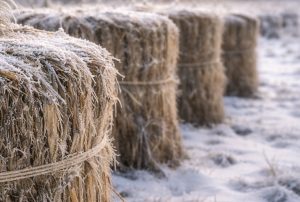
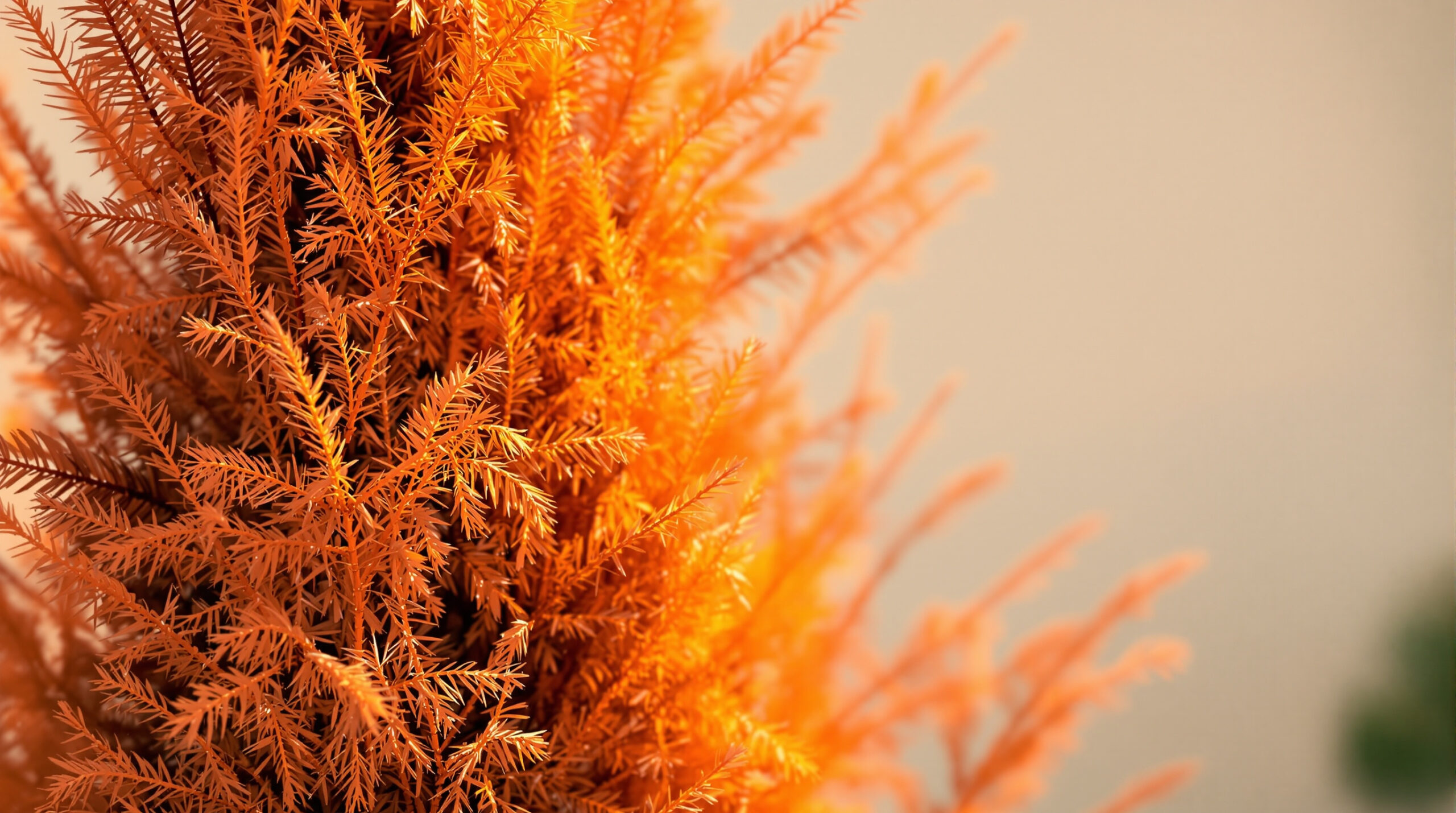
When someone hears the name „Besenkraut“ (broomwort) for the first time, they might think of a single, clearly defined plant. In reality, it is not a specific botanical term, but a common folk name that has been applied to several different plants over the centuries. What connects them is not botanical kinship, but a very practical shared characteristic: their rod-like branches could be bundled to make brooms. For a magazine concerned with hemp and the often confusing world of plant nomenclature, Besenkraut is an instructive example of how folk names arise and why they so easily lead us astray.
📑 Inhaltsverzeichnis
This article categorizes the most important plants that go by the name Besenkraut in German-speaking regions, explains the origin of the name, and demonstrates why such folk designations for hemp and many other plants should be approached with caution.
What exactly is Besenkraut?
The short answer is: Besenkraut is not a botanical species name, but a common name referring to its historical use. Wherever people made sweeping brooms from stiff, straight branches or firm stalks, it made sense to simply call the plant Besenkraut, Besenstrauch (broom bush), or Besenheide (broom heath). Because this practice was widespread throughout Europe and many different species were suitable for it, the same name became attached to several botanically unrelated plants.


This ambiguity is typical of folk plant names. A common name usually describes a striking characteristic, a use, or a smell, but not the actual botanical origin. That is precisely why the same name can refer to different plants depending on region, while conversely a single plant can bear a dozen names. Besenkraut is a textbook example of this, and the risk of confusion extends far beyond amateur gardeners.
The Summer Cypress: the true Besenkraut
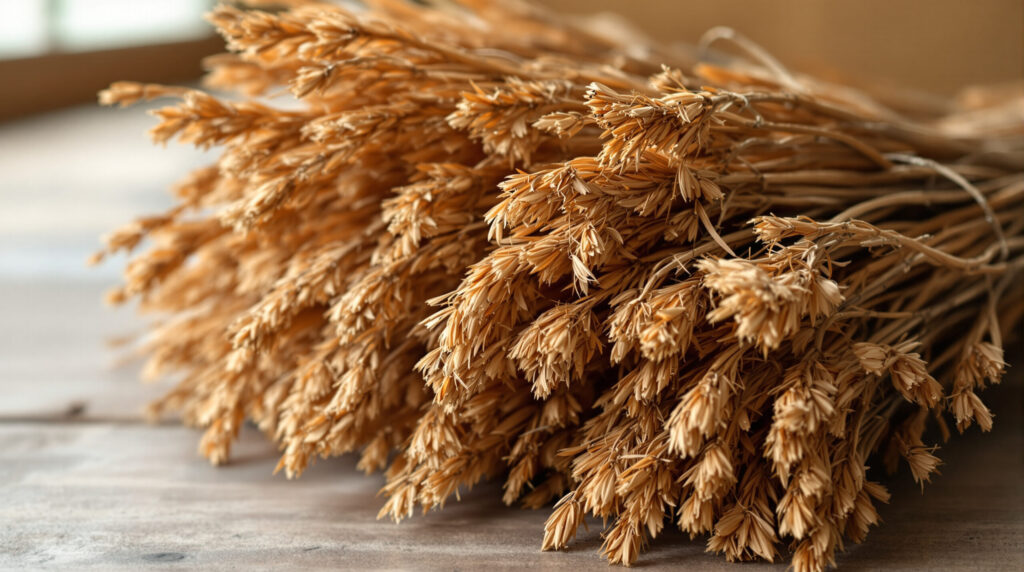
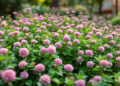
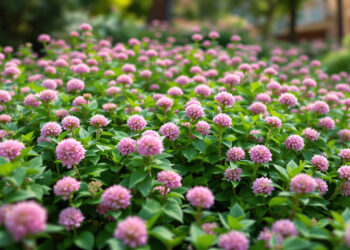
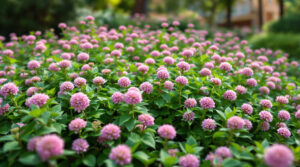
The summer cypress, or Besen-Radmelde (Bassia scoparia, formerly Kochia scoparia), most directly bears the name Besenkraut. This annual herbaceous plant from the amaranth family reaches heights of thirty to one hundred fifty centimeters, rarely exceeding two hundred. Its densely branched, upright stems give it a cone-shaped, almost cypress-like form, which is why it is also called summer cypress. In autumn, the fine foliage turns bright red, earning it the English name Burning Bush.
The German name directly references its use: in countries like Italy, Bulgaria, North Macedonia, Romania, Russia, and China, brooms were actually made from the dried plants. Today, in our region, summer cypress is primarily an ornamental plant for perennial borders and small hedges. In some parts of the world, however, it is considered an invasive neophyte that overgrows agricultural land. Botanically, it has nothing in common with hemp, but it stands here as an example of how a use becomes the plant’s namesake.
Broom Gorse and Heather: two other contenders
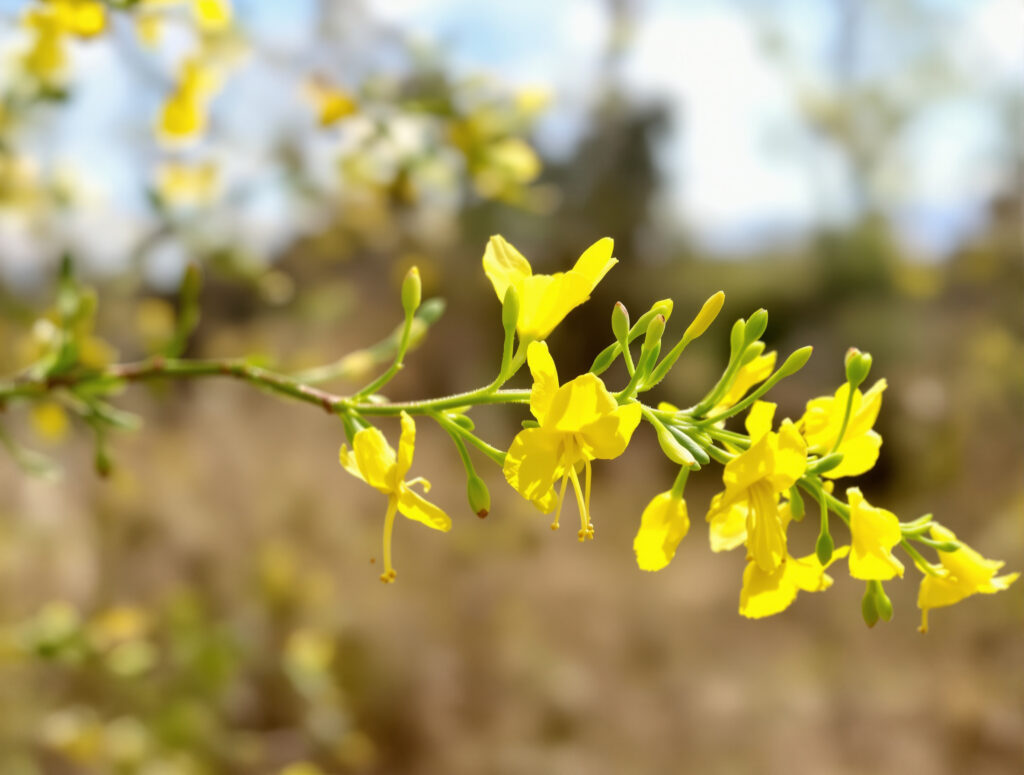
Broom gorse (Cytisus scoparius, synonym Sarothamnus scoparius) is also called Besenkraut or Besenstrauch in some regions, and Brambusch in northern Germany. This rod-like shrub, one to two meters tall, from the legume family covers heaths and slopes in May and June with golden-yellow butterfly flowers. Its name is doubly well-attested: its flexible branches were once used to make brooms, and the scientific epithet scoparius also means broom in Latin. The Greek root of Sarothamnus is composed of saros for broom and thamnos for shrub.
Important to know: broom gorse contains the alkaloid sparteine and is considered toxic. Historically it was used medicinally for cardiac arrhythmias and as a circulatory agent, but self-medication is strongly discouraged. A third candidate is heather (Calluna vulgaris), the common ling from the heather family. Its genus name Calluna derives from the Greek word for sweeping or brushing, as brooms were also made from its woody shoots. Farmers also used the plant as bedding in stables and as roofing material.
But there is more: the common tansy-mustard (Descurainia sophia), a crucifer, also appears under similar names in old herbals. Four botanically distinct plant families, one common folk name. Anyone occupied with plant identification quickly recognizes why the Latin species name is always preferable to the common name.
What Besenkraut has in common with hemp
There is no direct botanical relationship between Besenkraut and hemp. The connection lies on the linguistic and cultural level, and that is precisely where it becomes interesting for hemp enthusiasts. Hemp (Cannabis sativa) itself bears a whole range of historical common names that vary greatly by region. Documented names include Hämp in the Altmark region, Hanaf in Old High German, Hanel in Austria, and Hemp in Low German areas. Like Besenkraut, these names reflect dialect, use, and tradition rather than botany.
This nomenclatural diversity causes misunderstandings to this day. Terms like hemp, cannabis, marijuana, and hashish are often used synonymously in everyday speech, although they denote botanically and legally different things. While hemp usually refers to the fiber-producing, low-THC crop plant, marijuana designates the dried flowers with psychoactive potential. Those who take plant names seriously avoid costly errors here, and this applies to the garden as well as to legislation.
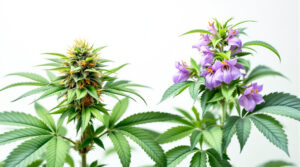
It becomes fascinating when a smell or appearance invites confusion with hemp. The long-styled woodruff, which smells like marijuana, is a well-known example of how common names and sensory impressions can mislead. Old ritual plants also often bear multiple names, as a look at mugwort as an ancient ritual and magical plant demonstrates. In both cases, the same reflex applies as with Besenkraut: first clarify the botanical name, then judge.
Why common names so easily lead us astray
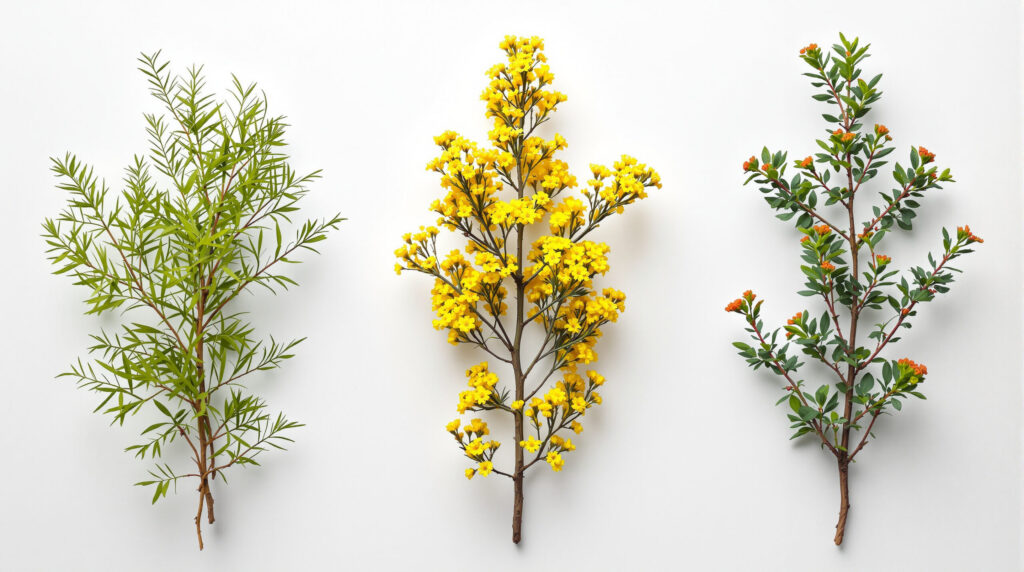
The Besenkraut example impressively shows that a folk name rarely provides reliable information about a plant. At least four species from four different plant families lay claim to the term, and depending on the region, yet another may be meant. Anyone who wants to reliably identify a plant—for example, to assess its toxicity, medicinal properties, or legal status—cannot avoid the scientific binomial name comprising genus and species.
For dealing with hemp, this means above all one thing: do not rely on the sound of a name. An apparent Besenkraut in your flower bed could, depending on its origin, be a harmless ornamental plant, a toxic shrub, or a hardy heather. Botany provides each of these plants with an unambiguous designation, and only that brings clarity. It is precisely this diligence that distinguishes a sound understanding of plants—whether hemp or heather—from superficial hearsay.
Frequently Asked Questions
Is Besenkraut the same as hemp?
No, Besenkraut and hemp are not botanically related. Besenkraut is a common folk name for several plants whose branches were suitable for making brooms. The connection to hemp exists only insofar as hemp also bears numerous historical common names, and both thus illustrate the problem of ambiguous plant nomenclature.
Which plant is meant by Besenkraut?
Most often, Besenkraut refers to summer cypress (Bassia scoparia), also called Sommerzypresse. Regionally, however, the name also designates broom gorse (Cytisus scoparius) or heather (Calluna vulgaris). Which plant is meant can only be determined with certainty through the scientific name.
Where does the name Besenkraut come from?
The name refers to its historical use: people once bundled brooms from the stiff, straight branches or stalks of these plants. Because this practice was common throughout Europe and several species were suitable for it, the same name was transferred to botanically unrelated plants.
Is Besenkraut toxic?
It depends on which plant is meant. Broom gorse contains the toxic alkaloid sparteine and should not be used without expert guidance. Summer cypress and heather, by contrast, are considered largely harmless. This very uncertainty shows why the unambiguous botanical name is so important.
Why are folk plant names problematic?
Kanntest du den Begriff Besenkraut vor diesem Artikel?
Common names typically describe a characteristic, a use, or a smell, not the botanical origin. As a result, one name can refer to multiple plants, while a single plant can bear many names. For reliable identification—regarding toxicity or legal status, for example—the scientific binomial name comprising genus and species is therefore indispensable.







Branchen-Update
News, Analysen und Reportagen — mehrmals im Monat direkt in dein Postfach.
Folge uns