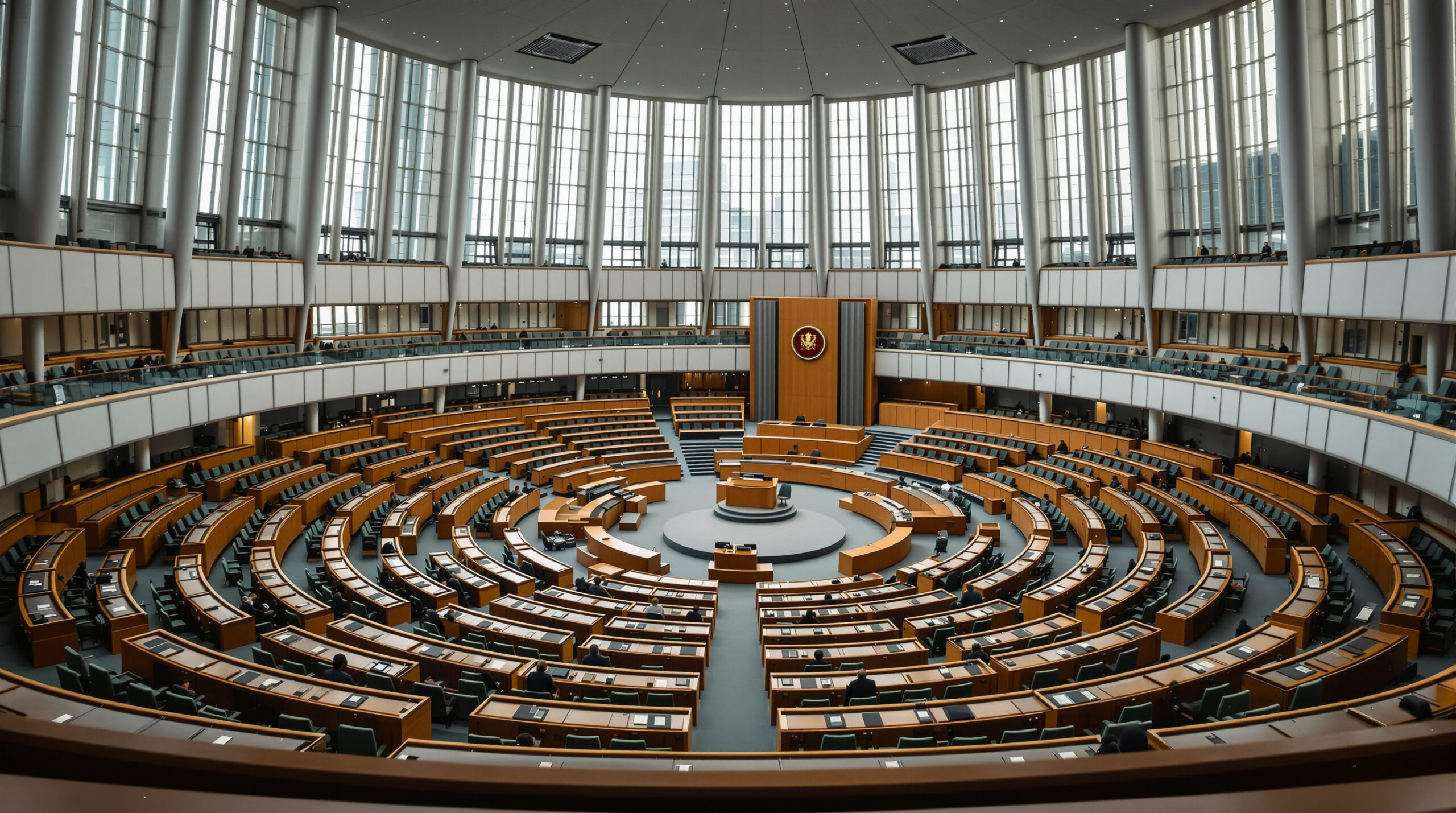
Germany’s federal drug commissioner, Hendrik Streeck, presented a concrete correction catalog for the Cannabis Consumption Act in an August 10, 2026 interview with the Süddeutsche Zeitung. The CDU politician identified four points he believes require adjustment. However, he explicitly ruled out reversing the partial legalization, citing the fact that approximately five million German adults consume cannabis regularly.
📑 Inhaltsverzeichnis
Four Problem Areas in the Correction Catalog
Streeck’s first point concerns law enforcement. Police and prosecutors struggle to distinguish between legal and illegal cannabis sources in practice, complicating investigations. Second, he calls for stricter oversight of the medical cannabis market, which he believes has drifted away from careful medical treatment in some cases. Third, he demands tighter controls on private home cultivation, arguing that overly generous regulations fuel the black market rather than curtail it. Fourth, he wants to reinstate early intervention and mandatory counseling requirements for young people, which disappeared in many regions with the new law.
Notably, Streeck frames his demands differently than typical opposition rhetoric. „We should evaluate cannabis legalization not based on political ideology, but by its actual consequences,“ he told the newspaper, adding „that’s why we must correct the law.“ This represents a different tone from the rollback rhetoric heard from parts of the CDU in recent years. That such a rapid shift from criticism to reversal promises can occur was demonstrated in 2022 during debates over unconfirmed legalization plans. However, the CDU does include other voices, as shown by the case of CDU state parliamentarian Julian Brüning, who supports legalization.


What Evaluation Data Actually Shows
Scientific monitoring research only partially supports Streeck’s assessment. The EKOCAN evaluation project found no short-term increase in consumption numbers in its interim reports, neither among adults nor young people. The share of legally obtained cannabis is growing, albeit slowly. We detailed these findings in the CanG interim report from April 2026.
On the positive side, the balance sheet is clearer. The 2025 Police Crime Statistics show cannabis offenses declining by almost 30 percent, as we demonstrated in our 2025 PKS analysis. Regarding enforcement by cultivation associations, the picture differs from one of an out-of-control scene. Hamburg reported just a single advertising violation among 17 approved associations. Where Streeck sees loss of control, supervisory authorities have found little to fault so far.
His point about youth protection is more substantive. The disappearance of early intervention in many regions isn’t a matter of interpretation but a consequence of decriminalization. Those no longer facing juvenile court proceedings are no longer referred to counseling services. This gap can be closed without touching possession limits. Naming it represents the strongest part of his catalog.
Why the Timing Is No Coincidence
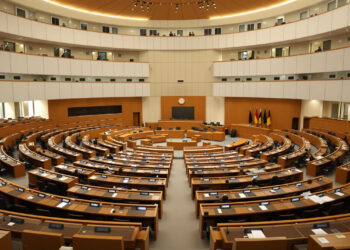
Streeck speaks up just weeks before parliament resumes its regular sessions. The revised Medical Cannabis Act awaits a committee vote in the health committee and has been waiting for a scheduling decision since early summer. Placing a demands catalog now sets the agenda for autumn discussions. This is the real news value.
The direction isn’t new. In November 2025, Streeck already called for stricter medical cannabis regulations with his phrase about „dealers in white coats.“ The difference now is scope. Then it concerned one market segment; now it’s the entire law. For cultivation associations, which have struggled with approval procedures and building regulations for two years, stricter home cultivation rules would represent another setback.
Frequently Asked Questions
Will Streeck’s demands immediately change the law?
No. The drug commissioner has no authority to initiate legislation. His statements represent a political signal to the coalition and health committee. Changes to the Cannabis Consumption Act would require either a government draft or a motion from the Bundestag floor, followed by parliamentary majority approval.
Are the permitted possession amounts now at risk?
Currently, the established limits remain unchanged: 25 grams in public spaces and 50 grams at home. Streeck considers the amounts too high but hasn’t named a specific figure. Without a bill draft with solid justification, this remains merely a position statement.
What does early intervention mean?
This refers to counseling and prevention services to which young people were previously referred through juvenile criminal proceedings. With decriminalization, many states eliminated this referral pathway. Streeck wants to reintroduce binding counseling requirements, this time outside the criminal justice system.
Does Streeck contradict the scientific evaluation?
Partially. Interim reports show no consumption increases and a significant decline in prosecutions. On youth protection and the black market, findings are more ambiguous because reliable comparative data is lacking. The evaluation’s final report isn’t expected until 2028.
What does this mean for cannabis patients?
Streeck’s criticism of the medical cannabis market targets prescribing practices and telemedicine, not therapy itself. Concrete restrictions would only follow the Medical Cannabis Act revision currently in the health committee. Until then, existing prescription regulations apply.
Sources: Süddeutsche Zeitung, Interview with Hendrik Streeck from 10.08.2026; Deutsches Ärzteblatt, „Streeck pushes for cannabis law corrections,“ 10.08.2026; Evaluation of the Cannabis Consumption Act (EKOCAN), interim reports from the universities of Hamburg, Tübingen, and Düsseldorf; Police Crime Statistics 2025.


Sollte das Cannabisgesetz korrigiert oder komplett zurückgenommen werden?
Branchen-Update
News, Analysen und Reportagen — mehrmals im Monat direkt in dein Postfach.
Folge uns