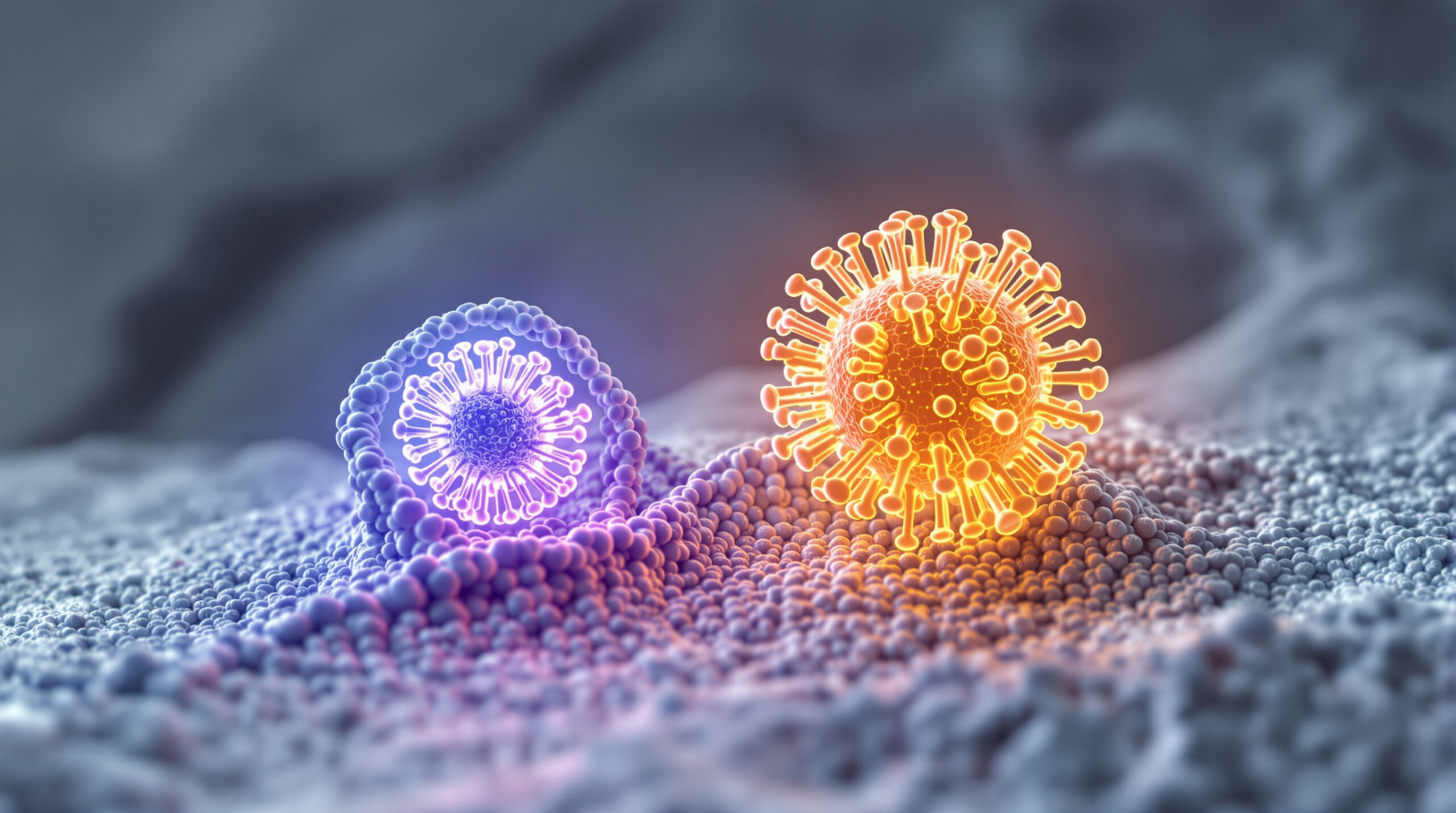
Whether THC produces euphoria or CBD dampens inflammatory processes depends on two tiny binding sites in our body. The CB1 and CB2 receptors form the molecular foundation through which cannabis can work at all. They are located in very different places, perform different functions, and each responds distinctly to the active compounds of the hemp plant. To understand why a high occurs in the head while CBD barely intoxicates, you must examine these two receptors separately.
📑 Inhaltsverzeichnis
- What Cannabinoid Receptors Do in the Body
- The CB1 Receptor: Control Center of the Nervous System
- The CB2 Receptor: Guardian of the Immune System
- How Cannabis Activates CB1 and CB2 Receptors
- More Than Two Receptors: The Extended System
- Why This Distinction Matters for Medicine and Consumption
- Frequently Asked Questions
- 💬 Fragen? Frag den Hanf-Buddy!
What Cannabinoid Receptors Do in the Body
Receptors are receiving stations on the surface of our cells. When a messenger molecule fits into a receptor like a key in a lock, it triggers a reaction inside the cell. The CB1 and CB2 receptors belong to the large family of G-protein-coupled receptors. This class is the most common target of modern medications. Both cannabinoid receptors are part of the endocannabinoid system, an internal regulatory loop that influences pain, appetite, mood, and immune response.
The body produces its own cannabinoids, called endocannabinoids, which dock precisely at these receptors. The most well-known is anandamide, which was only discovered in 1992. Cannabis works because its plant cannabinoids are chemically similar to these endogenous messenger molecules. A comprehensive overview of all known binding sites is provided in our article on cannabinoid receptors in our body. How the entire system works together is explained in the article on the endocannabinoid system.


The CB1 Receptor: Control Center of the Nervous System
The CB1 receptor was the first cannabinoid receptor to be cloned in 1990. It is located primarily in the central nervous system, namely in the brain and spinal cord. It is particularly dense in regions responsible for memory, movement control, emotion, and reward. This distribution pattern precisely explains the typical cannabis effects. When CB1 is activated, perception, sense of time, coordination, and appetite change.
In many cases, CB1 works like a brake. The receptor sits at the ends of nerve cells and throttles the release of other messenger substances like GABA, dopamine, or glutamate. This principle is called retrograde signaling. The cell receiving a signal sends an endocannabinoid backward to the sending cell and dampens its activity. This system prevents nerve cells from firing excessively.
CB1 is also found outside the brain, such as in the gut, liver, and fat tissue. There, the receptor also regulates metabolism and appetite. This broad distribution makes CB1 a central switch for energy balance and food intake. The notorious munchies after cannabis consumption occur through these binding sites in the appetite center.
The density of CB1 receptors is not set in stone. With regular, high THC consumption, the body reduces the number of active CB1 receptors in the brain. Experts call this downregulation. This adaptation mechanism explains why tolerance develops with continuous use and the same amount produces weaker effects. After taking a break from consumption, receptor density typically recovers.
The CB2 Receptor: Guardian of the Immune System
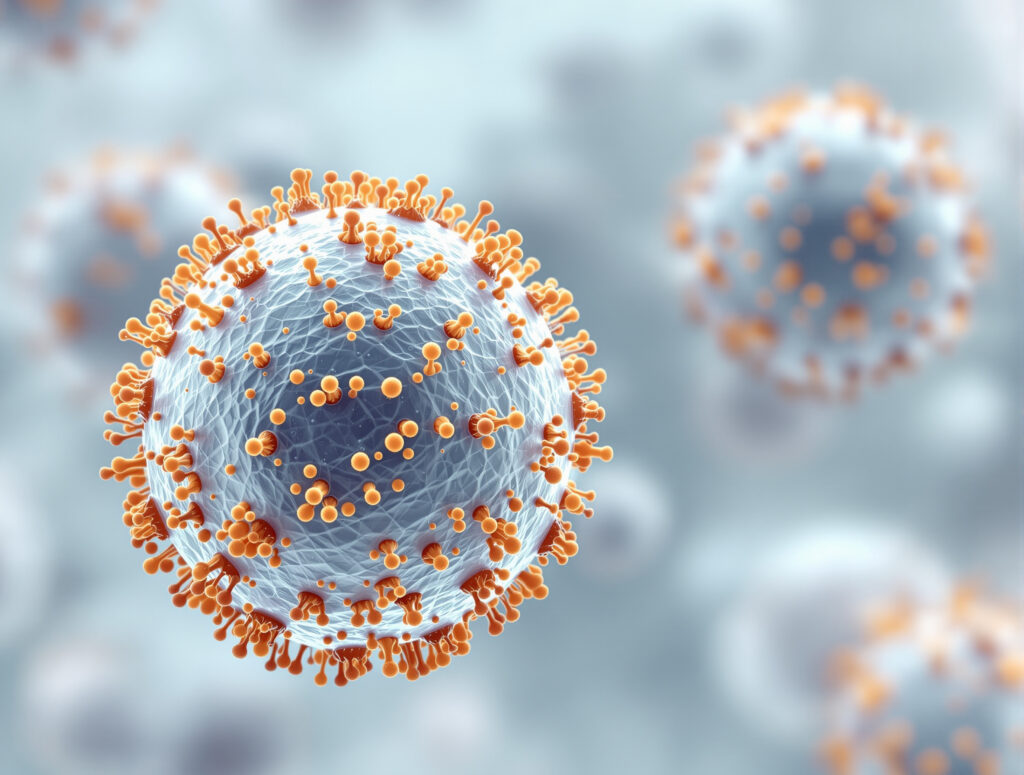
The CB2 receptor was described in 1993 and differs fundamentally from CB1. It is rarely found in the healthy brain. Instead, it sits primarily on immune cells as well as in the spleen and tonsils. There, the receptor controls inflammatory reactions and the activity of immune defense. Because CB2 is almost absent from the nervous system, its activation does not produce a high.
That is precisely what makes CB2 so interesting for research. A substance that specifically targets CB2 could dampen inflammation or pain without being psychoactive. The spatial structure of this receptor has since been deciphered, as shown in our report on CB2 receptor structure. In chronic diseases, the number of CB2 receptors in affected tissue often increases. The body likely responds this way to inflammation and cell stress.
How Cannabis Activates CB1 and CB2 Receptors
THC, the intoxicating main active compound of the hemp plant, binds directly to both receptors. At CB1, it acts as a partial agonist. This means it activates the receptor, but not as strongly as an endogenous cannabinoid with full efficacy. Nevertheless, this activation in the brain is sufficient to produce the familiar high. THC also docks at CB2 and thereby influences inflammation and immune processes.
CBD behaves completely differently. It barely fits into the primary binding site of CB1 and does not produce a high there. Instead, it acts as a negative allosteric modulator. CBD docks at a secondary site and changes the shape of the receptor. This prevents THC from binding as well and reduces its potency. This is exactly why CBD can mitigate the effects of THC. At CB2, CBD sometimes acts as a weak agonist and additionally interferes with other signaling pathways.
Binding to a receptor is also only the first step. When THC or an endocannabinoid docks at CB1 or CB2, the receptor changes shape and activates a G-protein inside the cell. This triggers an entire signaling cascade that changes, for example, calcium levels or neurotransmitter release. A single molecule on the cell surface can thus exert a significantly larger effect inside the cell.
The interaction of many ingredients amplifies these effects. Terpenes and other cannabinoids modulate how strongly the active compounds work at the receptors. This phenomenon is known as the entourage effect. How closely endogenous and plant cannabinoids are related is shown in the article on the endocannabinoid anandamide.
More Than Two Receptors: The Extended System
CB1 and CB2 are the classic cannabinoid receptors, but they are not the only binding sites. Cannabinoids also influence other receiving stations such as GPR55 or TRPV channels. These expand the spectrum of effects far beyond the two main receptors. What role TRPV receptors play, for instance, is explored in our article on the significance of TRPV receptors. For a basic understanding of cannabis, however, CB1 and CB2 remain the central reference points.
Why This Distinction Matters for Medicine and Consumption
Examining both receptors separately is more than academic detail. It is the key to targeted therapies. Medications that address only CB2 promise anti-inflammatory effects without a high. Such approaches are being researched for chronic pain, arthritis, and neurodegenerative diseases. CB1-directed approaches are trickier because they affect the psyche and perception.
For consumers, the receptor profile explains many everyday observations. The munchies after consumption occur through CB1 in the appetite center. The relaxing and partly anti-inflammatory quality of CBD products operates more strongly through CB2 and indirect pathways. When selecting strains or products, consumers indirectly make a decision about which receptors are activated and to what degree.
Frequently Asked Questions
What is the difference between CB1 and CB2 receptors?
The CB1 receptor is located primarily in the central nervous system and controls perception, memory, movement, and appetite. The CB2 receptor is found mainly on immune cells and regulates inflammation. CB1 is responsible for the high, CB2 is not.
Which receptor produces the cannabis high?
The CB1 receptor produces the high. THC activates it in the brain as a partial agonist. Because CB2 is found almost exclusively outside the nervous system, the second receptor does not contribute to the psychoactive effect.
Why doesn’t CBD get you high even though it acts on cannabinoid receptors?
CBD barely binds to the primary site of CB1 and does not directly activate the receptor. It acts as a negative allosteric modulator and changes the receptor shape. This actually dampens the effect of THC instead of causing intoxication itself.
Where are CB1 and CB2 receptors located in the body?
The CB1 receptor is densely located in the brain and spinal cord as well as in the gut, liver, and fat tissue. The CB2 receptor sits primarily on immune cells as well as in the spleen and tonsils. During inflammation, the number of CB2 receptors in tissue can increase.
Can CB2 receptors be targeted specifically?
Wie gut kennst du dich mit dem Endocannabinoid-System aus?
Yes, research is developing substances that selectively bind to CB2. Such compounds are intended to relieve inflammation and pain without producing a high. This approach is considered promising for treating chronic diseases.






Branchen-Update
News, Analysen und Reportagen — mehrmals im Monat direkt in dein Postfach.
Folge uns