On September 24, 2026, Switzerland’s industrial hemp sector convenes for the 2nd Hemp Conference at Inforama Rütti in Zollikofen near Bern. Agricultural advisory organization Agridea and IG Hanf Schweiz present projects that take industrial and fiber hemp from field to finished product. Registration closes September 17.
📑 Inhaltsverzeichnis
Hemp Conference 2026: Date, Location, and Registration
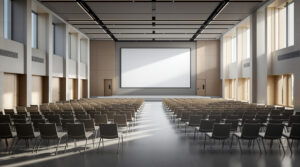
The conference runs for half a day, from 9 a.m. to 2 p.m., in the multipurpose hall of Inforama Rütti. Inforama serves as the education and advisory center for Bernese agriculture. The venue is fitting, as organizers explicitly target everyone interested in the hemp industry within an agricultural context. The course fee is 120 Swiss francs, which includes lunch and breaks.
Registration occurs through Agridea’s course shop under course number 26.331. The registration deadline is September 17, 2026. Free cancellation is available until that date. Later cancellations incur a 100-franc fee. The conference is bilingual, running in German and French, with CI Chanvre as the French-language partner organization.


The Program: From Hemp Building Materials to Fiber Cultivation
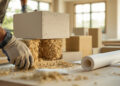
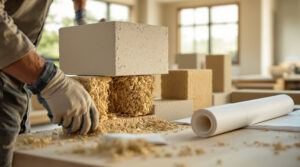
Following welcome remarks from course leaders Ludovic Piccot and Sanzio Rombini of Agridea, along with Lukas Brunner of IG Hanf, the program opens with an overview of current developments in the hemp sector. Four practical sessions follow. Construction begins the agenda. Dieter Baltensperger from Stroba Naturbaustoffe discusses industrial hemp for buildings, followed by Martin Bodmer of Cancret Materials presenting CO2-reduced architecture with hemp. Our guide to building with hemp explains how hemp functions as insulation and hempcrete in construction. The comparison of hempcrete and concrete illustrates where building materials reach their limits.
Following the coffee break, the focus shifts to food. Marlene Nyffenegger from Alpenpionier reports on organic food hemp cultivation in Switzerland. The fourth session looks forward. Jawad Reddawi from Prometerre, the Vaud agricultural association, and Rina Rohrbach from the School for Agricultural, Forest, and Food Sciences (HAFL) discuss the future of fiber hemp. This includes cultivation trials with fiber hemp and the planned establishment of an interest group for plant fibers. An open discussion concludes the morning session, with lunch featuring hemp products.
Why Switzerland Is Betting on Fiber Hemp
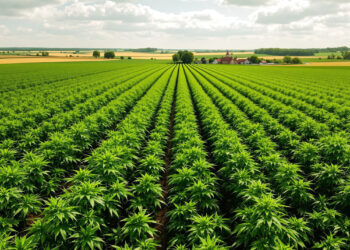
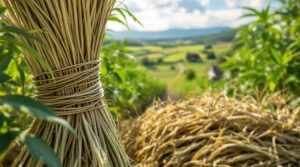
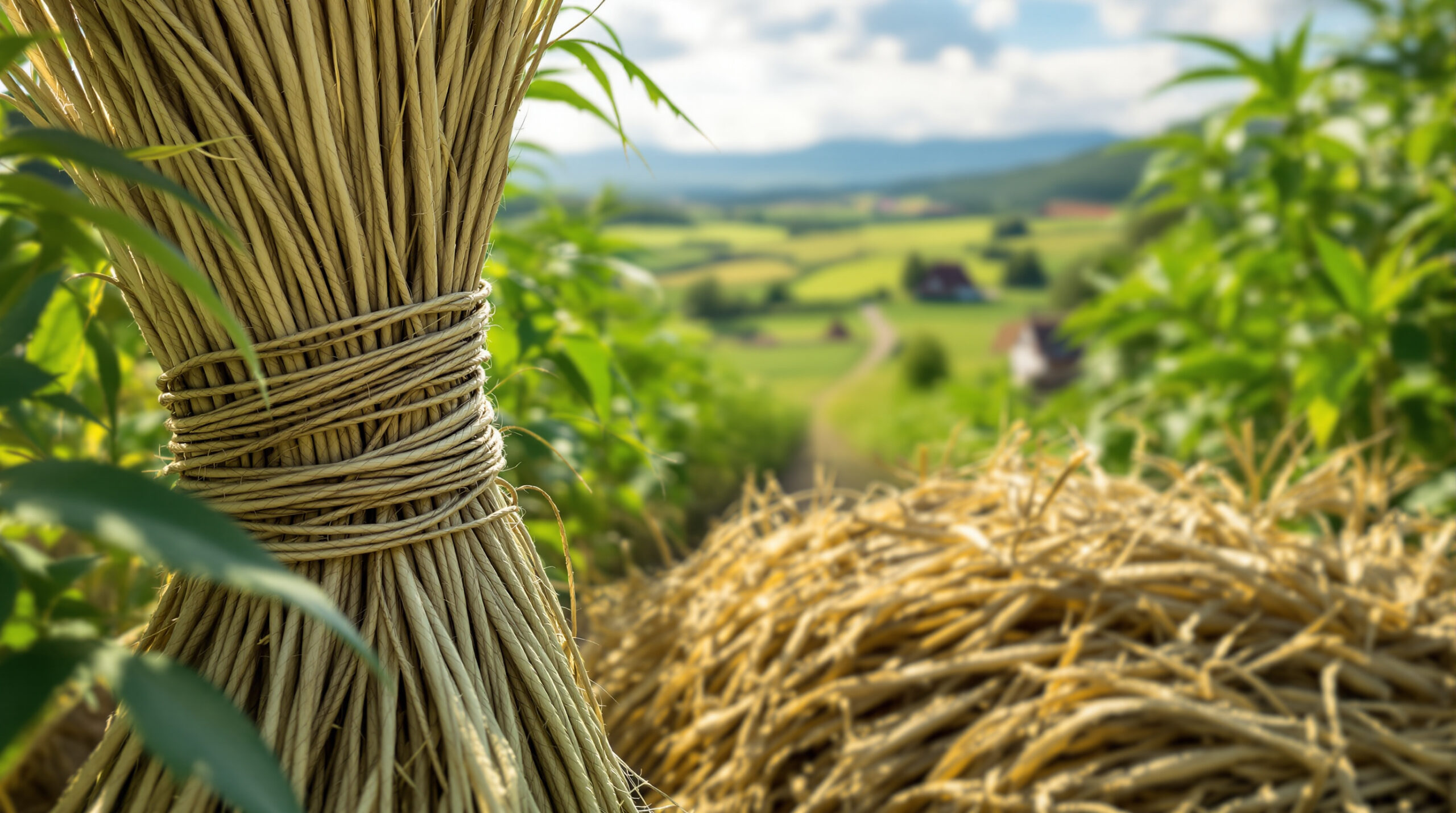
Hemp was traditionally used in Swiss agriculture but largely disappeared from fields for many years. In recent years, dedicated farms have worked to revive the crop. Interest is understandable. Hemp requires minimal plant protection, diversifies crop rotation, and provides raw materials for multiple markets simultaneously. Shives become building material, fibers become insulation or textiles, seeds yield oil and protein.
Processing remains the bottleneck. Without regional decortication facilities and reliable buyers, hemp cultivation carries significant risk for farmers. The conference directly addresses this challenge by examining value chain development. German farmers face similar issues, as our practical assessment of industrial hemp opportunities and risks demonstrates. A comprehensive overview of cultivation, processing, and markets appears in our complete guide to industrial hemp and industry.
Context: Industrial Hemp Beyond the Cannabis Debate
Swiss public discourse typically centers on planned cannabis legalization for recreational use. IG Hanf participates in this debate and recently called for faster progress on Swiss cannabis regulation. Pilot trials run in parallel, with results recently summarized in the SCRIPT study interim report. That path took considerable time, as reflected in early discussions about Swiss pilot projects.
The hemp conference deliberately emphasizes different ground. It treats hemp as an agricultural crop and raw material. That Agridea, an agricultural advisory organization, addresses industrial hemp for a second time demonstrates how seriously the sector now takes the topic. For farms in Germany and Austria, cross-border perspective proves valuable, since questions about processing, sales, and fiber quality apply equally.
Frequently Asked Questions
When and where does the 2026 Hemp Conference take place?
The 2nd Hemp Conference runs Thursday, September 24, 2026, from 9 a.m. to 2 p.m. The venue is Inforama Rütti’s multipurpose hall in Zollikofen near Bern, located at Rütti 5.
How much does participation in the hemp conference cost?
The course fee is 120 Swiss francs. This includes lunch with a non-alcoholic beverage, breaks, and the course room. An invoice is sent after the conference.
When is the deadline to register for the hemp conference?
The registration deadline is September 17, 2026. Register through Agridea’s course shop using course number 26.331. Free cancellation is available until that date; later cancellations incur a 100-franc fee.
Who should attend the hemp conference?
The conference targets everyone interested in the hemp industry within an agricultural context. Likely participants include farmers, processors, construction planners, and food manufacturers. Presentations are delivered in German and French.
What topics are on the program?
The program covers industrial hemp for buildings, CO2-reduced architecture with hemp, organic food hemp cultivation in Switzerland, and fiber hemp perspectives. Fiber hemp topics include cultivation trials and the planned establishment of an interest group for plant fibers.
Sources: IG Hanf Schweiz, announcement „Hemp Conference 2026: Industrial and Fiber Hemp in Switzerland“ (July 31, 2026); Agridea, course program 26.331 „2nd Hemp Conference 2026.“







Wie wichtig ist dir der Aufbau regionaler Hanf-Wertschöpfungsketten?
Branchen-Update
News, Analysen und Reportagen — mehrmals im Monat direkt in dein Postfach.
Folge uns