Anyone looking to build sustainably today quickly encounters an uncomfortable contradiction. Concrete, the world’s most widely used building material, is also one of the biggest climate culprits. Hemp lime is increasingly emerging as a green alternative, known internationally as hempcrete. But is this natural building material really a replacement for concrete, or are we comparing apples and oranges? This article presents hemp lime and concrete honestly. We examine thermal insulation, structural load-bearing capacity, CO₂ balance, and real costs.
📑 Inhaltsverzeichnis
- Hemp lime and concrete: two fundamentally different building materials
- Thermal insulation and building climate: where hemp lime outperforms concrete
- Structural load-bearing and compressive strength: why concrete remains indispensable
- CO₂ balance: the ecological core of the comparison
- Costs, standardization, and practice: what the comparison means in everyday terms
- Frequently asked questions
- 💬 Fragen? Frag den Hanf-Buddy!
Hemp lime and concrete: two fundamentally different building materials
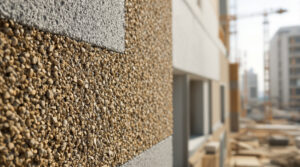
The most important point right from the start: hemp lime and concrete do not solve the same problem. Concrete is made from cement, aggregates like sand and gravel, and water. It is a heavy, load-bearing solid material with a density of around 2400 kilograms per cubic meter. Its job is to carry loads—supporting slabs, columns, and foundations.
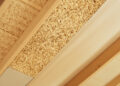
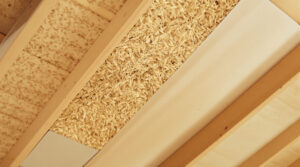
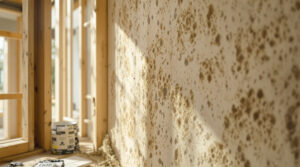
Hemp lime works completely differently. It consists of roughly 80 percent hemp shives, the woody interior of the hemp stalk, bound with natural lime and mineral pozzolans. The result is a lightweight, porous building material with a density of only 300 to 400 kilograms per cubic meter. Hemp lime insulates and regulates room climate, but it carries practically no load. Those wanting to explore the material’s fundamentals will find them in our overview of hemp concrete properties and applications in the construction industry.


The idea is not new, by the way. Hemp lime was rediscovered in France as far back as the 1980s, and historical timber-frame buildings used similar mixtures of plant fibers and lime. The modern building material builds on this ancient knowledge and combines it with today’s building physics. Concrete, by contrast, is a product of industrialization in its modern form and made mass construction of the twentieth century possible in the first place.
Thermal insulation and building climate: where hemp lime outperforms concrete
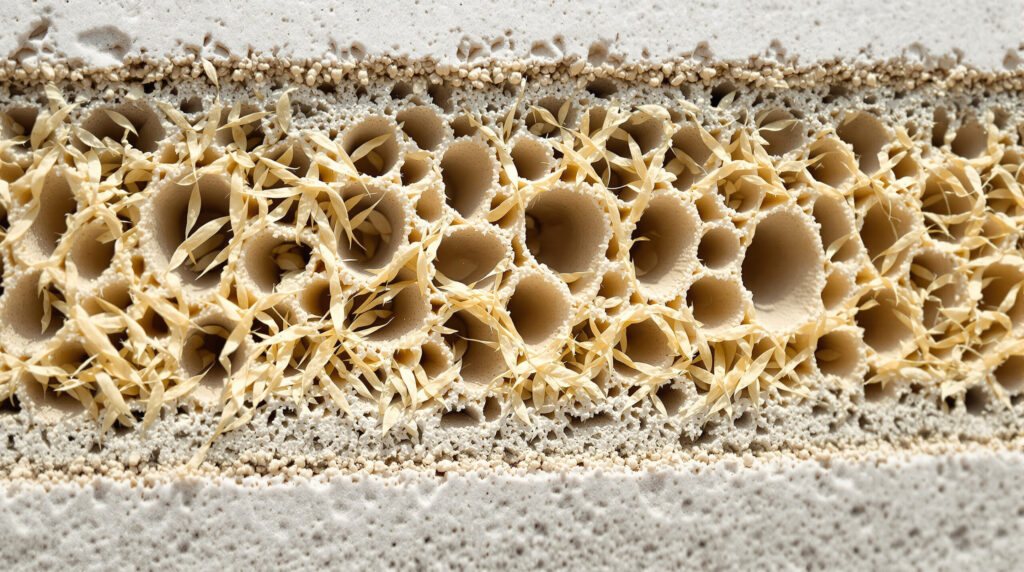
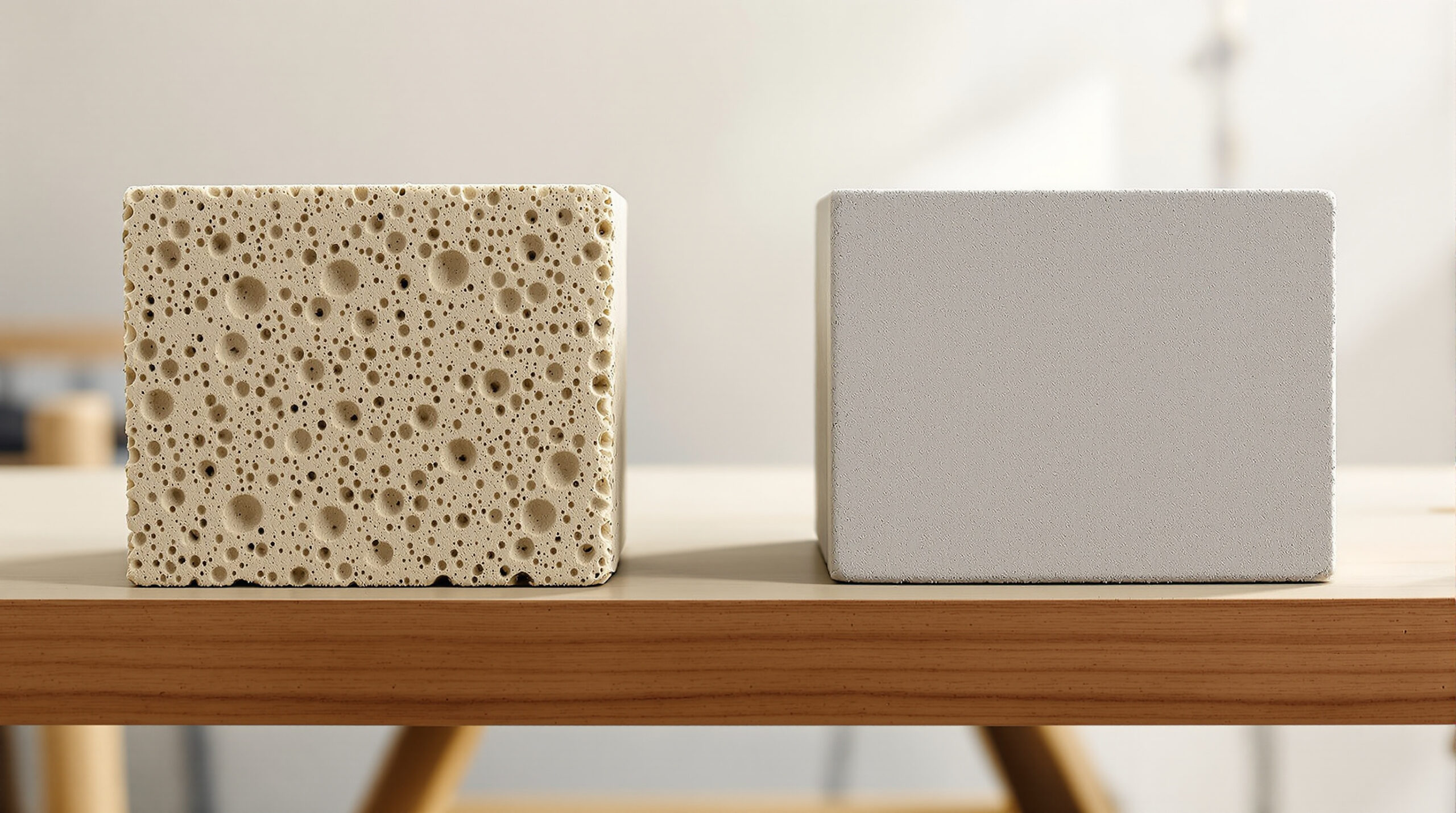
Hemp lime shows its greatest strength in insulation. Its thermal conductivity averages around 0.07 watts per meter and kelvin. Standard concrete, depending on reinforcement, reaches around 2.0 watts per meter and kelvin and thus provides practically no insulation at all. A concrete wall therefore always needs an additional insulation layer, whereas a hemp lime wall of about 45 centimeters thickness can already achieve passive house standards.
There is an advantage that concrete cannot structurally offer. Hemp lime is vapor-open and hygroscopic. The wall absorbs moisture and releases it again, completely without a vapor barrier. When fully dry, the material balances humidity and temperature, preventing mold formation. Concrete scores points with its high thermal mass that buffers heat. For energy-efficient retrofitting of existing buildings, the moisture-regulating effect is particularly interesting, as shown in our article on hemp lime internal insulation.
Beyond insulation, hemp lime also excels at sound insulation and summer heat protection. The porous structure absorbs sound and creates pleasantly quiet room acoustics. At the same time, the material noticeably delays heat penetration in summer, so rooms heat up significantly more slowly during the day. A bare concrete wall conducts heat without resistance and therefore requires good insulation all the more.
Structural load-bearing and compressive strength: why concrete remains indispensable
Here the picture reverses completely. The compressive strength of hemp lime ranges from only 1 to 2 newtons per square millimeter depending on the recipe, in exceptional cases up to 3. Conventional structural concrete, by contrast, achieves 20 to 30 newtons per square millimeter and more. That is roughly twenty times higher. Concrete can support skyscrapers and bridges; hemp lime simply cannot.
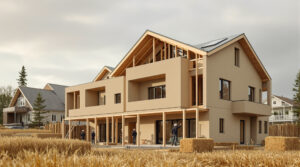
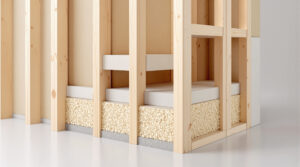
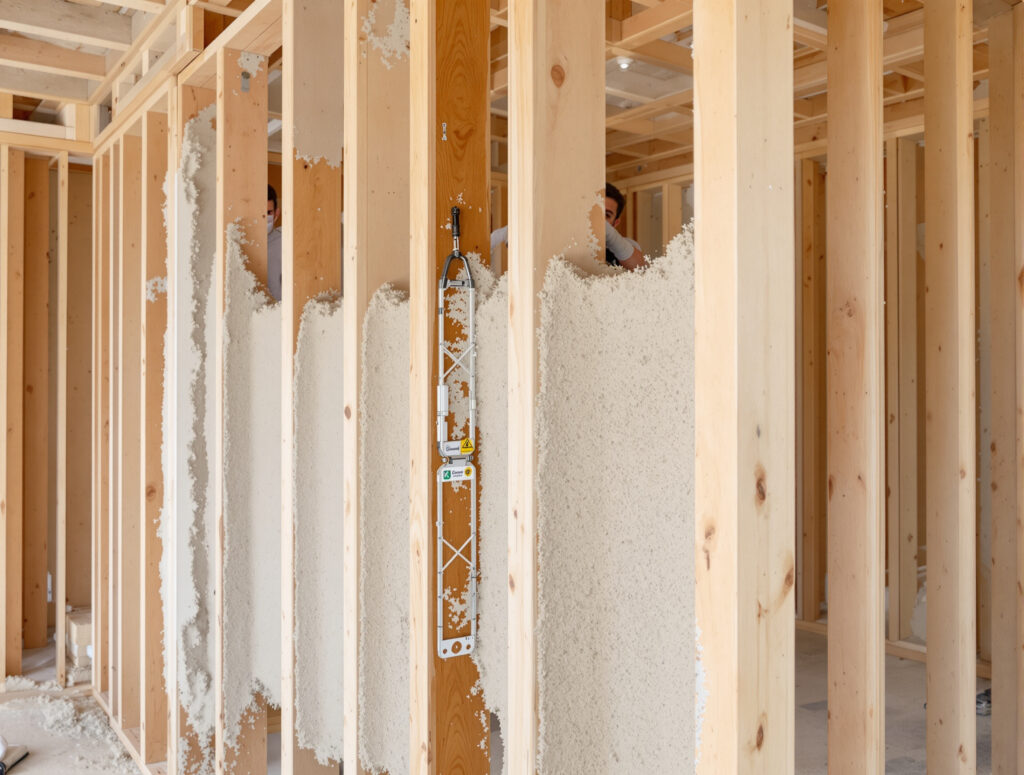
This leads to the decisive limitation. Hemp lime is non-load-bearing and is therefore almost always combined with a load-bearing timber frame structure. The timber handles the structural loads; the hemp lime fills the cavities and provides insulation. Anyone who sees hemp lime as a complete replacement for load-bearing concrete misunderstands the material. More realistic is a combination of both materials, where each does what it does best.
For fire protection, both materials perform well. The high lime content makes hemp lime, despite its organic hemp content, difficult to ignite, and the material does not glow through in case of fire. Concrete is non-combustible in any case. Hemp lime also has nothing to hide regarding lifespan, as ongoing carbonation actually solidifies the structure over the years. Concrete remains unbeaten in strength, but comes under long-term pressure when cracks and reinforcement corrosion occur.
CO₂ balance: the ecological core of the comparison
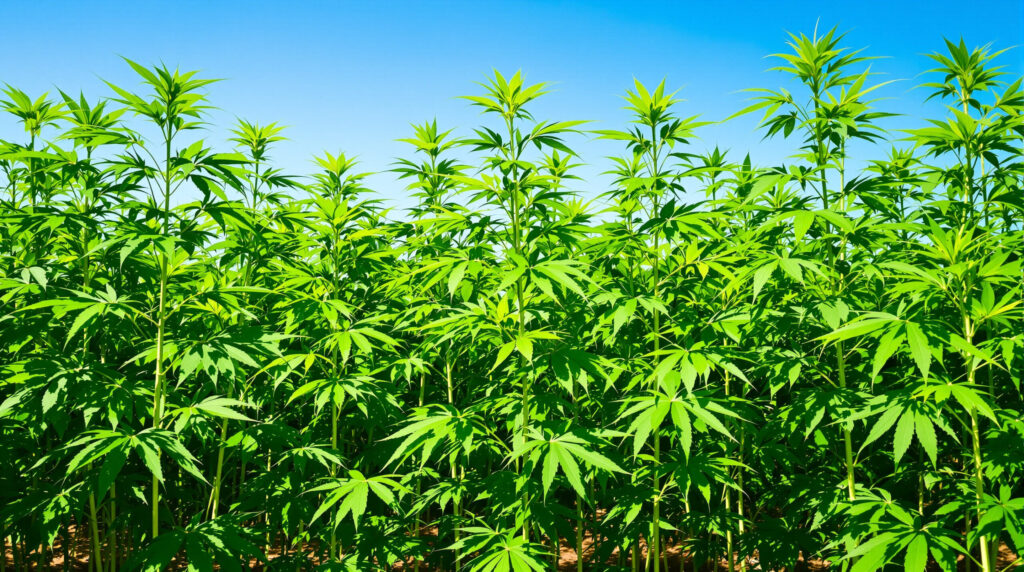
The paths separate most clearly on climate. Cement production accounts for around 8 percent of global CO₂ emissions—approximately 2.8 gigatons per year. Most of this results from firing limestone into clinker. This calcination alone releases roughly two-thirds of a cement plant’s emissions and is scarcely avoidable through pure efficiency measures.
Hemp lime reverses this balance. The hemp plant binds large amounts of carbon dioxide as it grows, and the lime captures additional CO₂ from the air during hardening through carbonation. This process not only makes the wall stronger but stores the carbon permanently for decades. Over its entire lifecycle, hemp lime is therefore considered nearly climate-neutral to CO₂-negative. How difficult the path from good balance sheet to widespread application is, however, is explored in our background piece on lime shortage and standardization chaos in the building materials industry.
Costs, standardization, and practice: what the comparison means in everyday terms
In practice, hemp lime faces three noticeable hurdles. First, price: A finished hemp lime wall costs around 200 euros per square meter, placing it above many conventional systems. Second, construction time. As a rule of thumb, hemp lime dries only about one centimeter per week and must remain dry until plastering. This ties up storage, planning, and advance financing.
A plus appears only at the end of life. A hemp lime wall can be deconstructed and largely composted or reused as a soil improver. Reinforced concrete, by contrast, becomes heavy construction waste whose recycling is laborious and energy-intensive. Anyone considering the environmental balance over the entire lifecycle should factor this point firmly in.
Third, standardization. Hemp lime is not yet a standardized building material, which means planners and contractors carry higher liability risk. Concrete is the exact opposite—standardized, always available, and quickly processed. That’s precisely why the honest answer to the question of hemp lime or concrete is rarely a clear either-or. For structural work and foundations, there is practically no way around concrete. For insulating, breathable walls and ecologically demanding projects, hemp lime is clearly the superior choice. Our overview of building with hemp compares additional construction methods.
Frequently asked questions
Is hemp lime as stable as concrete?
No, there are worlds of difference in load-bearing capacity. Hemp lime achieves only about 1 to 2 newtons per square millimeter of compressive strength, while structural concrete reaches 20 to 30 and more. Hemp lime is therefore an insulating filler and not a load-bearing component.
Can hemp lime replace conventional concrete?
Only partially. Concrete remains necessary for load-bearing components such as foundations, slabs, and columns. Hemp lime primarily replaces the insulation and masonry in a load-bearing timber frame. In most cases, both materials complement each other rather than excluding one another.
How much CO₂ does hemp lime store compared to concrete?
Concrete burdens the climate because cement production accounts for roughly 8 percent of global CO₂ emissions. Hemp lime, by contrast, stores carbon because the hemp plant binds CO₂ as it grows and the lime absorbs additional CO₂ during hardening. Over its lifecycle, hemp lime is therefore considered nearly climate-neutral.
What does a hemp lime wall cost compared to concrete?
A finished hemp lime wall runs about 200 euros per square meter and is typically more expensive than a conventional concrete system. Add to this the long drying time of roughly one centimeter per week, which extends the construction schedule.
Does hemp lime develop mold because it absorbs moisture?
Kannst du dir Hanfkalk als Baustoff für dein Haus vorstellen?
On the contrary, moisture absorption actually protects against mold. Hemp lime is vapor-open and hygroscopic; it absorbs moisture and releases it again. The high lime content also acts as a base and inhibits mold growth. The important thing is that the wall dries thoroughly during the construction phase.








Branchen-Update
News, Analysen und Reportagen — mehrmals im Monat direkt in dein Postfach.
Folge uns