
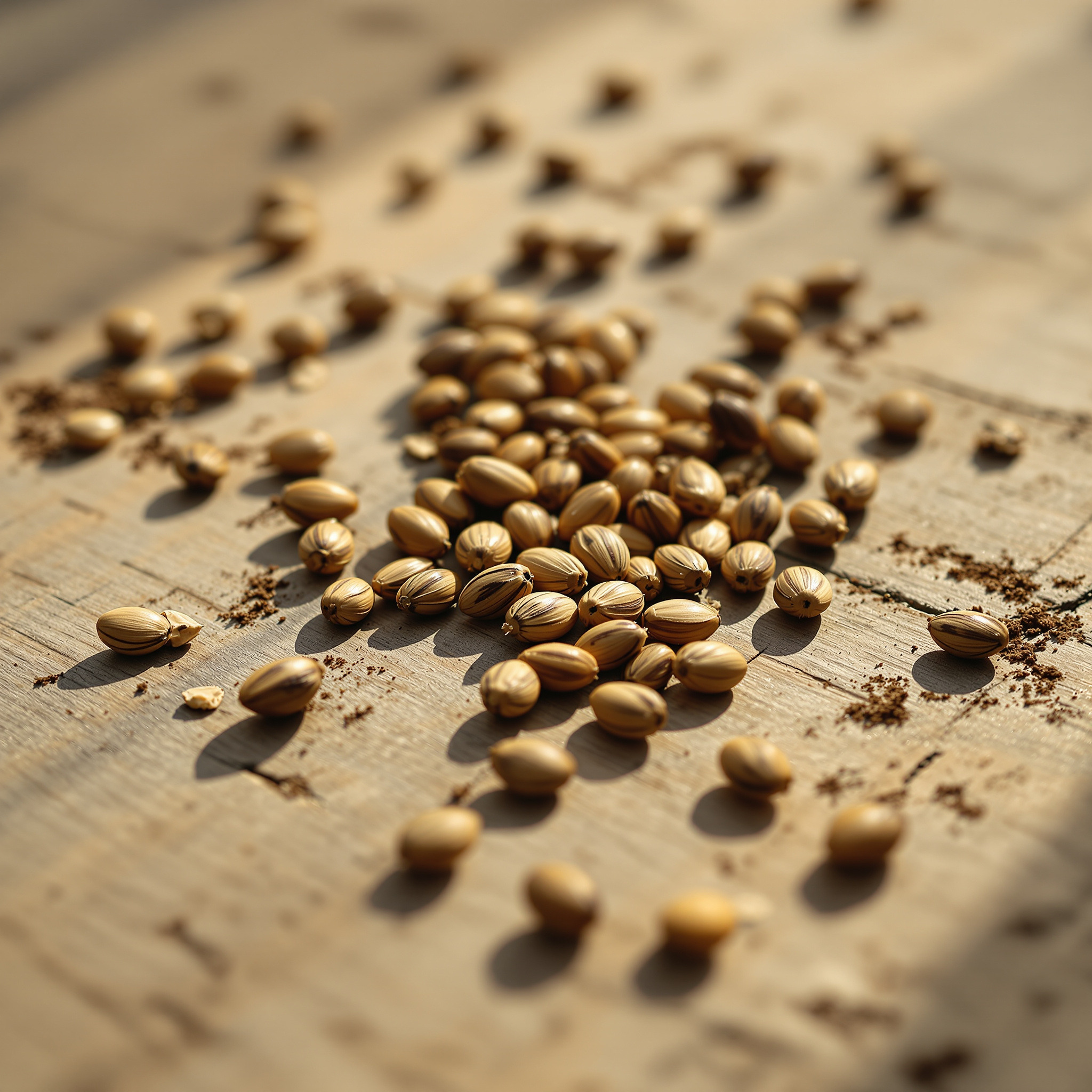
Humans were already using cannabis as an intoxicant around 2,800 years ago. This is shown by a study published in the journal Science on November 5, 2026. In a Scythian princely grave in southern Siberia, researchers found more than 1,400 cannabis seeds and human hair with chemical traces of the plant. The work was led by a team from Jena and Bern.
📑 Inhaltsverzeichnis
Cannabis in the Scythian Grave: The Discovery in the Ujuk Valley
The burial complex is located in the Ujuk Valley in the Russian Republic of Tuva, near the border with Mongolia. The mound measures approximately 140 meters in diameter. It was constructed from larch logs and clay and is covered by thousands of tons of stones. High-ranking members of the early Scythian culture, a horseback-riding people of the Eurasian steppe, were buried there.
The cannabis seeds lay near the center of the complex, where the most important burials were located. Radiocarbon dating places them in the early 8th century before Christ. This means they belong to the original grave context and were not deposited later. On the mound, the Scythians also sacrificed dozens of horses. Whether humans were also sacrificed is considered possible by the researchers, but not confirmed.


THC in the Hair: Why This Study Counts as Direct Evidence

The actual breakthrough lies in the hair braids of several people from the central burial chamber. Chemical analysis found signatures consistent with THC, the intoxicating active compound of the plant. This was accompanied by traces of cannabinol (CBN), a THC degradation product. The body deposits cannabinoids into hair. This exact principle underlies modern drug testing via hair analysis. How much such tests still shape everyday life today is shown by the debate in professional sports, where, for example, the NBA no longer tests its players for cannabis.
Previous evidence of early cannabis intoxication was indirect. Researchers found residues in vessels and charcoal braziers that suggested the burning of the plant. These include the approximately 2,500-year-old incense vessels from the Pamir Mountains and the cannabis discovery in a 2,700-year-old temple in Israel. The hair from Tuva is older and shows traces in the body of the buried individuals themselves for the first time. According to the authors, this is the earliest direct evidence of cannabis consumption.
Research from Jena, Bern, and Karlsruhe
Lead author is archaeologist Gino Caspari. He conducts research at the University of Bern and in the Domestication and Anthropogenic Evolution Group at the Max Planck Institute for Geoanthropology in Jena. Also involved are the DVGW Technology Center Water in Karlsruhe, the Institute for the History of Material Culture of the Russian Academy of Sciences, and the University of Gothenburg. This discovery is also part of research from the German-speaking world.
Caspari emphasizes how rare such evidence is. There is much speculation about the use of psychoactive plants in prehistory, but concrete evidence is scarce. How humans consumed cannabis cannot be determined from hair alone. However, according to Caspari, later finds from the region suggest they inhaled the smoke. This matches the Greek historian Herodotus, who in the 5th century before Christ described Scythian steam baths with heated hemp seeds. More on such traces in ancient cultures can be found in our column about our cannabis-using ancestors.
What Ancient Cannabis DNA Could Reveal
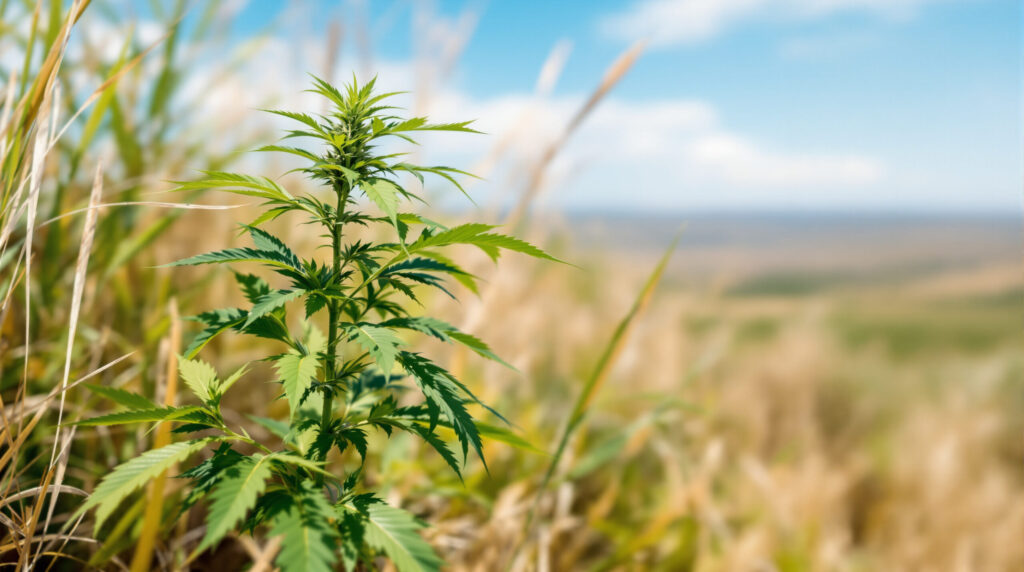
The seeds are no longer viable for germination. Their DNA is fragmented, but well enough preserved to be sequenced. According to Caspari, it is the oldest preserved cannabis DNA. Analysis is still ongoing. It could reveal what wild populations looked like in Eurasia and whether the Scythians deliberately selected plants with high active compound content. The authors suspect that some wild populations naturally contained more active compounds. Whether the plants were cultivated or gathered remains open.
For today’s debate, the discovery is more than a curiosity. The authors explicitly see it as a cultural anchor point for discussions about cannabis in medicine, public health, law, and industry. According to them, cannabis intoxication is not a phenomenon of modernity, but is nearly 3,000 years old.
Frequently Asked Questions
How old is the evidence for cannabis consumption from Siberia?
The seeds from the grave were dated using radiocarbon methods to the early 8th century before Christ. This corresponds to an age of approximately 2,800 years. According to the authors, it is the earliest direct evidence of cannabis consumption.
What substances were found in the hair?
The analysis found chemical signatures consistent with THC, as well as traces of cannabinol. Cannabinol is produced when THC breaks down over time. The body deposits both substances into hair after consumption.
Where was the study published?
The study was published on November 5, 2026 in the journal Science under the title „Direct evidence for psychoactive cannabis use 2800 years ago.“ Lead author is Gino Caspari from the University of Bern and the Max Planck Institute for Geoanthropology in Jena.
Is it known how the Scythians consumed cannabis?
No, the hair does not reveal that. Researchers consider inhalation likely based on later finds from the region. Herodotus also reported Scythian steam baths with heated hemp seeds.
Can the ancient cannabis seeds still germinate?
No, the seeds are no longer viable. However, their DNA is well enough preserved to be sequenced. Results are still pending.
Sources: Caspari, G. et al.: Direct evidence for psychoactive cannabis use 2800 years ago. Science, 05.11.2026, DOI 10.1126/science.aeg3800; Der Spiegel, 06.11.2026; High Times, 06.11.2026.














Wie oft denkst du über die Geschichte des Cannabis nach?
Branchen-Update
News, Analysen und Reportagen — mehrmals im Monat direkt in dein Postfach.
Folge uns