What the DGAL Specifically Prohibits
France’s Direction générale de l’alimentation (DGAL) announced a national enforcement plan for 2026 targeting all food products and dietary supplements containing CBD, THC, or other cannabinoids. The cutoff date is May 15, 2026. From this date forward, French retailers are prohibited from distributing edible CBD products. Authorities can remove merchandise from shelves and impose fines. No official transition period for existing inventory was granted.
📑 Inhaltsverzeichnis
The measure relies on Article 6 of Novel Food Regulation (EU) 2015/2283 in conjunction with the 1997 predecessor rule. Both require prior authorization for food products not significantly consumed in the EU before May 1997. The European Commission classified CBD extracts as Novel Food in January 2019. Regular market approval for cannabidiol remains outstanding; only the EFSA communicated initial safety values in February 2026. More details in our report on EFSA safety values.
Which Products Remain Legal and Which Don’t
The ban applies exclusively to products falling under the EU food definition. According to the DGAL’s current interpretation, hemp flowers, resins, e-liquids for vaporizers, and cosmetic CBD products remain permitted. This creates a paradoxical situation: a French consumer may continue purchasing and smoking CBD flowers, but cannot eat a CBD gummy made from identical plant chemistry.


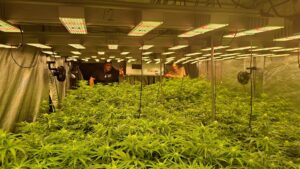
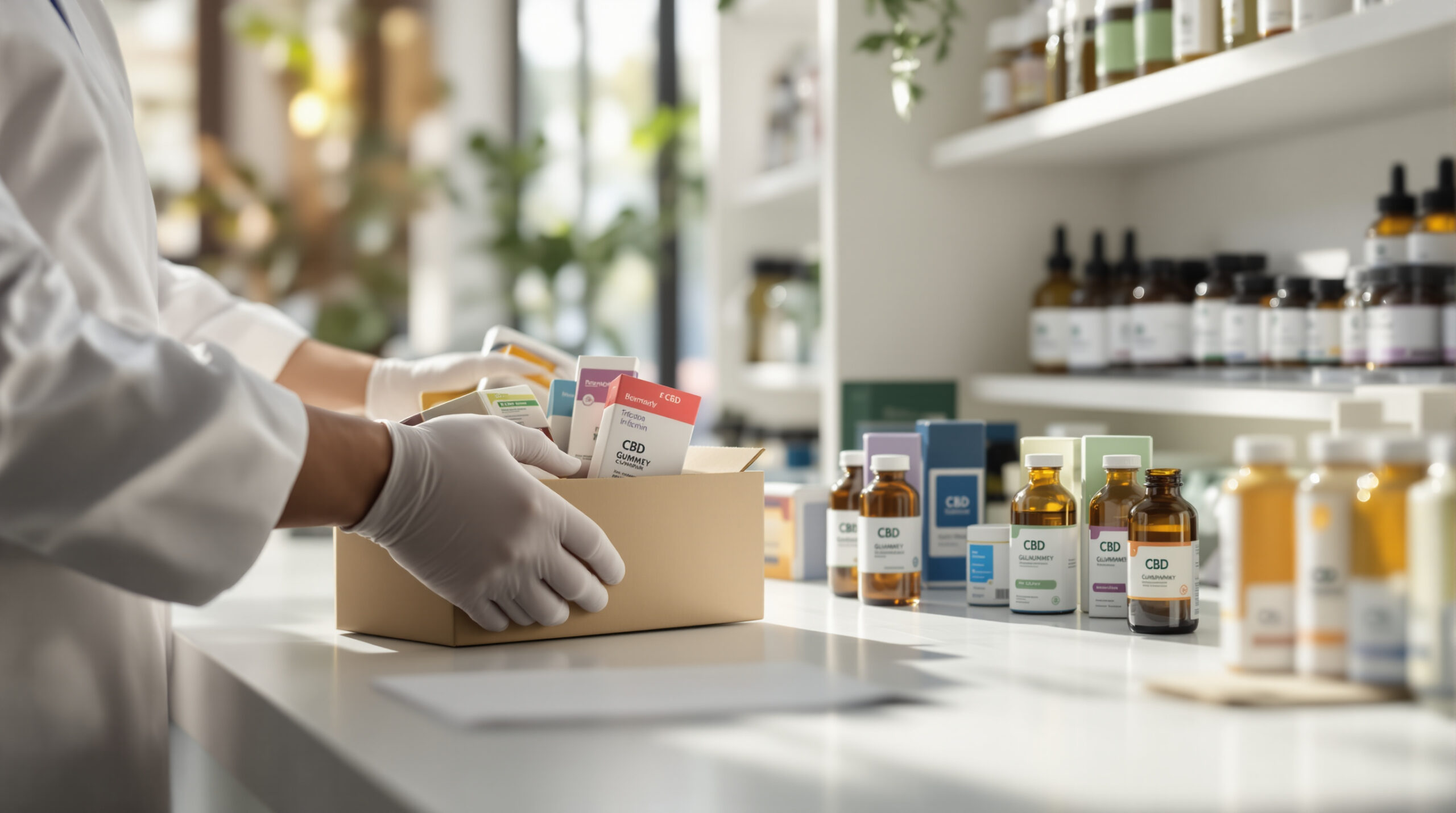
Industry representatives describe the move as a political decision with questionable scientific basis. The Union des professionnels du CBD calls the ban „completely absurd“ because it targets a single consumption method. The French Hemp Federation points to economic consequences for approximately 2,000 hemp producers and 1,500 specialized CBD shops nationwide. Around 20,000 pharmacies also stock CBD products and lose a significant revenue segment with the edibles ban.
Economic Consequences for the European Hemp Market
Estimates place the French CBD food market at approximately €100 million in annual revenue, with some market analyses citing up to €200 million. According to industry associations, edibles and dietary supplements accounted for roughly 40 percent of total hemp product sales. Several manufacturers have already announced plans to relocate production lines to other EU member states or exit the French market entirely.
The ban presents a double-edged sword for German and Austrian producers. In the short term, the French export market shrinks. Long-term, the DGAL initiative could signal similar moves in other EU member states. Italy classified CBD extracts as controlled substances in 2025, and Greece is politically debating a hemp flower ban. Our background article on CBD regulatory landscape in the EU details this patchwork pattern.
Connection to ECHA Risk Assessment
The French edibles ban is part of a broader regulatory wave. In March 2026, the European Chemicals Agency’s (ECHA) Risk Assessment Committee (RAC) proposed a harmonized classification of cannabidiol as a reproductive toxicant Category 1B. This opinion stems from a submission by France’s ANSES authority. France is thus acting at the national level in precisely the direction its own scientific body recommended to the EU.
Should the European Commission adopt the ECHA classification in the coming months, the national edibles ban could trigger an EU-wide regulatory cascade. Cosmetic products containing CBD would then automatically fall under EU cosmetics regulations, since CMR-1B substances are generally prohibited in cosmetics. The EIHA has announced plans to challenge the classification during the Commission’s consultation process.
What Retailers and Consumers Should Know Now
Online orders from France are now high-risk, as stricter customs controls are expected. French consumers typically resort to cross-border shopping in Belgium, Spain, or Luxembourg. For German online retailers, the LFGB provisions and EU Novel Food logic continue to apply—standards the German market has operated in a gray zone around for years. Direct application of the French ban to Germany is not expected until the European Commission clarifies its own position.
Medical cannabis remains available in France through the extended pilot program. Our report on the pilot phase extension through 2027 provides background. This leaves the French state in the bizarre position of safely regulating medical cannabis while removing CBD drops from pharmacy shelves.
Frequently Asked Questions
Exactly what did France ban on May 15, 2026?
The Direction générale de l’alimentation prohibited the sale of CBD-containing food and dietary supplements from May 15, 2026 onward. This includes gummies, capsules, oral tinctures, and CBD teas. Hemp flowers, e-liquids, and cosmetics are formally unaffected.
What legal basis does the ban rest on?
The DGAL relies on the EU Novel Food Regulation of 1997, continued in Regulation (EU) 2015/2283. Cannabidiol has been classified as a novel food since the European Commission’s determination in January 2019 and requires regular approval. This approval does not yet exist for CBD.
Does the ban apply in Germany?
No. Germany implements the Novel Food logic itself but has not issued comparably strict national enforcement. The situation in Germany is a gray zone where CBD food products are formally non-approved, yet enforcement varies significantly. This could change once the European Commission adopts the ECHA reproductive toxicity recommendation.
Can French consumers order online?
Online orders from abroad are theoretically possible, but French customs likely will intensify interception of CBD edibles and report them to the DGAL. Cross-border purchases in Belgium, Spain, or Luxembourg remain legally risky for private individuals, though practically common.
What are the consequences for the industry in France?
According to industry associations, edibles represented roughly 40 percent of the French CBD market, with total annual revenue estimated at €100–200 million. Approximately 2,000 hemp producers and 1,500 specialized CBD shops are directly affected. Several manufacturers plan to relocate production to other EU states or exit the French market entirely.
Sources: Ganjapreneur, „France Bans CBD Edibles Under EU Food Safety Regulation from 1997“ (May 18, 2026); Hempgazette, „France to Restrict CBD Edibles Under Stricter EU Novel Food Enforcement“ (May 2026); Hanfjournal, „CBD Ban Through the Back Door? France Tightens Rules for Hemp Products“ (May 15, 2026); Business of Cannabis, „CBD Is A Reproductive Toxicant Say The EU In A Major Blow to Industry“ (May 15, 2026); Regulation (EU) 2015/2283 on novel foods; European Commission Communication on Novel Food Classification of CBD (January 2019).


Sollten CBD-Lebensmittel in der EU einheitlich reguliert werden?
Branchen-Update
News, Analysen und Reportagen — mehrmals im Monat direkt in dein Postfach.