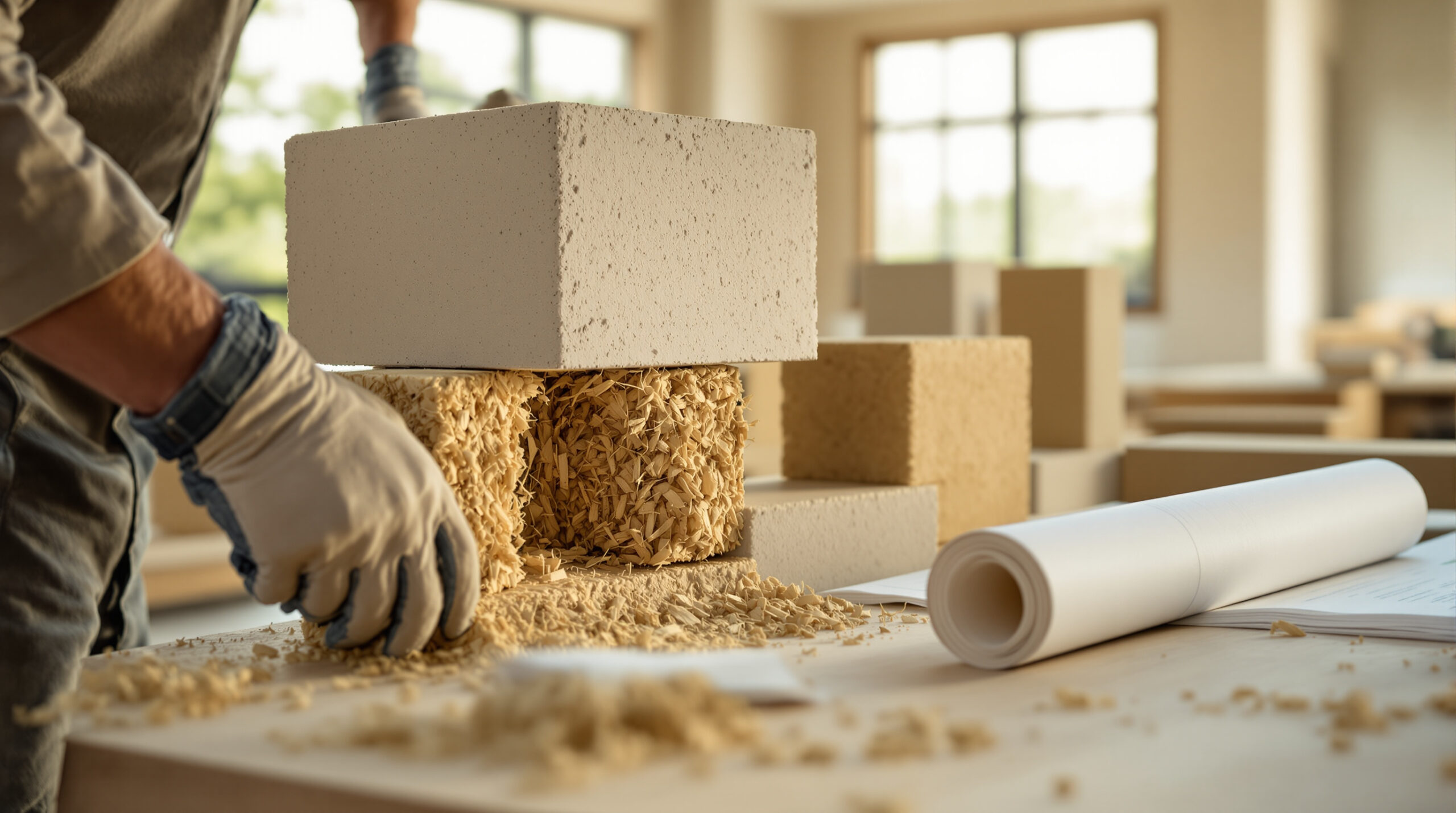
Two Days of Material Science and Building Practice
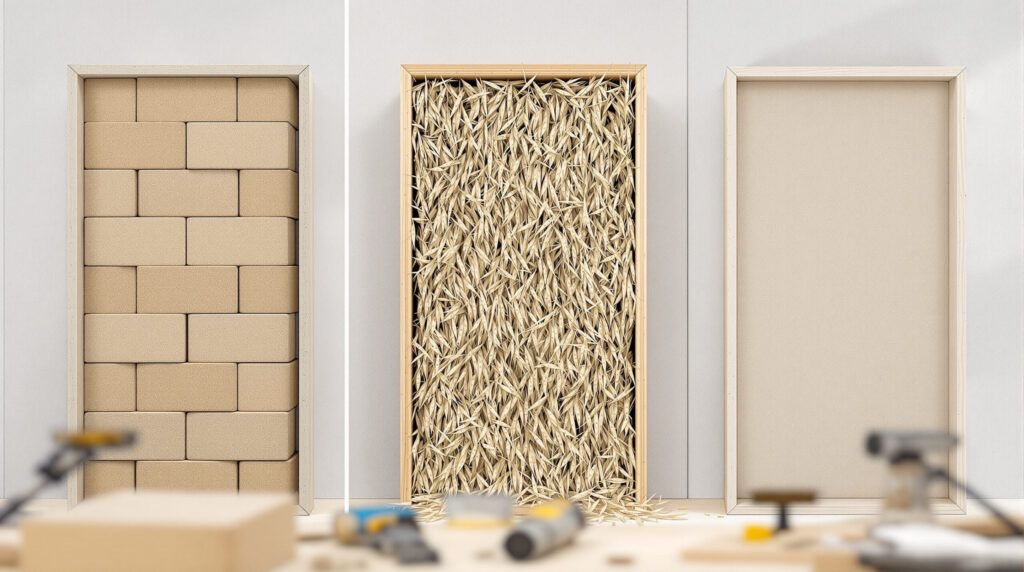
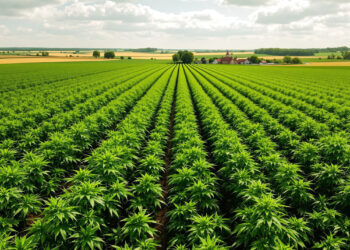
The symposium’s program is clearly divided across the two days. Day one covers fundamentals: hemp cultivation in Germany, lime as a binder, and completed building projects, including residential developments in Switzerland’s Winterthur and Serbia. Day two focuses on research and practical application, featuring live demonstrations of three hemp-lime processing methods—masonry, rammed earth construction, and spray application. The program also includes experimental techniques such as clay barrel vaults and 3D printing with hemp composite.
📑 Inhaltsverzeichnis
This threefold division of processing methods is more than a scheduling note. It describes precisely where hemp construction faces its practical challenges. For background reading, see our overview of building with hemp: insulation, concrete, and composite materials. Rammed earth walls are labor-intensive; spray methods require specialized equipment and trained personnel; and prefabricated blocks solve the time problem but at higher cost. A symposium that demonstrates all three approaches side by side, rather than promoting one, addresses the right question.
Who Should Attend
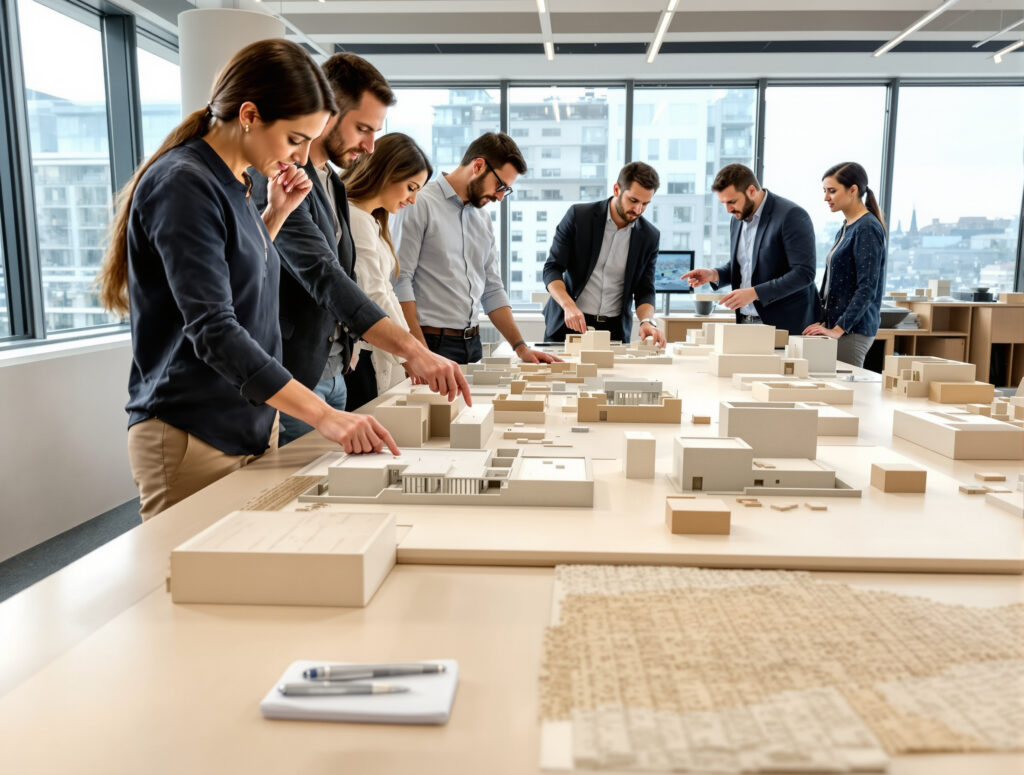
The symposium invites architects, interior designers, engineers, researchers, tradespeople, and students. The participation fee includes catering; reduced rates are available for architects in training. Recognition as professional continuing education from the Baden-Württemberg Architecture and Engineering Chambers has been requested but not yet confirmed. Seating is limited; registration is handled through the university’s symposium portal.


The composition of participants is the truly interesting part. For years, hemp construction has been driven by self-builders and dedicated individuals. For the material to reach mainstream building renovation, it needs planning offices that specify it and trade contractors trained to install it. Both groups are on this invitation list.
Why the Timing Is Right
Hemp-lime has a strong argument compared to standard mineral building materials: it binds carbon during construction instead of releasing it. For a breakdown of where this argument holds and where it’s overstated, see our direct comparison of hemp-lime and concrete. The barriers lie less in the material itself than in approval processes and binder availability—a point we covered extensively in our analysis of the building materials industry caught between lime shortages and normalization chaos.
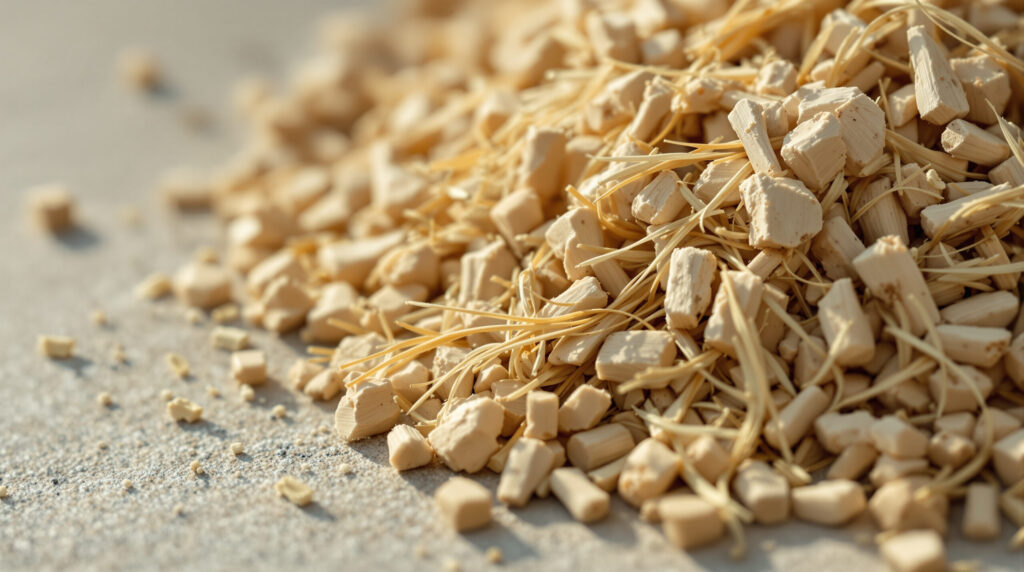
There’s also an economic dimension that extends beyond construction. Hemp shiv—the woody core of the stalk—is a byproduct of fiber processing. As long as fiber lacks stable commercial markets, such as in textile production like the German brand building with its sustainable hemp streetwear, the building material remains expensive. That’s why cultivation in Germany opens the program—for good reason.
For the industry, the symposium is also a venue free of political framing. This distinguishes it from events like the 2026 Hemp Parade in Berlin, whose recent participation numbers reflect rather the exhaustion of legalization debates. With industrial hemp, the conversation is about facade systems and thermal conductivity—a discussion that has nothing to do with consumption policy.
Frequently Asked Questions
When and where is the HFT Hemp Construction Symposium 2026 held?
The event takes place October 23-24, 2026 at Hochschule für Technik Stuttgart, organized by the Faculty of Architecture and Design. It is the second edition of the symposium.
Who should attend the symposium?
The symposium is designed for architects, interior designers, design professionals, engineers, researchers, trade contractors, and students. Prior knowledge of hemp construction is not required, as day one covers the fundamentals.
When does the early-bird registration deadline end?
Early-bird registration closes September 15, 2026. The participation fee includes catering, and reduced rates are available for architects in training. Seating is limited.
Is attendance recognized as professional continuing education?
Recognition from the Baden-Württemberg Architecture and Engineering Chambers has been requested but was not confirmed at the time of announcement. Interested participants should verify the status before booking.
What construction methods will be demonstrated?
Day two features live demonstrations of masonry, rammed earth, and spray application techniques. The program also includes experimental methods such as clay barrel vaults and 3D printing with hemp composite.
Wie realistisch findest du Hanf als Baustoff für den Mainstream?
Sources: Hochschule für Technik Stuttgart, HFT Hemp Construction Symposium 2026 announcement; db deutsche bauzeitung, program preview for HFT Hemp Construction Symposium 2026; German Hemp Association event notice, September 10, 2026.







Branchen-Update
News, Analysen und Reportagen — mehrmals im Monat direkt in dein Postfach.
Folge uns