From Alexanderplatz to the Drug Commissioner’s Office
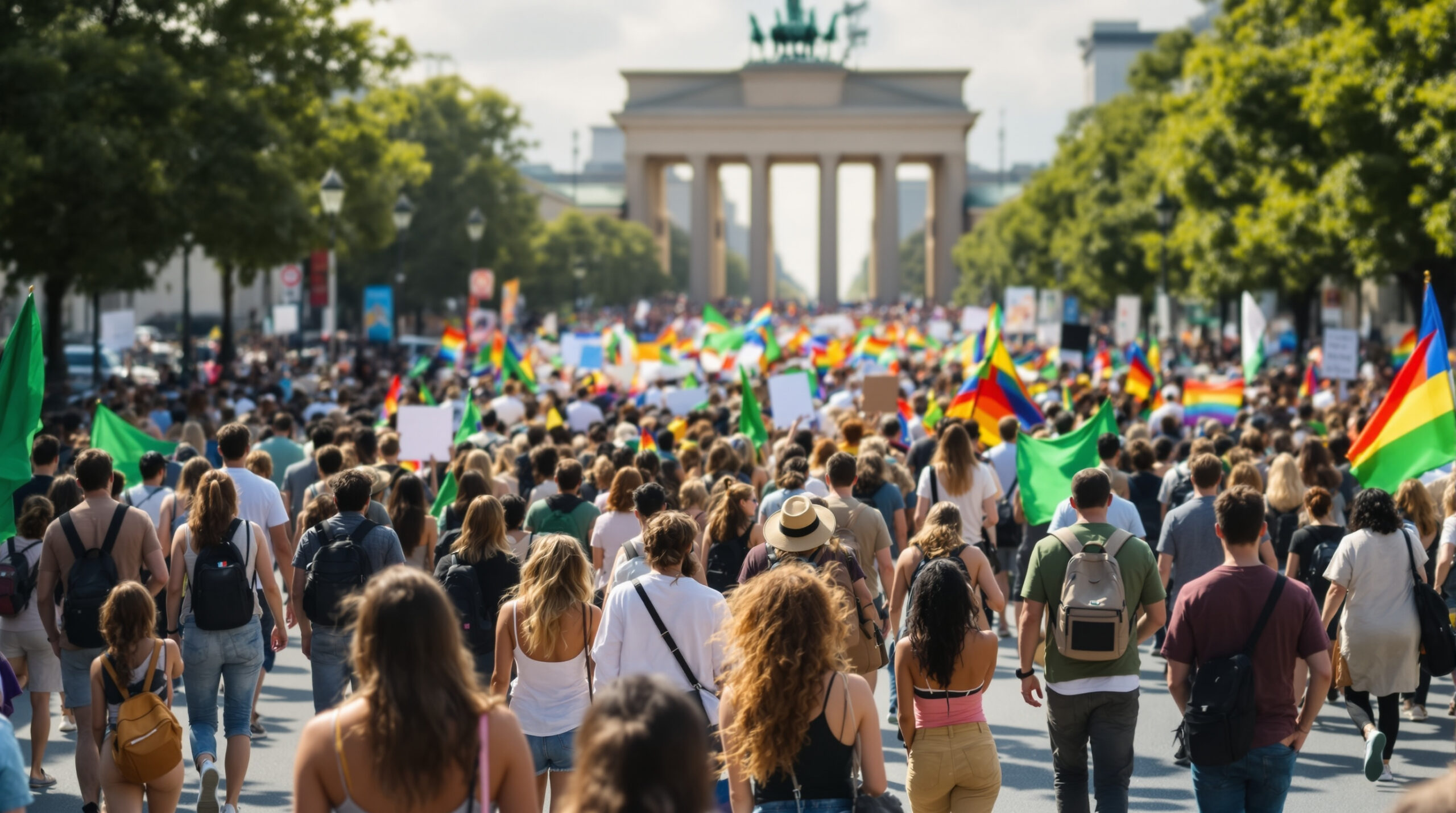
The 30th Hanfparade took to Berlin’s streets on Saturday, August 8, 2026. Police counted approximately 200 people at the start on Alexanderplatz—a stark contrast to organizers‘ expectations of up to 4,000. The gap between political momentum and actual turnout was rarely so wide.
📑 Inhaltsverzeichnis
Germany’s oldest and largest cannabis demonstration has been running since 1997. This year’s march carried the motto „just, healthy, enjoyable“ and featured signs reading „Cannabis is medicine,“ „Smoking for peace,“ and „Berlin in a rush.“ What had been framed as an awakening moment in advance coverage became a sobering reality check.
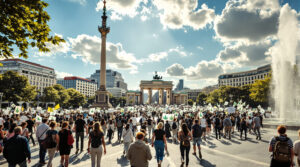
The procession began at noon at the Neptune Fountain on Alexanderplatz. From there, it proceeded along Unter den Linden into the government district, passing the Reichstag building. The route deliberately included the Federal Ministry of Health and the office of the government’s drug commissioner, Hendrik Streeck (CDU). Programming, music, and information booths continued until 10 p.m.


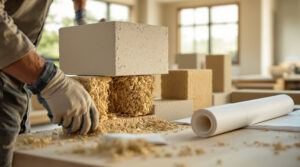
The route choice was intentional. For years, organizers have demanded three consistent points: hemp as a crop for textiles, building materials, and food; bureaucracy-free access to cannabinoid medicine plus the right to home cultivation; and regulated legalization as a consumer product. Their argument remains that prohibition causes worse consequences than consumption itself.
Political Timing Was Sharper Than Ever
This context makes Saturday’s turnout particularly puzzling. Since July 30, 2026, dried cannabis flowers can no longer be prescribed at the expense of statutory health insurance. Tens of thousands of patients were forced within days to either switch to alternative medications or pay for therapy themselves. The interpretation of the new legal situation by KBV and GKV-Spitzenverband wasn’t clarified until early August.
Meanwhile, the novella to the medical cannabis law remains stuck in the Bundestag health committee. It aims to restrict telemedicine and mail-order sales for medical cannabis—precisely the channels through which many patients access treatment. There was clear cause for mobilization. However, organized resistance is currently happening elsewhere: through lawsuits and appeals procedures rather than street demonstrations.
Why 200 Participants Don’t Mean the Movement’s End
The 200 figure is a police count taken at the demonstration’s start, not a final tally. For a ten-hour event combining a procession with stage programming, participant numbers typically grow throughout the afternoon. Official counts at starting points also systematically understate attendance compared to organizer estimates. For comparison: in 2022, organizers reported around 4,000 participants; in earlier years, the German Hemp Association counted over 6,000.
Still, the result remains disappointing. A 30th anniversary edition on a summer Saturday with acute health policy conflict should have drawn more people to the streets. The discrepancy suggests not disinterest but structural change in how cannabis activism operates.
The Movement Has Succeeded—and Become Invisible Because of It
The most plausible explanation for weak turnout isn’t apathy but division of labor. In 2015, attending the Hanfparade was the primary platform. Today, there are cultivation associations with boards, specialized cannabis attorneys, patient organizations, and an industry association filing statements in legislative proceedings. Protest has migrated from the streets into procedures, committees, and administrative courts.
This signals maturity but comes with a cost. Lawsuits don’t generate images. An appeal decision doesn’t make the evening news; a crowded street does. Precisely when a black-red coalition reverses benefits and restricts telemedicine, the movement lacks its most effective pressure tool: public visibility. Two hundred people outside the chancellor’s office are easier for a ministry to ignore than four thousand.
The consequence doesn’t necessarily require more demonstrations. It might mean the movement getting honest with itself: the street is no longer its primary instrument, and a parade falling short of its own registered expectations by a factor of twenty needs either a new format or a new catalyst. The 30th anniversary would be the perfect moment for that conversation.
Frequently Asked Questions
When Did the 2026 Hemp Parade Take Place?
The Hanfparade 2026 took place on Saturday, August 8, 2026, in Berlin. Programming ran from noon to 10 p.m. It was the 30th edition of the demonstration, which has been held annually since 1997.
How Many People Attended the 2026 Hemp Parade?
Police counted approximately 200 people at the start on Alexanderplatz. Organizers had expected up to 4,000 participants. An official final attendance count from organizers was not available at publication time.
What Route Did the 2026 Hemp Parade Follow?
The procession started at the Neptune Fountain on Alexanderplatz and proceeded along Unter den Linden into the government district. It passed the Reichstag building, the Federal Ministry of Health, and the office of the government’s drug commissioner.
Why Still Demonstrate After Partial Legalization?
The Cannabis Consumption Act, effective April 2024, permits private cultivation and possession of limited amounts. However, regulated retail sales don’t exist. Additionally, lawmakers eliminated reimbursement for cannabis flowers by statutory health insurance. Organizers view current regulations as a halfway measure, not the final goal.
Who Is Germany’s Drug Commissioner?
Virologist Hendrik Streeck (CDU) holds the position. His office lay directly on this year’s parade route. Streeck takes a significantly more critical stance toward broader cannabis legalization than his predecessor, Burkhard Blienert.
Sources: dpa report on the Hanfparade from August 8, 2026 (including Nordkurier and Tagesspiegel), Hanf Journal, hanfparade.de, German Federal Law Gazette I no. 228, July 29, 2026.



Würdest du bei einer Hanfparade in deiner Stadt mitlaufen?
Branchen-Update
News, Analysen und Reportagen — mehrmals im Monat direkt in dein Postfach.
Folge uns