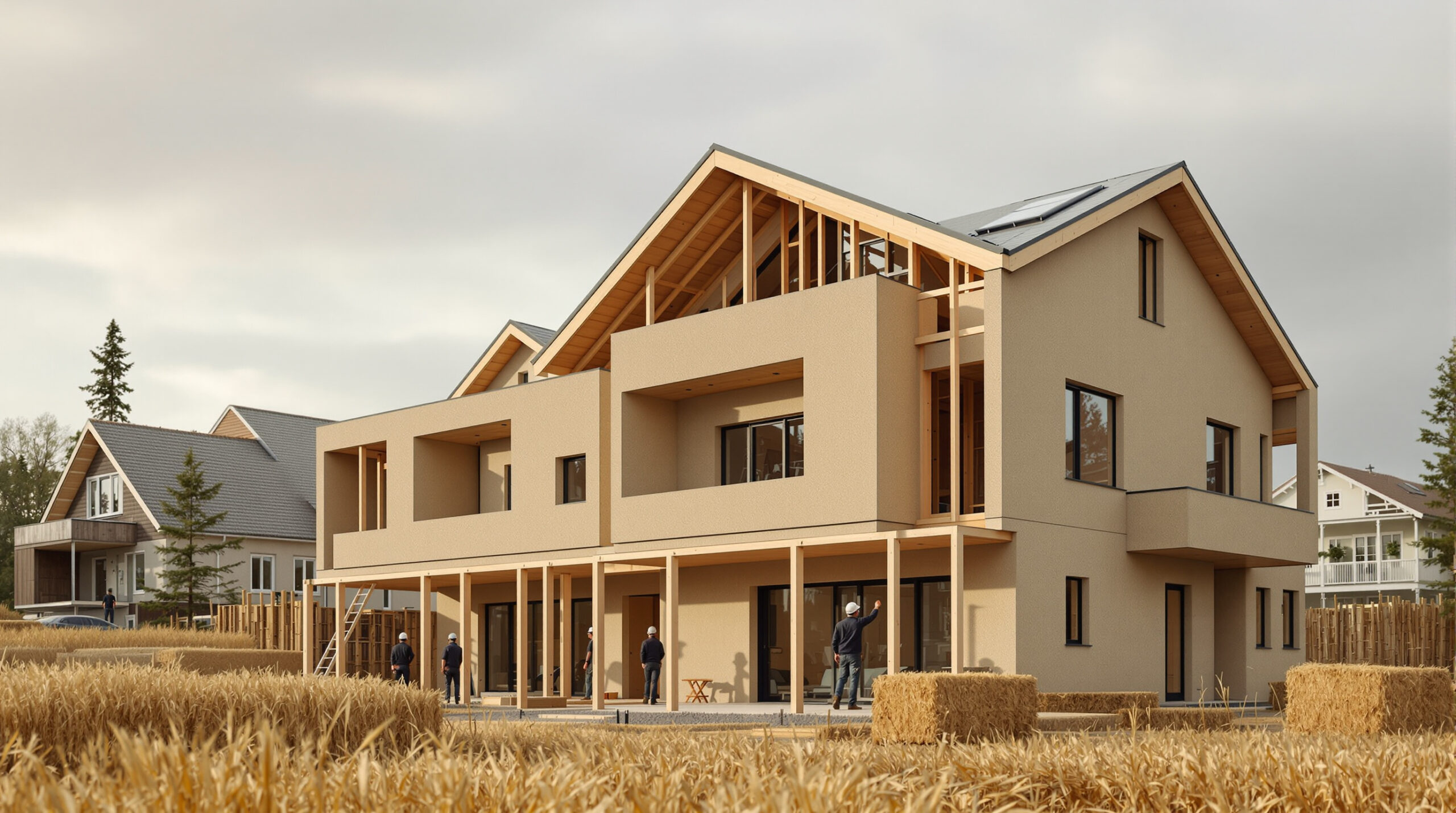
A residential house that binds more carbon than is released during its construction sounds like a distant future. In many countries, it is long established reality. Hemp houses worldwide demonstrate that the ancient crop hemp and modern architecture go together. From Iceland to Nepal, from Switzerland to Australia, buildings are being constructed that set standards for sustainable construction. This overview brings together the most impressive building projects with hemp and shows why this building material is gaining momentum right now.
📑 Inhaltsverzeichnis
- Why hemp houses are gaining importance worldwide
- Europe’s largest hemp houses: the leap into multi-family housing
- Records from Great Britain: The Bright Building and the Flat House
- Hemp houses worldwide: from Iceland through Nepal to Australia
- North America and the German-speaking region catching up
- What hemp houses worldwide have in common
- Frequently asked questions
- 💬 Fragen? Frag den Hanf-Buddy!
Why hemp houses are gaining importance worldwide
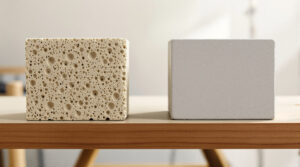
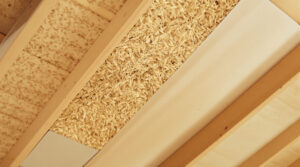
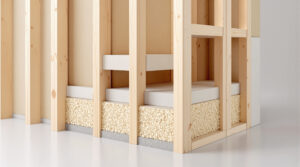
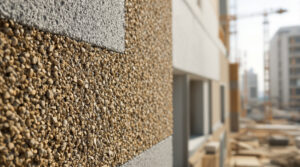
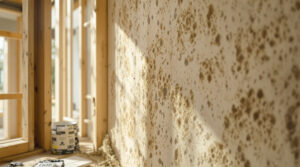
The central building material in these projects is hempcrete. It consists of the woody shives of the hemp plant, lime as a binder, and water. The material provides excellent insulation, regulates air humidity, and is naturally resistant to mold. Most importantly, it binds large quantities of carbon dioxide during plant growth and lime curing. A hemp house can thus achieve a negative CO2 balance over its lifespan.
Beyond climate benefits, the material impresses in everyday use. Hempcrete is vapor-permeable and absorbs moisture, releasing it again later. This keeps the room climate pleasantly balanced. The thick, sluggish wall mass stores heat in winter and keeps summer heat outside. Those who have entered a hemp house often describe the atmosphere as calm and cozy. We describe what that feels like in our article on what it would be like to live in a hemp house.


Building with hemp is no longer an ecological niche in 2026. It has developed into an established branch of resource-conscious construction. Architects, building physicists, and renovation planners increasingly turn to it. In Germany, KfW has been promoting biogenic building materials since 2025 through the BEG 261 program. Baden-Württemberg, Bavaria, and Lower Saxony also support renovations with hempcrete. Those wanting to deepen their technical knowledge will find it in our article on why hempcrete is considered the building material of the future.
Europe’s largest hemp houses: the leap into multi-family housing
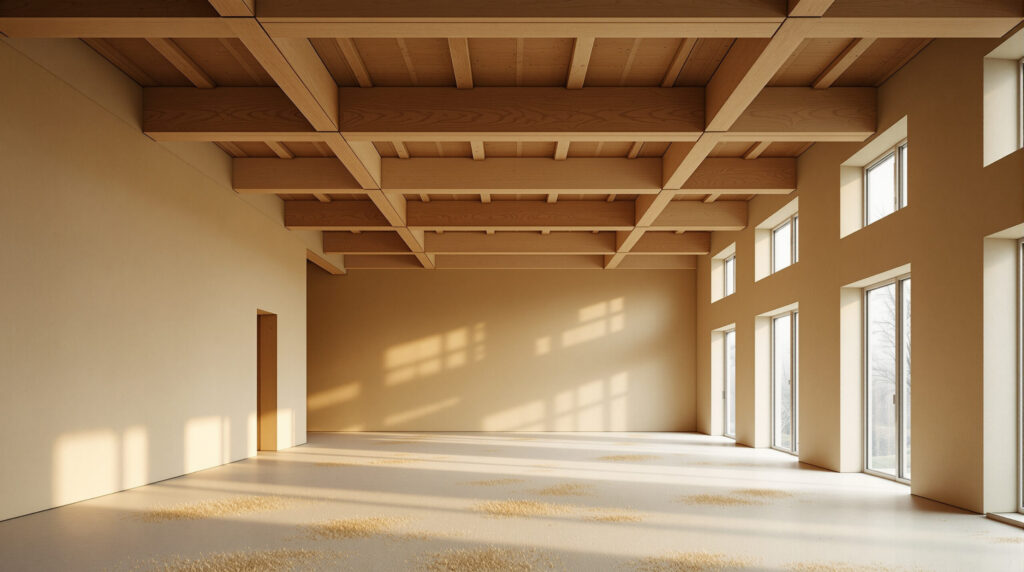
For a long time, hemp construction was considered the domain of individual eco-pioneers and small single-family homes. That is visibly changing. In Widnau, Switzerland, one of Europe’s largest hemp houses now stands. The building houses 19 apartments under one roof. All room walls consist of hempcrete. In operation, the house achieves a net-zero balance and even operates in the plus-energy range during use. It generates more energy than its residents consume.
Such multi-family houses are decisive proof. They show that hempcrete is not only suitable for romantic individual projects. The building material also works in urban residential construction, where statics, fire protection, and economics are rigorously tested. In the Netherlands, a developer is going even further. There, an entire residential quarter made of hemp houses is being built, translating ecological construction into the scale of urban planning.
Records from Great Britain: The Bright Building and the Flat House
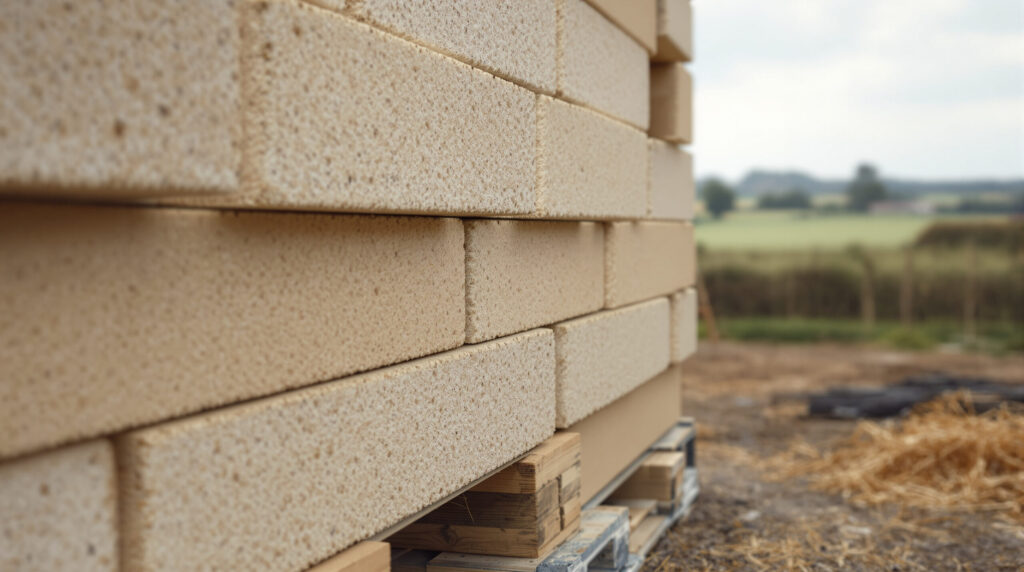
Great Britain is among the pioneers of hemp construction. At the University of Bradford stands the Bright Building, probably the world’s largest monolithic hempcrete building. Its massive walls are approximately 450 millimeters thick and completely cast from hempcrete. These walls alone bind over 50 tons of carbon dioxide. The building also received one of the highest BREEAM ratings ever awarded to an educational building.
The Flat House on Margent Farm in Cambridgeshire took a different approach. The team at Practice Architecture opted for prefabricated hempcrete panels. These were produced on the property and assembled on-site. The building’s load-bearing envelope was thus completed in just two days. The project is regarded as a model example of prefabricated construction with very low embodied carbon footprint. It demonstrates that hemp is compatible with speed and industrial manufacturing.
Hemp houses worldwide: from Iceland through Nepal to Australia
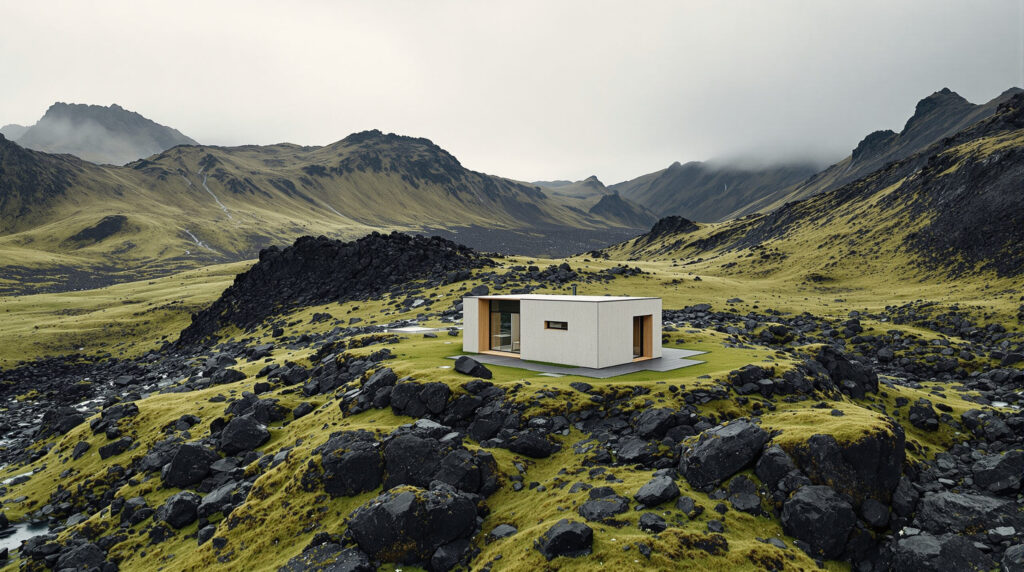
The most exciting projects arise where the climate is extreme. Iceland saw the construction of the cold island’s first hemp house. It demonstrates that the material’s moisture-regulating properties convince even in harsh weather. In Nepal, a nonprofit hospital built from hempcrete was completed. Here, beyond ecological concerns, the local raw material was key, saving expensive imports.
In Australia, the Hemp House by Steffen Welsch Architects became the country’s first hempcrete house. It is designed as a duplex and combines communal living with ecological building practices. Another Australian project reaches further technically. There, a company supplies hemp houses from a 3D printer. The building material is applied layer by layer, combining design freedom with rapid production.
North America and the German-speaking region catching up
One of the most ambitious ventures in the United States is found in Minnesota. The Lower Sioux Indian Community has been building with hempcrete since 2016 and opened its own production facility. How the tribe is committed to building with hempcrete is an example for regional value creation. The facility spans approximately 20,000 square feet and cost about 6.2 million US dollars. It supplies local residential construction with self-produced hemp blocks.
The German-speaking region also provides remarkable examples. In Schluderns in South Tyrol, a hemp house was built whose load-bearing and insulating structure comes 70 percent from a radius of only 30 kilometers. The builder wanted to demonstrate that sustainable and regional construction is possible without sacrificing modern living comfort. In Germany, the Information and Competence Center for Hemp opened in summer 2026 in Mücheln in the Geiseltal. There, a largely hemp-built experimental building is being constructed along with workshops and experience trails. Such centers make the building material tangible for builders and lower the threshold for their own projects.
What hemp houses worldwide have in common
As diverse as these projects are, one pattern runs through them all. Successful hemp buildings rely on regional raw materials and short transport routes. They almost always combine hempcrete with a load-bearing timber framework. And they view the material not as a cost-saving solution but as a deliberate choice for health and climate protection. The pioneers of the early years proved that hempcrete bears loads permanently. Early hemp buildings in Great Britain have stood since the early 2000s and show no material fatigue to this day.
The next step lies in scaling. Prefabricated panels like those in the Flat House and 3D printing from Australia reduce construction time and costs. At the same time, the first standards and approvals are emerging that facilitate broad market entry. If industrialization continues to advance, hemp houses could transition from showcase projects to everyday reality. Today’s most impressive building projects are then just the beginning of a larger movement in sustainable construction.
Frequently asked questions
What are hemp houses actually made of?
The core material is hempcrete. It consists of the woody shives of the hemp plant, lime as a binder, and water. Usually, a wooden frame structure forms the load-bearing framework. The hempcrete handles insulation and moisture protection. Pure hemp buildings with no other materials are rare.
Where is the world’s largest hemp house located?
The Bright Building at the University of Bradford in England is regarded as the world’s largest monolithic hempcrete building. Its walls are approximately 450 millimeters thick and bind over 50 tons of CO2. In Europe, the multi-family house in Widnau, Switzerland, with 19 apartments also ranks among the largest residential hemp projects.
Are hemp houses more expensive than conventional houses?
Construction costs often fall into a similar range as conventional ecological building methods. Builders report that hemp construction is not necessarily more expensive, but also not significantly cheaper. However, low heating costs and funding programs like KfW’s BEG 261 promotion significantly improve the overall balance over the building’s useful life.
How climate-friendly is a hemp house really?
Hemp binds carbon dioxide during growth, and lime absorbs additional CO2 as it cures. As a result, a hemp house can achieve a negative carbon balance over its lifespan. It thus stores more CO2 than is released during manufacturing and construction. This fundamentally distinguishes the building material from cement and steel.
Can you build a hemp house in Germany?
Kannst du dir vorstellen, selbst in einem Hanfhaus zu wohnen?
Yes, that is possible, even though hempcrete is not yet fully standardized. Many projects proceed as individual approvals or in collaboration with specialized planning offices. Competence centers like the new center in Mücheln in the Geiseltal help builders navigate the approval and execution process.








Branchen-Update
News, Analysen und Reportagen — mehrmals im Monat direkt in dein Postfach.