Advertisement. This article was produced in a paid partnership with Mavericks Genetics. The selection, contextualisation and assessment of the information are the responsibility of Hanf Magazin.
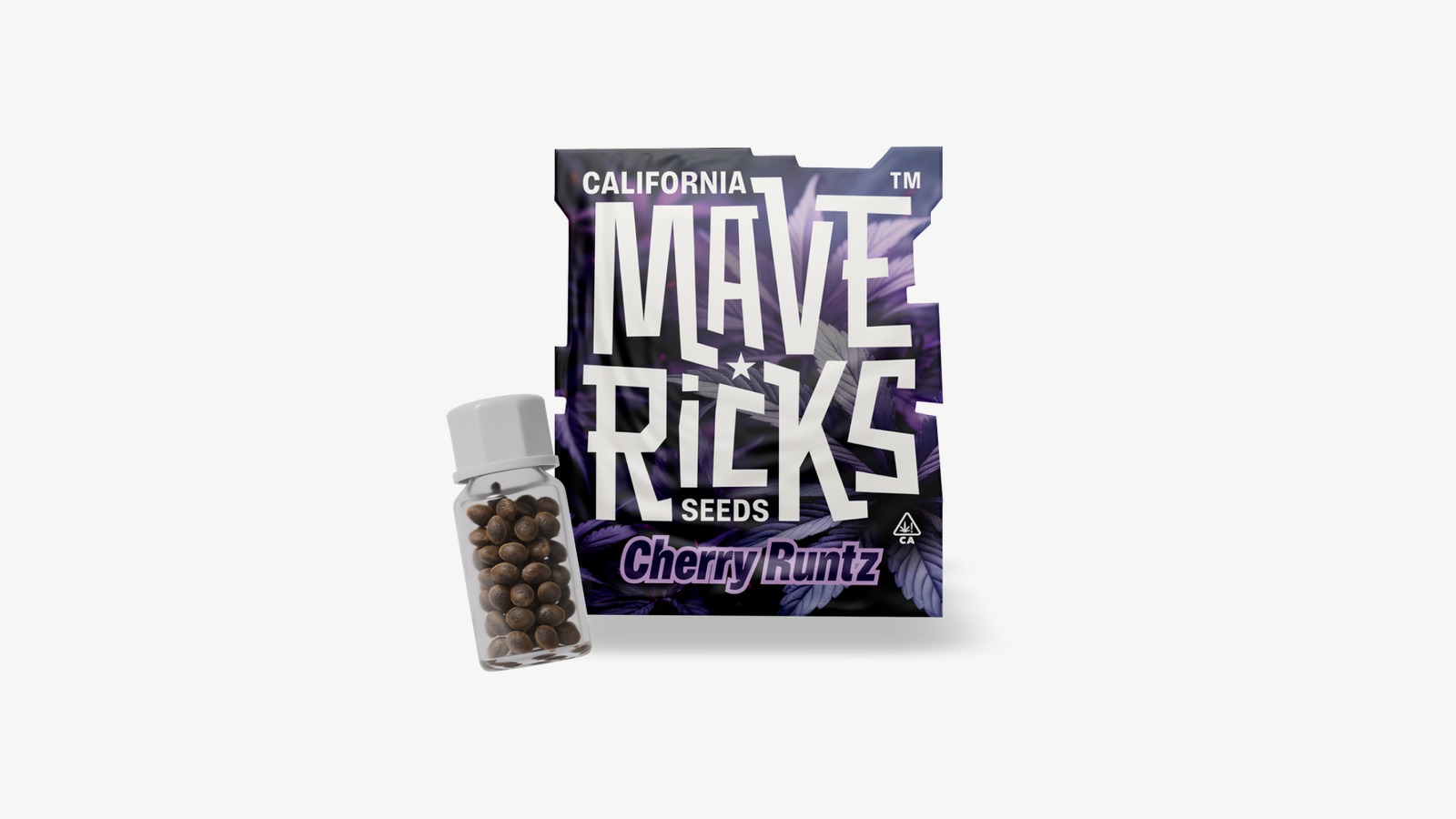
Cherry Runtz is a feminised strain from Californian breeding that promises a lot on paper. We looked at the data sheet and the lab report and sorted out which claims are reliable and which merely describe an expectation.
Genetics and Origin
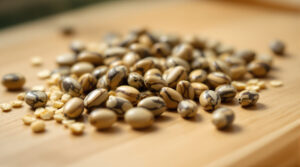
According to the manufacturer, Cherry Runtz from Mavericks Genetics goes back to the cross (Zkittlez x Gelato) x Grape Ape. All three parent lines are well established on the American market. Zkittlez and Gelato stand for sweet, fruity profiles, while Grape Ape contributes the dark colours that give the strain its purple accents. It is offered as feminised seed, and the breeder gives the ratio as 50 percent indica and 50 percent sativa.
As with all indications of indica and sativa proportions, the following applies: this describes lineage, not the effect to be expected. The widespread equation of indica with a particular type of effect does not stand up scientifically, even though it persists stubbornly.
The Manufacturer’s Cultivation Data
Mavericks states a flowering time of nine weeks, with an outdoor harvest in early October. For yield, the data sheet lists 450 grams per square metre and 950 grams per plant. The second figure is remarkably high and presupposes outdoor cultivation with a correspondingly long growing period, space and amount of light. It is not suitable as a guide for a grow tent indoors. Yield figures from breeders always describe an optimum under good conditions and are not a guaranteed property.
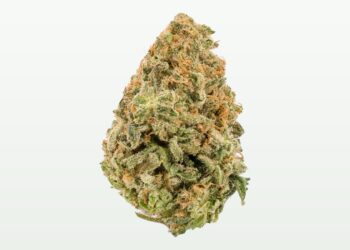
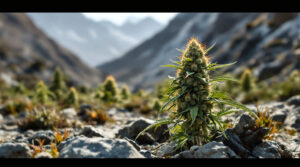
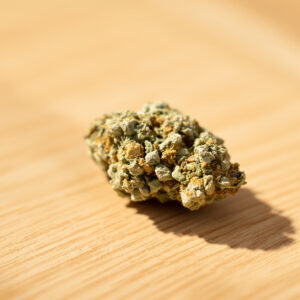
Visually, the manufacturer describes compact, dense flowers with purple tones on the flowers and leaves. The product information includes a batch number, here 226CA.11, which is useful for the traceability of a batch.
What the Lab Report Shows
A two-page analysis report from the laboratory ELS is available for the strain. What was tested was dried, cured flower, not seeds. The sample was taken on 22 October 2025, and the report was completed on 30 October 2025.
The analysis table shows a total THC content of 28.02 percent and a total CBD content of 0.23 percent. The total terpene content is 3.2 percent. Within the terpene profile, limonene leads with 0.65 percent, followed by caryophyllene with 0.48 percent, linalool with 0.35 percent and myrcene with 0.26 percent. Humulene and pinene are lower, and the remainder is distributed among trace amounts.
Two notes for context. First, these values refer exclusively to the sample tested. Active compound and terpene contents depend heavily on growing conditions, harvest time and drying, which is why a strain description indicates a potential and not a guarantee. Second, the summary boxes in the report contain values that contradict the figures in the analysis table. We therefore went with the table, which contains the individual values and the calculation formula, and have asked the manufacturer for clarification.
Aroma: Description and Measurement Diverge
The manufacturer describes the aroma as fruity-tropical with citrus, berry and pineapple, plus a creamy sweetness and a gas note. On its terpene page, the lab report lists its own primary aromas, which are wood, spice, lavender, sour and pineapple. So there is agreement on pineapple, but little else.
This is not a contradiction that speaks against the strain, but a good reminder of how aroma descriptions come about. A strain description reflects the sensory impression of people who have smelled the flower. A laboratory’s aroma indications are derived from the measured terpene profile. The comparatively high linalool value explains the lavender indication, while caryophyllene and humulene point toward the spicy, woody direction. Anyone who wants to settle on a particular expectation of smell should therefore look at the terpene profile rather than the marketing description.
The Awards
Mavericks lists twelve trophies at national competitions for Cherry Runtz. The documents do not show which competitions these were or in which years. We are therefore presenting the information as a manufacturer’s claim and have requested a breakdown. Cup wins are of limited transferability in any case, because they assess a single plant, often grown by specialists, and not the genetics on average.
A brief look at the legal situation
In Germany, since the Consumer Cannabis Act (Konsumcannabisgesetz), adults may grow up to three plants for personal use and obtain seeds for this purpose. The law at the place of cultivation is always what counts, not that of the country of dispatch. Within Europe, the rules differ considerably; in Austria, for example, the sale of seeds is permitted, but it becomes a criminal offence there as soon as plant material containing THC is produced.
Note: This article reflects the status as of 15 October 2026 and does not constitute legal advice. Information on genetics, yield, flowering time and awards comes from Mavericks Genetics and has not been independently verified by us. The lab values refer to a single tested sample and are not a guaranteed property. Growing and possessing cannabis are reserved for adults and subject to the regulations applicable in each case.
Worauf achtest du beim Kauf von Cannabis-Seeds am meisten?
Sources: Strain data sheet and written information from Mavericks Genetics, October 2026; analysis report ELS Lab, sample 31324RUNT2874.1212, completed on 30.10.2025; Konsumcannabisgesetz (KCanG); Suchtmittelgesetz Österreich.





Branchen-Update
News, Analysen und Reportagen — mehrmals im Monat direkt in dein Postfach.
Folge uns