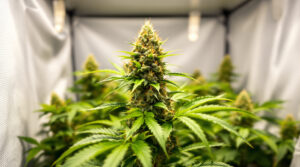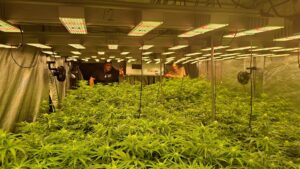
Anyone who looks into marijuana in Austria quickly encounters a picture that is more complicated than a simple yes or no. Recreational use of THC-containing cannabis remains prohibited, while CBD products and a narrowly defined medical offering exist legally. Between these poles lies a gray area that unsettles many consumers. This overview clarifies the legal situation, penalties, and medical options surrounding marijuana in Austria in an understandable way.
📑 Inhaltsverzeichnis
Marijuana in Austria: the legal framework
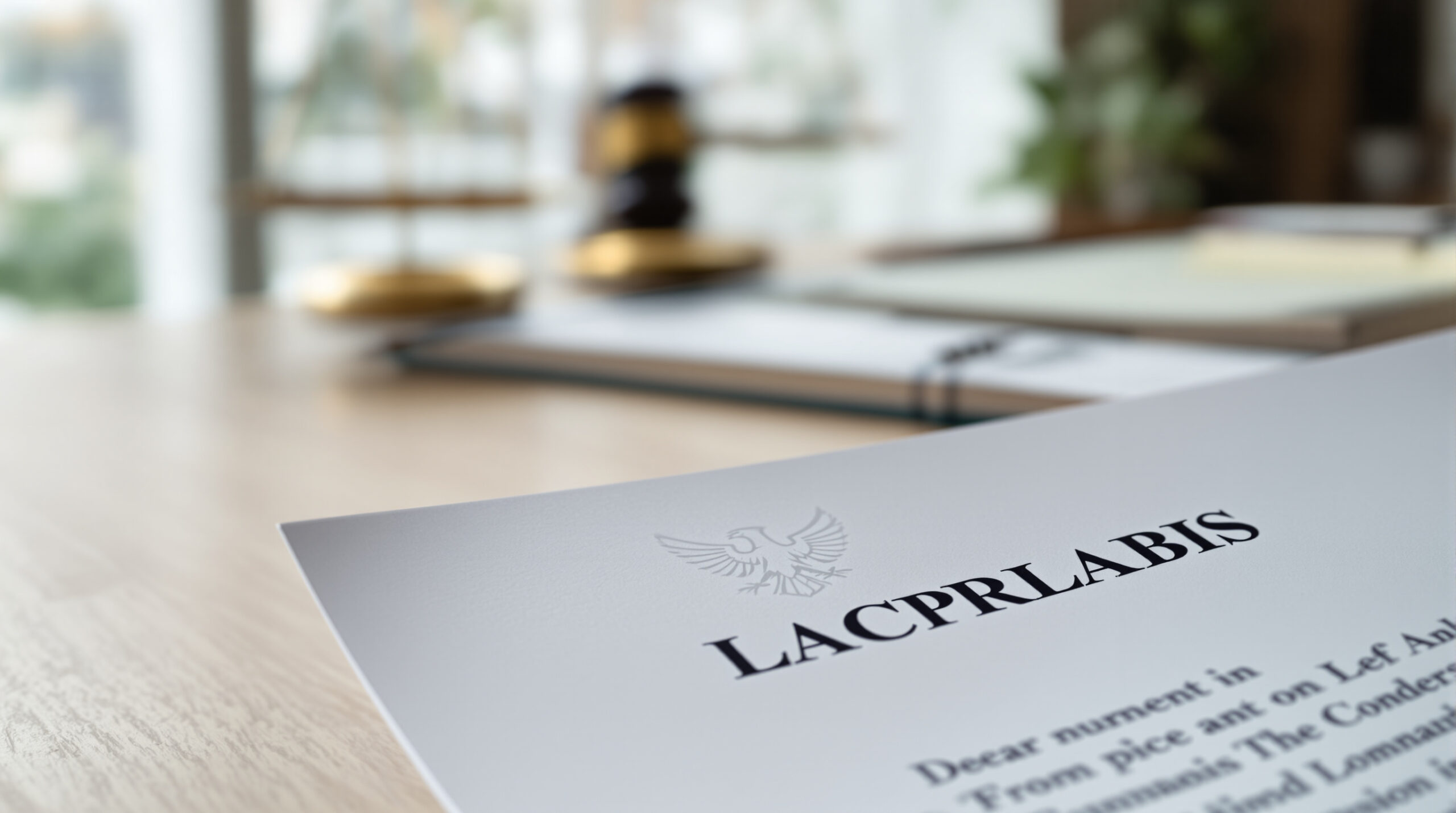
The central foundation for dealing with marijuana in Austria is the Narcotic Drugs Act, or SMG for short. It classifies cannabis with intoxicating THC content as a narcotic drug. Cultivation, acquisition, possession, transfer, and trade are fundamentally punishable under Section 27 SMG. This puts Austria’s approach distinctly apart from countries that have since regulated and legalized recreational use.
It is important to distinguish between the plant as such and its active ingredient content. Industrial hemp with very low THC content does not fall under the prohibition. However, once a plant or product reaches a relevant THC content, narcotic drug laws apply. This dividing line explains why some hemp products are freely available while the same plant in flowering form remains illegal.


Possession and personal use: what penalties apply
Possession of marijuana in Austria is punishable, but the law treats pure personal use differently from trade. Anyone who commits an offense exclusively for personal consumption theoretically faces imprisonment of up to six months or fines of up to 360 daily rates. In practice, however, convictions for small amounts are rare.
The reason lies in the principle of diversion, colloquially described as health instead of punishment. Rather than a conviction, the system provides for notification to the health authority and a probation period for small amounts. If someone behaves inconspicuously during this time, they remain without an entry in the criminal register. Prosecution thus aims more at trade and larger quantities than at individual consumers.
A so-called threshold quantity plays a role in legal classification. For cannabis, it is 20 grams of delta-9-THC or 40 grams of THCA in pure form. Converted to commercially available quality, this corresponds to a substantial amount of marijuana. If this threshold is exceeded, the criminal law assessment becomes significantly more severe. You can find a detailed comparison of the punishability of cannabis products in our article on the criminal liability of cannabis products in Germany and Austria.
Medical cannabis in Austria
Medical cannabis is possible in Austria, but within a significantly narrower framework than, for example, in Germany. Dried cannabis flowers may not generally be prescribed for therapy. A prescription ban applies to the natural flower form, excluding direct use in practice. This clearly distinguishes Austria from neighboring countries that have expanded access to flowers in recent years.
Instead, approved cannabinoid medications and extracts are permitted. These include magisterial dronabinol preparations as well as products such as Sativex, Nabilone, Canemes, and Epidyolex. These medications are used for certain medical conditions, such as spasticity, chronic pain, or severe forms of epilepsy. The prescription lies within the discretion of treating physicians.
A frequent point of criticism concerns costs and reimbursement. Prices for cannabis-based medications are high, and many affected individuals view health insurance coverage as needing improvement. Those wishing to explore the topic further will find details in our article on the use of medical cannabis in Austria.
CBD and industrial hemp: the legal gray area
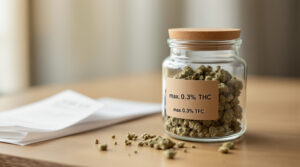
Unlike THC-containing marijuana, CBD products are legal in Austria as long as the THC content remains below the permitted threshold. As a rule, a value below 0.3 percent is applied here. CBD oils, extracts, and cosmetics are accordingly available in trade. The active ingredient CBD does not produce intoxication and therefore does not fall under the Narcotic Drugs Act.
The situation with CBD flowers has recently changed. Since 2026, CBD flowers may only be sold through licensed tobacco retailers. Free sales in ordinary shops are thus restricted. This regulation is part of a lengthy legal dispute over the status of CBD flowers, which we describe in detail in our article on the transitional solution for CBD flowers in Austria.
Trade in hemp seeds and cuttings also moves in a gray area. Sales are possible under certain conditions, as long as the plant is not brought to flowering and thus to THC production. However, as soon as cultivation takes place with the goal of an intoxicating harvest, narcotic drug laws apply again. These subtleties often make handling industrial hemp opaque for laypeople.
Marijuana in traffic
Road traffic forms its own chapter. Anyone driving a vehicle under the influence of THC risks losing their license and facing substantial penalties. Unlike with alcohol, Austria has long lacked a clearly defined limit for THC in blood, leading to discussions about the fairness of controls. A popular initiative addressed precisely this question, as we described in the article on the popular initiative for a THC limit in road traffic.
For consumers, this means particular caution. THC remains detectable in the body significantly longer than alcohol, sometimes for days. Those who consume regularly may therefore test positive even when no acute impairment is present. This discrepancy between detectability and actual driving fitness has been at the center of debate for years.
What comes next with legalization?
Complete recreational legalization of marijuana is not currently decided in Austria. The political debate proceeds more conservatively than in Germany, where access to cannabis has loosened in recent years. Austrian governments have repeatedly emphasized that legalization is not a priority issue. However, surveys show that a relevant portion of the population is open to a regulated market.
Observers therefore expect small steps rather than a major breakthrough. Adjustments in medical care, CBD, or road traffic are conceivable before genuine legalization is discussed. For consumers, it therefore remains important to keep the current legal situation in mind. Those who stay informed avoid unnecessary risks and can better assess developments.
Frequently asked questions
Is marijuana legal in Austria?
No, consumption and possession of THC-containing marijuana are not legal in Austria under the Narcotic Drugs Act. Prohibited are cultivation, acquisition, possession, and transfer, among others. Legal, however, are CBD products with very low THC content as well as certain cannabis-based medications.
What penalty applies for possession of small amounts?
Theoretically, up to six months imprisonment or fines of up to 360 daily rates are possible. In practice, the principle of diversion usually applies to small amounts for personal use. Instead of a conviction, a health-related measure with probation occurs, so typically no entry in the criminal register results.
Can one obtain medical cannabis on prescription in Austria?
Yes, but not in the form of dried flowers. A prescription ban applies to the natural flower form. However, physicians can prescribe approved cannabinoid preparations and extracts, such as dronabinol preparations or commercial medications. Costs are high and reimbursement by health insurance remains controversial.
Is CBD legal in Austria?
CBD products are generally legal in Austria as long as THC content remains below the permitted threshold. Since 2026, however, CBD flowers may only be sold through licensed tobacco retailers. CBD oils and cosmetics continue to be available in regular trade.
Will marijuana be legalized in Austria soon?
Complete recreational legalization is not currently decided and politically not in sight. Austria pursues a more conservative course than Germany. Observers consider smaller adjustments in medicine, CBD, or road traffic more likely than comprehensive legalization in the near future.
Sollte der Besitz von Cannabis zum Eigenbedarf in Österreich straffrei sein?
Note: This article reflects the legal situation as of August 2026 and does not constitute legal or medical advice. It contains no health or efficacy claims. Questions about personal therapy belong in the hands of physicians; for medical cannabis in Austria, only the treating physician is responsible.
Branchen-Update
News, Analysen und Reportagen — mehrmals im Monat direkt in dein Postfach.
Folge uns