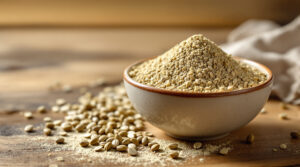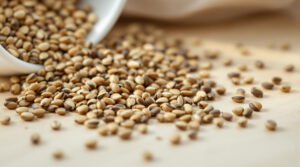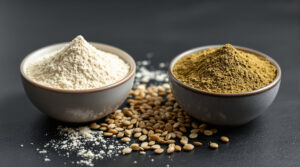
Hardly any domestic food combines so many nutrients in such a small space as the hemp seed. What was long considered merely an ingredient for birdseed has developed into a staple of conscious cooking in recent years. Hemp seeds provide high-quality protein, an nearly ideal ratio of essential fatty acids, and a considerable amount of minerals. This guide explains the nutrient profile in detail, categorizes the most common applications, and shows what really matters when buying quality products.
📑 Inhaltsverzeichnis
- The nutrient profile of hemp seeds in detail
- Hulled or unhulled hemp seeds: What’s the difference?
- Hemp seeds in the kitchen: Application and recommended daily portion
- What matters when buying the best hemp seeds
- Hemp seeds and their effect on health
- Frequently asked questions
- 💬 Fragen? Frag den Hanf-Buddy!
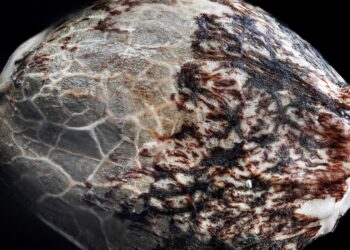
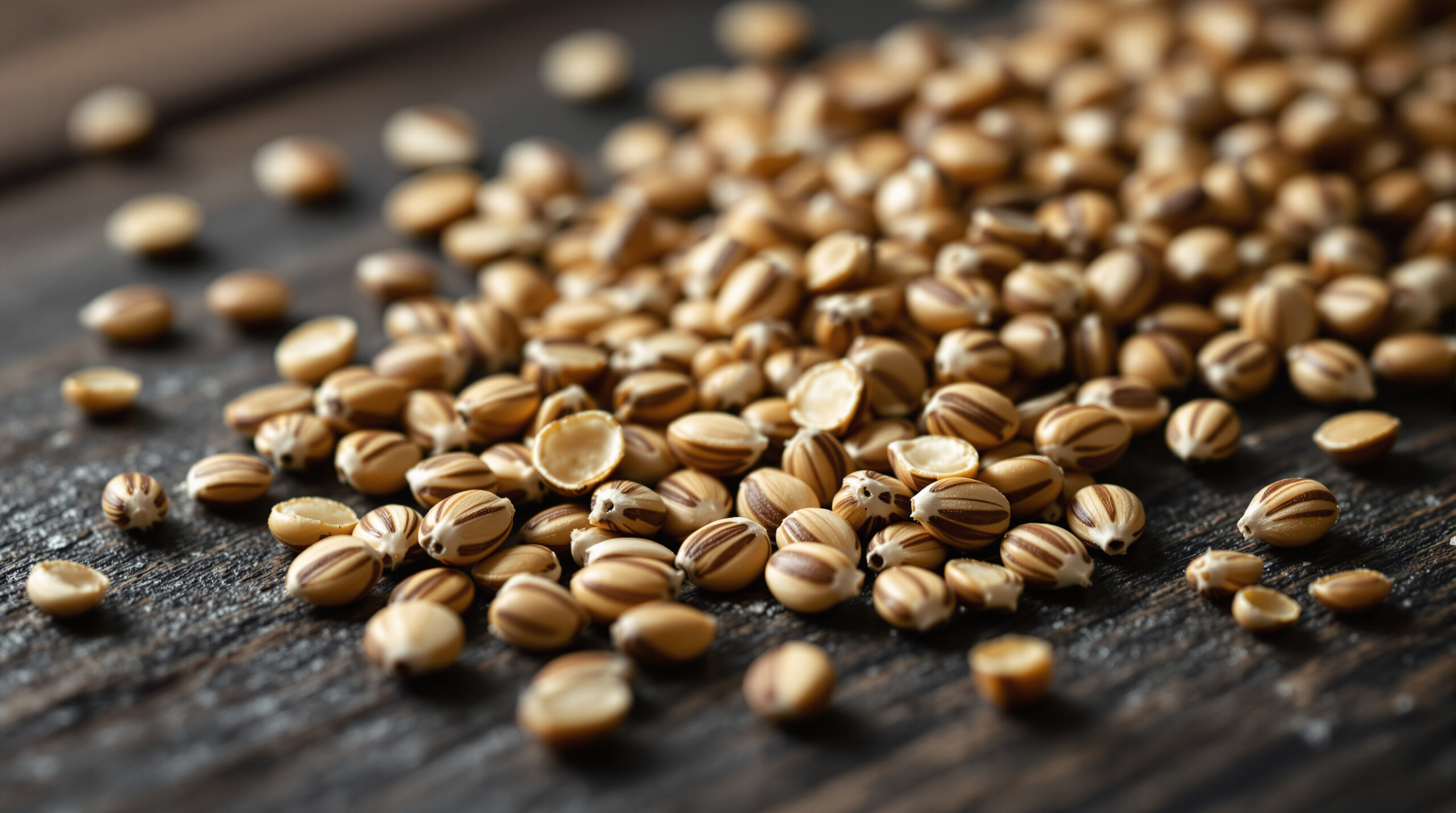
Botanically speaking, hemp seeds are the nut fruits of the plant Cannabis sativa. Food-grade hemp is sourced exclusively from certified industrial hemp varieties in the European Union. These varieties contain virtually no THC, which is why consumption has no intoxicating effects. Those who want to delve deeper into the diversity of edible hemp products will find a comprehensive overview in our complete guide to hemp foods.
The nutrient profile of hemp seeds in detail
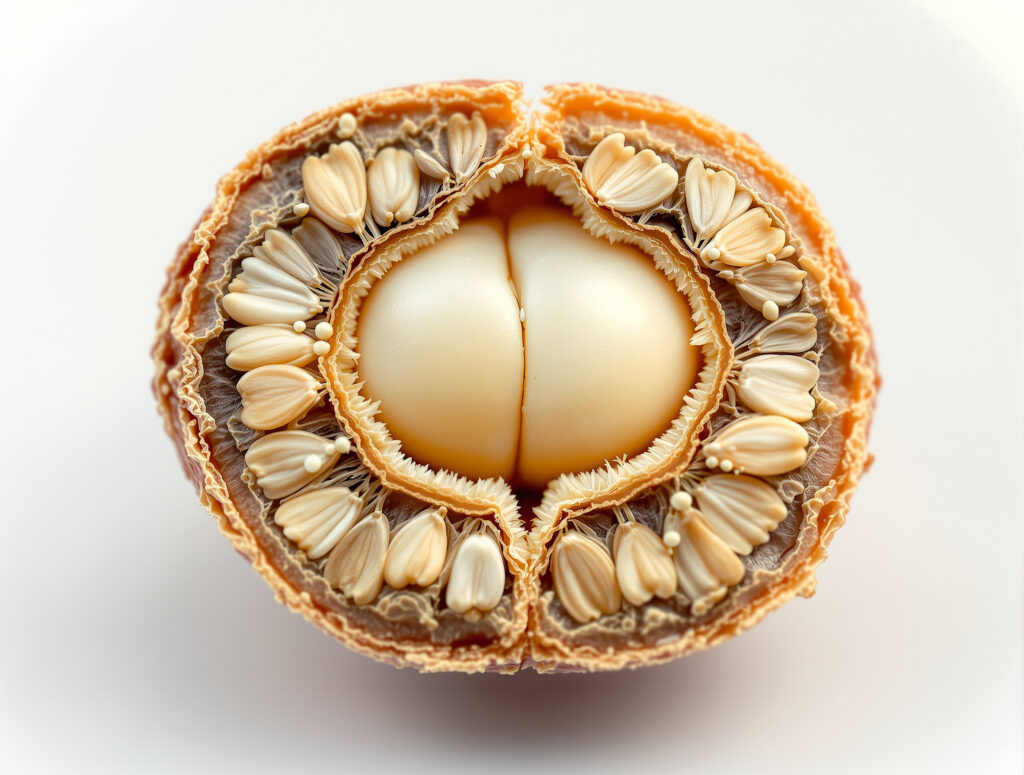
Per 100 grams, hemp seeds contain around 553 calories. This energy is distributed across approximately 32 grams of protein, just under 49 grams of fat, and only around nine grams of carbohydrates. This makes hemp seeds among the most protein and fat-rich plant-based foods available. The low carbohydrate content also makes them interesting for low-carb diets.


Particularly noteworthy is the quality of the protein. Hemp protein consists of approximately 65 percent of the globulin edestin and around 35 percent of albumin. Both protein forms are structurally similar to human blood plasma. This results in very good bioavailability; the body can utilize the protein efficiently. Hemp seeds also contain all nine essential amino acids that the organism cannot produce itself.
The fatty acid profile is at least equally valuable. Up to 90 percent of the contained fat consists of unsaturated fatty acids. The ratio of omega-6 to omega-3 is approximately three to one. Nutritionists consider this range to be particularly favorable. In addition, there is a content of two to four percent gamma-linolenic acid, or GLA. This rare fatty acid is attributed anti-inflammatory properties, and it can also alleviate premenstrual syndrome symptoms.
Hemp seeds also impress when it comes to micronutrients. In 100 grams of hulled seeds are approximately 483 milligrams of magnesium, around 14 milligrams of iron, and about seven milligrams of zinc. Even small portions cover a relevant part of daily requirements. In addition, there is vitamin E for cell protection and B vitamins. The contained fiber is found mainly in the shell and supports healthy digestion.
Hulled or unhulled hemp seeds: What’s the difference?
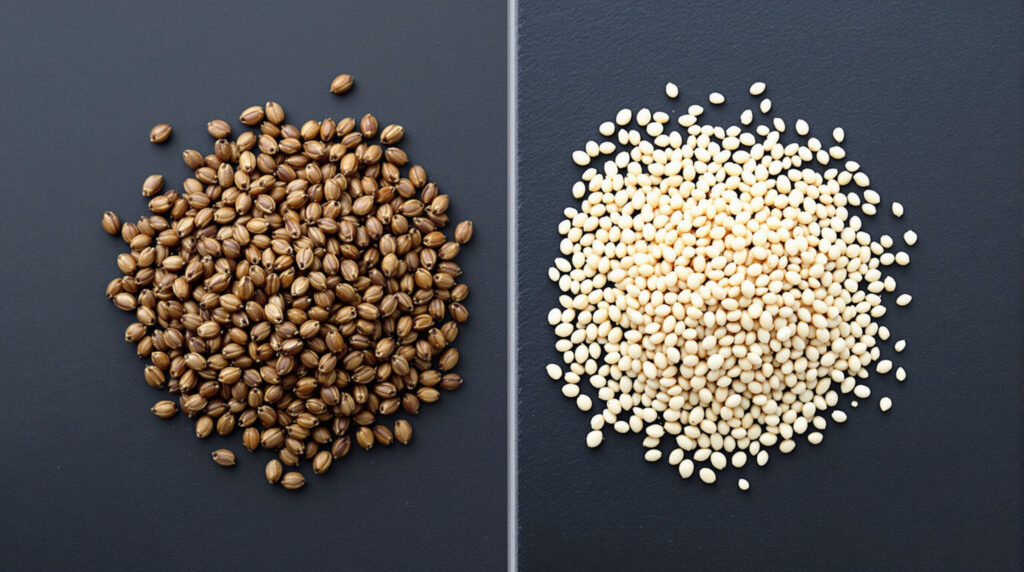
Two variants are available in stores, which differ significantly in taste and use. Unhulled hemp seeds still have their hard outer shell. They taste more intense, slightly nutty, and somewhat astringent. Most importantly, they contain significantly more fiber because it is primarily located in the shell. When chewed, they offer a firm bite and are excellent for baking or rustic granolas.
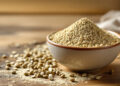
Hulled hemp seeds, often called hemp hearts, are the milder alternative. Without the shell, they taste delicate and creamy, almost like a mixture of pine nuts and sunflower seeds. They are particularly easy to digest, so the body can optimally absorb the contained vital nutrients. Both varieties differ only marginally in their protein and fat content.
As a rule of thumb for everyday use: Those who want to benefit primarily from the fiber choose unhulled seeds. Those seeking a mild taste and maximum digestibility select hulled hemp seeds. Many households keep both varieties on hand and use them strategically depending on the dish. Both can also be processed into fine flour, as our article on the potential of hemp flour demonstrates.
Hemp seeds in the kitchen: Application and recommended daily portion
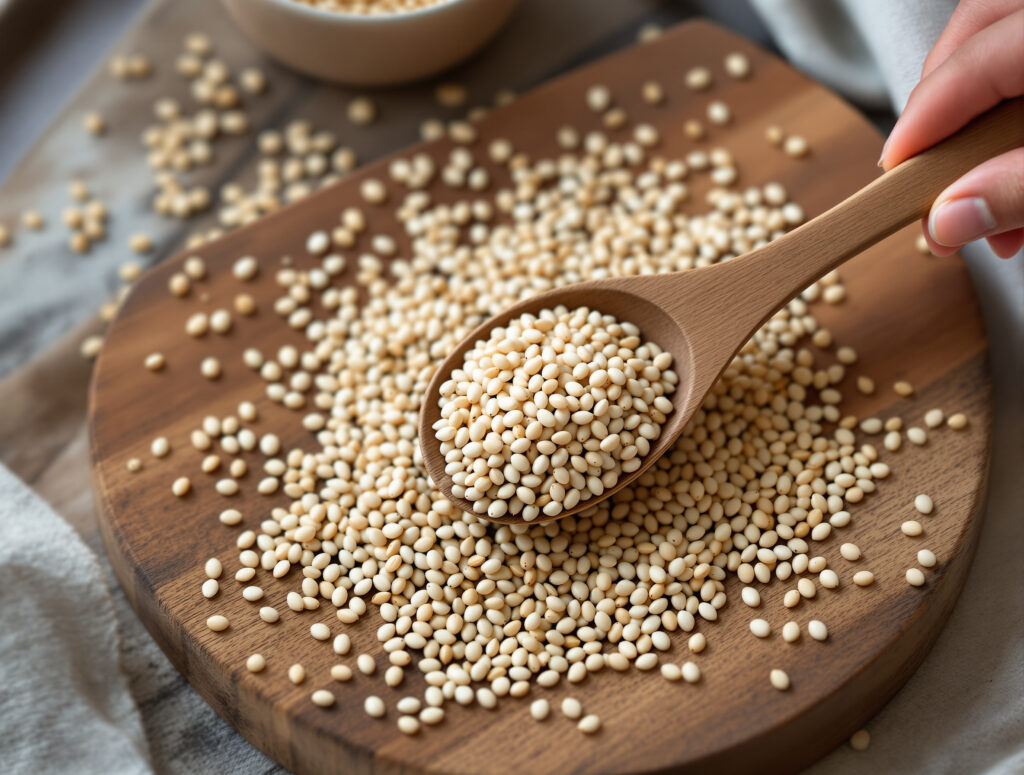
The greatest strength of hemp seeds lies in their versatility. Eaten raw, they unfold their complete nutrient spectrum, as their valuable fatty acids are sensitive to heat. One to two tablespoons over breakfast yogurt, in a smoothie, or over a salad are sufficient to significantly enhance a meal. These little seeds are also excellent in energy balls, pesto, or bread spreads.
Hemp seeds are also popular in baking and cooking, though they should be used as a robust component. In breads, crackers, or vegetable patties, they tolerate the temperature well because they are protected in the dough. Extended heating in a pan is not ideal, as the sensitive omega-3 fatty acids suffer from it. For inspiration, our guide for hemp cooking offers numerous ideas.
A reasonable daily portion is approximately 30 to 50 grams, or about three to five tablespoons. This amount provides a noticeable portion of protein and fatty acids without burdening the stomach. Those who want to use hemp seeds specifically against inflammation or premenstrual syndrome symptoms can temporarily increase the amount. Gradual increase is recommended so that digestion can adjust to the fiber.
Those who want to control their diet’s protein content more precisely often combine whole seeds with concentrated products. How isolated hemp protein stands out from other powders is explained in our comparison of what makes hemp protein special. This allows meal plans to be flexibly adapted to individual needs.
What matters when buying the best hemp seeds
When selecting products, origin is the first consideration. Hemp seeds from certified EU cultivation are subject to strict controls and reliably meet legal THC limits. However, caution is advised with goods from third countries. The Federal Institute for Risk Assessment points out that limit values have occasionally been exceeded there. For pregnant women, children, and frequent consumers, regional organic quality is therefore the safer choice.
A second criterion is freshness. Because of their high content of unsaturated fatty acids, hemp seeds can become rancid over time. High-quality suppliers provide a clear best-before date and package the seeds protected from light and oxygen. When opened, the goods should smell mild and nutty. A bitter or pungent odor indicates spoiled fat and is reason not to consume the product.
After purchase, proper storage determines shelf life. Hemp seeds stay fresh longest when stored cool, dark, and dry. An airtight container in the refrigerator is ideal, especially for hulled hemp seeds and opened packages. Hemp seed oil is even more sensitive and should generally be refrigerated after opening. Read more about the many benefits of this oil in our article about hemp seed oil and its application.
In the end, hemp seeds are a domestic superfood with an exceptionally balanced profile. They combine high-quality protein, valuable fatty acids, and plenty of minerals in an uncomplicated ingredient. Those who pay attention to good origin, freshness, and proper storage get the best out of this small nut fruit. This makes hemp seeds one of the simplest ways to sustainably enhance your daily diet.
Hemp seeds and their effect on health
The health value of hemp seeds results primarily from the interplay of their nutrients. The favorable ratio of omega-6 to omega-3 is considered beneficial for the cardiovascular system. A balanced intake of fatty acids can help maintain cholesterol levels and regulate inflammatory processes. In combination with unsaturated fatty acids, gamma-linolenic acid also plays a role, as it is involved in the body’s formation of inflammation-regulating signaling molecules.
Hemp seeds are also interesting for muscles and the immune system. The complete amino acid profile supports the building and maintenance of muscle tissue, which is why the seeds have a fixed place in plant-based sports nutrition. The contained zinc contributes to normal immune system function, while iron is important for oxygen transport in the blood. People who eat vegetarian or vegan diets especially benefit from this combination.
Finally, hemp seeds have a positive effect on digestion. The fiber in unhulled seeds promotes healthy intestinal function and provides lasting satiety. Magnesium additionally supports muscle and nerve function. It remains important to maintain realistic perspective: hemp seeds are a valuable component of a balanced diet but neither replace a varied diet nor medical treatment.
Frequently asked questions
Do hemp seeds get you high?
No, food-grade hemp from certified EU cultivation contains virtually no THC. Consuming hemp seeds therefore has no intoxicating effect. The plant from which the seeds come is a low-THC industrial hemp variety and should not be confused with intoxicating cannabis.
How many hemp seeds should you eat per day?
A guideline is approximately 30 to 50 grams daily, which corresponds to about three to five tablespoons. This amount covers a relevant portion of protein and mineral requirements. Begin with smaller amounts so your digestion can adjust to the fiber.
Are hulled or unhulled hemp seeds healthier?
Both varieties are very nutrient-rich and differ only marginally in protein and fat content. Unhulled hemp seeds provide more fiber because it is located in the shell. Hulled hemp seeds have a milder taste and are particularly easy to digest. The choice therefore depends on personal needs.
Can you heat hemp seeds?
Generally yes, though it is not ideal. The valuable omega-3 fatty acids are sensitive to heat. In breads or vegetable patties, the seeds are protected in the dough and tolerate baking well. For full nutritional value, raw consumption over yogurt, salad, or in a smoothie is recommended.
How do you store hemp seeds properly?
Verwendest du Hanfsamen bereits regelmäßig in deiner Ernährung?
Hemp seeds belong in a cool, dark, and dry location in an airtight container. Store hulled seeds and opened packages best in the refrigerator. This keeps the sensitive fatty acids fresh longer and prevents the seeds from becoming rancid. A mild, nutty smell indicates that the hemp seeds are still good.







Branchen-Update
News, Analysen und Reportagen — mehrmals im Monat direkt in dein Postfach.
Folge uns