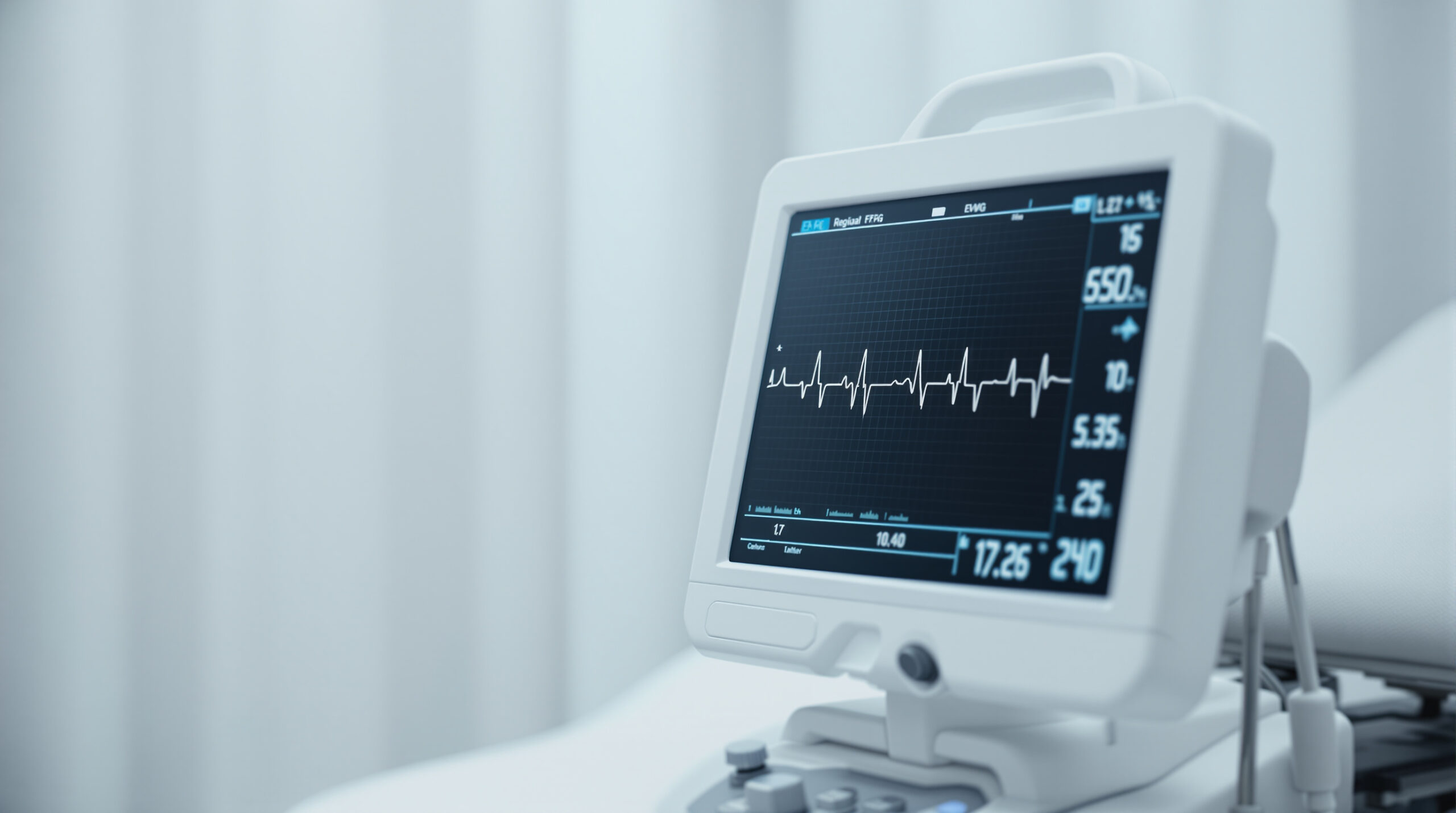
A study from the University of California, San Francisco has measured what inhaled cannabis does to heart rhythm in the short term. The results differed from what researchers expected. On consumption days, monitoring devices recorded approximately 9 percent fewer ectopic beats than on abstinence days. The work was published on August 12, 2026, in the Journal of the American College of Cardiology.
📑 Inhaltsverzeichnis
However, reading only the headlines creates a distorted picture. The effect applies only to a specific type of ectopic beat. The research team itself explicitly warns against interpreting the findings as evidence that cannabis is beneficial for the heart.
A Study Design That Controls for Itself
The research team led by first author Adi Elias and cardiologist Gregory Marcus recruited 108 adult regular cannabis users. The average age was 32 years, with 59 percent of participants being women. None of the individuals had a history of diagnosed arrhythmia.


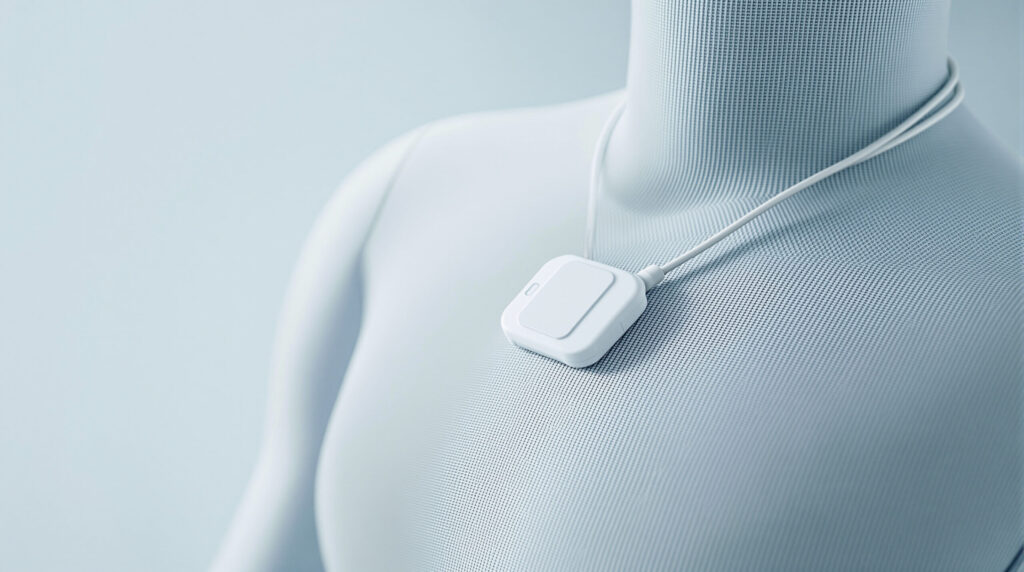
Over 14 days, each person received a text message every morning assigning them to either inhale cannabis or remain abstinent for that day. The assignment was randomized. At the end, 713 randomized consumption days were matched against 616 abstinence days. Throughout the study, participants wore an ECG recording device, a sleep and activity tracker, and a glucose sensor.
This crossover design is the actual strength of the study. Each person serves as their own control group. This eliminates many confounding variables that have plagued cannabis observation studies for years, such as smoking habits or socioeconomic status.
Fewer Ectopic Beats, But Only in the Atria
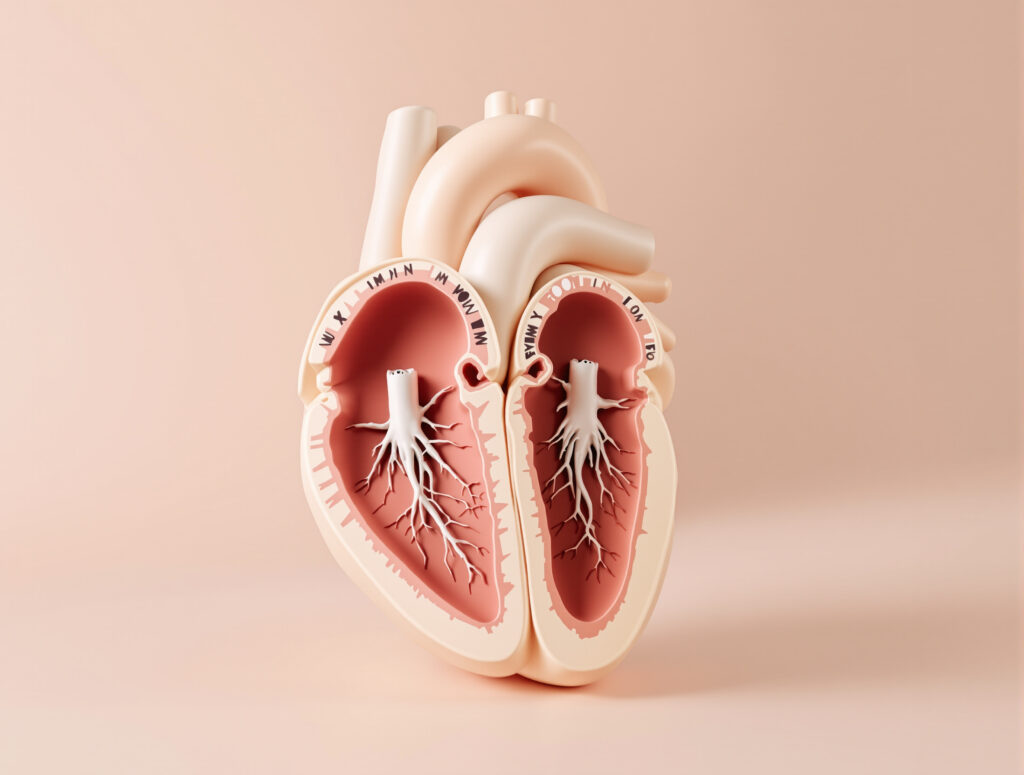
Across all ectopic beats, the rate decreased by 9 percent on consumption days. The rate ratio was 0.91 with a 95 percent confidence interval of 0.85 to 0.98 and a p-value of 0.02. However, this overall value is driven almost entirely by a single subgroup.
Premature atrial contractions, called PACs in medical terminology, declined by 10 percent. Premature ventricular contractions, or PVCs, showed no statistically significant difference. This crucial distinction is lost in many secondary reports. Multiple news outlets broadly refer to fewer ventricular ectopic beats, even though the study provides no evidence for this.
The difference is medically significant. Frequent atrial ectopic beats are considered a precursor to atrial fibrillation. Ventricular ectopic beats are evaluated differently and at certain frequencies have been associated with reduced pump function. Conflating both categories transforms a narrowly defined measurement into a statement about overall heart health.
No differences were found in other measured parameters. Step count, sleep duration, and glucose values did not differ meaningfully between consumption and abstinence days.
Researchers Contradict Their Own Initial Hypothesis
Gregory Marcus, who holds an endowed chair for atrial fibrillation research at UCSF, interpreted the results with unusual candor. The team was surprised because the data contradicted their original assumption. They had expected an increase in ectopic beats.
At the same time, Marcus drew a clear line. The overall effect of inhaled cannabis on health could still ultimately prove negative. The finding merely suggests that the substance has something to teach us about biological mechanisms.
This caution is warranted. The study captures only acute effects over 14 days. It included exclusively people who already use cannabis regularly. It says nothing about long-term consequences or people with existing heart disease. How difficult it can be to draw reliable conclusions from individual measurements is also evident when considering what drug screening tests in road traffic actually prove.
How the Finding Fits Into Existing Research

The scientific literature on cannabis and the cardiovascular system is contradictory. Observational data have repeatedly linked daily use with increased risk of coronary heart disease. An older analysis, conversely, described lower resting heart rate in cannabis users. In the therapeutic realm, cannabidiol is also being tested for recurrent pericarditis.
The new finding fits into this inconsistent picture. It refutes none of the existing risk assumptions because it measures a different endpoint. Similarly cautious was a recent analysis on cannabis and hospital admissions. It primarily shows that the acute effect on the electrical activity of the heart is more complex than previously assumed.
What Patients Can Take Away From This
For medical practice in Germany, this initially has limited implications. The study is not a therapeutic trial and provides no basis for application in treating arrhythmias. Patients with heart disease who use or wish to use cannabis medically should continue to discuss this with their treating physician.
A second point concerns the method of consumption. The study groups smoking and vaporizing under the term inhalation and does not distinguish between the two methods. This is relevant for assessing cardiovascular risk because combustion products carry independent risks. This question remains unanswered.
Frequently Asked Questions
Does the study mean cannabis is good for the heart?
No. The study measures a narrowly defined acute effect on the number of ectopic beats over 14 days. The study leader explicitly emphasizes that the overall effect on health could still prove negative. A conclusion about long-term heart benefits cannot be drawn from this.
What is the difference between atrial and ventricular ectopic beats?
Atrial ectopic beats originate in the heart’s atria. When frequent, they are considered an indicator of increased risk for atrial fibrillation. Ventricular ectopic beats originate in the heart chambers and are medically evaluated differently. The study found a significant decline only in atrial ectopic beats.
How reliable are results from 108 participants?
The sample size is modest, though the design partially compensates. Because each person consumed cannabis on some days and remained abstinent on others, they serve as their own comparison group. However, the 14-day timeframe is insufficient for drawing long-term conclusions.
Does this finding apply to occasional users?
That remains unclear. Only people who regularly smoke or vaporize were included. With occasional use, the acute effect on heart rhythm could differ. The study provides no data on this.
Does this change medical cannabis prescribing practices in Germany?
No. Medical cannabis is not prescribed for arrhythmias in Germany, and the study changes nothing about that. It should be understood as basic research aimed at the cardiology specialist discussion, not at prescribing practice.
Hattest du schon einmal Herzklopfen oder Rhythmusstörungen nach dem Konsum?
Sources: Elias A. et al., „Acute Effects of Cannabis Inhalation on Cardiac Ectopy, Physical Activity, Sleep, and Glucose“, Journal of the American College of Cardiology, August 2026, DOI 10.1016/j.jacc.2026.07.014; University of California San Francisco, Division of Cardiology.






Branchen-Update
News, Analysen und Reportagen — mehrmals im Monat direkt in dein Postfach.