21 Cultivation Associations Approved, Focus in Darmstadt Administrative District
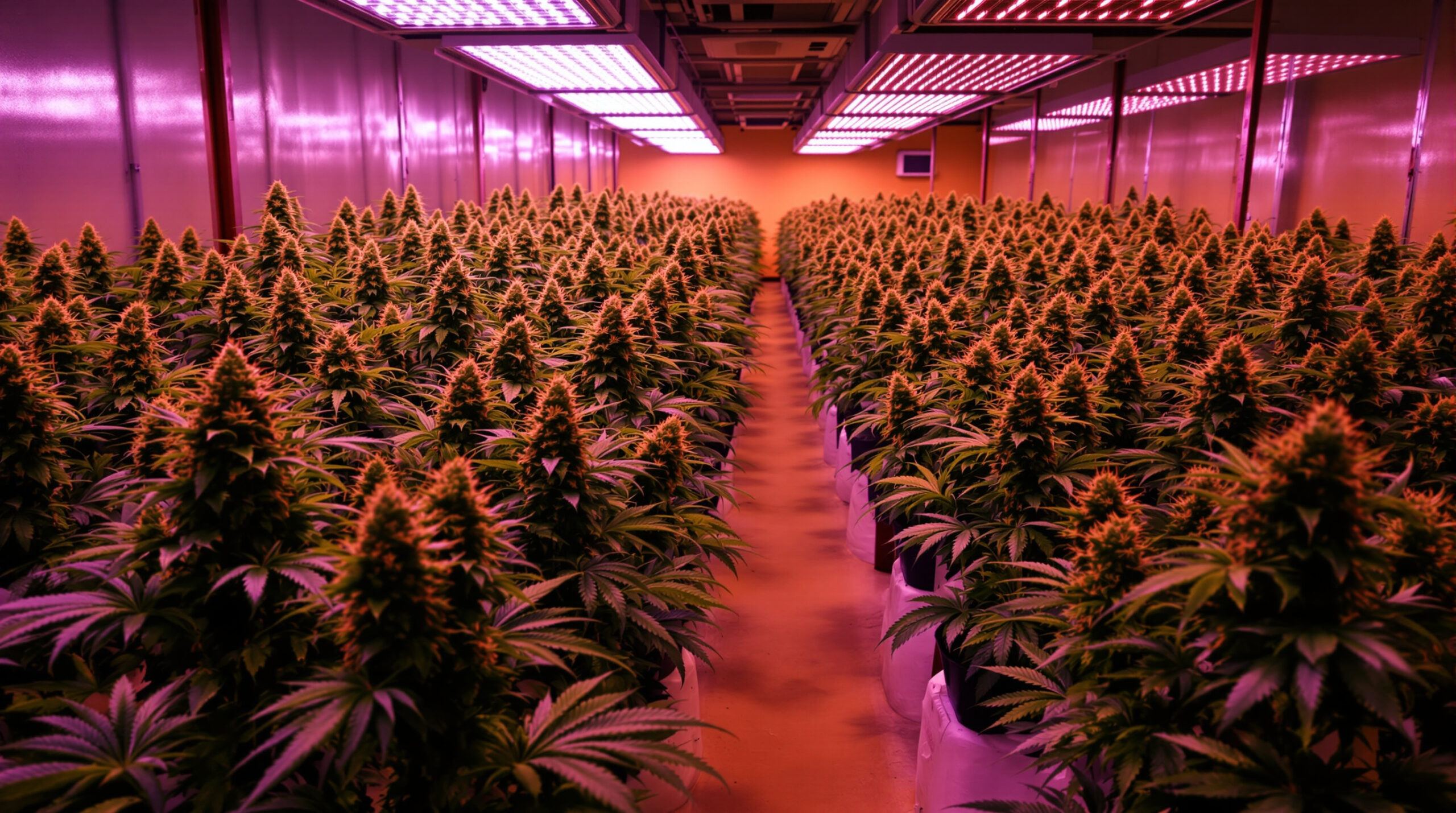
Of the 21 approved associations, the majority are located in the Darmstadt administrative district. 15 cultivation associations have already begun growing cannabis, while the remaining ones are still in the setup phase. What stands out is the size of these clubs. Most Hessian cultivation associations have around 100 members, with only two clubs exceeding the 300-member mark.
📑 Inhaltsverzeichnis
This restraint is no accident—it’s deliberate strategy. Many founding teams start with manageable structures because the law imposes strict requirements for documentation, youth protection, and security. A smaller association is easier to monitor and finance than an organization with several hundred members. For a step-by-step explanation of how a cultivation association is founded, we’ve prepared a guide to founding a Cannabis Social Club.
Why Months Pass Between Approval and First Distribution
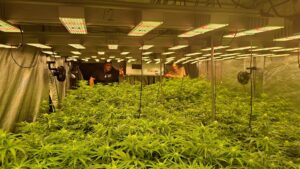
Approval doesn’t immediately mean cannabis distribution. Often, several months elapse between the official authorization and the first supply to members. During this time, associations must secure suitable premises, implement security concepts, install technical equipment, and complete an entire cultivation cycle.


Distribution can only begin once the first harvest has been dried and processed. The fact that 15 of 21 Hessian associations are already actively growing suggests a comparatively smooth startup phase. This gap between approvals and actual distribution also explains why the numbers circulating about cannabis clubs vary so widely. We’ve explored this effect in detail in our article on how many cannabis clubs actually exist in Germany.
A Federal Patchwork: Hesse in National Comparison
Hesse’s track record becomes particularly revealing when compared with other German states. The implementation of the Cannabis Act across Germany is extremely uneven. Approval practices, processing times, and regulatory interpretations differ considerably from state to state. Experts therefore speak of a federal patchwork. Our state-by-state comparison of CSC licenses provides a systematic overview.
While Hesse and Lower Saxony rank among the more progressive states, other regions slow down new clubs. In Bavaria, for example, a restrictive interpretation of building regulations led to legal challenges from the German Hemp Association and CSC Inntal against the blockade. Our retrospective on the situation in spring 2026 shows just how far states have drifted apart, with Lower Saxony leading and Thuringia struggling. The dispute over state-run cultivation structures is not new, as demonstrated by the earlier cultivation tender in Germany.
What the Numbers Mean for Members and the Black Market
For consumers in Hesse, the current figures signal one main development: the legal, non-commercial supply route through a cultivation association is gradually taking shape, though membership is required. To join, one must be an adult, have residency in Germany, and account for waiting periods at individual clubs.
Whether clubs are significantly reducing the black market remains impossible to quantify reliably at this stage. Most associations are simply too young to show measurable effects. What is clear is that the political debate over recreational cannabis and legal supply routes continues. Historically, it reaches back to the earliest legislative proposals for cannabis legalization. Only after the next complete growing season will reliable statements about supply, prices, and market displacement effects be possible.
Frequently Asked Questions
How many cultivation associations are approved in Hesse?
Authorities in Hesse have approved 21 cultivation associations so far. 15 of these are already growing cannabis for their members, while the remaining ones are still under development. The majority are located in the Darmstadt administrative district.
Why aren’t all approved clubs already growing?
Often several months pass between approval and first distribution. Associations must first secure premises, implement security protocols, install technical systems, and complete a full cultivation cycle. Only then can distribution to members begin.
How large are Hessian cannabis clubs?
Most cultivation associations in Hesse have around 100 members. Only two clubs exceed the 300-member threshold. Many founding teams deliberately start small with manageable structures, as these are easier to administer and monitor.
Is Hesse faster than other states?
Hesse ranks among the more proactive states in implementing the Cannabis Act. Nationwide, however, approval practices are highly inconsistent. While some states approve quickly, others slow clubs down through building code restrictions or extended processing times.
Do members get cannabis immediately after joining?
No, immediate distribution is the exception. Even after joining, supply depends on whether the association has already harvested its first crop. Members of newly founded cultivation associations should expect waiting periods until the first distribution is possible.
Source: Hanfjournal, Summary of Hessian cultivation associations (July 2026).


Wie läuft die Umsetzung der Anbauvereinigungen in deinem Bundesland?
Branchen-Update
News, Analysen und Reportagen — mehrmals im Monat direkt in dein Postfach.
Folge uns