Anyone in Germany over sixty today knows about cannabis primarily from the headlines of the past two years. Since the Cannabis Act of April 2024 and the reform of prescription regulations in spring 2026, the perception of this plant has fundamentally changed. Increasingly, older patients are discussing medical cannabis with their general practitioners. Clinical practice shows that the indications often address exactly those complaints that are particularly common in old age: chronic pain, poor sleep, loss of appetite, restlessness in dementia, and the consequences of polypharmacy involving often more than eight active ingredients daily.
📑 Inhaltsverzeichnis
- Why Cannabis for Seniors Deserves Its Own Chapter
- Applications: Where Medical Cannabis Works in Older Patients
- Dosing and Delivery Forms for Older Patients
- Risks, Side Effects, and Drug Interactions
- Prescription and Cost Coverage: What Seniors Need to Know in 2026
- Frequently Asked Questions
- 💬 Fragen? Frag den Hanf-Buddy!
This guide brings together the current state of knowledge on cannabis for seniors in 2026. Which scientific studies support cannabis use in older patients? How is dosing approached when metabolism is slowed? Which interactions with blood thinners, cardiac medications, or psychotropic drugs are documented? And how does prescription work under the new Medical Cannabis Act, which has made personal doctor consultation mandatory again?
Numbers from the German prescription market document this shift. While in 2022 the majority of cannabis prescriptions still went to younger adults with pain and cancer diagnoses, the age structure has noticeably shifted with the Cannabis Act and the rapid establishment of specialized practices. Pharmacy statistics from the 2025 annual report show a clear increase in prescriptions for the age group 60 and above, driven primarily by chronic pain diagnoses, geriatric sleep disorders, and palliative supportive treatment. In parallel, the proportion of seniors turning to legal personal use of pure CBD products is growing, because they want pain or sleep relief without fully navigating the medical prescription process.


Why Cannabis for Seniors Deserves Its Own Chapter
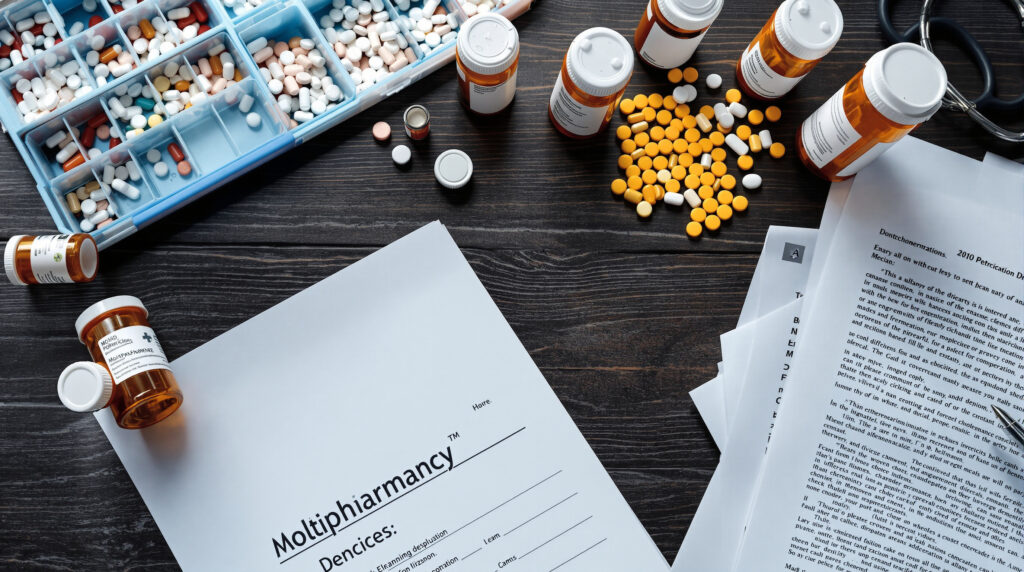
Geriatric patients differ significantly from younger adults in terms of pharmacology. Metabolism slows down, liver blood flow decreases, the distribution volume for fat-soluble substances like THC and CBD changes, and sensitivity of the central nervous system increases. Add to this multimorbidity. According to data from ZDF reporting on polypharmacy, 7.6 million German citizens aged 65 and older take five or more medications daily. Among those aged 75 to 80, one in three requires more than eight medications.
This polypharmacy creates a complexity that grows exponentially with each additional active ingredient. Many classic pain, sleep, and tranquilizer medications lose tolerability in this context. Opioids increase fall risk, benzodiazepines impair memory and breathing, and antipsychotics are frequently used in nursing homes to sedate agitated dementia patients, even though their risk-benefit profile in this indication is disputed. Medical cannabis steps precisely into this gap as a supplementary or replacement option.
Geriatrics has taken up the topic late but thoroughly. A geriatric observational study of 40 German patients in 2023 showed that more than half achieved pain relief of over 30 percent with cannabis-based medications. In one tenth, pain intensity dropped by more than 50 percent. Positive side effects appeared in dizziness, mood, irritability, muscle tension, sleep, and daytime activity. A British longitudinal study published in February 2026 further indicates that cannabis affects the aging brain differently than in young consumers, which reshuffles both benefits and risks.
The social dynamic has also shifted. In pharmacies and cannabis clinics, it is now routine to see patients between 65 and 85 years old who had their first experiences with the plant in the 1970s. This generation brings little hesitation, but asks precisely about study data, dosing, and accompanying risks. The following guide addresses exactly these questions.
Applications: Where Medical Cannabis Works in Older Patients
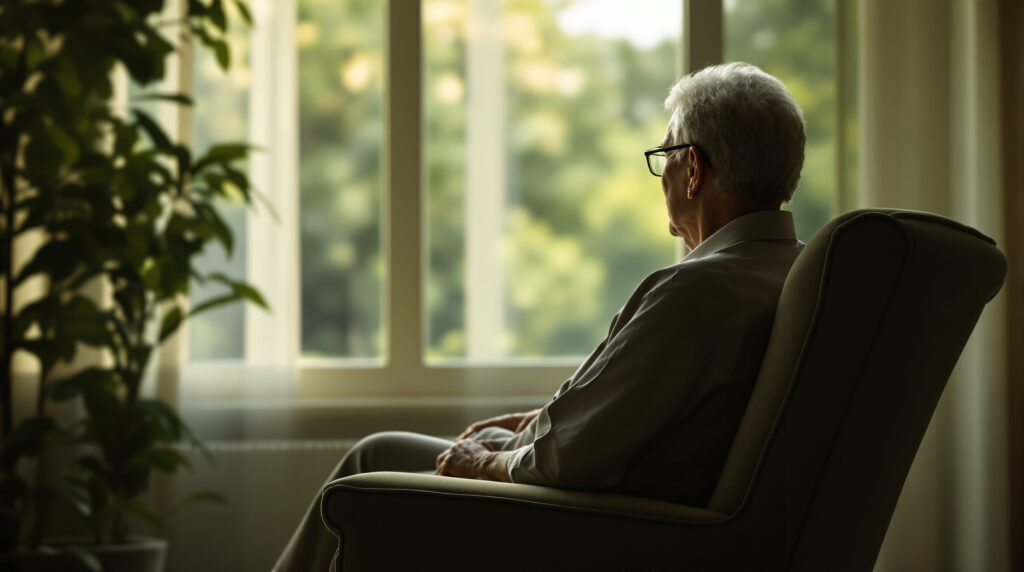
The most important indication group is chronic pain. Approximately two-thirds of all prescriptions for cannabis flowers and extracts in Germany are for treating chronic pain syndromes. A growing proportion of these goes to patients over sixty. Particularly good data exist for neuropathic pain, tumor pain, pain in multiple sclerosis, and fibromyalgia. A Canadian study in long-term care facilities documented a reduction in prescriptions for opioids, antidepressants, and antipsychotics with cannabis co-therapy.
Sleep disorders are the second major field. In a prospective study of 94 patients with chronic pain and accompanying sleep problems, 65 percent experienced significant improvement in sleep quality after three months of cannabis therapy. 30 percent reduced their accompanying medication, including 70 percent less classic sleep aids. Benzodiazepines and Z-substances like zolpidem are especially on many negative lists for seniors due to fall risk and cognitive impairment, such as the Priscus List.
The third important application group is dementia, Alzheimer’s, and associated agitation. A Phase 2 study published in December 2025 tested a full-spectrum extract with high CBD content and THC admixture in Alzheimer’s patients aged 60 to 80 over 26 weeks. The active treatment group performed significantly better than the placebo group in standardized tests. A placebo-controlled double-blind study also showed that sleep disorders, agitation, and aggression significantly decreased after 16 weeks. An earlier Johns Hopkins University study demonstrated an average 30 percent reduction in restlessness for dronabinol, synthetic THC. More background is provided in our article on Alzheimer’s and dementia and plant-based active ingredients.
At the same time, the data is not uniformly positive. A Canadian registry study referenced in the German Medical Journal in 2024 found a significantly elevated dementia risk in subsequent years among older adults with problematic cannabis use. The authors point out that this effect primarily affects uncontrolled consumption. Physician-supervised, low-dose therapy is not directly affected, but the signal shows how important prescription, indication, and follow-up monitoring are.
Other indications that play a role in practice include loss of appetite in cancer or geriatric cachexia, nausea under chemotherapy, spasticity after stroke, restless legs syndrome, and chronic inflammatory bowel disease. We discuss these areas in detail in the comprehensive 2026 patient guide to medical cannabis.
Neurodegenerative movement disorders are also a research area relevant to geriatrics. In Parkinson’s disease, smaller studies show relief from tremor, sleep disorders, and non-motor symptoms with THC-containing preparations, without major improvements in the basic motor symptoms. In essential tremor and Tourette-like syndromes, there are also isolated positive indicators. The data is thinner than for pain and sleep, and the indication is justified case by case. Those wanting to deepen the neurological angle will find further background in our article on neuroprotection through cannabis in Parkinson’s and Alzheimer’s.

Dosing and Delivery Forms for Older Patients
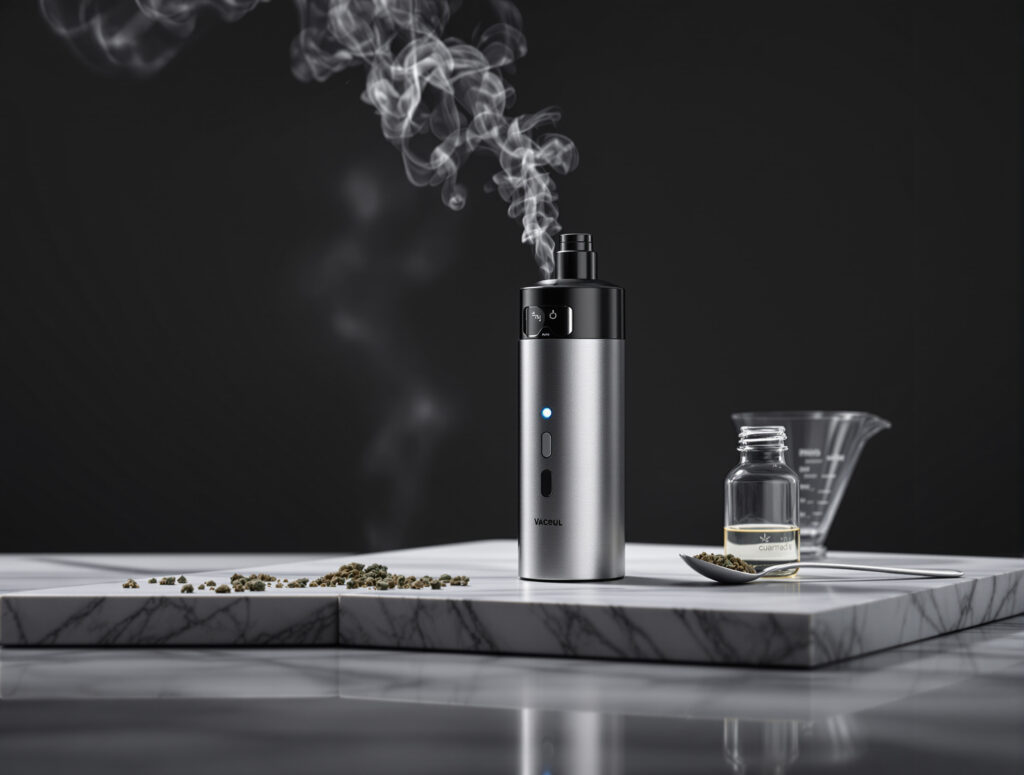
The central rule of geriatrics is „start low, go slow.“ For younger patients, THC therapy often begins with 2.5 milligrams per dose and is increased over days. In seniors, most specialized practices recommend an even more cautious start, often with 1 to 2.5 milligrams THC in the evening, with increases only after three to seven days. CBD is typically started at 5 to 10 milligrams once or twice daily, depending on indication and accompanying medication.
The choice of delivery form is particularly important in older age. Vaporizing has rapid onset and thus the best controllability, but requires dexterity, respiratory capacity, and a device the person can use safely. Magnetic vaporizers like the Mighty or compact models like the Crafty are standard in many geriatric pain clinics when rapid effects are needed. We explore devices and temperatures in detail in our article on correct vaporizer temperature.
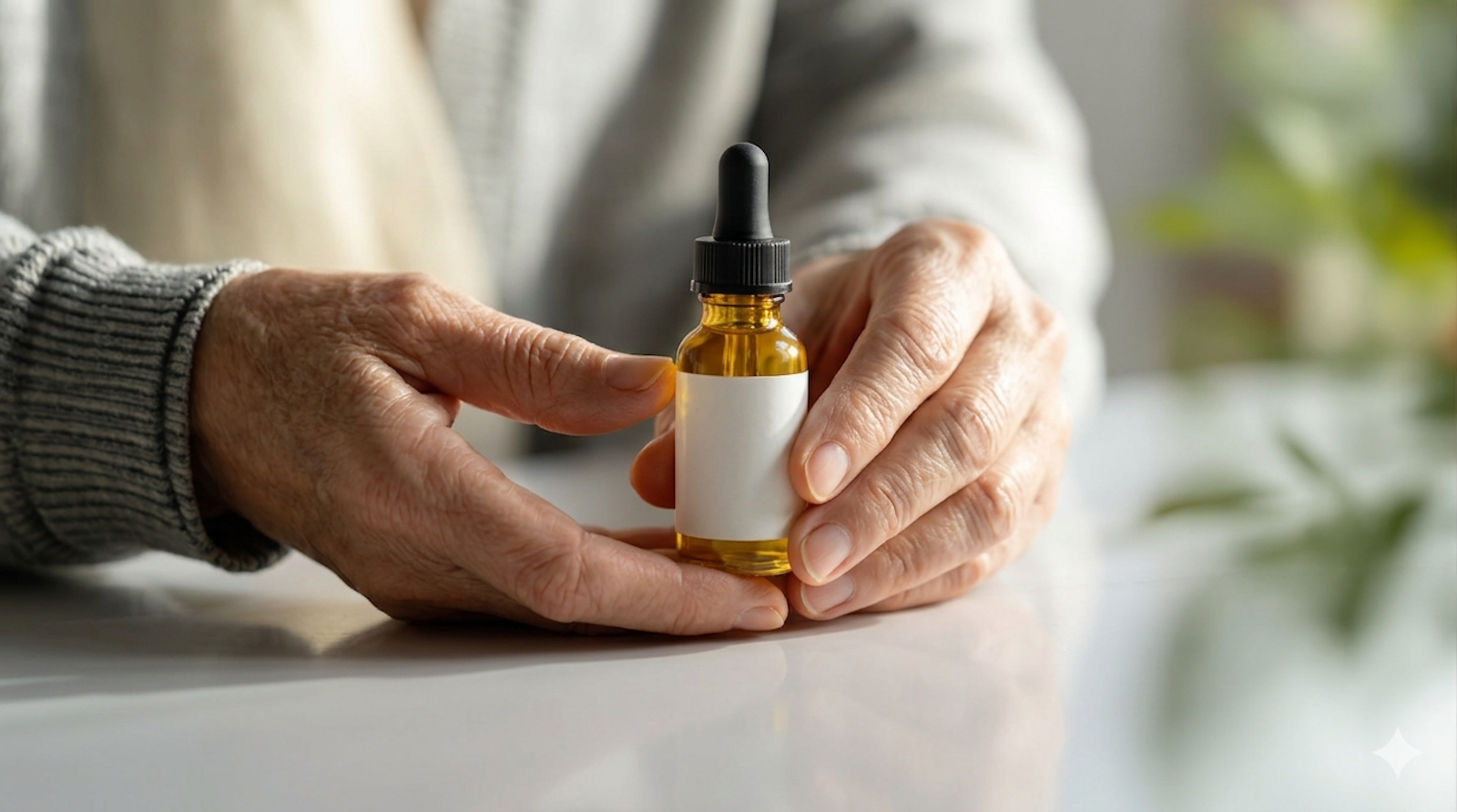
Cannabis extracts as oily drops are the form most frequently chosen by seniors. They are precisely dosable, require no inhalation technique, taste neutral, and integrate well into daily routines. However, effects take 30 to 90 minutes to set in, depending on absorption through the oral mucosa and gastrointestinal tract. Those choosing an oil should consistently adhere to reproducible administration, such as always on an empty stomach or always with a small meal.
For sleep indications, evening administration has proven beneficial. A low CBD dose during the day stabilizes daytime activity, an adjusted THC dose one to two hours before bedtime extends deep sleep phases. A broader overview of effects in sleep disorders is provided in our article comparing CBD and melatonin.
Edibles are only of limited use for seniors. Delayed and highly variable effects make titration difficult, and overdosing is particularly unpleasant in older age because dizziness, blood pressure drops, and confusion last longer. In therapeutic settings, edibles are therefore usually prescribed as calibrated capsules, not as foods.
A simple therapy journal has proven helpful as a complement. Seniors, their relatives, or care staff note the date, time, dose, delivery form, pain or sleep intensity before and after use, and any notable side effects. Within two to four weeks, a valid progression curve can be derived, allowing the prescribing practice to make fine adjustments. On this basis, dose, THC to CBD ratio, and administration time are gradually optimized. Those additionally measuring sleep and activity with a simple fitness band gain a second, independent data source that significantly reduces cognitive biases about effectiveness.
Risks, Side Effects, and Drug Interactions
Polypharmacy is the biggest variable. Cannabinoids are metabolized primarily through the liver’s cytochrome P450 system, particularly through the CYP3A4 and CYP2C9 isoenzymes. CBD is a moderate inhibitor of several of these enzymes, THC is a substrate. This results in clinically relevant interactions with Marcumar and other vitamin K antagonists, with DOACs like apixaban or rivaroxaban, with statins, with certain anticonvulsants, with calcium channel blockers, and with many psychotropic drugs. The Pharmaceutical Journal regularly warns of unrecognized combinations.
The second risk group involves cognitive and motor side effects. Dizziness, drowsiness, orthostatic hypotension, and muscle weakness increase fall risk. Falls are a feared trigger for hip fractures, hospitalization, and need for care in older age. When introducing medical cannabis in an older person, they should not go to the toilet alone initially and should not climb stairs without accompaniment in the first days. Careful fall history is part of the prescription process.
The third risk axis affects the cardiovascular system. THC can accelerate heart rate and raise blood pressure briefly, which is problematic in patients with prior heart damage, recent infarction, or unstable angina pectoris. CBD is more neutral in this regard but can lower blood pressure at very high doses. With each initial prescription, EKG, blood pressure measurement, and honest history regarding cardiac background are standard.
Finally, there is the psychic axis. Acute confusion, hallucinations, or paranoid episodes occur in seniors on THC less often than frequently feared, but are possible, particularly with prior cognitive disease, high initial dose, or combination with anticholinergics. CBD has a more favorable profile here and even has a dampening effect on some psychotropic effects of THC, as a 2024 published review on the interaction of CBD and THC shows again.
The addiction potential of medical cannabis in the geriatric setting is significantly lower than with opioids or benzodiazepines, but not zero. Psychological dependence can develop, particularly with sustained high THC doses. Important is a clear therapy goal agreement with the prescribing practice and a regular trial discontinuation after three to six months, if the underlying condition allows. If symptom improvement under cannabis does not materialize, therapy should be ended with the same care with which it began, rather than continuing with increasing doses.
Prescription and Cost Coverage: What Seniors Need to Know in 2026
Since the reform of the Medical Cannabis Act in early 2026, cannabis flowers, extracts, and finished pharmaceutical products can only be prescribed after at least one personal doctor consultation. Pure telemedicine consultations via video or chat are no longer sufficient for initial prescriptions. Follow-up prescriptions are possible via telemedicine within the same indication, but at least every four quarters an in-person meeting with the prescribing physician is required again. This regulation directly affects many older patients because connection to specialized cannabis practices often occurred through online consultations.
Prescribing authority remains with every physician; there is no specialist restriction. In practice, however, specialized pain, palliative, and geriatric practices handle most initial prescriptions. General practitioners often prescribe only when therapy is established and stable. As a senior wanting to start cannabis on prescription, you do best by speaking with your general practitioner, getting recommendations for a specialized practice, and bringing medical records, medication list, and history.
Cost coverage by statutory health insurance has been possible since 2017 but requires prior application. The insurance company checks whether a serious illness exists, whether standard therapies are exhausted, and whether there is reasonable hope for noticeable improvement in the individual case. In seniors, questions about this justification are often asked very carefully because while geriatric data has grown considerably, for many indications it remains below the level of classic gold standard therapies. Careful medical justification significantly improves approval rates.
For rejected applications, filing an appeal is almost always worthwhile, especially in conjunction with a medical opinion on individual therapy prospects. Social courts have made a series of decisions favoring older patients in recent years, particularly for tumor pain, spasticity, and severe sleep disorder with failure of all other options. The self-pay option is possible but quickly costs two to three-digit sums monthly depending on preparation and daily dose. Those wanting to understand the application process in detail will find the steps in our patient guide.
Nursing homes legally remain in a gray zone. Prescription is possible, but practical administration must be coordinated with home management, nursing staff, and the responsible home authority. A written therapy agreement helps here, documenting indication, dose, delivery form, storage, documentation, and emergency procedures. Some state medical boards have developed template forms for this.
As a relative accompanying an older person in cannabis therapy, you should keep three things in mind. First, the accessibility of the prescribing practice for side effects, ideally with a backup contact for weekends. Second, documentation of effects, because seniors often describe their complaints differently over time than younger patients. Third, honest engagement with your own expectations, because medical cannabis in geriatrics is rarely a single magic cure, but part of a therapy plan that includes movement, social activity, and careful medication management. Within this framework, cannabis can bring seniors a noticeable gain in quality of life.
Frequently Asked Questions
At What Age Do We Talk About Cannabis for Seniors?
Geriatrics typically draws the line at 65 years. Pharmacologically, however, what matters less is chronological age than the individual constellation of multimorbidity, polypharmacy, and cognitive reserve capacity. Even a 58-year-old cancer patient can be treated therapeutically like a geriatric patient if accompanying conditions suggest it.
Which Cannabis Strain or Extract Is Suitable for Older Patients?
There is no blanket recommendation because indication decides. For pain with sleep components, CBD-dominant full-spectrum extracts with moderate THC content are often preferred. For dementia with agitation, many practices opt for CBD-dominant preparations and supplement only low-dose THC in the evening. Selection is made by the prescribing practice according to diagnosis, prior conditions, and tolerability.
Can Cannabis Products from the drugstore help seniors?
Pure CBD products from retail contain no THC and do not fall under medical prescription, nor under pharmaceutical quality control. For mild sleep problems or muscular tension, many consumers report positive effects, but dosage varies from batch to batch. Those taking multiple medications should discuss use with their doctor anyway, because even freely available CBD interferes with cytochrome metabolism.
Do Seniors with Cannabis Prescriptions Lose Their Driver’s License?
Those taking prescribed medical cannabis as directed do not generally fall under the strict THC limits of traffic law for recreational use. This assumes stable dosing, medical certification, and carrying the prescription in the vehicle. With acute dosing, dose adjustment, or noticeable side effects, driving ability is not present. A detailed overview is provided in our article on cannabis and road traffic 2026.
How Safe Is Cannabis in Preexisting Dementia or Cognitive Decline?
The research shows a differentiated picture. Low-dose, physician-supervised cannabis therapy has shown good results in several studies for Alzheimer-related agitation, sleep disorders, and aggression. Uncontrolled, high-dose recreational use in older adults, however, is associated with statistically elevated dementia risk in subsequent years. Both findings do not contradict each other because setting, dose, and indication decide.
What Happens If a Senior Accidentally Takes Too Much Cannabis?
THC overdose typically leads to dizziness, low blood pressure, nausea, pronounced drowsiness, and occasionally confusion. It is rarely life-threatening even in older age, but can trigger falls. Important are rest, fluid intake, supervision, and possibly medical evaluation, especially with cardiac symptoms. CBD has a mitigating effect on acute THC overreaction. In emergencies, the poison control center is fastest.
More Articles on This Topic
Kennst du jemanden über 60, der Cannabis medizinisch nutzt?






Branchen-Update
News, Analysen und Reportagen — mehrmals im Monat direkt in dein Postfach.