German society is aging, and with it, attitudes toward cannabis as medicine are shifting. More and more people over sixty are now asking their doctors specifically about cannabis flowers, extracts, or finished pharmaceutical products. What was taboo just a few years ago has become part of the treatment repertoire in many geriatric practices today. A study published in May 2026 in JAMA Network Open by the University of Colorado Boulder confirms the trend with numbers: 57 percent of surveyed older adults cite sleep disorders as their primary reason for cannabis use, while 50 percent seek relief from chronic pain.
📑 Inhaltsverzeichnis
This article weighs the opportunities and risks soberly against each other. It explains which conditions in older age respond particularly well to cannabinoids, where the greatest dangers lie, and what those affected and their families should pay attention to during treatment. Anyone seeking a comprehensive overview of the topic will find additional background on disease patterns, research findings, and legal frameworks in the extensive cornerstone article on cannabis for seniors.
Why Cannabis Is Becoming Increasingly Important for Seniors
As people age, the probability of chronic pain, sleep problems, neurodegenerative diseases, and psychological stress increases. Classical medications such as opioids, benzodiazepines, or sleeping pills often work reliably, but they come with a significant side effect profile. Falls, constipation, dependence, and cognitive impairment are among the most common consequences of these long-term therapies.


Growing interest in cannabis is precisely aimed at addressing these issues. Research from recent years paints an increasingly clear picture. Cannabinoids can be effective for many typical age-related ailments without causing the serious side effects of classical medications. An analysis of 3,500 German cannabis patients from April 2026 showed that many affected individuals were able to reduce or completely discontinue their opioid doses. For many seniors, this means a gain in quality of life that goes far beyond mere symptom relief.
Additionally, the legal framework has changed. Since the Cannabis Act of April 1, 2024, cannabis is no longer a controlled substance, and prescriptions are issued on a normal prescription form. The barrier to openly discussing therapy options with one’s doctor has lowered significantly. Pharmacy supply has also stabilized, making continuous treatment reliably possible today.
The Most Important Areas of Application in Older Adults
Chronic pain stands far in the lead. Osteoarthritis, rheumatic complaints, back pain, and neuropathic pain often respond well to a combination of THC and CBD. The Israeli research group led by Lihi Bar-Lev Schleider documented in a six-month observational study that 93.7 percent of older participants reported improvement. The average pain intensity decreased from eight to four on a ten-point scale.
Sleep disorders are the second most important area of use. Even low doses of THC can shorten the time to fall asleep, while the cannabinoid CBN, which is produced during THC degradation in the plant, is attributed with a calming effect. For those wanting to delve deeper, there is a detailed practical guide on cannabis oil for sleep disorders. Patients who previously relied on benzodiazepines particularly benefit from the lower risk of dependence and milder hangover the next morning.
In dementia and Alzheimer’s disease, hope is focused less on a cure than on alleviating accompanying symptoms. An Israeli placebo-controlled double-blind study from 2023 showed significant improvements in restlessness, aggression, and sleep disorders after 16 weeks of treatment with a CBD-rich full-spectrum extract. Additionally, animal studies suggest a neuroprotective effect, to which a separate background article on neuroprotection through cannabis is dedicated.
Other areas of use include loss of appetite after surgery, nausea during chemotherapy, spasticity in multiple sclerosis, restless legs syndrome, and psychological accompanying symptoms such as depression or anxiety. The range demonstrates that cannabis is not a miracle cure, but rather a versatile tool in the hands of experienced practitioners.
Taking Risks and Side Effects Seriously
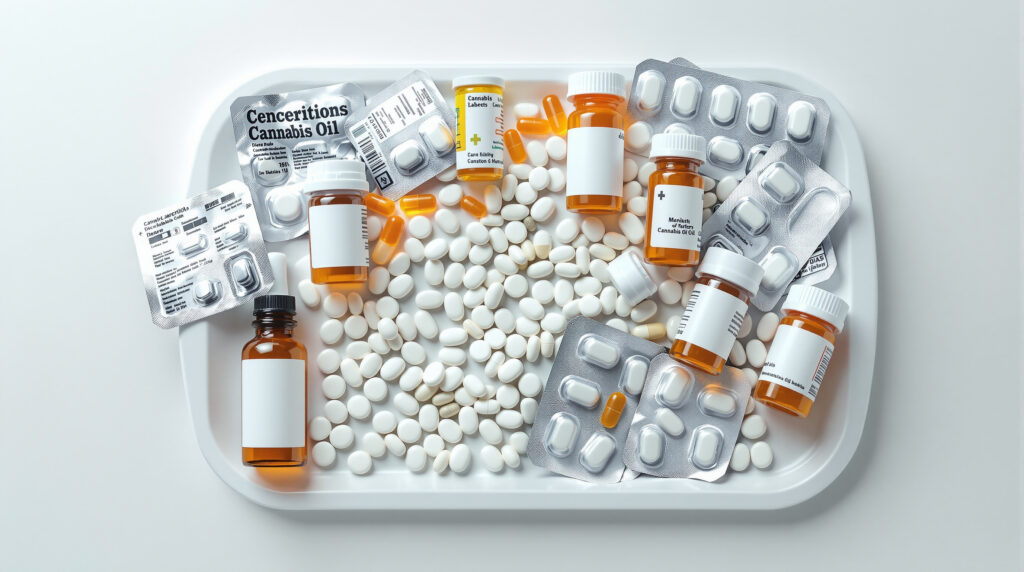
As promising as the data may be, a sober view of the risks remains essential. Cognitive effects are at the forefront. THC can trigger confusion, dizziness, and concentration disorders, and older adults are more sensitive than younger adults. This increases the risk of falls, and falls in advanced age often mark the beginning of dependency.
The choice of strain and application form is therefore crucial. CBD-dominant full-spectrum extracts cause approximately 16 percent side effects according to current research, while purely THC-containing preparations have around 36 percent. The discontinuation rate is three times lower with CBD-dominant products. For initiating treatment in seniors, therefore, much speaks in favor of a balanced strain selection with low THC content and significant CBD content.
The Underestimated Risk: Drug Interactions in Polypharmacy
The greatest underestimated risk is interactions with baseline medications. Many people over 65 take five or more medications daily, a condition geriatrics refers to as polypharmacy. Cannabinoids are metabolized via the cytochrome P450 system in the liver, primarily through the enzymes CYP3A4 and CYP2C9. CBD is a moderate inhibitor of these enzymes, and this has clinical consequences.
Specifically affected are vitamin K antagonists such as warfarin, direct oral anticoagulants such as apixaban or rivaroxaban, many statins, certain anticonvulsants, calcium channel blockers for high blood pressure, and numerous psychopharmaceuticals. Experimenting without medical supervision here risks life-threatening bleeding or severe heart rhythm disturbances. A systematic overview of typical drug interactions between cannabis and other medications is required reading before any therapy begins for the treating practice.
In addition, there are rarer but relevant risks. These include orthostatic dysregulation with dizziness upon standing, mild tachycardia during the adaptation phase, and in rare cases, exacerbation of pre-existing psychiatric conditions. Anyone with a known history of psychosis should avoid THC-containing preparations and attempt at most pure CBD products under medical supervision.
Dosage and Safe Use in Older Age
The most important principle in geriatrics is „start low, go slow,“ and it applies to cannabis very much so. A proven starting dose is 1 to 2.5 milligrams of THC in the evening, increased in steps of 1 milligram per week. CBD is typically started at 5 to 10 milligrams once or twice daily. Patient titration over several weeks is important because the individual effective dose range can vary considerably.
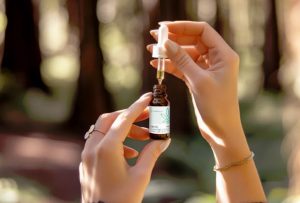
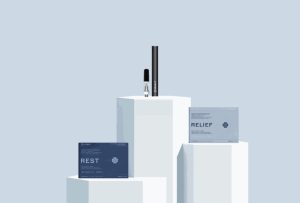
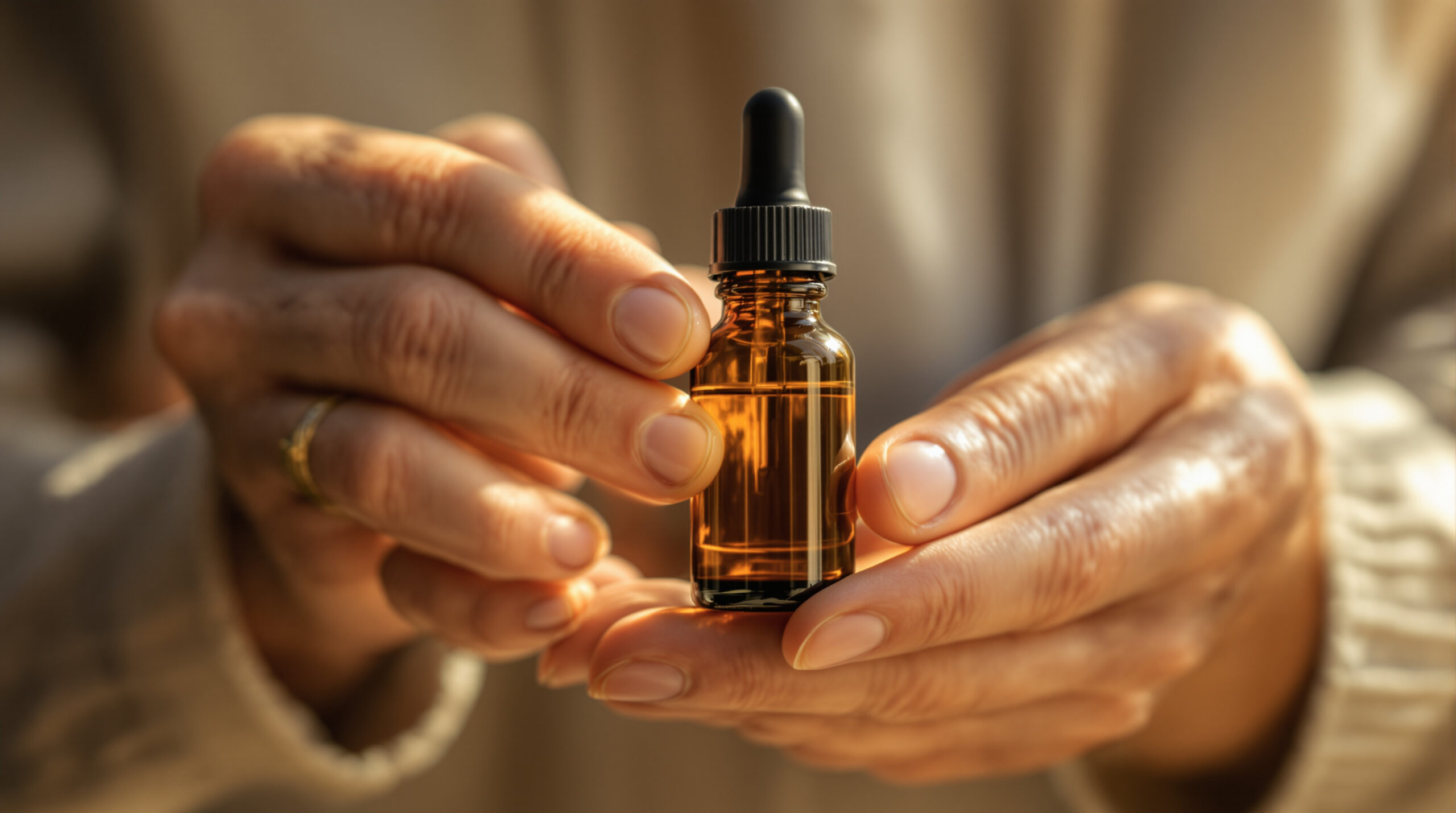
The application form has significant impact on efficacy and safety. Vaporizing flowers offers rapid onset within minutes, making it suitable for breakthrough pain or acute nausea. However, it requires some technical skill. Oils and extracts placed under the tongue work within 15 to 30 minutes and last several hours. This is usually the more practical solution for seniors.
Edibles—baked or cooked products containing cannabis—are less suitable for older beginners. The onset of effects can take between 30 and 90 minutes, the peak occurs even later, and overdosing happens particularly frequently in this window of uncertainty. Those who still wish to use food products should begin with no more than 2.5 milligrams of THC and wait at least two hours before any additional dose.
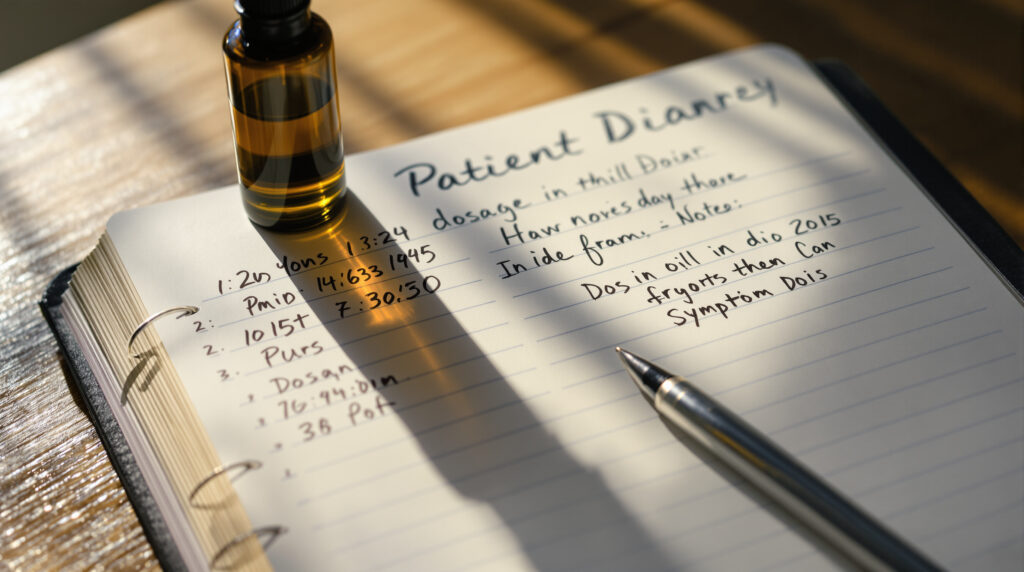
Continuous documentation of wellbeing, dose taken, and any side effects aids in fine-tuning. Many practices distribute patient notebooks in which symptom progression and side effects are recorded over several weeks. These data are invaluable when the doctor needs to adjust therapy.
The Path to a Prescription and the Role of Medical Support
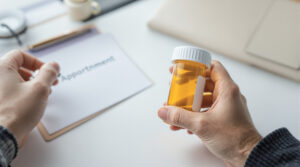
Since the Cannabis Act, any licensed physician can prescribe cannabis; special authorization is no longer required. In practice, however, willingness and experience vary widely. Those encountering skepticism in general practice often find more experienced contacts in specialized cannabis clinics or pain management units.
Cost coverage by statutory health insurance remains tied to an application and strict conditions. The prerequisite is typically a serious illness for which no other recognized therapy is available or cannot be applied in an individual case. Those paying privately must expect monthly costs between 150 and 500 euros, depending on strain, dose, and source.
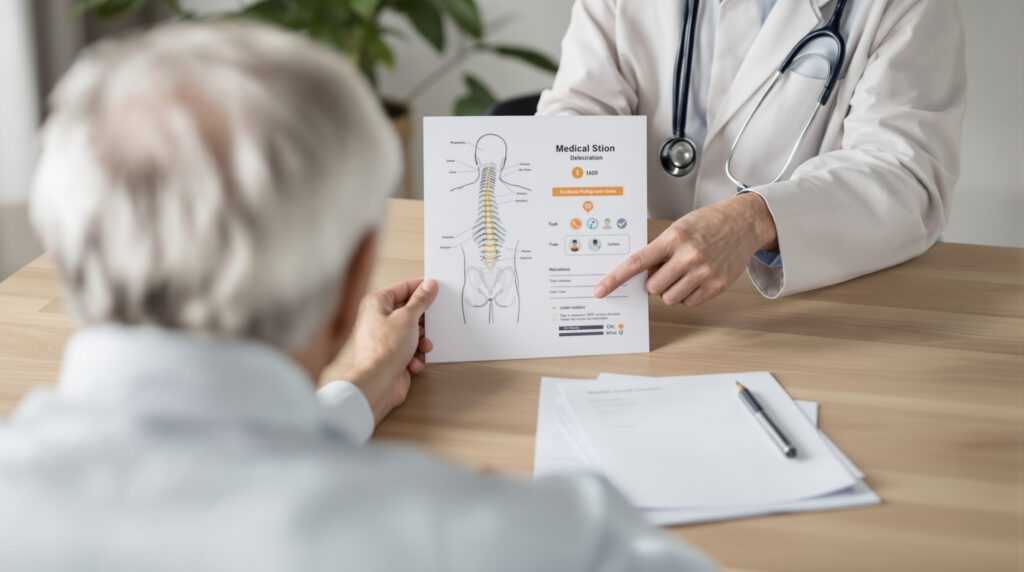
The quality of medical support is decisive for therapy success. A good practitioner takes time for a thorough medical history, clarifies the complete medication list with the patient’s regular pharmacy, and arranges close follow-up appointments, at least in the first weeks. Those not receiving this level of care should switch providers. The success of therapy depends entirely on communication between patient, primary care doctor, and treating cannabis practice.
Frequently Asked Questions
At what age is cannabis as medicine worthwhile?
There is no fixed age limit; the individual indication is decisive. For chronic pain or severe insomnia, cannabis can be an option from middle adulthood onward. In advanced age, potential benefit increases because side effects of classical medications grow disproportionately. A careful medical assessment in each individual case is always a prerequisite.
Does cannabis cause dependence in older adults?
The dependence potential of medically dosed cannabis is significantly lower than that of opioids or benzodiazepines. With controlled use at low doses and without psychosocial stress, clinically relevant dependence is rare. Those using cannabis as a replacement for long-term opioid therapy typically even significantly reduce their dependence risk.
Which medications do not interact well with cannabis?
Particular caution is warranted with blood thinners such as warfarin, apixaban, or rivaroxaban. Many statins, some anticonvulsants, and numerous psychopharmaceuticals can interact with cannabinoids. The treating physician must know the complete medication list before therapy begins. The patient’s regular pharmacy should additionally check for interactions.
Which application form is best suited for seniors?
Oils and extracts administered as drops under the tongue are the most practical choice for most older patients. They allow precise dosing, work reliably, and require no technical equipment. Those needing rapid relief, such as during acute pain episodes, can additionally use a vaporizer. Edibles are not recommended for beginners.
Does health insurance cover cannabis costs for seniors?
Statutory health insurance covers costs if a serious illness exists and alternative therapies do not work or are not feasible. The treating physician submits the application, and the medical service reviews the indication. Approximately two-thirds of all applications are approved. Those with private insurance should clarify their policy terms in advance.
Kannst du dir Cannabis als Therapie im Alter vorstellen?
Correction notice (June 2, 2026): In an earlier version of this article, CBN was described as an „endogenous“ cannabinoid. This is incorrect: CBN is a phytocannabinoid produced in the cannabis plant during THC degradation. Endocannabinoids such as anandamide and 2-AG are body-produced exclusively. We have corrected this passage and thank the attentive reader for the notification.





Branchen-Update
News, Analysen und Reportagen — mehrmals im Monat direkt in dein Postfach.