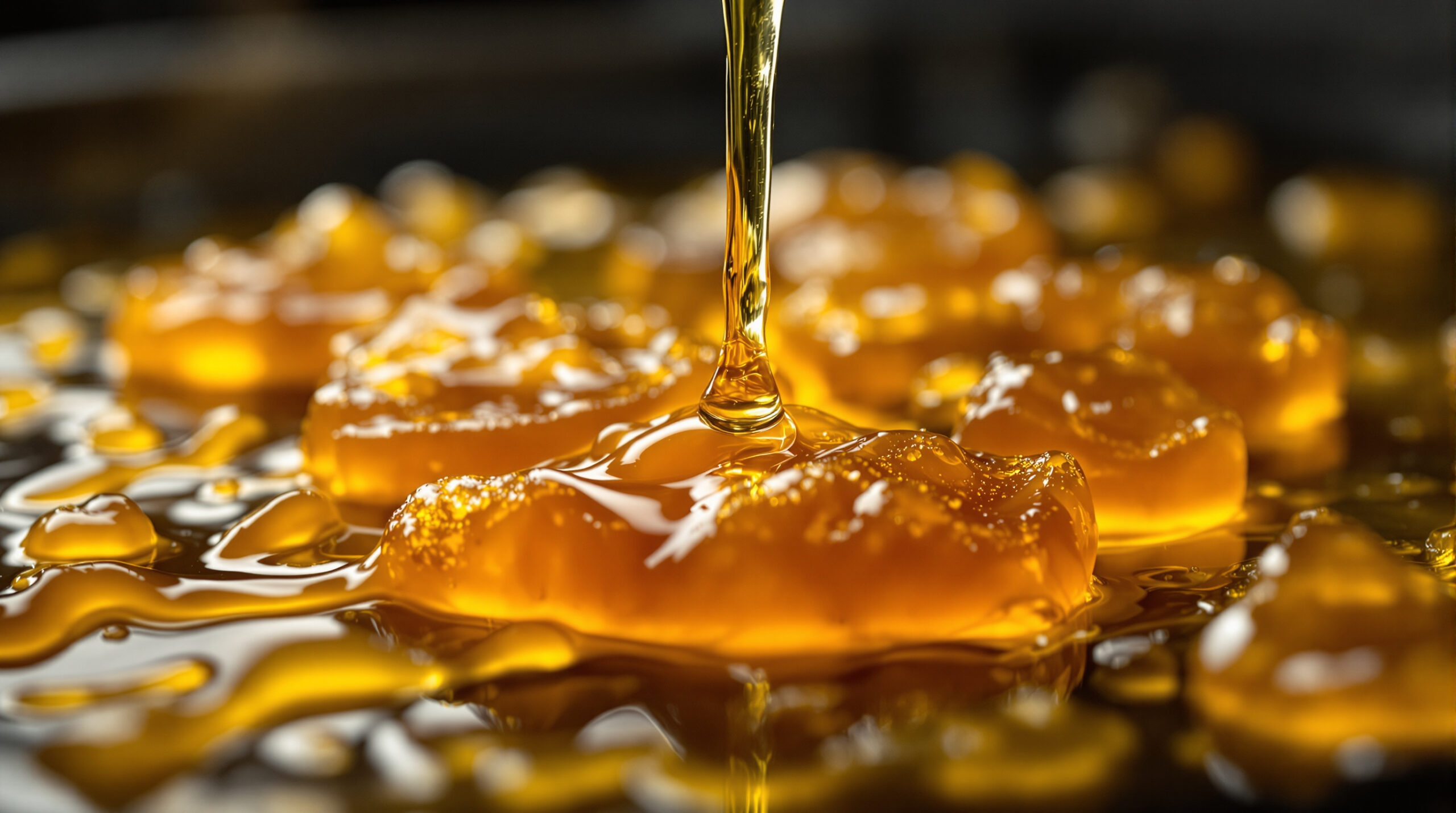
Wer sich mit Konzentraten beschäftigt, stößt schnell auf ein Begriffsdickicht aus CO₂, BHO, Rosin, Live Resin und Wachs. Hinter all diesen Namen steht dieselbe Grundidee: Aus der Cannabisblüte sollen die wertvollen Wirkstoffe herausgelöst werden, während Pflanzenfasern, Chlorophyll und Wasser zurückbleiben. Dieser Beitrag erklärt die Cannabis-Extraktion von Grund auf, ordnet die wichtigsten Verfahren ein und zeigt, worin sich industrielle Anlagen und die kleine Presse in der heimischen Küche unterscheiden.
📑 Inhaltsverzeichnis
- What Actually Happens During Cannabis Extraction
- CO₂ Extraction: The Industrial Gold Standard
- BHO and Solvent-Based Methods
- Rosin and Solvent-Free Extraction
- Purity, Safety, and Proper Post-Processing
- From Shatter to Wax: The Most Important Concentrate Types
- Which Method for Which Purpose
- Frequently Asked Questions
- 💬 Fragen? Frag den Hanf-Buddy!
What Actually Happens During Cannabis Extraction
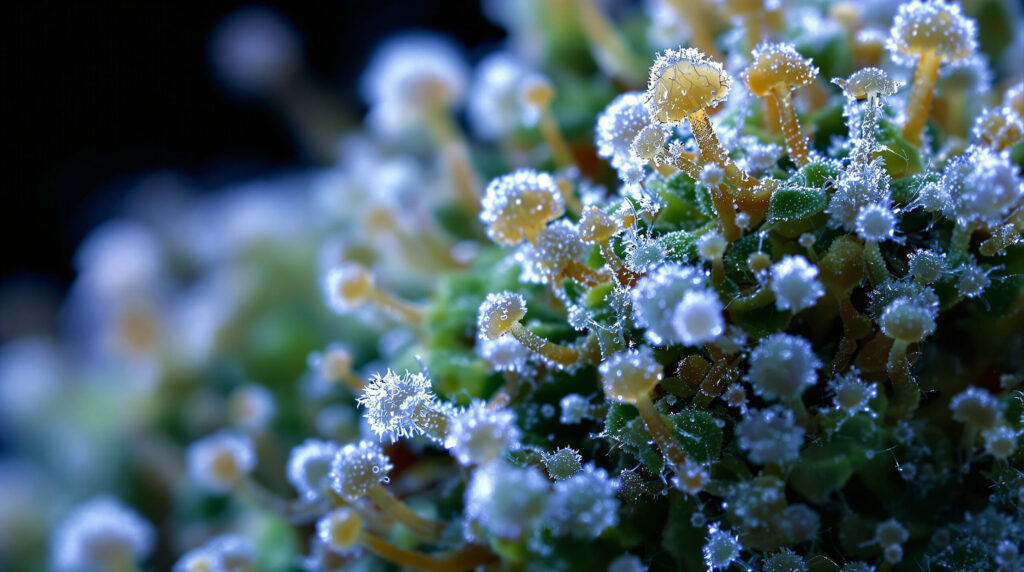
Cannabinoids like THC and CBD, along with aromatic terpenes, are found almost exclusively in trichomes. These are the tiny, resinous glands on flowers and leaves. Every extraction is about separating these resin components from the rest of the plant. Some methods dissolve the compounds using a chemical solvent. Others rely exclusively on physical forces like heat, pressure, or cold water.
This distinction creates the first major divide in the industry. On one side are solvent-based methods, which include CO₂, butane, and ethanol. On the other side are solvent-free or mechanical methods like rosin and cold water extraction. Both approaches pursue the same goal but differ significantly in technique, yield, purity, and safety. Our article on CBD extraction and its common methods provides a broader overview of the standard approaches.


CO₂ Extraction: The Industrial Gold Standard
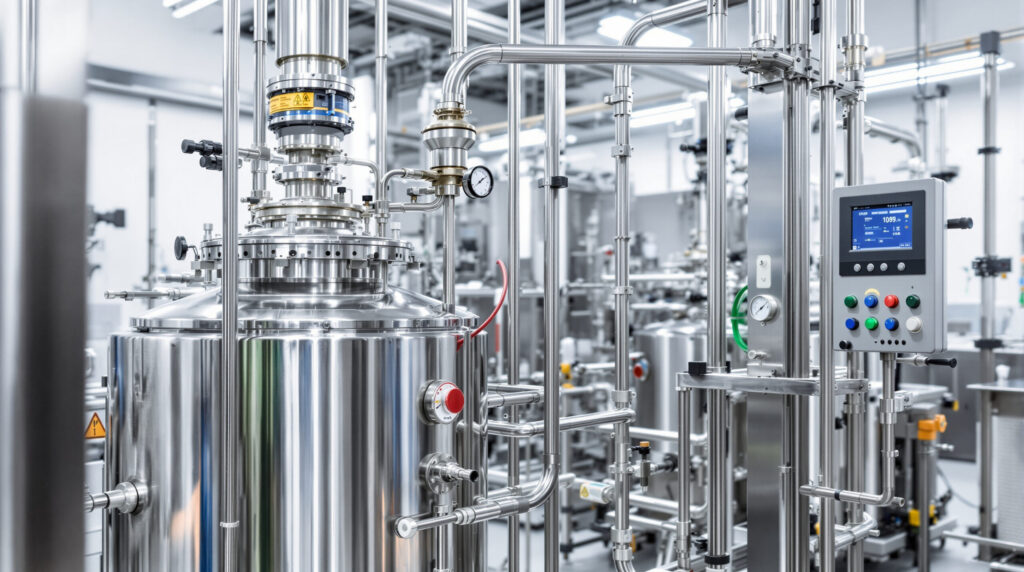
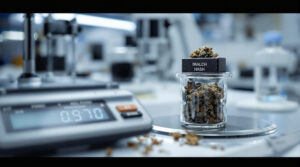
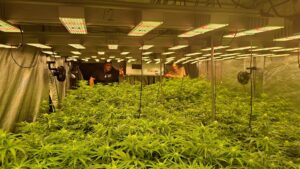
CO₂ extraction is considered the benchmark in professional production. More precisely, it is usually supercritical carbon dioxide extraction. Carbon dioxide is brought into a state between liquid and gaseous under high pressure and controlled temperature. In this supercritical state, the CO₂ acts as a solvent and pulls cannabinoids and terpenes from the plant material.
The major advantage is residue-free extraction. Once the pressure is released, the carbon dioxide evaporates completely and leaves no toxic traces in the final product. This makes the method particularly attractive for medical preparations and reputable CBD products. By controlling pressure and temperature, specific compound groups can be targeted, allowing fine-tuning of the extract’s profile. Our technical article on extraction with supercritical carbon dioxide goes into greater depth on the technical background.
This precision comes at a price. A supercritical system can easily cost tens of thousands of euros and requires trained personnel. The procedure is thus unsuitable for home use. Additionally, the aroma profile of some CO₂ extracts is considered less intense than that of butane extracts because delicate terpenes are partially lost in the process.
BHO and Solvent-Based Methods
BHO stands for Butane Hash Oil and refers to a concentrate obtained using butane as a solvent. The liquid gas flows through a column of plant material, dissolving the resin components. Subsequently, the butane must be completely removed from the extract in a laborious step. Depending on the consistency, this produces products like shatter, wax, or budder, which can reach THC contents of 80 to 90 percent.
BHO is particularly valued for its potent aroma, because butane also carries fine terpenes well. This stands against a considerable risk. Butane is highly flammable, and open processing can create an explosive gas mixture. For this reason, production belongs in a professional, well-ventilated environment with closed systems, not in the home kitchen. Our article on BHO extraction details the mistakes that have occurred in the past.
Besides butane, ethanol is also frequently used. Ethanol extraction works cold or warm depending on temperature and is easily scalable, which is why it is common in industrial CBD production. Its disadvantage is that ethanol pulls not only cannabinoids but also chlorophyll, fats, and waxes from the plant. Without post-processing, the result is often greenish and bitter.
Rosin and Solvent-Free Extraction
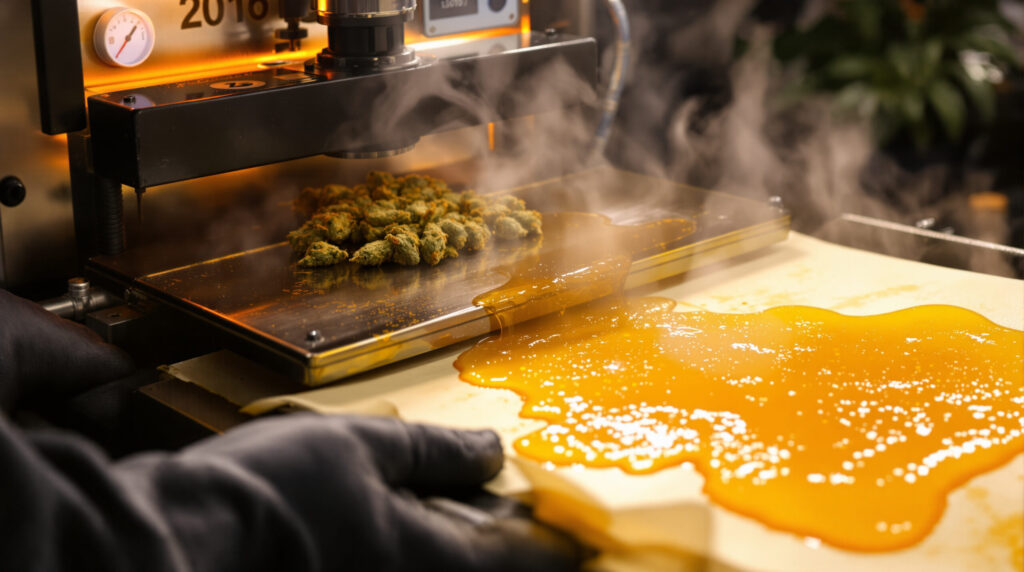
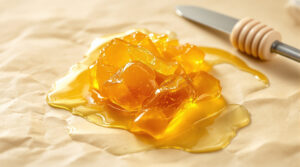
Rosin takes a fundamentally different approach. Instead of dissolving compounds with a solvent, the process presses resin from the flower using only heat and pressure. A heated press compresses the material between two plates, and the escaping resin is collected on parchment paper. In practice, temperatures usually range between 60 and 105 degrees, with pressure at several hundred to around one thousand PSI. The pressing process takes only about 30 seconds to two minutes.
The decisive advantage is safety. Because no flammable gas is involved, rosin is the only high-quality method truly suitable for home use. At the same time, the natural ratio of cannabinoids and terpenes is largely preserved since no chemicals are involved. For mass production, however, mechanical pressing is too slow and too material-intensive.
A particularly sought-after variant is Live Rosin. For this, the starting material is first processed into high-quality bubble hash and only then pressed, ideally at around 90 degrees. Bubble hash itself is created through cold water extraction, where trichomes are separated from the plant in ice-cold water and divided over screens. Our article on cold water extraction of cannabis demonstrates how gently this principle works.
Purity, Safety, and Proper Post-Processing
Whether an extract is clean depends not only on the method but also on post-processing. Solvent-based methods require careful steps to remove any residual gas or alcohol. If this is not done completely, health-concerning residues remain. Reputable manufacturers therefore document with laboratory analyses that their products are free of solvent residues.
A central purification step is winterization. The crude extract is dissolved in ethanol and cooled significantly. Fats and waxes precipitate in the cold and can be filtered out, leaving a clearer and more flavorful concentrate. This effort is largely unnecessary with rosin because no unwanted accompanying substances or solvents enter the product in the first place. That is precisely why solvent-free extracts have such a good reputation among connoisseurs.
From Shatter to Wax: The Most Important Concentrate Types
The chosen method determines not only the purity but also the consistency of the final product. Behind the many trade names are mainly different textures created through temperature, residual moisture, and post-processing. Shatter is glassy and hard, transparent because it solidifies gently without stirring. Wax, on the other hand, appears soft and waxy because the concentrate is moved during drying, changing its structure.
Budder goes in the same direction but is even creamier and easily spreadable. Crumble is drier and crumbly, while Live Resin and Live Rosin are known for their particularly intense aroma. The term „Live“ means that freshly frozen plant material was processed to preserve as many volatile terpenes as possible. The choice of texture is ultimately a matter of personal preference and intended use.
These concentrates are usually consumed through dabbing or specialized vaporizers because the high active compound levels require very precise dosing. Even small amounts produce significantly stronger effects than dried flowers. Anyone switching from flowers to concentrates should therefore approach the dose cautiously and rely on tested products with clear laboratory analysis.
Which Method for Which Purpose
There is no universally best method because each procedure is optimized for a different goal. Those needing residue-free extracts on a large scale with consistent quality, such as for medical preparations, are best served by CO₂ extraction. Those seeking maximum yield and potent aroma with access to a professional facility should use BHO. Those wanting a solvent-free product made by hand without major risk should press rosin.
Development does not stop there. Researchers are continuously working on gentler and more efficient approaches, from ultrasound-assisted methods to enzymatic techniques. Our article on new cannabinoid extraction methods offers a preview of this direction. For consumers, ultimately one point matters most: a clean, analyzed product without dangerous residues, regardless of which method is behind it.
Frequently Asked Questions
What is the difference between CO₂, BHO, and rosin extraction?
CO₂ extraction uses supercritical carbon dioxide as a solvent and operates residue-free but is expensive and industrial. BHO uses butane and delivers a very aromatic concentrate but carries high fire risk. Rosin forgoes solvents entirely and presses resin out using only heat and pressure, making it safe and suitable for home use.
Which extraction method is safest for home use?
For home use, the rosin method is by far the safest choice. Since no flammable gas is used, the explosion risk that makes BHO production so dangerous is eliminated. A simple rosin press and some parchment paper are all that’s needed for initial attempts.
Why is CO₂ extraction considered particularly pure?
After the process, the carbon dioxide evaporates completely and leaves no toxic traces in the extract. Unlike butane or ethanol, no solvent residues remain that must be painstakingly removed. This is why CO₂ extraction is preferred for medical and high-quality CBD products.
What does winterization mean for cannabis extracts?
Winterization is a purification step where the crude extract is dissolved in ethanol and chilled significantly. Fats and waxes precipitate in the cold and can be filtered out. The result is a clearer and more flavorful concentrate.
What is Live Rosin and how is it made?
Hast du schon einmal Cannabis-Konzentrate selbst hergestellt?
Live Rosin is a particularly aromatic variant of solvent-free rosin. The starting material is first processed into high-quality bubble hash from cold water extraction and subsequently pressed at around 90 degrees. This preserves a particularly rich terpene profile.






Branchen-Update
News, Analysen und Reportagen — mehrmals im Monat direkt in dein Postfach.
Folge uns