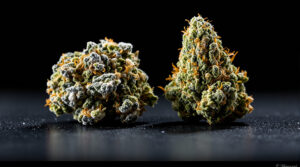
What Are Landrace Strains?
A landrace is a cannabis strain that adapted to a specific habitat without human crossing. Over many generations, only natural selection was at work. Plants that survived the local climate, altitude, and pests passed on their genes. Over centuries, this created a stable, region-specific genetics. The term originated in agriculture and describes any crop plant that became native to a particular area.
📑 Inhaltsverzeichnis
- What Are Landrace Strains?
- The Most Famous Landraces and Their Origins
- Indica, Sativa, and the Geography of Landraces
- Why Landraces Are the Foundation of Modern Hybrids
- Growing Landrace Strains at Home
- Endangered Diversity: Why Pure Landrace Strains Are Becoming Rare
- Frequently Asked Questions
- 💬 Fragen? Frag den Hanf-Buddy!
In contrast, modern hybrids result from intentional crosses in the grow room. They combine traits from different parents—high yield with short flowering time, for example. Landrace strains, however, are genetically quite homogeneous and often respond uniformly to their native conditions. How this purity concretely affects cannabinoids and terpenes is explored in detail in our comparison of breeding versus landrace.
The Most Famous Landraces and Their Origins
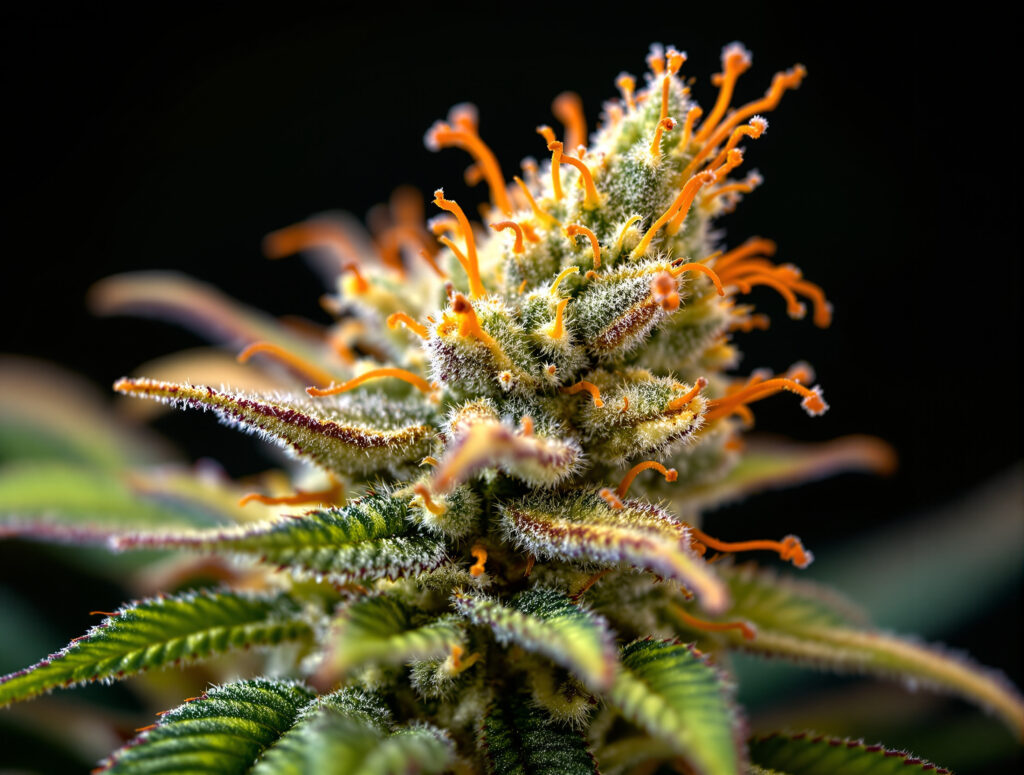
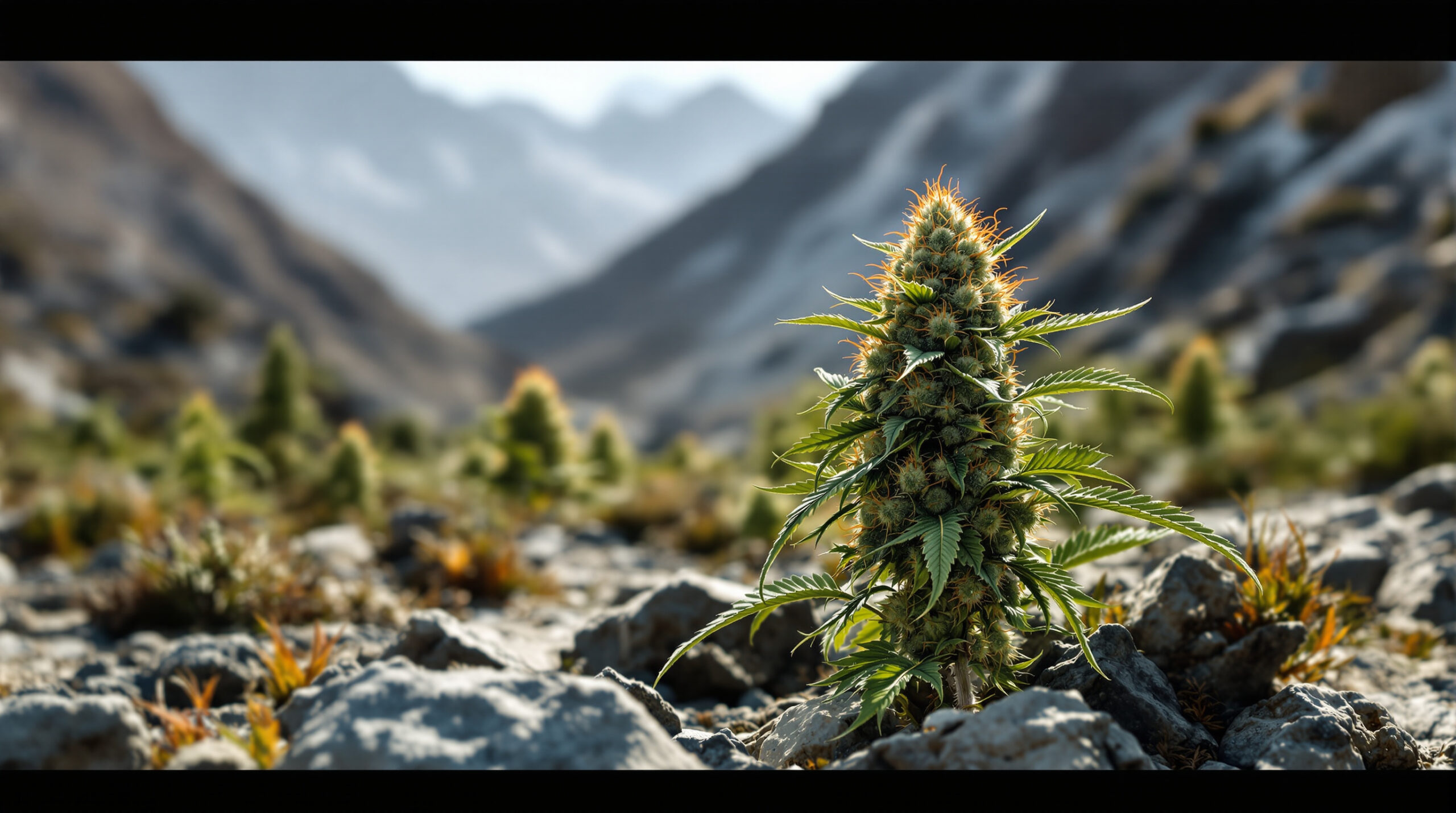
The most famous landrace is arguably Hindu Kush. It originates from the mountain range of the same name, which stretches through Afghanistan, Pakistan, and Tajikistan. In this harsh, high-altitude environment, plants developed a compact growth pattern and thick resin layer as protection against cold and sun. This pure Indica is considered the mother strain of countless relaxing varieties. Closely related is Afghani, which passed its potent resin production to modern genetics.


African landraces present quite a different picture. Durban Poison, from the South African port city of Durban, is a pure Sativa with clear, energetic effects and a sweetly spicy aroma. Malawi Gold thrives in the highlands of Malawi, producing tall plants with golden flowers and a long, cerebral high. Both represent the typical African Sativa lineage, still regarded today as particularly uplifting.
The American continent also shaped its own strains. Acapulco Gold developed in the mountains of Guerrero, Mexico, and owes its name to the golden shimmer of ripe flowers. Colombian Gold grows on the misty slopes of the Sierra Nevada de Santa Marta on Colombia’s Caribbean coast. Southeast Asia contributed Thai, which gained worldwide recognition in the 1970s as Thai Stick. Each strain tells the story of its homeland.
Indica, Sativa, and the Geography of Landraces
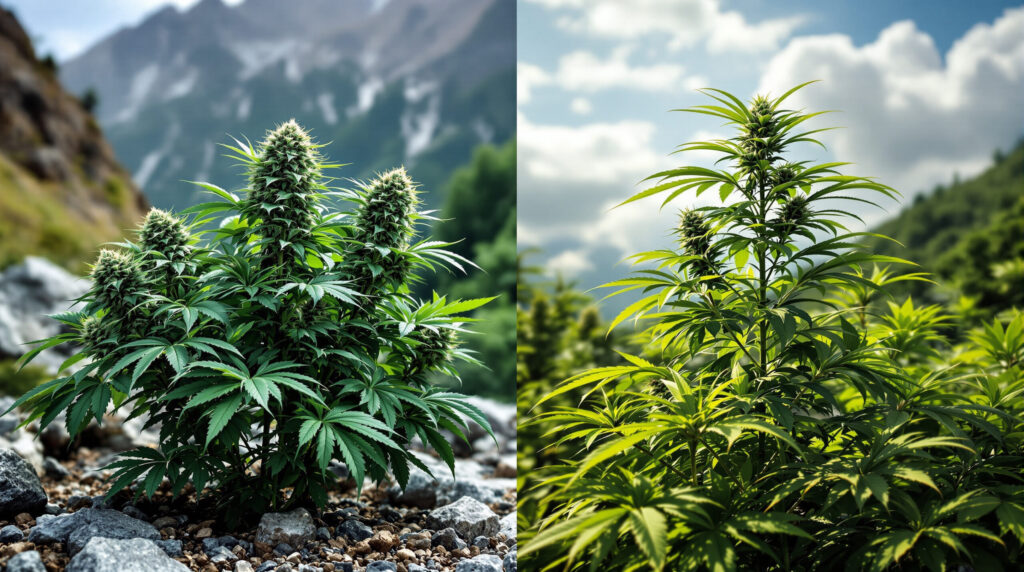
Geographic origin explains much of the difference between strains. In the cool, high-altitude regions around Afghanistan, compact, fast-flowering Indicas became established. They had to make the most of the short summer and developed dense, resinous flowers. In the tropical latitudes of Southeast Asia, Africa, and Central America, plants had plenty of time. There, tall, slender Sativas thrived with long flowering periods and energizing effects.
This division is the origin of the Indica versus Sativa classification still used today. However, the distinction is no longer as clear-cut as it sounds. Through countless crosses, most modern strains are now hybrids. Why these classic categories are only partially relevant in 2026 is discussed in detail in our article on Indica, Sativa, and Hybrid.
Why Landraces Are the Foundation of Modern Hybrids
Practically every strain in today’s seed catalog can be traced back to landraces. When breeders began systematically crossing cannabis in the 1970s and 1980s, they drew on these pure lines. They combined the resin power of Afghani with the energy of Durban Poison or the exotic terpene profile of Thai strains. This created the first stable hybrids like Skunk or Northern Lights, which in turn became parents for further crosses.
The advantage of landraces lies in their genetic stability. Crossing a pure line produces predictable results in the first filial generation. The mechanics of this inheritance are explained in detail in our article on F1, F2, and BX in cannabis genetics. Without the stable genetics of landraces, modern high-performance strains would be unthinkable. They continue to provide the building blocks from which new flavor and effect profiles emerge.
Growing Landrace Strains at Home
Growing landraces yourself ventures into challenging territory. Many tropical Sativas require very long flowering periods of twelve weeks or more. In Central European outdoor cultivation, they often don’t mature in time by autumn. Moreover, they grow very tall and quickly exceed space in a tent. Indica landraces from mountain regions tolerate cooler climates better and remain more compact.
Indoor growing allows precise control of light, temperature, and flowering time, making pure landraces more manageable. Nonetheless, their appeal remains primarily genetic. Many experienced growers appreciate landraces as unaltered starting material for their own crosses. Our guide to cannabis genetics for home growing will help you determine which genetics fit your goals.
Endangered Diversity: Why Pure Landrace Strains Are Becoming Rare
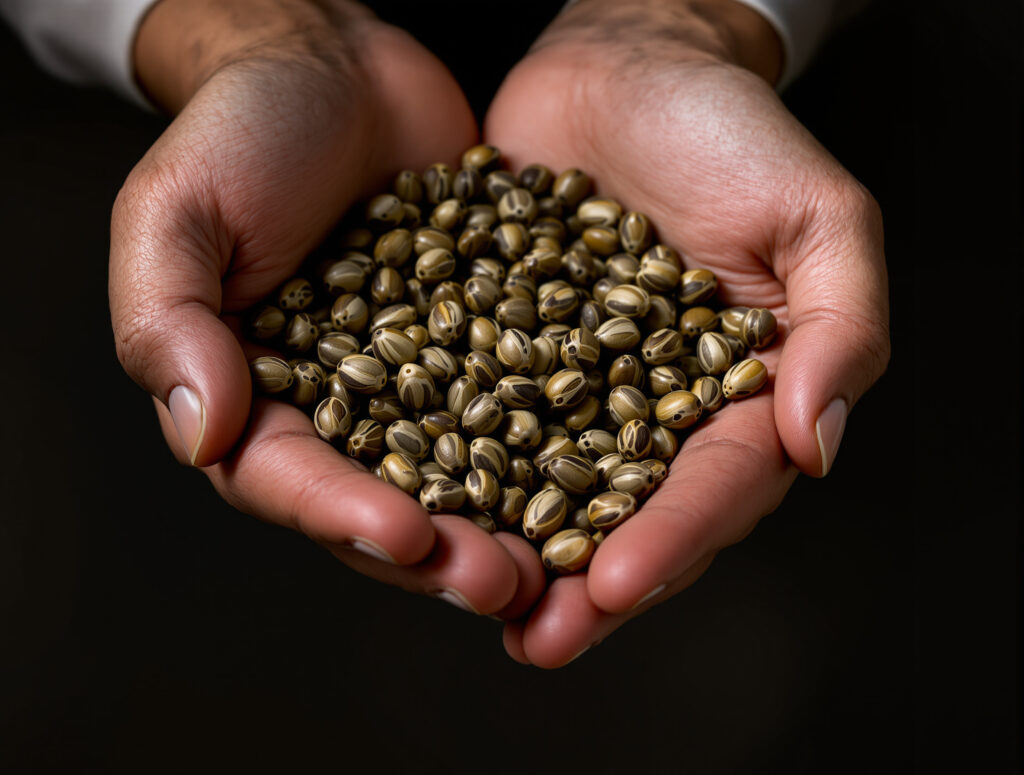
As valuable as landraces are, so rare are they becoming. Decades of hybridization have diluted many original lines. In their native regions, farmers crossed in imported high-yield varieties because they promised greater yields or shorter flowering times. Pure, unaltered genetics are now barely found in nature. Many strains sold as landraces today are actually re-creations or only slightly hybridized versions.
This is precisely why seed banks, researchers, and local communities are working to collect and document original landraces. They store seeds and preserve the genetic pool for future breeding. Awareness of these old strains‘ value and associated cultural knowledge is growing, especially in Africa. Those seeking genuine landrace seeds should be especially critical of their source. Our criteria for a good seed bank summarize what matters when buying.
Frequently Asked Questions
What is a landrace strain?
A landrace strain is a cannabis variety that adapted to a specific region over centuries without human crossing. Its genetics are pure and stable. It forms the foundation of almost all modern hybrids.
Which landraces are best known?
The most famous landraces include Hindu Kush and Afghani from Central Asia, as well as Durban Poison and Malawi Gold from Africa. From the Americas come Acapulco Gold and Colombian Gold. Southeast Asia contributed the classic Thai strain.
Are landrace strains stronger than modern hybrids?
Not necessarily. Many modern hybrids contain significantly more THC than classic landraces today. The special appeal of landraces lies rather in their authentic aroma and characteristic, often very clear effects.
Can you grow landraces in Europe?
Basically yes, though with limitations. Many landraces come from tropical regions with long flowering periods and tolerate Central European outdoor climates poorly. Indoor growing offers better control.
Why have pure landraces become so rare?
Hast du schon einmal eine reine Landrace-Sorte angebaut oder konsumiert?
Decades of crossing have diluted many original lines. In countries of origin, higher-yielding varieties were crossed in, causing pure genetics to nearly disappear. Today, seed banks work to preserve the remaining landraces.







Branchen-Update
News, Analysen und Reportagen — mehrmals im Monat direkt in dein Postfach.
Folge uns