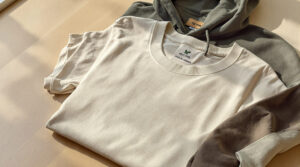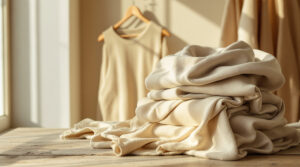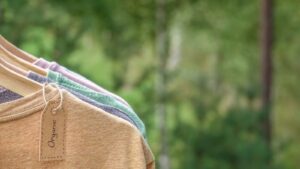
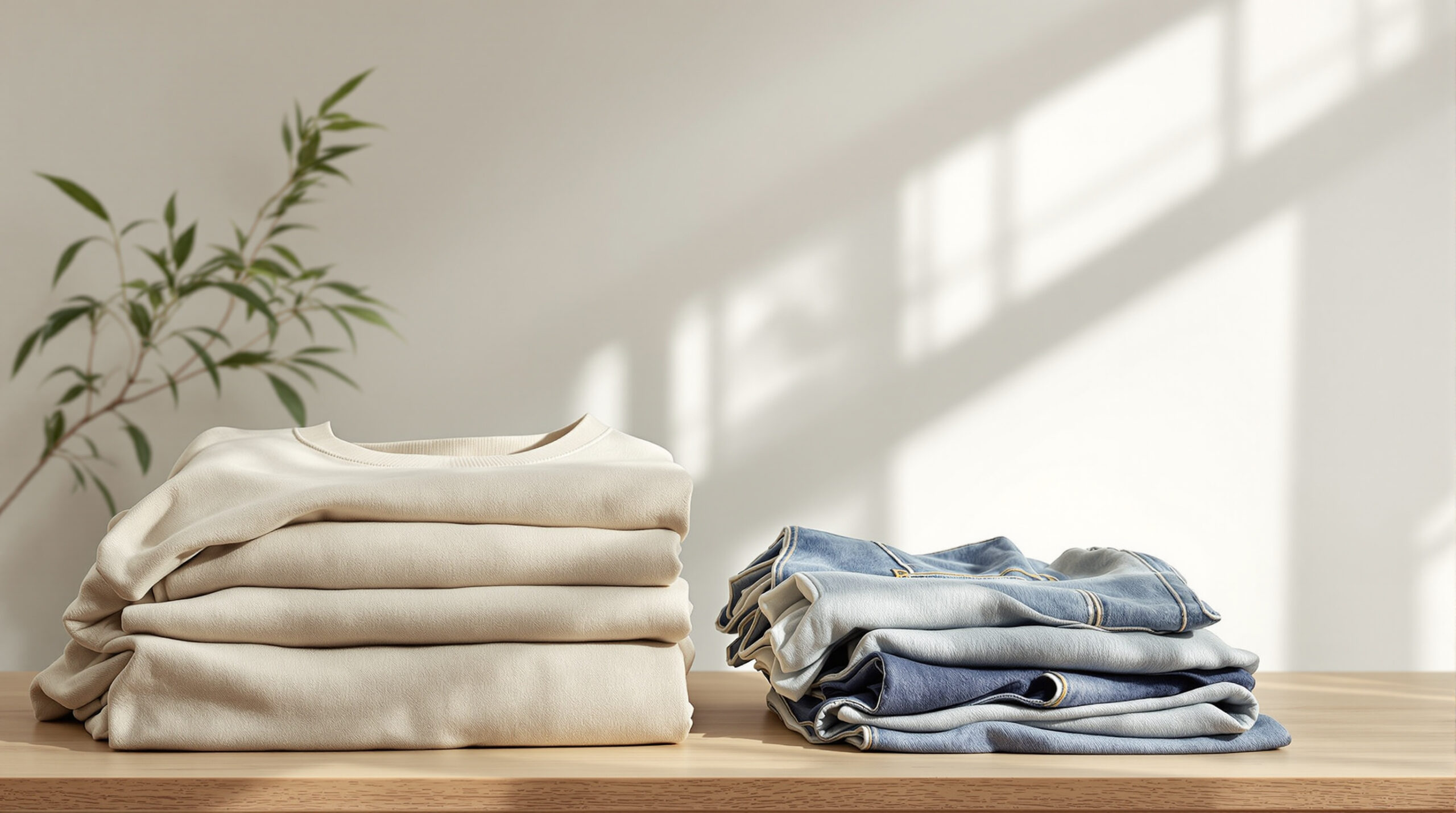
Hemp is considered the most durable natural fiber in the wardrobe, and it’s precisely this durability that leads to a common mistake. Those who confuse robust with insensitive wash hemp fabrics like work clothes—hot water, full detergent, and high spin speeds. The result is shrunken pants, dull colors, and a feel that resembles burlap more than the soft fabric hemp actually becomes over the years. The fiber is strong, but it reacts sensitively to heat, bleach, and mechanical friction. Those who know the few rules can wear a hemp shirt longer than almost any cotton piece in their closet.
📑 Inhaltsverzeichnis
- Why hemp fabrics need different care than cotton
- Washing hemp clothing: temperature, detergent, and spin speed
- Understanding shrinkage and planning for it from the start
- Drying and ironing without fiber damage
- Stains, odors, and the art of not washing
- Blends and home textiles: when other rules apply
- Durability: what hemp fabrics deliver over decades
- Frequently asked questions
- 💬 Fragen? Frag den Hanf-Buddy!
Why hemp fabrics need different care than cotton
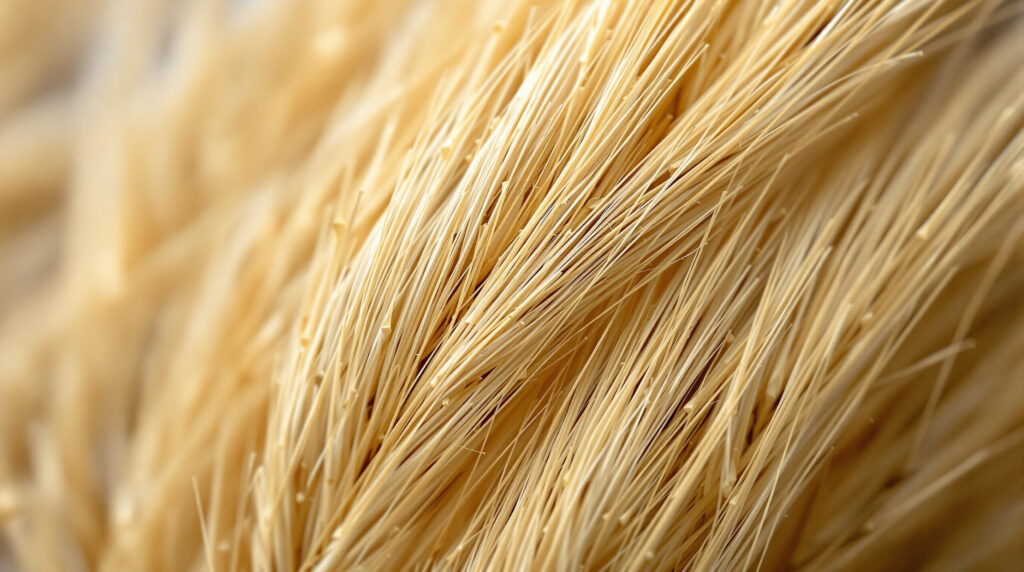
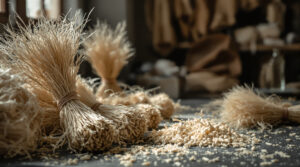
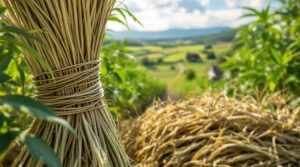
Hemp is a bast fiber. It comes from the plant stem, not from seed hair like cotton. This origin explains its entire care behavior. Bast fibers are longer, smoother, and significantly stronger than cotton fibers—depending on the measurement method, roughly two to three times more tear-resistant. At the same time, the fiber is less elastic. It tolerates strong pulling and sustained friction poorly because it can barely stretch and then contract again.
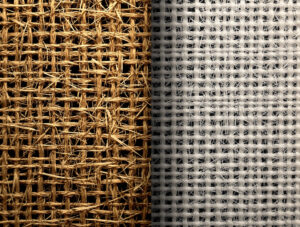
Then there’s the structure of the fabric. Hemp yarn encloses many small cavities that absorb moisture and release it just as quickly. These air pockets are responsible for the pleasant climate regulation in summer. But they’re also the weak point when care goes wrong. Undissolved detergent granules and fabric softener residues lodge there and harden the fabric from within. The material feels scratchy afterward, even though the individual fiber isn’t damaged. Those who want to understand the fiber structure and processing chain more closely can find the basics in the complete guide to hemp textiles.


A third difference concerns fabric finishing. Many hemp fabrics come untreated to market—without the chemical pre-shrinking that’s standard for industrial cotton. This makes ecological sense but has a practical consequence. The fabric retains its natural shrinkage potential, and the first wash triggers it. This is where most mistakes happen.
Washing hemp clothing: temperature, detergent, and spin speed
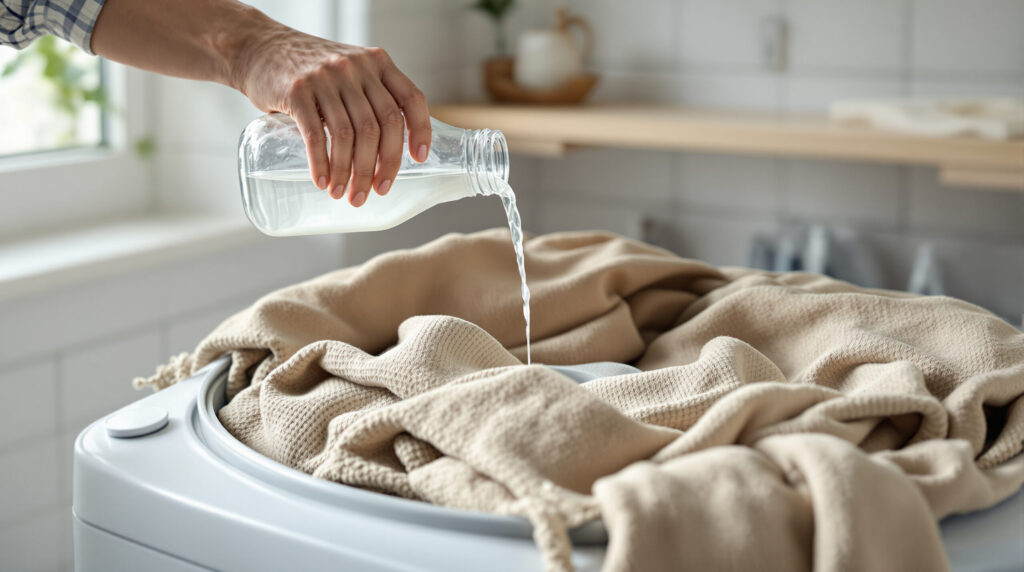
The standard recommendation for pure hemp fabrics and hemp blends is 30 degrees in a gentle wash cycle. For heavily soiled laundry or light bed linen, 40 degrees is acceptable; anything higher is rarely necessary. Hemp is naturally antibacterial and odor-inhibiting, so high temperatures aren’t needed for hygiene. Every degree above that costs color and promotes shrinking.
With detergent, one clear rule applies: liquid detergent instead of powder. Powder granules often don’t dissolve completely at 30 degrees and lodge in the air pockets mentioned above. There they act like fine sandpaper over many wash cycles and slowly destroy the structure from within. A mild delicate detergent without optical brighteners and without bleach is the best choice. Bleach-containing heavy-duty detergents attack the cellulose directly and make the fiber brittle over time.
Fabric softener doesn’t belong with hemp. It leaves a film of surfactants on the fiber and seals exactly the cavities responsible for moisture transport and breathability. The temporarily soft feel comes at the expense of function. Hemp doesn’t need the product anyway, because the fabric becomes softer with each wash on its own. This property is one of the great advantages of the fiber, as the comparison between hemp and cotton shows.
The spin speed should stay low, ideally at 400 to 600 revolutions. High speeds press wet fabric into sharp creases that imprint deeply in a fiber with little elasticity. Such crease marks are hard to remove later. It also makes sense not to wash hemp items together with zippers, velcro, or terrycloth towels. The friction against such surfaces causes pilling and roughens the fabric.
Understanding shrinkage and planning for it from the start
Untreated hemp fabrics can shrink up to ten percent in the first wash. This isn’t a material defect but the expected behavior of a natural fiber that hasn’t undergone chemical pre-shrinking. Most of the shrinkage happens in the first wash, after which the garment usually stays true to size. The key is handling that very first wash correctly.
Those buying yardage and sewing themselves should pre-wash and dry the fabric before cutting. Those buying finished clothing should check the manufacturer’s specifications. Reputable labels indicate whether the garment has already been pre-washed. If not, going up a size is recommended, if the fit allows. Our compilation of sustainable hemp clothing brands provides an overview of manufacturers who make such information transparent.
The most effective lever against shrinkage is temperature. Cold to lukewarm water reduces shrinking considerably; hot water maximizes it. The second lever is drying, since the clothes dryer compresses natural fibers much more than any washing machine. Paying attention to both can largely eliminate the problem.
Drying and ironing without fiber damage
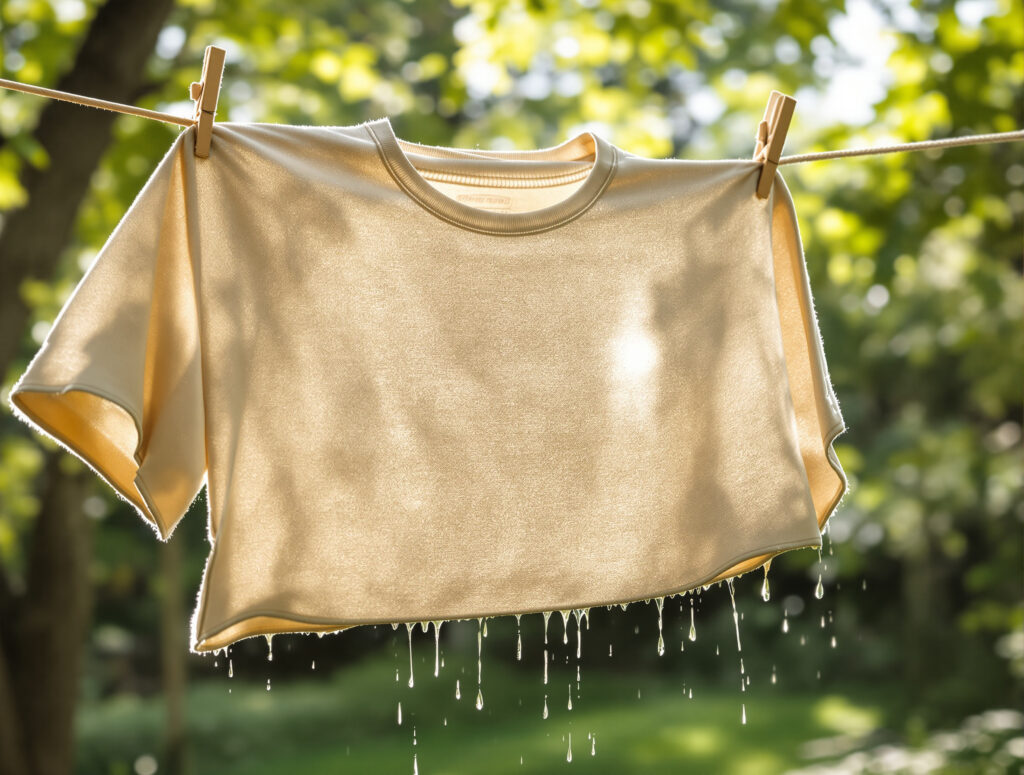
Hemp clothing belongs in the air, not the dryer. The combination of heat and mechanical tumbling strips residual moisture from the fiber that it actually needs. Completely dry hemp becomes brittle and breaks at stress points like elbows, knees, and seams. Those unwilling to forgo the dryer should choose the lowest setting and remove the laundry while still slightly damp.
With air drying, two details make a difference. First, the garment should be pulled into shape while wet before going on a line or hanger. This removes spin creases and saves ironing later. Second, hemp shouldn’t be in direct sunlight. UV radiation bleaches colored fabrics and accelerates cellulose degradation. A shady, airy spot is better, indoors or out. Heavy items like pants or jackets are best dried flat so wet fabric weight doesn’t pull them lengthwise.
Ironing is possible with hemp, but only while the fabric is still damp. On dry fabric, more heat is needed for the same result, and this heat causes damage. Medium heat usually suffices; for delicate colors, an ironing cloth helps. Those who pull laundry into shape while damp can skip ironing on many items altogether. Light wrinkling is part of the character of natural fibers and not a care mistake.
Stains, odors, and the art of not washing
The gentlest wash cycle is the one that doesn’t happen. This rule applies to all textiles, but especially to hemp. The fiber is naturally odor-inhibiting and slows the growth of odor-causing bacteria. A shirt worn for one day is usually fresh again after a night at an open window. Those who use this consistently save water, electricity, and detergent while extending the garment’s life, since every wash cycle means fiber abrasion.
Individual stains are treated spot-wise rather than with a full wash. Fresh stains can be pressed out with cold water and a bit of gallnut soap from the back. Importantly, don’t rub—dab instead. Friction while wet roughens the surface and leaves a lighter spot that stands out more than the original stain. Chlorine bleach is off-limits with hemp, even on white fabric. It attacks the cellulose and leaves yellowish discoloration over time.
A side effect of washing less frequently concerns the environment. Pure hemp fabrics consist exclusively of plant cellulose and release no microplastics when washed. The abrasion that enters wastewater is biodegradable. With blends containing spandex or polyester, this no longer applies, so checking the material percentage on the label is worthwhile from this perspective too. Why the fiber performs so well overall is detailed in our article on the hemp fiber’s environmental footprint.
Blends and home textiles: when other rules apply
Pure hemp fabrics are rather the exception on the market. Blends are more common, usually with organic cotton in a 55-to-45 ratio or with a small amount of spandex for stretch. For care, the most delicate component sets the standard. Spandex tolerates no heat and no dryer, so such items are generally treated at 30 degrees and air-dried. With hemp-cotton blends, shrinkage is less than with pure hemp because the cotton is usually pre-shrunk.
Home textiles made from hemp behave differently again. Bed linen, curtains, and table linen are rarely exposed to sweat and friction but more to light exposure. With curtains, UV stress is the most important aging factor, not washing. Hemp bed linen can be washed at 40 degrees and benefits especially from the fiber’s odor-inhibiting property. A cover thus needs changing less often than a comparable cotton one.
Hemp towels and washcloths need a small period of adjustment. They feel noticeably firmer than terrycloth when new and don’t absorb at full capacity until after several washes. Those who initially judge them inferior and set them aside miss exactly the point where the fiber shows its strengths. Again: no fabric softener, because it permanently seals absorbency.
Durability: what hemp fabrics deliver over decades
Hemp ages differently than most fibers. Cotton loses substance with each wash, becomes thinner, and loses its shape. Hemp becomes softer without losing tensile strength. This is why hemp pants and canvas made from hemp were historically considered durable goods with very long service life. The fabric reaches its most pleasant feel not in its new state but after thirty or forty washes.
For this point to be reached at all, proper storage between seasons is needed. Hemp textiles should be stored dry and airy, preferably in fabric bags rather than plastic boxes. In airtight containers, residual moisture can’t escape, and despite the fiber’s antibacterial properties, foxing forms. Wash and dry completely before storing is essential, because sweat residues attract material pests.
Repair is worthwhile with hemp more than with almost any other material. Because the fiber remains strong even after years, seams, buttons, and zippers fail first. These parts can be replaced while the surrounding fabric lasts for years to come. A patch sewn onto hemp pants is therefore not a makeshift solution but the most economically and ecologically sensible decision.
All in all, caring for hemp fabrics is uncomplicated; it just follows different habits than dealing with cotton. Wash cool, dose liquid, spin low, dry in air, and when in doubt, don’t wash: that’s all it takes. Those who follow these five points will get more wear from one hemp item than from three cotton pieces in succession.
Frequently asked questions
At what temperature do you wash hemp clothing?
30 degrees in a gentle wash cycle is standard for pure hemp fabrics and hemp blends. For light bed linen or heavily soiled items, 40 degrees is acceptable. Higher temperatures provide no hygiene benefit because the fiber is naturally odor-inhibiting. They do cost color and significantly increase shrinkage.
Does hemp clothing shrink and how can it be prevented?
Untreated hemp fabrics can shrink up to ten percent in the first wash, after which they usually stay true to size. Cold to lukewarm water noticeably reduces shrinking. The clothes dryer is the biggest single factor, so air-drying essentially eliminates the problem. When sewing yardage yourself, the fabric should be pre-washed before cutting.
Can you put hemp fabrics in the dryer?
Better not. The combination of heat and tumbling strips residual moisture from the fiber and makes it brittle; it also increases shrinkage. If there’s no way around it, the lowest setting helps, and laundry should be removed slightly damp. Air drying in the shade is in any case the gentler option.
Why should you avoid fabric softener with hemp?
Fabric softener leaves a surfactant film on the fiber and seals the cavities in the yarn. These exact cavities are responsible for moisture transport and breathability. The fabric feels temporarily softer but loses its function. Hemp doesn’t need the product anyway because it becomes softer with each wash on its own.
How do you remove stains from hemp fabric?
Spot-treat from the back with cold water and a bit of gallnut soap. Dab the stain, don’t rub, because friction while wet roughens the surface and leaves a lighter spot. Chlorine bleach isn’t suitable even on white fabric, since it attacks the cellulose and causes yellowish discoloration later.
How do you store hemp textiles over the season?
Wie wäschst du deine Hanf-Kleidung normalerweise?
Washed, completely dry, and airy—preferably in fabric bags rather than airtight plastic boxes. Trapped residual moisture leads to foxing despite the fiber’s antibacterial properties. Sweat residues should be removed beforehand because they attract material pests.


Branchen-Update
News, Analysen und Reportagen — mehrmals im Monat direkt in dein Postfach.
Folge uns