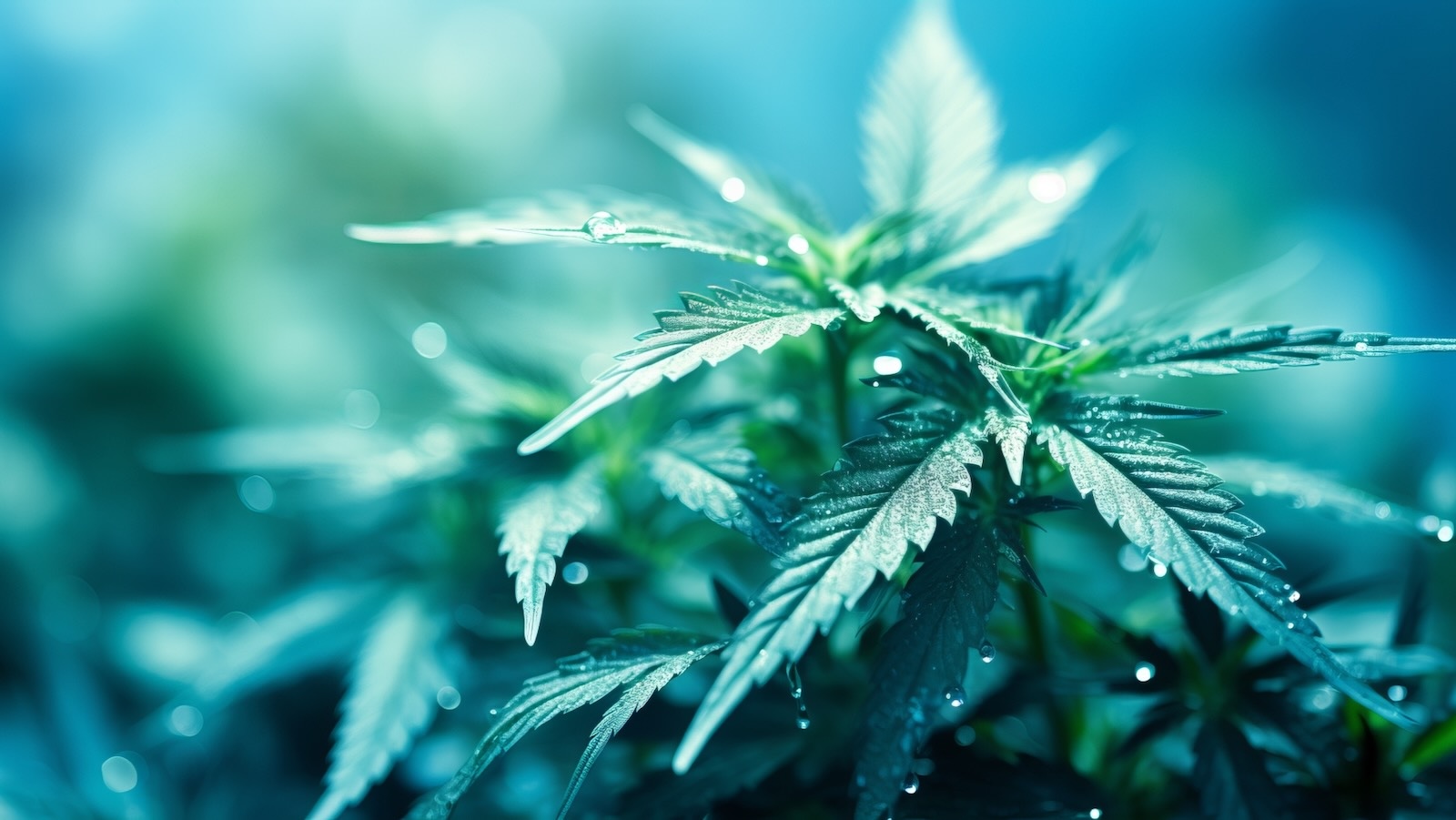
Wer Cannabis nur als THC-Träger betrachtet, verpasst das Entscheidende. Die Cannabispflanze produziert über 100 Cannabinoide und mindestens 140 Terpene – aromatische Verbindungen, die den Unterschied zwischen einem erdigen Indica und einem fruchtigen Sativa ausmachen. Und offenbar noch weit mehr als das.
📑 Inhaltsverzeichnis
Der sogenannte Entourage-Effekt beschreibt das Zusammenspiel all dieser Moleküle: ein biochemisches Orchester, bei dem die Summe der Teile die Einzelwirkung jedes Instruments bei weitem übertrifft. Wer dieses Konzept einmal verstanden hat, schaut auf Cannabissorten, Extrakte und Medikamente mit völlig anderen Augen.
What is the Entourage Effect – and where does it come from?
The term originates from the research work of Raphael Mechoulam and Shimon Ben-Shabat, who first coined it in 1998. The Israeli scientists had observed that the body responds differently to endogenous cannabinoids – such as the body’s own messenger substance anandamide – when other accompanying substances are present. The idea: plant cannabinoids function analogously. THC alone is not the same as THC in the company of CBD, CBG, myrcene, limonene, and dozens of other compounds.


Ethan Russo, one of the world’s most renowned cannabis physicians, has expanded this concept in several groundbreaking review articles. His thesis: terpenes are not merely aromatic substances, but pharmacologically active compounds that directly intervene in the signal cascades of the endocannabinoid system. They influence how THC binds to cannabinoid receptors CB1 and CB2, modulate neurotransmitters like serotonin and dopamine, and thereby amplify or dampen the psychoactive effect. How exactly the endocannabinoid system processes the signals from the cannabis plant has been understood significantly better in recent years – and makes the entourage effect biologically plausible.
The most important terpenes and their influence on THC
Myrcene is the most frequently occurring terpene in cannabis and is likely co-responsible for the so-called couch-lock effect in many indica strains. According to current hypothesis, it increases the permeability of the blood-brain barrier and thus facilitates THC’s entry into the central nervous system. At the same time, it has muscle-relaxing and sedating effects – not through the cannabinoid system, but rather through adenosine receptors, which also regulate sleep.
Limonene, the terpene with its characteristic citrus aroma, takes a different route. Laboratory studies show that it increases serotonin availability in the prefrontal cortex and displays antidepressive effects. In combination with THC, it could mitigate the paranoia-enhancing effects of high doses. A 2024 study by Johns Hopkins University and the University of Colorado confirmed exactly this: they combined 30 mg THC with 15 mg D-limonene – the result was a significantly reduced anxiety, nervousness, and paranoia compared to THC administration without the terpene.
Beta-caryophyllene occupies a special position among cannabis terpenes. It is the only known terpene that binds directly to cannabinoid receptors – specifically to CB2 receptors, which occur primarily in immunological tissues. It has anti-inflammatory effects without being psychoactive, making black pepper and cloves pharmacologically interesting spices. In full-spectrum extracts, beta-caryophyllene contributes to the analgesic component that is absent in isolated THC preparations.
Linalool, the terpene of lavender blossoms, is also found in many cannabis strains and influences GABAergic signal pathways – the same mechanism that benzodiazepines use to reduce anxiety. In combination with CBD and THC, it could decisively enhance the anxiolytic profile of a strain without being psychoactive itself.
All these interactions – of which only the most prominent are mentioned here – explain why two strains with identical THC content can produce completely different effect profiles. The terpene profile is not a footnote, but a central component of the pharmacological identity of a cannabis strain.
Full-spectrum vs. isolate: What science says about it
Clinical research on the question of full-spectrum versus isolate is still limited, but revealing. An often-cited Israeli study from 2015, published in the Pharmacology & Pharmacy Journal, compared full-spectrum CBD extract with pure CBD isolate in pain reduction in mice. The full-spectrum extract showed no bell-shaped dose-response curve like the isolate – in other words: higher doses did not necessarily become more effective. The isolate, by contrast, lost its effectiveness at increasing dosages. The authors interpreted this as strong evidence of a synergistic effect of the natural accompanying compounds.
For CBD-rich extracts compared to synthetic cannabinoids, clinical practice shows similar patterns: patients using natural full-spectrum products often report better efficacy at lower doses compared to isolated single substances. From a scientific perspective, this is an indication – but not yet conclusive proof. Critics rightly point out that placebo effects, individual differences in metabolism, and the lack of double-blind studies cloud the data picture.
The most honest thing one can say about the entourage effect in 2026 is: it is scientifically plausible, supported by multiple animal and in vitro studies, and initial human clinical evidence is available – but a complete, replicated picture is still lacking. Research is catching up, and the pace has accelerated significantly since the German legalization debate.
Entourage effect in medical practice
For cannabis patients, this concept has immediate practical consequences. Those who are prescribed medical cannabis today typically receive dried flower or standardized extracts – and in both cases, the terpene profile plays an essential role. Physicians who prescribe their patients a strain with a high myrcene content are aiming for a more sedating, pain-relieving effect. A strain with high limonene and pinene content – another terpene with potentially focusing effects – might be more suitable for daytime use without impairing concentration.
In the patient guide for medical cannabis in Germany, this aspect is becoming increasingly important for strain selection in medical consultations. Pharmacies dispensing medical cannabis are now required to offer terpene profile analyses or at least provide information. This was still an exception five years ago.
The entourage effect also helps with understanding unwanted effects. If someone experiences different side effects after consuming high-terpene strains compared to terpene-poor isolates, they are witnessing in real time what laboratory research observes in cell cultures and animal models. This is not imagination – it is biochemistry.
The endocannabinoid system is not an isolated switch, but a fine-meshed network of receptors, enzymes, and endogenous ligands. Terpenes expand this network with plant signals that have differentiated over millennia of co-evolution between humans and the cannabis plant. Whether you consider this a pharmacologically relevant effect or a romantic overinterpretation depends on your own evidence threshold – but it can no longer be ignored.
Achtest du beim Kauf auf das Terpenprofil der Sorte?
FAQ: Entourage effect explained
What exactly is meant by the entourage effect in cannabis?
The entourage effect describes the synergistic interaction of all active ingredients contained in the cannabis plant – especially cannabinoids like THC and CBD, as well as terpenes and flavonoids. The theory holds that these compounds together produce a stronger and more nuanced effect than any single substance could achieve on its own.
Are terpenes really more important than THC?
Not necessarily more important, but at least equally significant in their contribution to the overall profile. THC is the primary psychoactive ingredient, but terpenes decisively influence how THC is experienced – whether relaxing or stimulating, anxious or focused. High THC content alone is not a quality marker; the terpene profile is often more informative about the actual effect characteristics of a strain.
Which terpenes enhance THC most strongly?
Myrcene is considered the most potent enhancer of psychoactive effects, as it facilitates THC’s passage through the blood-brain barrier. Beta-caryophyllene complements the cannabinoid profile through direct CB2 binding. Linalool and limonene rather modulate the emotional quality of the THC effect – limonene can reduce anxiety, linalool can calm.
Is there scientific evidence for the entourage effect?
Yes, but the state of research is still developing. Preclinical studies and initial clinical investigations – including the 2024 Johns Hopkins study on THC and limonene – support the concept. Complete double-blind, randomized human studies are still lacking for many specific terpene-cannabinoid combinations. The effect is considered biologically plausible and evidence-based, but not conclusively proven.
How can I use the entourage effect in consumption or medical treatment?
Through conscious selection of full-spectrum products instead of isolated single substances. In a medical context, this means discussing not only THC and CBD content with the prescribing physician, but also the terpene profile of the strain. For recreational consumers, it is recommended to pay attention to strain profiles and distinguish between high myrcene content for evening relaxation and higher limonene content for daytime use.




Branchen-Update
News, Analysen und Reportagen — mehrmals im Monat direkt in dein Postfach.
Folge uns