What the BLE Approved for Cannabis Research
Since late 2024, the Federal Agricultural Authority (BLE) received nearly seventy research proposals. The agency spent months reviewing them, hearing from most applicants, and rejecting a significant portion. Four projects ultimately received approval. All four come exclusively from applications that do not involve distribution for consumer purposes.
📑 Inhaltsverzeichnis
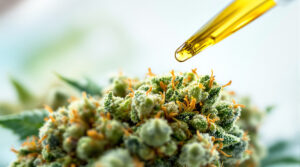
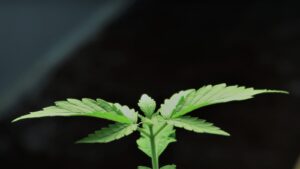
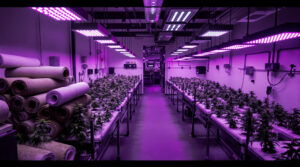
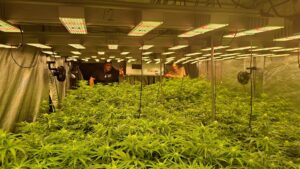
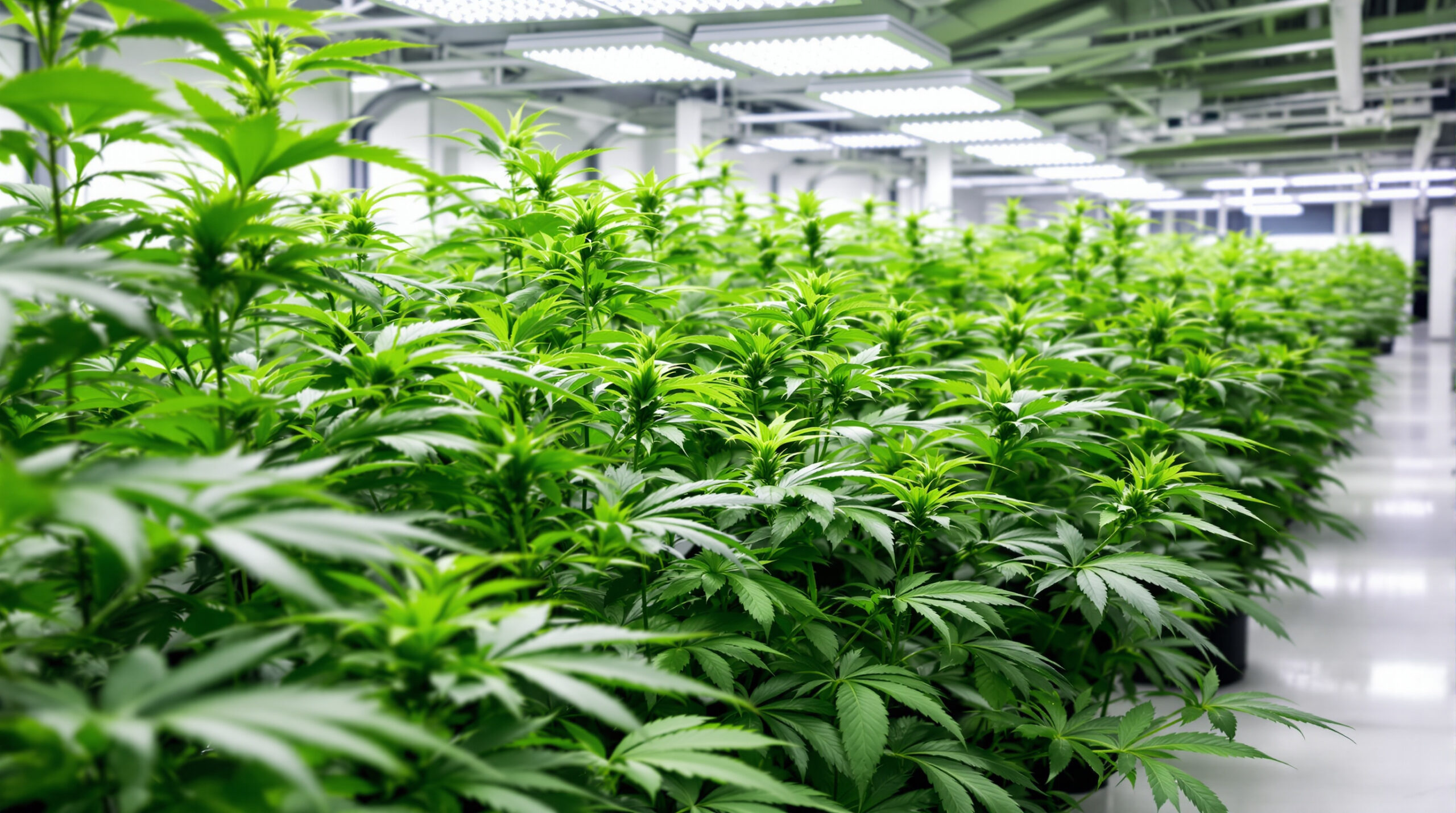
The approved projects focus on cultivating industrial hemp and specific cannabis strains and their properties. They examine parameters influencing plant growth and cannabinoid content. Another major emphasis is on innovative and climate-neutral cultivation methods. The state is initially directing funding toward plant science, yield optimization, and sustainability—not toward direct consumer sales.
Why an Agricultural Agency Oversees Cannabis Research
The fact that an agency under the Agricultural Ministry decides on cannabis research has a legal basis. A dedicated jurisdiction regulation designated the BLE as the responsible authority for scientific projects involving consumer cannabis and hemp. It receives applications, reviews them, and monitors approved projects throughout their implementation.


This research branch only became possible through the Cannabis Act. The reform opened a scientific framework alongside home cultivation and cultivation associations. For those seeking to understand the long-term effects of legalization, our analysis on two years of the Cannabis Act provides key data. Our overview of countries advancing cannabis research also shows how slow government-supported research can be internationally.
Research Yes, Consumer Distribution Remains Uncertain
The most significant aspect of these approvals lies in what’s absent. The so-called second pillar of legalization—regionally limited pilot projects with commercial cannabis distribution through specialized retailers—remains untouched by these four approvals. While the BLE has received several concepts for these scientifically monitored sales projects, none have been approved to date.
Observers expect the first calls for applications from municipalities and businesses in the second half of 2026. Until then, retail distribution remains theoretical. We’ve summarized the current status of this standoff in our article on pillar two of legalization, supplemented by recent movement in the responsible ministry in our piece on cannabis pilot projects.
What This Decision Means for the Industry
For the hemp industry, this decision sends a mixed message. On one hand, it demonstrates that the agency is functional and actually approving projects. The charge of pure obstruction becomes harder to sustain. Conversely, the green light comes precisely in the most apolitical area—cultivation and plant science itself.
Work on higher-yielding and climate-friendly strains could prove worthwhile. Industrial hemp is recognized as a versatile raw material whose potential remains far from exhausted. Those interested in exploring the industrial side further will find our guide to industrial hemp in Germany covers the basics of cultivation and approval. The fact that cannabis as a medicinal plant remained scientifically underfunded for decades underscores the significant research deficit. Four approved projects represent a modest but real beginning.
Frequently Asked Questions
What exactly did the BLE approve?
The Federal Agricultural Authority approved four cannabis research projects. All four focus on cultivating industrial hemp or specific cannabis strains. They examine factors including growth, cannabinoid content, and climate-neutral cultivation methods. None of the projects involve distributing cannabis to consumers.
Why is the BLE responsible for cannabis research?
A dedicated jurisdiction regulation made the BLE the responsible authority for scientific projects involving consumer cannabis and hemp. It falls under the Federal Ministry of Agriculture. The agency receives applications, conducts technical reviews, and monitors approved research projects.
Are these the second pillar pilot projects?
No. The four projects have nothing to do with commercial cannabis distribution through specialized retailers. While the BLE has received concepts for these second-pillar pilot projects, none have been approved yet. First calls for applications are expected at the earliest in the second half of 2026.
How many applications were submitted in total?
Since late 2024, the BLE received nearly seventy research proposals. The agency reviewed them over several months and rejected a significant portion. The four now-approved projects come from applications not involving consumer distribution.
What does this decision mean for legalization?
The approval shows that the responsible authority is actually approving research projects. For the more contentious question of cannabis retail distribution, nothing changes for now. Progress initially concerns cultivation and plant science, not commercial sales.
Source: Krautinvest, „BLE approves four cannabis research projects“ (14.07.2026), and statements from the Federal Agricultural Authority.



Sollte die BLE zuerst Anbau-Forschung oder Abgabe-Modelle fördern?
Branchen-Update
News, Analysen und Reportagen — mehrmals im Monat direkt in dein Postfach.
Folge uns