
Anyone who consumes cannabis and operates a vehicle has been moving in a legally precisely defined framework since the reform of the Consumption Cannabis Act (KCanG) and the amendment to the Road Traffic Act. The decisive threshold is 3.5 nanograms of THC per milliliter of blood serum. However, this single value only describes the tip of a complex pyramid of fine regulations, special provisions for young drivers, patient privileges, and an independent administrative procedure around medical-psychological examination.
📑 Inhaltsverzeichnis
- The THC limit of 3.5 ng/ml: From prohibition to graduated traffic violation
- Fines, points, and driving bans: What awaits in case of repeated violations
- Special rules for novice drivers and persons under 21 years of age
- Mixed consumption with alcohol: The red line in traffic law
- Cannabis patients at the wheel: Patient privilege and its limits
- Medical-psychological examination with cannabis: When it threatens and how to avoid it
- THC breakdown and waiting times: When is driving safe again?
- Behavior during police stops: Rights, duties, and typical mistakes
- Practical consequences: Those wanting to protect themselves must plan ahead
- Frequently asked questions
- 💬 Fragen? Frag den Hanf-Buddy!
Those who lose track risk not only a one-month driving ban, but in the worst case permanent revocation of their driver’s license, an expensive medical-psychological examination, and a lengthy restoration process. This comprehensive guide explains what really applies in 2026, what obligations and rights exist during a traffic stop, and why the combination of cannabis and alcohol should be understood as a red line in German traffic law.
The THC limit of 3.5 ng/ml: From prohibition to graduated traffic violation
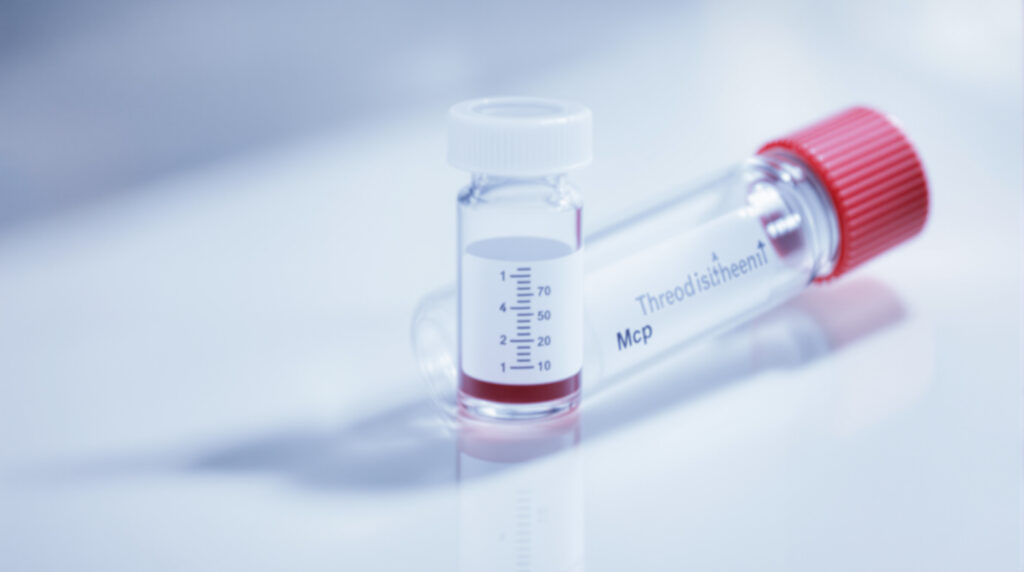
For years, German traffic law maintained an analytical threshold of 1.0 nanogram of THC per milliliter of blood serum, which marked less a performance threshold than the lower limit of reliable laboratory analysis. With the Cannabis Act reform coming into effect on April 1, 2024, and the subsequent amendment to the Road Traffic Act, this value was significantly raised on August 22, 2024. Since then, the general driving population has been subject to a limit of 3.5 ng/ml, which no longer merely represents a detection threshold but is based on a scientific recommendation from an interdisciplinary expert group. The commission oriented itself toward the performance threshold above which documented driving-relevant impairment is reliably established. This has legal consequences, as the new value is understood as a substantive performance limit, no longer as a mere detection parameter.


The legal basis is found in Section 24a, Subsection 1a of the Road Traffic Act. Anyone who operates a motor vehicle with a concentration of 3.5 ng/ml or more THC in blood serum commits a traffic violation. The precise wording is important: it concerns the value in blood serum, not whole blood, and not the concentration in saliva or urine. A positive saliva test at the roadside does not trigger a fine notice but merely provides initial suspicion that justifies a later blood test. Further context on this threshold and initial regulatory experience can be found in our supplementary article on the new THC limit in traffic.
Fines, points, and driving bans: What awaits in case of repeated violations
Unlike the old blanket approach, the current fine regime operates with a graduated escalation logic oriented toward the frequency of violations. For a first violation, the fine schedule provides for a monetary fine of 500 euros, a one-month driving ban, and two points in the driving record. The sanction is thus at the same level as driving with 0.5 percent blood alcohol, underscoring the legislature’s message: cannabis at the wheel is not a trifle but a serious traffic violation with consequences for the driving record.
For a second violation, the fine increases to 1,000 euros, the driving ban extends to three months, and two more points are added. For a third violation, 1,500 euros are due, again connected with a three-month driving ban. At this point at the latest, an additional examination of driving fitness is threatened, because anyone who repeatedly appears under cannabis influence signals to the driving authority a lack of ability to distinguish between consumption and driving. This two-track structure—monetary penalties on one side, administrative proceedings on the other—is frequently underestimated in practice. Points from the fine proceedings not only affect the point total but can, in combination with other incidents, lead to ordering a medical-psychological examination.
An important distinction concerns whether a violation constitutes a traffic offense or is already to be classified as a criminal offense. Anyone who, despite documented driving impairment—for example, through weaving, risky overtaking maneuvers, or a caused accident—continues driving moves into the criminal law realm of Section 316 of the Criminal Code (intoxication in traffic) or in the most severe case Section 315c (endangering traffic). Monetary penalties, custodial sentences, and significantly longer driving license revocation are then the standard consequence.
Special rules for novice drivers and persons under 21 years of age
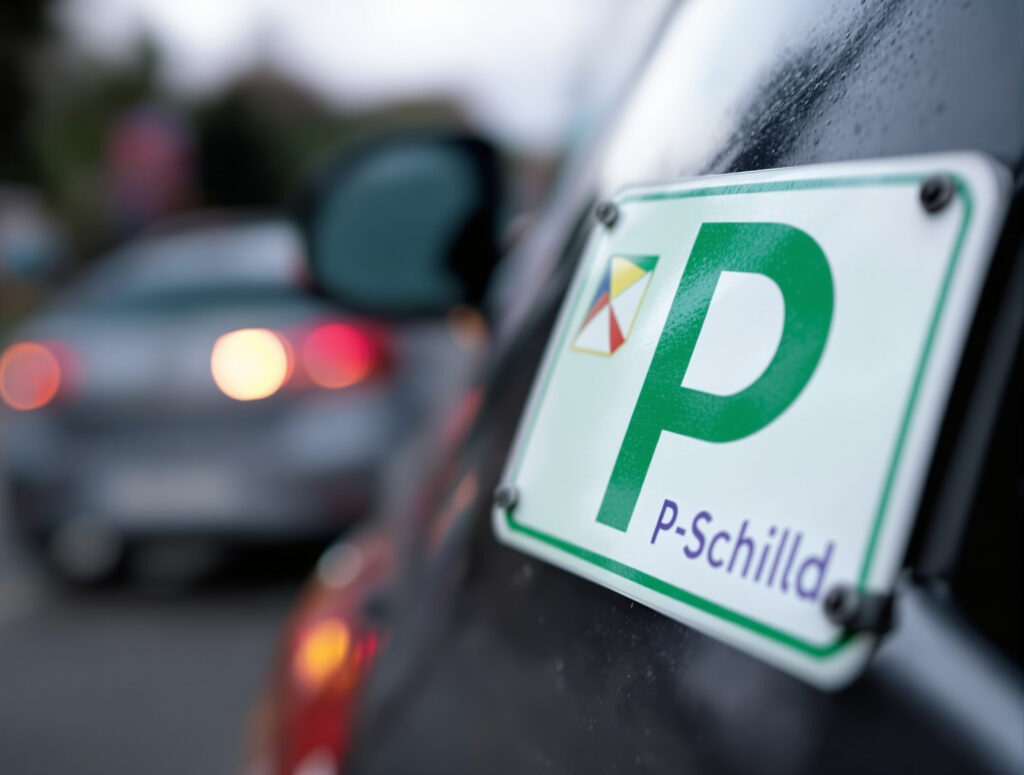
For young drivers, the legislature has anchored a separate, significantly stricter regulation in Section 24c of the Road Traffic Act. Anyone in the two-year probationary period after obtaining their driver’s license or who has not yet reached 21 years of age is subject to an absolute zero-tolerance rule. The general limit of 3.5 ng/ml explicitly does not apply here. Even proof of a relevant THC concentration below this threshold is sufficient to establish a traffic violation.
Although the fine is lower for first violations—often set at 250 euros—the consequences affect those involved more severely. The probationary period automatically extends by two years, participation in a remedial driving seminar is ordered, and the authority regularly checks whether driving fitness remains intact. Anyone who, as a novice driver, additionally has alcohol in their blood or exceeds the threshold for adult drivers faces significantly harsher consequences. The background to this special regulation is criminological and traffic-psychological observation showing that young drivers are disproportionately involved in accidents where substance use plays a role. The legislature therefore justifies the stricter approach by citing preventive protection of a particularly vulnerable group.
Mixed consumption with alcohol: The red line in traffic law
A separate regulation addresses mixed consumption of cannabis and alcohol because the pharmacological interaction of both substances affects reaction ability, risk assessment, and motor control in a way that goes significantly beyond the sum of individual effects. Anyone who reaches the THC limit of 3.5 ng/ml and simultaneously has a measurable alcohol concentration in the blood must, for a first violation, expect a standard fine of 1,000 euros, a one-month driving ban, and two points. The fine range can increase to 5,000 euros in particularly serious cases, if, for example, the alcohol concentration constitutes a separate traffic violation or criminal offense.
The red line becomes even clearer in the administrative law sphere: mixed consumption is regarded by administrative court jurisprudence as significant evidence of impaired ability to distinguish, meaning the inability to reliably separate consumption from driving. This regularly obligates the driving authority to order a medical-psychological examination or to revoke the driver’s license immediately without recourse. Our editorial team has analyzed in a separate article what consequences may follow if policymakers further tighten the threshold for mixed consumption in a discussion on stricter penalties for mixed consumption.
Cannabis patients at the wheel: Patient privilege and its limits
Patients who take medicinal cannabis on medical prescription generally do not fall under the traffic violation regulation of Section 24a of the Road Traffic Act. This so-called patient clause, however, does not blanket protect all consumption but rather presupposes two conditions frequently overlooked in practice. First, consumption must occur according to medical prescription and within the framework of documented therapy. Second, driving fitness must not be impaired despite consumption. Anyone who has a prescription but exceeds the prescribed daily dose, does not follow the medical intake recommendation, or is driving impaired loses the privilege and is treated traffic-legally like any other cannabis consumer.
The Higher Administrative Court of North Rhine-Westphalia drew a particularly clear line in spring 2026. The judges confirmed immediate revocation of the driver’s license for a patient who, alongside their medically prescribed cannabis, additionally consumed non-prescribed recreational cannabis. The court found that the privilege no longer applies in this case because the prescription loses its protective function once regular mixed consumption or additional recreational consumption is added. The detailed classification of this judgment and its practical consequences can be found in our coverage of the Higher Administrative Court ruling on driving licenses for cannabis patients. Patients uncertain about applicable obligations and documentation requirements should coordinate therapy closely with their physician and schedule intake times so that sufficient waiting time before driving remains. A comprehensive overview of therapy, supply, and legal framework is offered in our complete patient guide to medicinal cannabis.
Medical-psychological examination with cannabis: When it threatens and how to avoid it

The medical-psychological examination, popularly mocked as an „idiot test,“ is actually a highly standardized procedure assessing a person’s future driving fitness. In the cannabis context, it is typically ordered in three constellations. First, if someone repeatedly appears under cannabis influence at the wheel, indicating impaired ability to distinguish. Second, if mixed consumption with alcohol is proven, because this is regarded by case law as a particularly serious indication of lack of self-control. Third, if additional facts exist, such as findings of other substances or legally relevant conduct.
For cannabis patients, a medical-psychological examination can only be ordered if concrete evidence of abuse exists. Case law defines abuse as intake contrary to medical instruction, consumption in quantities or at times not therapeutically justified, or additional intake of non-prescribed substances. The mere fact that someone has a cannabis prescription does not justify a medical-psychological examination. The central protection question is whether the patient reliably distinguishes between therapy and driving.
Those who must prepare for a medical-psychological examination should take the preparation period seriously. A documented abstinence period of six months or proven controlled consumption behavior is typically expected, supplemented by hair analysis or urine tests. Professional examination preparation consultation is worthwhile because the interview focuses not only on consumption itself but especially on reflection about one’s own behavior. Without a plausible narrative of change, few test subjects pass the examination on the first attempt. Background to the debate on the design of these procedures is provided by the current discussion of TÜV demands for stricter measures in cannabis and traffic.
THC breakdown and waiting times: When is driving safe again?
The most frequent practical question is: How long must I wait after consumption before I can drive again? There is no one-size-fits-all answer because THC breakdown in the blood depends on numerous individual factors, including consumption method, consumption frequency, metabolism, body fat percentage, fluid intake, and accompanying medical medication. However, traffic medicine evaluations provide reliable guidance.
After single, light consumption, THC concentration in blood serum often falls below the 3.5 ng/ml limit after three to five hours. Occasional consumers typically reach values below 1 ng/ml after six to seven hours. With regular or high-dose consumption, however, breakdown time increases significantly because THC accumulates in fatty tissue and is slowly released over days. Chronic consumers can still show measurable values after several days, which can be problematic during a traffic stop.
Traffic medicine recommends, out of caution, a waiting time of at least 12 hours after the last consumption, or 24 hours for edibles or potent concentrates. Those wanting to be safe should plan a longer break after intensive consumption. Over-the-counter drug self-tests from pharmacies only indicate saliva or urine values, not the decisive blood serum concentration. Precise self-assessment is therefore impossible. Even passive consumption through presence in a smoking room, according to all reputable evaluations, is insufficient to exceed the 3.5 ng/ml limit, unless an extremely poorly ventilated hotbox scenario exists.
Interesting in this context is a look at newer scientific evaluations that approach the previous assumption of blanket traffic danger from cannabis more differentially. Some study results suggest that separation of consumption and driving is maintained in the population after the reform more strongly than previously expected. Those wishing to deepen understanding of the tension between traffic policy caution and new empirical evidence will find detailed analysis in our article on studies on driving behavior after cannabis reform.
Behavior during police stops: Rights, duties, and typical mistakes
In general traffic stops, police are authorized to check identification, driver’s license, and vehicle documents, to inspect the vehicle for roadworthiness, and to conduct a breathalyzer test. Upon concrete suspicion of drug consumption, the officer may offer a voluntary drug pre-test. These typically involve a saliva test, occasionally urine or sweat tests. These pre-tests are voluntary; no one is obligated to participate.
It is sensible to refuse politely but firmly, because the result of a positive saliva test can support initial suspicion for an ordered blood test. In the fine proceedings, ultimately only the blood serum value matters, not the pre-test result. The blood test itself is different: once concrete suspicion exists and police order blood drawing, this step is not voluntary. Refusal would result in forced compliance.
Also voluntary are all statements about personal consumption behavior. Answering questions about the last cannabis consumption provides the authority with information for later proceedings and possible driving license consequences. Criminal procedural law provides the right to silence; fine proceedings provide the right to refuse testimony. Neither may be used against the defendant. Sensible is the calm response that one is exercising this right and will have the matter clarified through legal representation. Vehicle searches likewise require either a court order, driver consent, or concrete suspicion of a crime. Those who do not consent to voluntary search should clearly state this without engaging in discussion.
Practical consequences: Those wanting to protect themselves must plan ahead
The legal situation in 2026 allows for a clear conclusion: cannabis in traffic is no longer a gray area but rather a detailed regulated area with clear thresholds, graduated sanctions, and a separate administrative procedure. Anyone who consumes cannabis and wishes to remain mobile should internalize a few central principles. First, strict separation of consumption from driving operations, with a waiting time of at least 12 to 24 hours depending on consumption pattern representing a sensible safety margin. Second, traffic law demands consistent avoidance of any mixed consumption with alcohol, because sanctions do not add but multiply. Third, patients should carefully document medically ordered therapy, adhere to prescriptions, and not engage in additional recreational consumption.
Violations lead not only to fines and points but open the door to administrative proceedings that in many cases end in medical-psychological examination. Six months abstinence, several hundred euros in procedure costs, and a preparation time that is frequently psychologically challenging await at the end of such a path. Those seeking legal assistance early and initiating correct steps can often limit damage, through appropriate statements in fine proceedings or coherent argumentation with the driving authority. However, minimizing the situation is not appropriate. The legislature legalized consumption with the Cannabis Act reform but did not loosen driving fitness requirements; rather, it defined them more precisely.
Frequently asked questions
Does the 3.5 ng/ml limit apply to novice drivers?
No, persons under 21 and novice drivers in the two-year probationary period are subject to a separate zero-tolerance regulation under Section 24c of the Road Traffic Act. Already the proof of a relevant THC concentration below 3.5 ng/ml can establish a traffic violation resulting in fines, probation extension, and required remedial seminar participation.
How long must I wait after consumption before I can drive again?
Waiting time depends on consumption method, consumption frequency, and individual physical factors. With single, light consumption, three to five hours often suffices to fall below the 3.5 ng/ml threshold. Out of caution, traffic medicine recommends a 12-hour waiting time, or 24 hours for edibles or highly potent concentrates. With regular consumption, breakdown can take several days, making longer breaks advisable.
Must I participate in the police’s saliva test?
No, the drug pre-test at the roadside is voluntary. Refusal may not be used against you. The later blood test ordered by police or a judge is not voluntary once concrete suspicion exists. For the fine proceedings, only the blood serum value matters anyway, not the pre-test result.
Do cannabis patients automatically lose their driver’s license during a stop?
No. Patients with medically prescribed medicinal cannabis generally do not fall under the traffic violation regulation of Section 24a of the Road Traffic Act, provided they take medication according to medical instruction and maintain driving fitness. However, anyone additionally consuming non-prescribed cannabis, exceeding daily doses, or showing driving impairment loses this privilege’s protection. The Higher Administrative Court of North Rhine-Westphalia explicitly confirmed in spring 2026 that the prescription loses protective effect once mixed consumption is added.
What happens with mixed cannabis and alcohol consumption?
Mixed consumption is regarded as particularly serious. For first violation, 1,000 euros fine, one-month driving ban, and two points apply. In administrative proceedings, mixed consumption is frequently rated as evidence of impaired ability to distinguish, leading to medical-psychological examination ordering or immediate license revocation. In serious cases, fines up to 5,000 euros are possible.
Can I exceed the limit through secondhand smoke?
Under realistic conditions, this is virtually impossible. Traffic medicine evaluations show that even prolonged presence in a smoky environment typically does not suffice to reach the 3.5 ng/ml blood serum threshold. Exceeding would be conceivable only in an extremely poorly ventilated hotbox scenario, which plays virtually no role in everyday life.
Further articles on this topic
- All-clear in The Lancet: Cannabis legalization does not make traffic less safe according to UKE data
Findest du den THC-Grenzwert von 3,5 ng/ml angemessen?




Branchen-Update
News, Analysen und Reportagen — mehrmals im Monat direkt in dein Postfach.
Folge uns