
German cannabis telemedicine is facing political pressure two years after the Cannabis Act took effect. More than 50 tons of medicinal cannabis were imported to Germany in the first quarter of 2026 alone, with a substantial portion prescribed through online platforms. Conservative medical associations and voices in the Bundestag are now calling for stricter regulations. Patient organizations warn of a regression into the cumbersome supply situation that existed before the Cannabis Act.
📑 Inhaltsverzeichnis
How telemedicine transformed Germany’s cannabis supply model
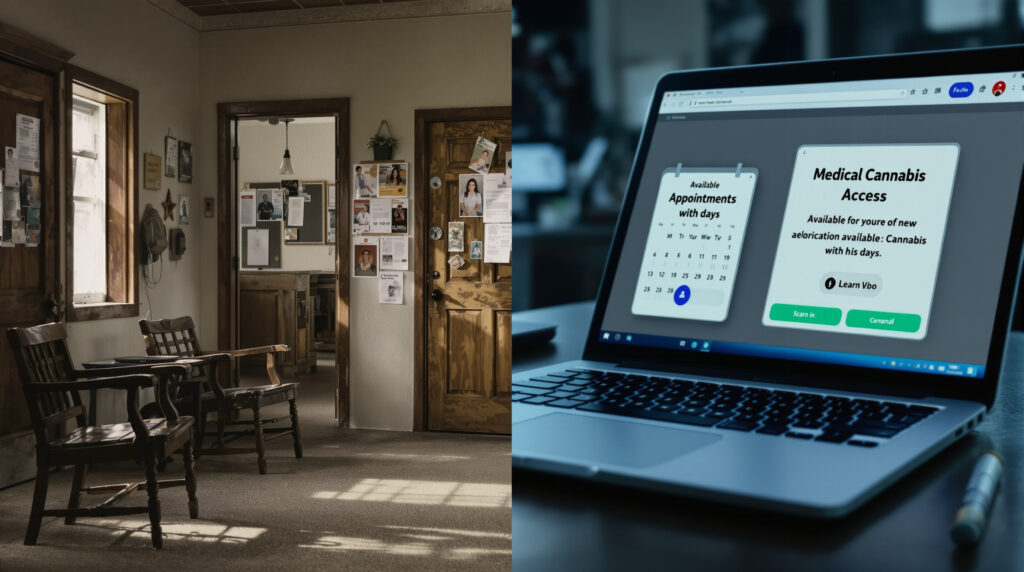
Before 2024, accessing medicinal cannabis for many patients was a bureaucratic obstacle course. Those living in rural regions rarely found doctors experienced in cannabinoid therapy. Wait times of several months were standard, and insurance denials were the norm. Telemedicine fundamentally changed this picture. Platforms like Algea Care, Bloomwell, and DoktorABC now offer video consultations within days. Prescriptions are issued digitally, and pharmacies send medications via courier or mail.
This development explains much of the market growth. In the first quarter of 2026, wholesalers imported 50.5 tons of cannabis flowers according to BfArM data, a figure that has multiplied compared to 2023. Industry estimates suggest the vast majority of these prescriptions are issued without a traditional office visit. Even older patients increasingly use the model because it spares them long travel times.


The political push against online prescriptions
In recent weeks, officials from the health committee have repeatedly indicated that ongoing discussions about strengthening the Medicinal Cannabis Act should include telemedicine regulations. Under consideration are mandatory in-person initial consultations before first prescription and stricter indication requirements, along with regular follow-up visits. Proponents argue that a significant portion of issued prescriptions actually serve recreational use. This position largely aligns with positions already put forward by the health ministry in 2025.
This position is not new, but it has become louder politically through recent developments. The Finance Commission recommended ending statutory health insurance reimbursement for flower preparations in April 2026 and explicitly referenced online prescribing in its report. The health insurance debate also followed similar lines. Additionally, reports from individual states describe pharmacies observing a notable increase in first-time prescriptions with identical indications and identical strains.
What patients and providers fear
Patient organizations strongly criticize this argument. Equating online prescriptions with abuse unfairly assumes patients intend to circumvent regulations, they argue. Forcing in-person initial consultations at cannabis-experienced practices is simply not feasible for many chronically ill patients, since such providers remain scarce in rural areas. The University of Mainz Medical Center is currently conducting supply research to provide empirical backing for what has so far been largely anecdotal debate.
Providers also warn against restrictions but hesitate to take public positions. Publicly opposing planned measures risks additional scrutiny from regulatory authorities. Behind closed doors, however, they argue that mandatory in-person initial assessment would essentially nullify telemedicine’s real supply benefits. Instead, the industry proposes decentralized quality standards: mandatory documentation of indications and regular structured follow-up conversations, along with uniform minimum-dose justifications and limits on prescription quantities per initial visit. This approach is scheduled for structured discussion at the 7th Medicinal Cannabis Congress at Charité in late May.
A conflict extending far beyond cannabis therapy
Underlying this conflict is a fundamental question about the future of digital healthcare. Cannabis telemedicine is one of the few examples where a digital treatment model has achieved significant market penetration in a short time. If politicians choose to re-regulate precisely this sector, it would send signals well beyond cannabis. Other fields—from migraine telemedicine to ADHD online therapy—are watching this debate very closely. In the coming weeks, Germany will decide whether its supply model remains open or whether stricter reform becomes the first substantial correction to the Cannabis Act.
Frequently asked questions
Are online prescriptions for medicinal cannabis legal in Germany?
Yes, telemedicine prescribing of medicinal cannabis is currently permissible under German law. Requirements include a medical history, medically justified indication, and documented follow-up. In-person consultation is not currently mandatory.
Which providers are active in cannabis telemedicine?
Established platforms include Algea Care, Bloomwell, DoktorABC, and Cannamedical. They differ in pricing, physician support, and pharmacy integration. The number of providers has grown significantly over the past 24 months.
What would mandatory in-person consultation change?
Requiring initial in-person visits would significantly complicate treatment access, particularly for chronically ill patients in rural areas. Wait times of several months would again become standard, as cannabis-experienced practices remain scarce. Providers estimate a double-digit percentage decline in active patient numbers.
Why is politics acting now?
First-quarter 2026 market data provides the first reliable information on telemedicine’s actual market size. Import volumes of 50.5 tons of flowers in three months have significantly increased political pressure. Simultaneously, preliminary discussions on medicinal cannabis reform have included this topic.
What role do health insurers play?
Most telemedicine patients pay out-of-pocket. Statutory health insurance covers only a smaller share of prescriptions, typically after individual approval. The Finance Commission’s April 2026 recommendations limiting reimbursement would not directly change this logic but would strengthen political pressure on the entire supply model.
Sollten Cannabis-Rezepte online ohne Praxisbesuch ausgestellt werden dürfen?
Sources: Hanfjournal research from May 21, 2026 on telemedicine debate, BfArM import figures Q1 2026, Finance Commission recommendations April 2026, proprietary industry research.







Branchen-Update
News, Analysen und Reportagen — mehrmals im Monat direkt in dein Postfach.
Folge uns