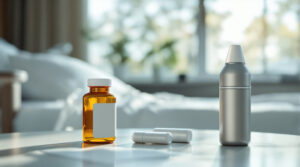
Cannabis microdosing stands for a consumption style that focuses less on intoxication and more on targeted effects. Instead of taking several milligrams of THC at once, users dose in the range of roughly half a milligram to a maximum of two and a half milligrams. The idea behind it: the body’s own endocannabinoid system already responds to tiny amounts, and this gentle stimulus is supposed to relieve complaints without disrupting daily life through a noticeable high. For beginners, microdosing is often the safest entry point; for patients in cannabis therapy, it is a tool for fine-tuning.
📑 Inhaltsverzeichnis
What Cannabis Microdosing Really Means
Microdosing refers to the regular intake of active substance amounts that lie far below the psychoactive threshold. With THC, the window typically ranges between 0.5 and 2.5 milligrams per single dose; with CBD, between 2 and 10 milligrams depending on the application goal. For comparison: a single drag from a classic joint with standard flower already delivers 3 to 7 milligrams of THC, many times what a microdose consists of. Those who microdose therefore don’t want to experience a high, but rather a barely perceptible physiological effect.
The concept originally comes from research on psilocybin and LSD, but has gained significant importance in the cannabis field in recent years. Our background article Microdosing as a non-intoxicating alternative provides a detailed overview. It is important to distinguish this from classic therapy: while cannabis patients often fall in the double-digit milligram range per day, microdosing deliberately works at the lower end of the dose-response curve.


Microdosing is also not synonymous with CBD consumption. While the non-psychoactive substance is often used in low amounts, the actual focus of microdosing is on THC and the question of how little psychoactive stimulus is needed for a desired effect. Our article Microdosing with CBD: The right dosage for daily needs provides a detailed CBD perspective. A combination of both active substances is now considered the most robust middle ground among users.
Biphasic Effects: Why Less is Often More
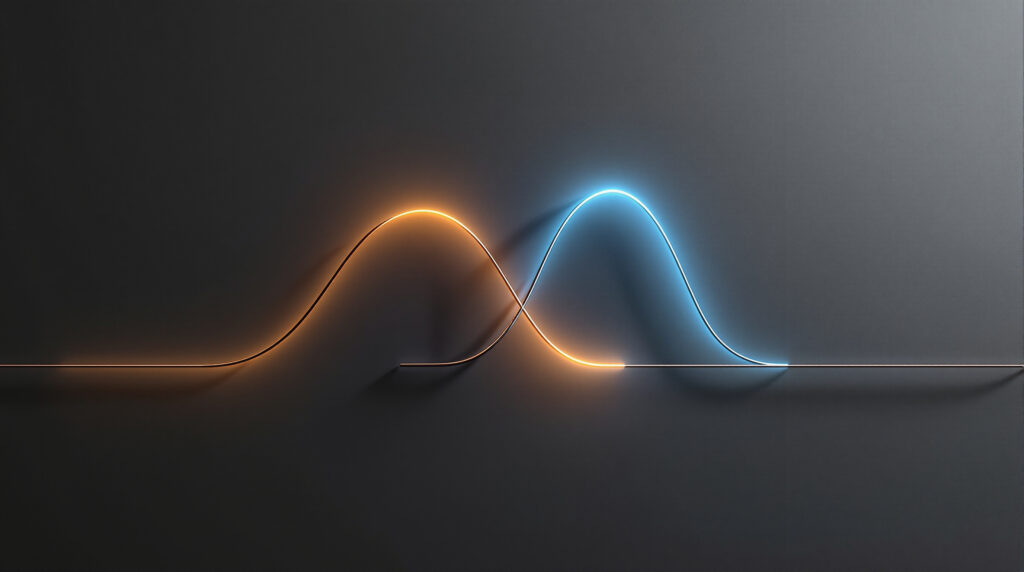
Cannabis has a biphasic effect profile. This means that low and high doses of the same active substance can produce opposite effects. At low THC levels, study participants report anxiolytic, mood-lifting, and relaxing effects. As the dose increases, the effect reverses: anxiety, heart racing, and paranoid thoughts increase. A well-known 2017 study from the University of Illinois at Chicago showed that 7.5 milligrams of THC reduced stress responses in a stressful situation, while 12.5 milligrams actually increased stress in the same subjects. A difference of just five milligrams was enough to completely flip the effect.
For microdosing, this effect profile is central. Those who stay in the lower half of the curve can deliberately access the positive effects without slipping into the range of undesirable side effects. Accompanying CBD administration can further buffer THC’s psychotropic peak and broaden the effective dosing window. We explain how the endocannabinoid system works as the body’s own receptor apparatus in The Endocannabinoid System Explained.
Dosing Guide for Beginners
The safest entry into cannabis microdosing follows the principle of „start low, go slow.“ Beginners start with a daily dose of one milligram of THC, ideally as a standardized product with precise dosing. This initial amount is maintained for three to four days so the body can process the effect. Only then is there an increase of 0.5 milligrams every two to three days until the individual threshold dose is reached. Noticeable effects without a high mark the goal; any further increase is no longer microdosing but standard dosing.
As important as the initial dose is tolerance management. Even small amounts of THC lead to adaptation of CB1 receptors with daily use, so the original microdose can lose its effect after a few weeks. A proven strategy is two fixed pause days per week, supplemented by a complete break of five to seven days every four to six weeks. Study data shows that tolerance decreases measurably after just 48 hours without use, keeping the effective dosing window open long-term.
Consumption Methods Compared
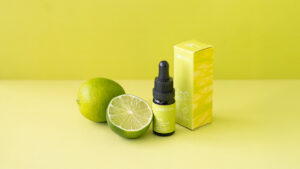
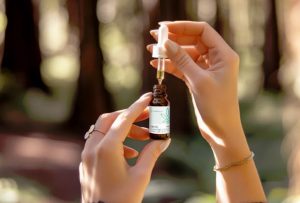
Not every consumption method is suitable for microdosing. The classic joint is the least favorable option because the amount of active substance absorbed cannot be reliably measured and combustion creates additional respiratory strain. Standardized oils and capsules from the pharmacy, on the other hand, provide a reproducible dose but take 30 to 90 minutes to take effect and then last for several hours. This long half-life is often desirable in everyday use but is inflexible during the adjustment phase.
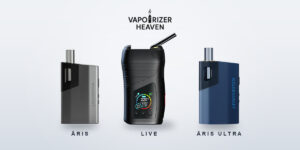
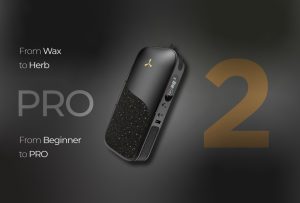
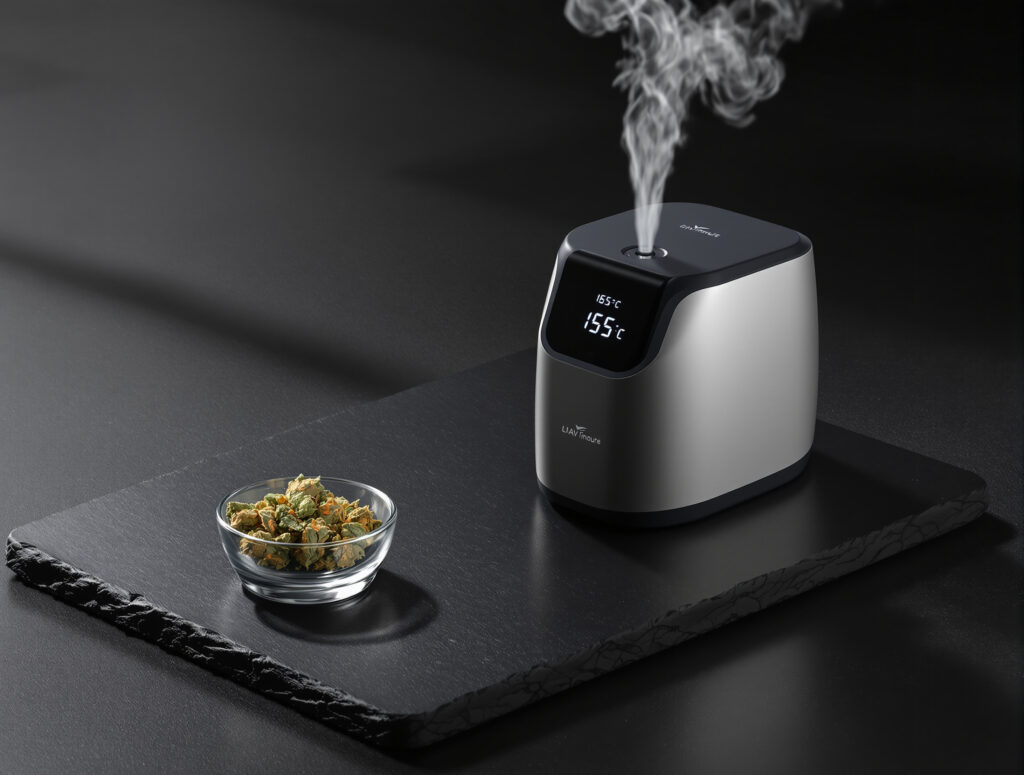
The vaporizer has established itself as the tool of choice because it combines rapid onset with precise dosing capability. Devices with temperature control vaporize very small amounts of flower or extract at adjustable settings, so the amount of THC delivered remains predictable. Onset within minutes, duration of 60 to 120 minutes, and the ability to fine-tune make the vaporizer particularly interesting for microdosing. Those choosing edibles should plan for delayed onset and avoid re-dosing before two hours have passed, as otherwise the dose can unintentionally drift into the intoxication window.
Microdosing for Patients: Therapeutic Perspective
In cannabis therapy, microdosing is no longer a marginal topic. A randomized double-blind study in cancer patients with chronic pain showed that 1.29 milligrams of THC per day achieved comparable analgesic effects to 3.53 milligrams, but with significantly fewer side effects. In older patients with sleep disorders, one to two milligrams of THC also improved sleep onset time without impairing cognitive function the next day. This aligns with the observation of many physicians that many patients are initially over-dosed and only find their therapeutic range when titrating down.
Our article Medicinal Cannabis: 25 Percent THC and Its Consequences provides background on why prescribing practices often work with high THC values. Patients pursuing a microdosing strategy should discuss the topic openly with their treating physician. Low-THC flowers, full-spectrum extracts with defined concentration, or dronabinol drops that can be dosed to 0.25 milligrams precisely can then be prescribed. Our overview Self-Medication with Cannabis for Anxiety, Depression, Sleep Problems, and Pain brings together complementary insights into the range of cannabis-supported treatments.
Frequently Asked Questions
How many milligrams of THC counts as a microdose?
A microdose ranges from 0.5 to 2.5 milligrams of THC per single dose. Some users stay even lower at one milligram and only work upward if needed. Once the dose exceeds five milligrams, the effect typically leaves the microdosed effective window and approaches the classic intoxication range.
Does Cannabis Microdosing Produce a High?
With correct use, noticeable intoxication is absent. The goal is a subclinical effect: mild relaxation, gentle mood elevation, or pain reduction without impairing cognitive function. Those noticing a high have crossed the threshold to standard dosing and should halve the amount on the next attempt.
Which Consumption Method is Best for Microdosing?
Vaporizers with temperature control as well as standardized oils and capsules from the pharmacy provide the most reliable microdoses. Edibles also work but require patience because the effect is delayed. Joints and bongs are poorly suited because active substance absorption varies greatly and precise dose control is hardly possible.
How Quickly Does Tolerance Build Up with Daily Microdosing?
Already after a few weeks, the endocannabinoid system adapts and the original microdose noticeably loses its effect. Those who plan two fixed pause days per week and take a longer break every four to six weeks can largely prevent tolerance development. A 48-hour break is already enough to partially reset CB1 receptors.
Can Patients Get Cannabis in Microdosed Form by Prescription?
Hast du schon einmal Cannabis mikrodosiert?
Yes, prescribing has been available since April 2024 through the Medicinal Cannabis Act and electronic prescriptions. Particularly suitable are dronabinol drops, low-dose full-spectrum extracts, and flowers with low THC content. An open conversation with the treating physician about the therapy goal is important so that the active substance, concentration, and consumption method align with the microdosing approach.

Branchen-Update
News, Analysen und Reportagen — mehrmals im Monat direkt in dein Postfach.